She works her fingers into an old stump,
 down to the soft splinters, the harmless pricks
 that goad no more, that turn to pulp beneath
 persuasive hands.
                                        She runs her fingers over
 a stone, dwells on its round perfection, long
 in birth and long in death, a moment etched
 on a compendium of etchings.
                                                             She rakes
 her fingers through a fire’s corpse, ashes
 bending to her figurations, lines
 that speak her whim, furrows in gray that shade
 her whorls.
                           She does not own these dreams. They cackle
 across her synapses as she, echo
 of their cacchination, rises, leaves—
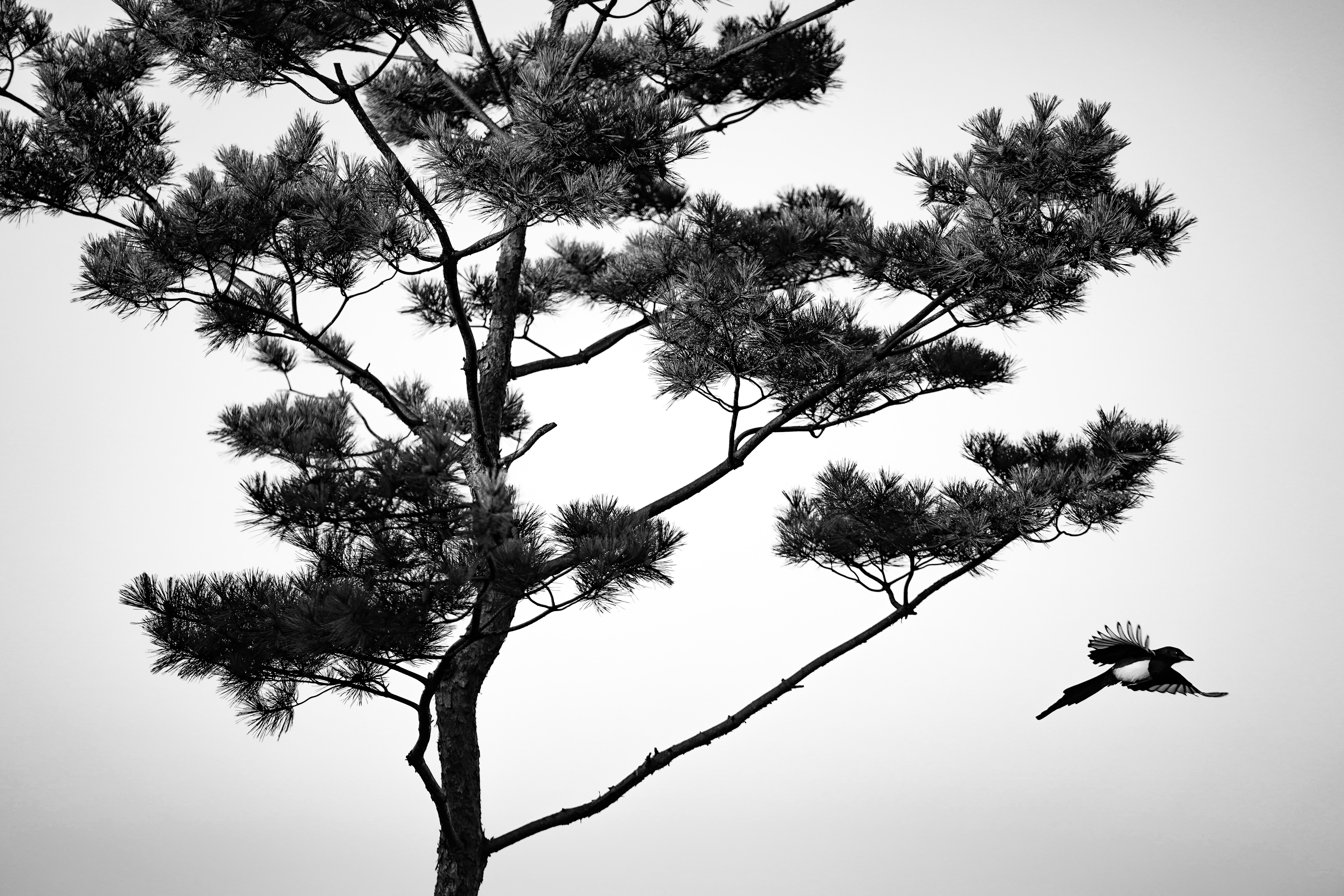
 a flash of white and black caught hazily
 through branches flush with needles. Thick, the air.
 Breathe in. Again, more deeply. Smells like rain.
– Aaron Novick
About the author of this poem
Aaron Novick is an assistant professor of philosophy at Purdue University. His poetry has appeared in Notre Dame Review, The American Journal of Poetry, Dunes Review, and elsewhere. He tweets as @AmneMachin
Whether preparing for inclement or challenging weather conditions, the gardener or farmer is focussed on the preparation of the terrain, consistently fine tuning and adapting to any changeability with remarkable ingenuity: to ensure the survival of plants from one year to the next, to give the care necessary for the nurturing of seeds, the blooming of flowers and harvest of crops.
Caring for the creative spark and honing the skills to fuel and sustain any creative output is not dissimilar.
The same ingenuity is a required feature within the freelancer toolkit, which I will itemise further down.
The digital age has facilitated a number of tasks, making it easier to promote oneself or one’s projects, while also helping to establish contact between clients and illustrators across the globe. Yet in the maelstrom of the digital babble, it can be a challenge for artists to establish genuine two-way communication with prospective clients amid the blizzard of visual content and other material, as everyone seems to be consistently bombarded with stimuli from all sides.
So, just what do freelance illustrators need in order to establish these genuine connections and cultivate their creative gardens?
The tool kit:
*Research:
Step one: research.
a/ collating information and narratives, the ‘fertiliser’ for the work to transform and develop
b/ research of the market and specifically the clients, the companies, organisations, interest groups and individuals, as potential fertile ground
c/ research of the cultural terrain, the wider context in which the work can grow: use social media as a barometer for ideas to remain in touch with target markets/cultures/concerns
d/ collect visual material that speaks to you, whether through photography or printed matter, surfaces, objects and places
e/ glean visual or idea treasures from wherever you go, in a notebook or on a phone
f/ discover new media, new drawing tools, material and surfaces you have collected, in exploration and play
*Collaboration: participation with, and support of others, leading to the blossoming of ideas: a journey of creative transformation, with its own momentum and energy.
Collaboration helps join together synapses; leading to creative transformation and building creative energy
*Documenting the processes and exchanges involved: this is so easy, especially now with digital technology
*Identifying ideas and concepts shared by others, this is at the heart of effective communication
*Communication and sharing: not only to targeted clients but also to others in the wider creative family and audiences.
Make it your mission to locate and approach clients and businesses where your work is appropriate. You might have to do this at specific points or in specific ways.
Follow this up with a call or email.
Always remember: you are trying to build a working relationship, which needs nurturing from the very beginning. One impersonal email won’t cut the mustard.
*Curiosity: observing, and treasure-hunting
*Method: exploring and researching, finding a kernel of something, which can grow into a new body of work or enable new connections and collaborations, and eventually widen your circle of contacts, as in the next point…
*Volunteering during quieter times: it extends not only your learning but your insights into areas of life, work and people that you might not interact with.
It enables you to distance yourself from your freelance work, with a more reflective/critical perspective.
Crucially, it maintains a sense of purpose and keeps the demons of insecurity at bay.
*Learning new skills and honing existing ones: identifying these, whatever your context, is enriching, purposeful.
Longer term, evaluating your skills with objectivity means you will be more confident in presenting them to potential clients.
Learn new skills, hone existing ones, and solve problems creatively – just as our ancestors did.
*Effective or appropriate ways of sharing your material
Remember: protect your own intellectual and creative property; as well as that of others.
Do not cast everything to the wind, giving everything away in the hope that you have nothing to lose.
Absolutely hold onto copyright and keep reserves of material, making sure that what you do share is not wasted by being shared to the wrong person at the wrong time (this refers back to section c) .
Keep aware of what else is going on in the world at any given time and in a given culture.
Remember to only use images on the web that you have obtained the rights for.
Preserve your own rights by ensuring that you contractually retain the full ownership of your work when choosing which digital platforms to publish on.
Some of these platforms have underlying contractual terms as soon as you publish anything on them: you might consider keeping the dpi resolution of those images low – in any case, there is also the possibility they could get lifted off the computer and used elsewhere without your permission or knowledge.
For this reason, some creatives use watermarks or share selected ‘sections’ of the image rather than the whole piece, particularly on Facebook and Instagram.
The Association of Illustrators is a fantastic hub of events, a resource for information, workshops and expertise in these areas.
They issue contract models and other essential material for freelance illustrators, providing and ensuring good practice in contractual agreements, and minimising exploitative and potential costly agreements between clients and illustrators.
DACS is another organisation upholding and defending the rights of artists and their works.
*Getting an agent
Choose one that belongs to the Society of Artist Agents or is a member of the AOI, upholding ethics and good practice.
Check out the other artists they represent, and reflect on how your work might complement or fit within their portfolio.
Be sure to meet them in person.
Go into any partnership based your gut feeling rather than on a rash agreement: you need to trust them as they will be representing you in the wider world, and engage contractually with clients on your behalf.
Trust is paramount, for both sides.
I ignored this gut feeling once, seduced by the potential security and kudos of being represented by a particular agent. The agent did a runner and I discovered that legally, at the time, I was low down on the list of creditors. It was not good.
But it is not only a financial thing: ideally you both need to understand each other about what jobs you might want be involved in, or want to obtain in the future.
*Determination, focus and resilience
When things are quiet, what might seem to be a fallow period is an opportunity for reflection, to review the work and its various strands, and can be a useful moment for making practical decisions about new directions for your work or sustaining the same processes you are currently following.
*Always have energy sources or supplies for emergency low ebb days on top of your cup of tea, your cheeky coffee or chocolate, or your favourite pencil; even an interesting book, a favourite playlist; the treasures from your collecting activities; a walk or place to visit when the spark needs rekindling – somewhere where you can get a flavoursome and nourishing slice of life!
Remember to pack these elements into your toolkit and you’ll be able to weather all climates!
About the author of this post
Bee Willey is half French and returned to the UK to be an illustrator and has worked in the publishing field for thirty years.
She is fascinated by narrative in all its forms, and has worked on interdisciplinary collaborative projects, funded by the Arts Council.
She lectures in Visual Communication/Illustration at NUA, Norwich and at OCA.
It is not given us to know. Life,
erratic as a butterfly’s careening,
may yet prove to be an insect’s dream.
Nothing so fragile, so unsteady as
the human mind—no better than the mushrooms
that in the morning poke from the earth, then vanish
before the moon can follow—can pretend
to certainty. No matter. We may still
proliferate hypotheses, and this
is good enough to hold at bay the fear
of gods and death. Consider: fire may
be motion, may be fluid—either way,
it is not Juno. I am dithering.
Enough. Here’s how it might have happened. She—
No. Let me start again. Troy was on fire.
That’s the key point. My city was on fire,
and its belly swarmed with Greeks. My terror sought
the release of hot blood on a cold blade,
but my mother pulled me back, against my will,
through streets unrecognizable, to a home
inexplicably intact. Anchises was there,
Creüsa, Iulus. I grabbed my son, my father,
told Creüsa to follow, a ways back.
Why? Why? I was still thinking of gore.
Let the fighting find me at the front, let her
hang back, where Death will not come looking. Stupid.
He has so many eyes, so many eyes
that sparkle with disdain, and I had none
to catch the flash that cut her down. Stupid.
Or it may have gone like this. Troy was on fire,
and swarming with Greeks. I grabbed my son, my father,
told Creüsa to follow, a ways back.
Why? Why? My mother, as she dragged me
through the streets I once knew, informed me
of my fate, of the wife, the faceless wife,
for whom I’d wage a war. Lavinia.
Then left me, lamely standing in my home. It’s time to go. What else to say? Dad, son, with me. But her, how could I face her, her
whom I would have to leave, if not now, soon? And you, behind. Exactly so. She knew,
of course—not what, precisely, but, no less,
she knew and, knowing, she removed herself.
The streets as we fled furnished many weapons,
so true it is, that the dead will aid their own.
Darkness is often privation. The sun slinks
below the sea. The last rays of its radiant
cowardice fade, and we feel it gone all night.
But darkness may also be a presence, stinging
our eyes, our nostrils. Then the black sky
grows blacker, fed by an orange glow beneath.
And there is something that delights in flame,
that in its waking hours ever seeks
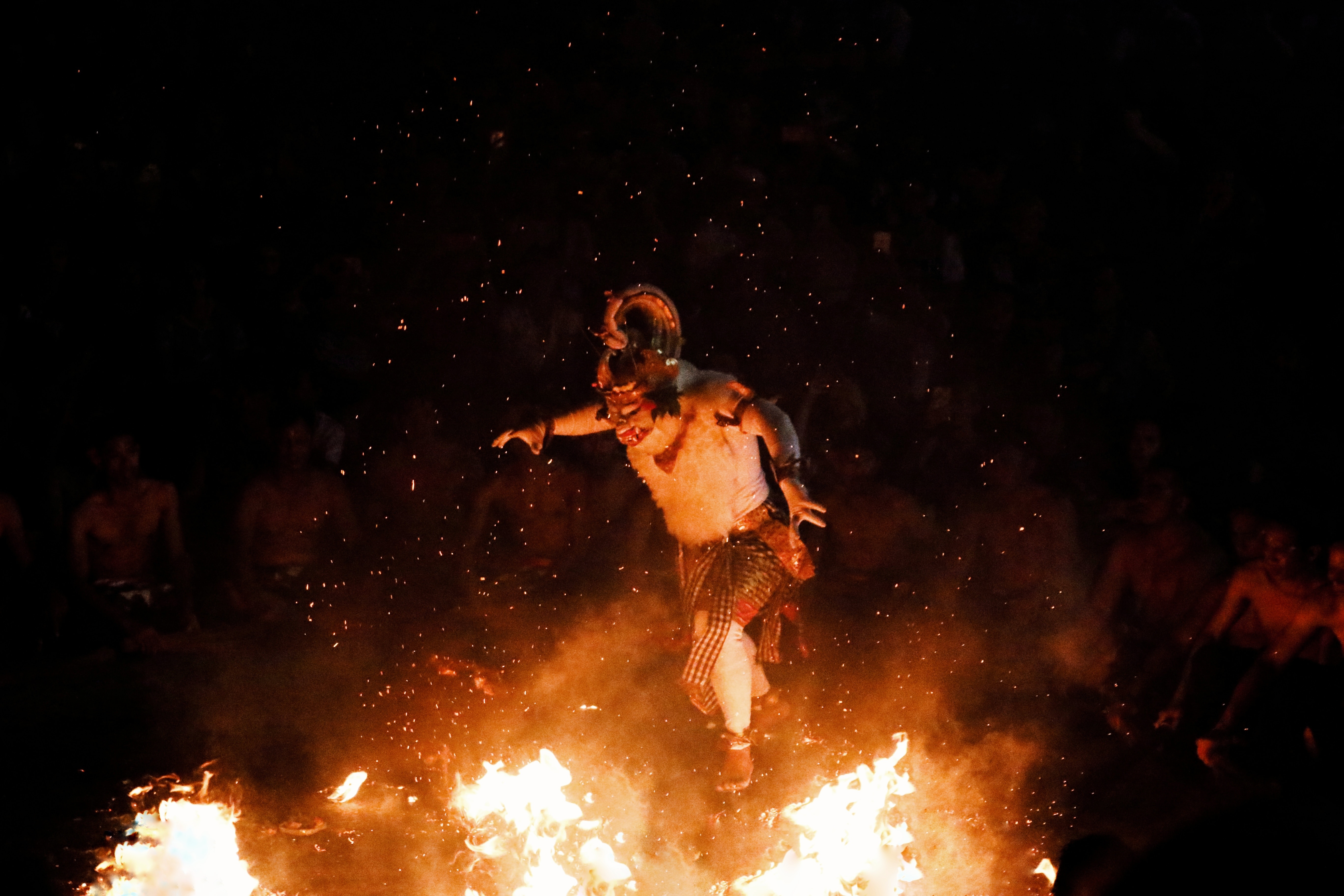
the conflagration conjured in its dreams.
And it is possible that as she ran
beside us, fled with us, a butterfly
enthralled her, drew first her eyes, then her legs
back, back, until she vanished in the smoke.
Maybe. Maybe. And a million maybes.
My feet I turned to Troy, my steps retraced. Creüsa! No. Creüsa! No. Still no. To the mountains Iulus—she is gone.
All roads lead back to this unfractured fact,
thick and rich with being, like an atom.
About the author of this poem
Aaron Novick is an assistant professor of philosophy at Purdue University. His poetry has appeared in Notre Dame Review, The American Journal of Poetry, Dunes Review, and elsewhere. He tweets as @AmneMachin
Sometimes, it seems, spoilers really can be a matter of life and death.
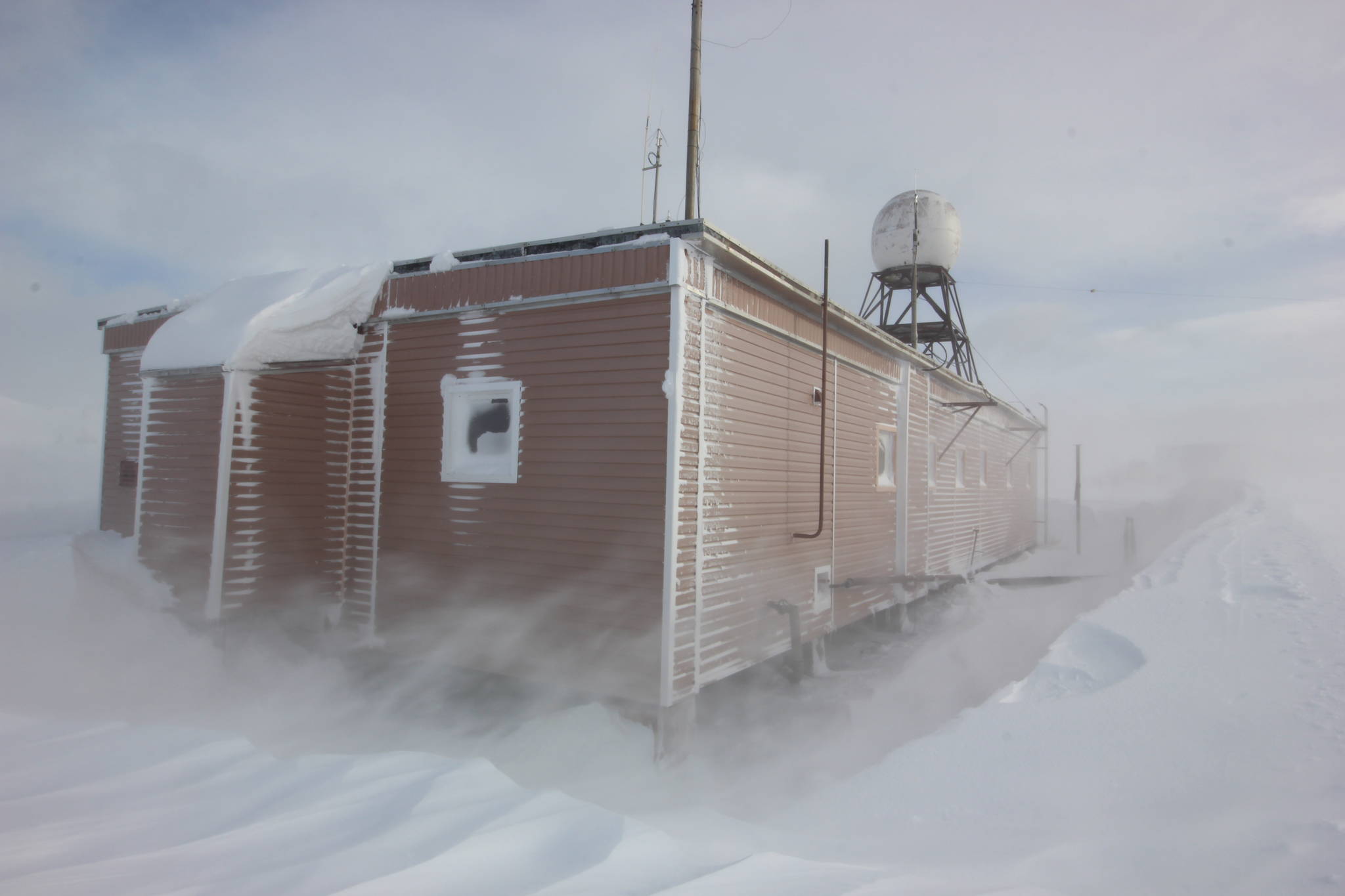
In 2018, a scientist, researching at a remote Russian research station in Antarctica allegedly stabbed a colleague who supposedly kept on revealing the endings of books he was reading.
SaviAccording to several reports (some of which have been disputed), Sergey Savitsky, 55, and Oleg Beloguzov, 52, were avid readers to pass the lonely hours during four harsh years together. Yet their shared love of reading apparently didn’t crossover to a shared love of knowing how books end – with Savitsky taking a kitchen knife to Belogozuv for his repeated book spoilers.
A windy day at Bellingshausen station – where Savitsky allegedly stabbed his colleague Belogozuv for spoiling the endings of books. (Photo via Creative Commons)
Some would contend that spending months trapped in isolation with few other human beings might put the kind of intense strain on a relationship that would bring about attempted murder. But could spoilers really trigger this kind of aggression?
Certainly, reading some of the online verbiage associated with spoilers, and those who reveal them, it does seem as though human beings have a deep seated aversion to having the end of stories revealed to them against their will.
Humans as story tellers
Part of the reason, surely, must have something to do with our species’ deep connection to stories themselves. Now, it’s widely known how important story telling has been to human evolution. There’s strong evidence to suggest it helped our earliest ancestors progress, learn, and adapt to their environment – firstly through simple sign language and then through aural storytelling. It was a means of sharing information, ideas, and history and – crucially – a means of passing all this knowledge on to future generations.
Of course, as we’ve evolved, our stories have become ever more complex, and told through ever more intricate, creative ways, through numerous different mediums. Yet stories are undeniably still a crucial part of our lives. Why exactly is this?
It’s a question that Yale psychology professor Paul Bloom has puzzled over in his book How Pleasure Works, in which he asks why we spend more of our free time exploring fictional worlds—reading, watching TV and movies, playing video games—than engaging in real-world pastimes. He writes:
“Surely we would be better off pursuing more adaptive activities—eating and drinking and fornicating, establishing relationships, building shelter, and teaching our children.”
What makes the relationship between humans and stories – and our frequent aversion to having them ‘spoiled’ – even more curious, is the fact that ultimately, most stories are ones we’ve heard repeatedly, time and time again. Not only do we love re-reading our favourite books, or re-watching our favourite TV shows and movies; on a more fundamental level, most of the stories we encounter are ones we’ve heard before (albeit in different guises).
This last thought comes from the idea of there being no more than seven different stories (though some argue there are even fewer than this).
Take a moment to think about this and it’s pretty easy to come up with examples of stories that are just copies of other stories. Some of them appear on the classic lists of pseudo-intellectual conversation at pub and parties: The Lion King is Hamlet; 10 Things I Hate About You is The Taming of the Shrew; West Side Story is Romeo and Juliet.
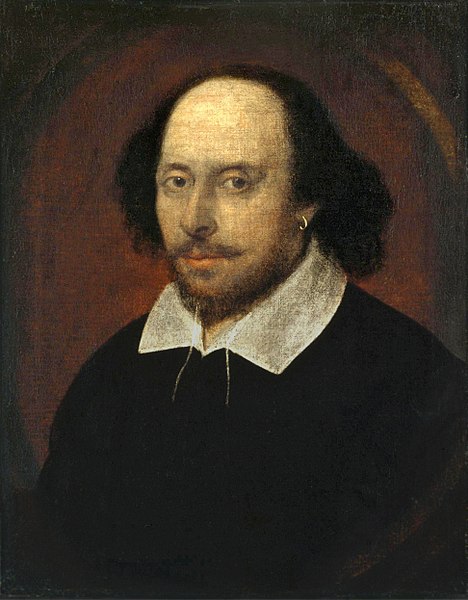
Shakespeare’s stories are repeated time and time again – yet even he stole and repeated the tales of others. So why do we think we’ll ever be surprised by how a story ends?
But the thing is, even Shakespeare was stealing storylines. His treatment and exploration of Julius Caesar, for instance, is inspired – and even partially copied from – Geoffrey Chaucer’s depiction of Julius Caesar (and his death) as told in The Monk’s Tale.
Now that we live in an era of reboots, prequels, sequels and endless corporate franchises, we should feel even more accustomed to hearing the same stories told over and over endlessly on repeat (and usually paying an increasing fee to do so). We should know that this straight laced character is going to go on a journey (physical or spiritual) that changes them. We should know that X is going to fall in love with Y, but with some bumps along the way. We should know that the superhero is always somehow going to save the day. We know that good will triumph over evil and – even when it doesn’t, well, we know that sometimes the bad guys win, too.
Yet rather than grow accustomed to knowing how all these stories end, it is within this world that we have grown men stabbing one another for spoiling the ending of books.
Why?
Anticipation and the suspension of disbelief
Writing in The Atlantic, Jennifer Richler has suggested that the reason spoilers suck is because human beings don’t actually care about how stories end – they care about the stories themselves. This is because we naturally empathise with characters, and become invested in them and their journeys. Thus the fictional world and our real world become entwined. She writes:
“As Thalia Goldstein, a psychology professor at Pace University, explained to me, this blurring actually happens at the neurological level: The conscious, thinking parts of our brain tell us that a story isn’t real, but the more primitive parts tell us it is.
This research suggests one explanation for why spoilers suck: They remind us that a story is just a story. It’s hard to get transported when you already know where you’ll end up—in real life you don’t have that knowledge.”
By spoiling the end of a book for someone – or a movie or TV show – you’re in a sense depriving them of the opportunity to get invested in X or Y character and their journey, because you essentially don’t see the point in doing so; so you don’t make those neurological connections that stimulate us and help us enjoy discovering stories.
There’s something here, also, about the pleasure we derive from anticipating an experience that sometimes exceeds the pleasure we get from the actual experience. Think of the study, for instance, that showed people would rather postpone a free dinner at a French restaurant by a week than have it right away; they want the pleasure of looking forward to the meal.
It’s the same, it seems, with stories – we like to anticipate how the story might end more than we do simply hearing how it does. And, when that anticipation is the only thing getting us through the long, cold Antarctic nights, to have it ripped away from us against our will is something that might just drive us to attempt murder.
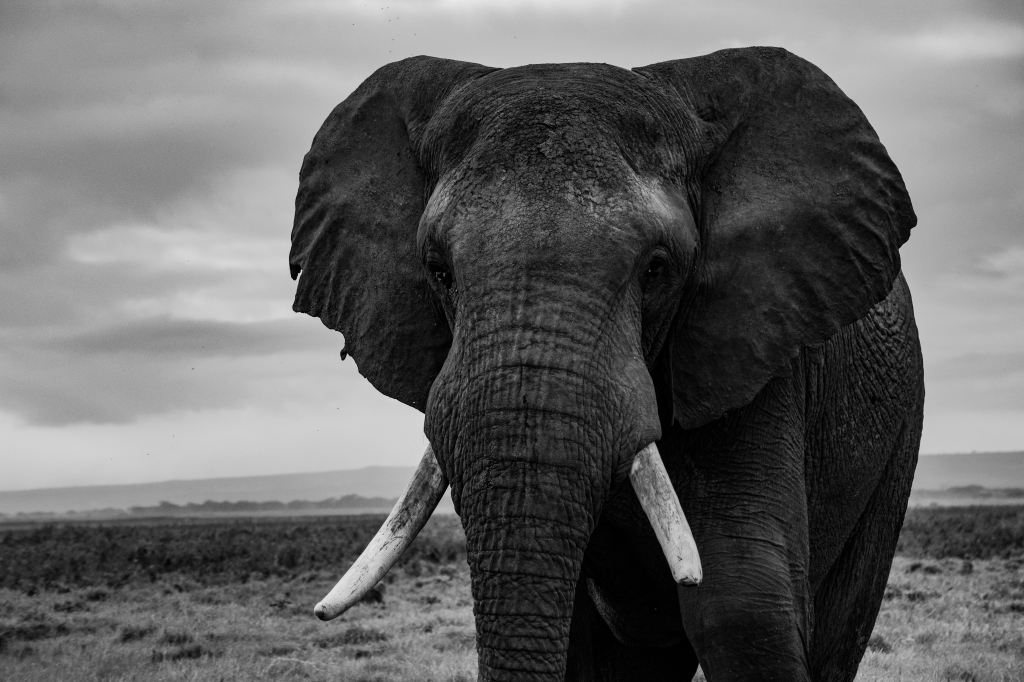
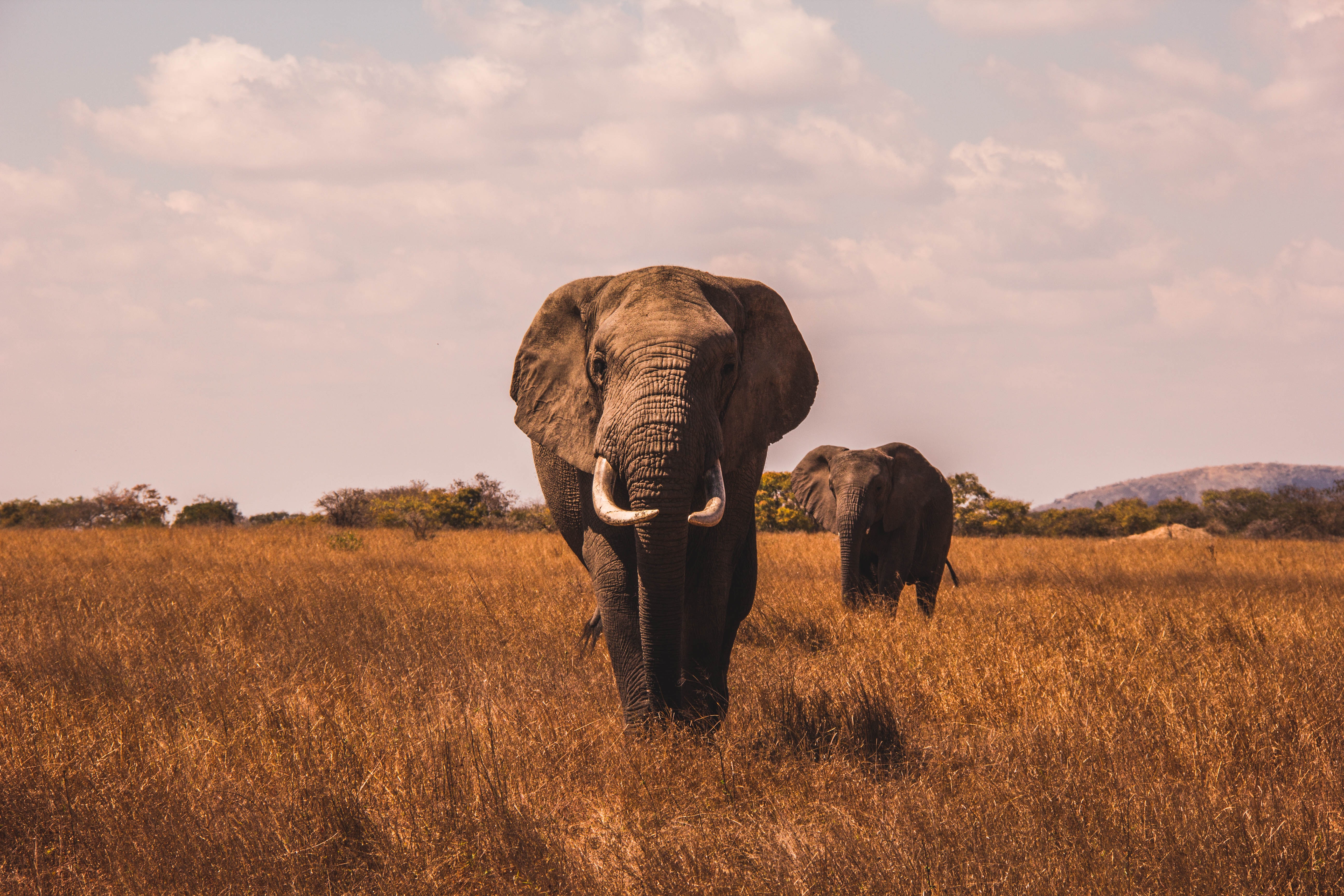
Our safari guide spots the creature’s enormous bobbing head from a mile down the road in the heart of Kruger National Park, about four and a half hours from Johannesburg. We’re cautioned to stay seated inside the jeep at all times: an elephant is easily capable of killing a human. I have a healthy respect for nature’s awesome power, but this elephant with lined eyes, protruding slightly under their heavy lids, reminds me of a wise, old gentleman. I decide I’ll call him Walter.
Walter’s movement toward the watering hole is slow and measured, but not lumbering. As we approach, he pauses mid-step. I’m suddenly aware of the tiny beads of sweat coolly evaporating from my forehead. I suppose I expected this once-in-a-lifetime experience to involve an element of danger. I wonder whether he will freeze, or leave, or even charge at us. But Walter does none of these things. Immovably balanced on three legs, he moves his free front foot forward—ever so daintily touching the tip of his toe to the ground—then backward, then forward again, like a jaunty tap dancer’s soft-shoe, before he continues to amble along.
The guide, three other passengers, and I are so quiet that we can hear Walter’s ears, thin and frayed at the edges, beating ceaselessly like great butterfly wings. His tail is also in constant motion, instinctively shooing away pests. Walter has made it to the pool’s edge, yet he contemplates the water for several minutes before ladling some into his mouth with his dexterous trunk.
I suppose that I’m more interested in him than he is in me. Untroubled by the swarms of tiny flies, gawking onlookers, or seemingly anything at all, he parks himself sideways under the shade of a sprawling tree. But as we begin to pull away, trying frantically to snap one last photo, he gazes knowingly at me with his left eye, his ear occasionally beating across it like a blinking eyelid, spying from behind the thatched tree branches.
About the author of this post
Jennifer Roberge is a ponderer and prose-maker getting her bearings in northern Canada. Her current challenges include bringing out her inner world and confidently designing her life to meet her values. Much of Jennifer’s productivity occurs between long periods of hibernation, as a lifetime has not adapted her for Canadian winters.
Journalist Daniel James got a call in the middle of the night, offering him a substantial amount of money to write the biography of artist Ezra Mass. Or did he? From the beginning of The Unauthorised Biography of Ezra Maas, writer Daniel James asks the reader to retrace their steps, second-guess every scene. The book is an exercise in metafiction, so dense with intertextuality and references to other artists that it is in itself a crash-course in art and art theory. It’s an impressive creation, offering interesting perspectives on the roles of creators and consumers, but for some the book may be too dense, so saturated in context that it obscures the story. ‘But that’s the point!’ fans will argue. ‘The story IS the context.’ It’s ambitious and provocative – will demand time and patience from readers.
However, the book is also fast-paced and innovative, uses cuttings from newspapers, transcripts of phone interviews and letters to pad out the pages, illuminate the unreliability of the narrative provided by James himself. The book is described as ‘Fiction’ and categorised as a novel, but Daniel James is the main character in the story. A lot of time is dedicated to convincing the reader of the book’s authenticity – there are articles included supposedly from The Guardian, references to very real artists, extended footnotes evidencing claims made in the text – and it’s possible this time could be better spent in-scene, building atmosphere or relationships between characters. The form is exhilarating, however, and lends itself well to a thriller, to a chase for a missing person with an elusive identity. There are shades of Wilkie Collins’ The Woman in White, of contributions made and included by different characters, characters that have then gone on to edit each other’s accounts without consent. Some of the most affecting, gripping moments are delivered in this way. A transcript of a conversation between a doctor and a young Ezra Maas has a particularly spooky conclusion.
It’s genuinely informative too, with footnotes about art and art history that will send enthusiasts Googling for hours. However, the addition of the anonymous narrator, narrating over the top of Daniel James, complicates the book to a degree that is arguably unnecessary. Often, these footnotes slip into analysing the book’s own writing as it happens. While this process is illuminating, it compromises the immediacy of scenes. It is clear from its fragmented form that this is a book designed not to seduce and comfort a reader but to unsettle and throw out: force them to question their relationship with text and narrative. For some this will be a welcome diversion.
It’s an acquired taste, a book that seems to unspool in every direction rather than lead from scene to scene in a linear fashion. However, the subject matter, the setting up of a ‘genius’ character and the examination of this genius, will appeal to art enthusiasts everywhere and fits in well with the release of Quentin Tarantino’s new film, ‘Once Upon a Time in Hollywood.’ It’s a book that makes the reader work hard, makes them complicit in the mystery. Piecing together the legacy of Ezra Maas means piecing together the book, tracing the ghosts behind the lines.
Ellen Lavelle is a post-graduate alumni of The University of Warwick’s Writing Programme. An aspiring novelist and screenwriter, she has worked with The Young Journalist Academy since the age of fourteen, writing articles and making short films for their website. She’s currently working on a crime novel, a historical fiction novel and the script for a period drama. She interviews authors for her blog and you can follow her @ellenrlavelle on Twitter.
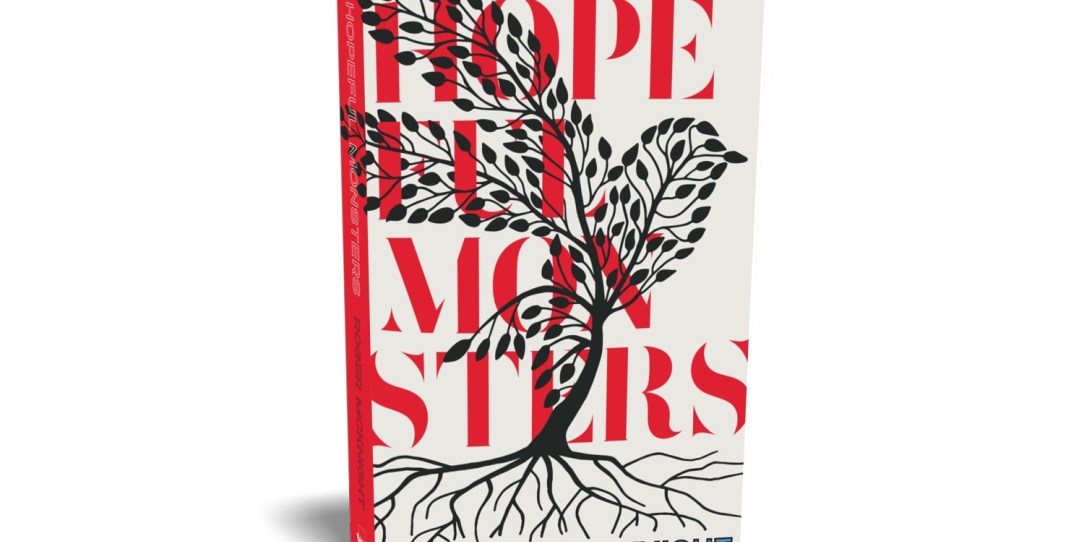
There are some books that make you forget where you are, and transport you instantly, silently, into new worlds and places. Roger McKnight’s Hopeful Monsters short story collection – published by Storgy press in London – is one of these books. Seemingly from the first page, you find yourself displaced, to a Minnesota summer, where the world around you is shimmering beneath the dappled sunlight of maple leaves and pure, unadulterated Americana.
But it is one thing to describe a place well, and another entirely to make it feel real. Within these settings, we, as readers, are introduced to a plethora of characters who are so fully realised they make the scenes we read come alive.
It is true that there are some recurring themes with these characters – many are bound up by a sense of loss or nostalgia, or else trying to move on from an event that has greatly impacted their past. Yet while this makes some of the characters across stories feel familiar, by linking them together it makes a powerful point about the human condition; we are all, in some ways, coming to grips with our own lived experiences. The fact that many of the stories are very contained within a small space – a tour around a lake, the close routines of working in a chicken farm/factory – in many ways amplify the sense of constrained movement within the self; the attempts to move on and away from one’s past, and yet ultimately locked in a kind of dance with our previous experiences of the world all the while.
If there is to be a criticism of the book, it’s perhaps that there are moments when we are told about a characters’ past somewhat obliquely and abruptly. In the titular story from the collection, for instance, the character of Woody is introduced early on as “being a vet from Iraq”. It’s not as subtle as it could be, and it jars with the poignancy and careful characterisation that comes from McKnight’s greatest writing skill: his depiction of dialogue.
Throughout this book, it is the conversations between characters that really fizz, and burn quietly beneath the surface. Here, we see the inner workings of people’s lives and thoughts expressed through the often guarded language we all use to shield what we’re really, truly saying. Just like the great writers of dialogue – Greene, Carver, Moore, and others – McKnight’s thoughtful expressions and turns of phrase equip his characters with a sense of agency that never tells the reader how to feel but instead guides them to that perfect crux of empathy where we are surprised not to be reading characters that seem realistic; but to be reading characters that feel like ourselves; who have the same thoughts, feelings and reactions that we do. In this way, reading this book feels like being in a series of intimate conversations with your closest friends.
“Bulbous salutations”, “pleasure caves”, and “stiffening shafts”, all mixed up so often in a veritable hodgepodge of sexual activity and (sometimes anatomically incorrect or physically impossible) movement. All can be found in abundance throughout the literary canon – a testament to the difficulties writers have when it comes to writing about sex.
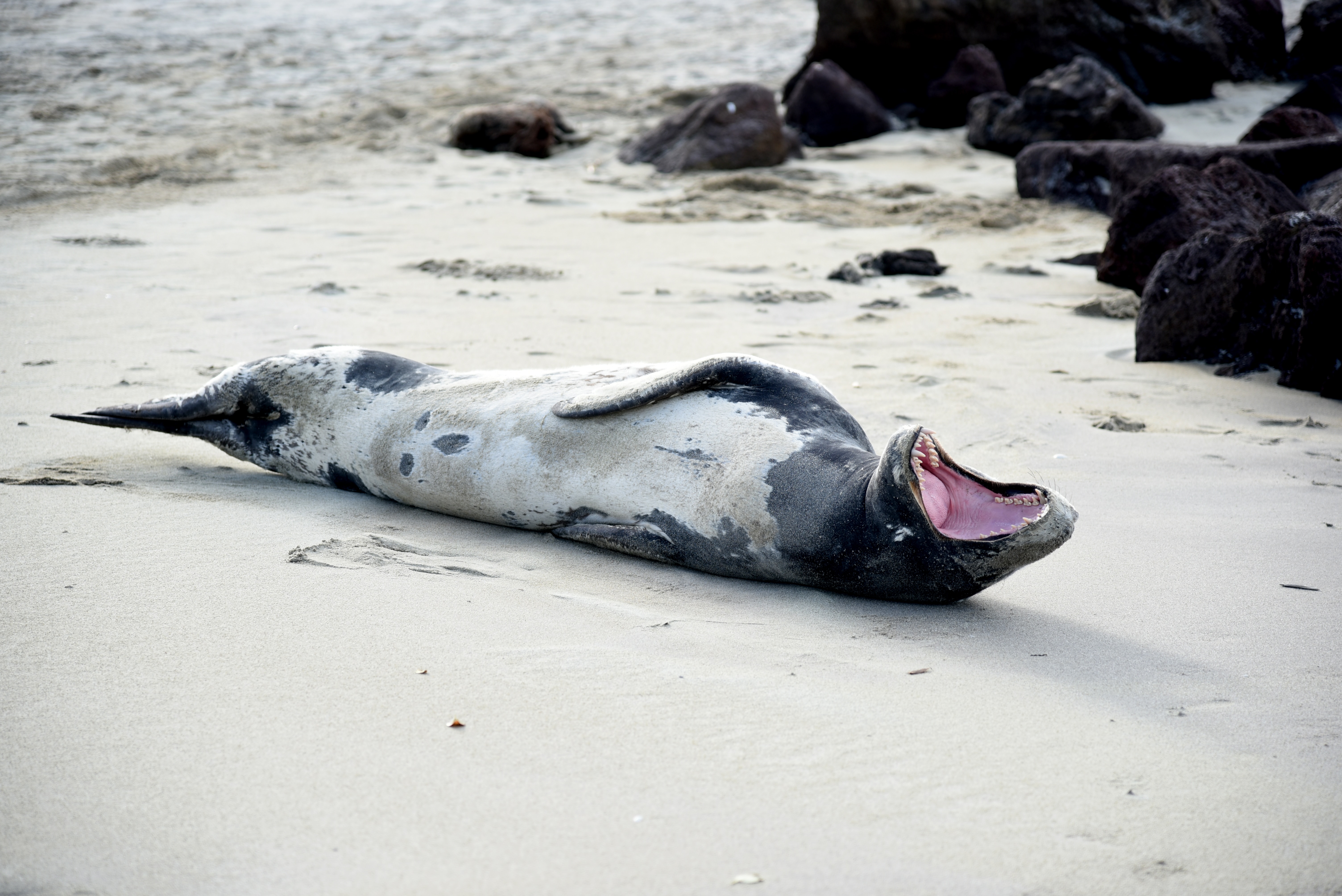
Of course, we know sex is notoriously hard to write about; yet the fact that we know how hard it is should not necessarily excuse the fact that writers – good, sometimes even great ones – continually seem to struggle to change their approach here. Instead, it seems we are stuck in an endless loop of vaginas “squeaking like wet rubber” (David Huggins), of women “making a noise somewhere between a beached seal and a police siren” (Nicholas Royle) and “designer pussies” (Aniruddha Bahal).
The Literary Review’s infamous Bad Sex in Fiction Award was created over 25 years ago to highlight passages of egregiously bad prose and description and to prevent writers – and publishers and editors – from repeating the same mistakes. The awards are an international phenomenon; with writers keen to avoid picking up the literary world’s most notorious ‘booby prize’. So why have the awards been going since 1993 and we are still – still! – uncovering new ways for writers to make the act of sex sound like some sort of crazed anatomy lesson? Why haven’t authors paid any attention to the awards, or worked out how not to write about sex? Why hasn’t anything changed?
The cause of the problem – as is the case with so many other things – is, perhaps, men.
Certainly, all evidence seems to suggest that male writers have a particular difficulty in writing about sex – 23 out of 26 past winners have all been men; along with over 80% of nominees for the award since 2002.
It’s not new to point this out – Joel Snape, writing in the Telegraph suggests it’s because men like to “show off” and singles out 2014 winner Ben Okri for doing just this, pointing out that the author, “smothers one female character’s internal monologue with so many abstract nouns and metaphors that it’s impossible to tell what’s going on: at first she’s adrift on warm currents, then ‘the universe is in her’, and then a stray rocket goes off.”
Don’t you love it when a stray rocket goes off during intercourse? Ben Okri certainly does.
If people have realised that men are particularly bad at writing about sex, perhaps the question ought to be: is this really all that surprising?
Suspicions, probably, should have been raised the moment – for example – Jonathan Little’s protagonist in The Kindly Ones compared himself to “a sow nuzzling for a nest of black truffles” during the act.
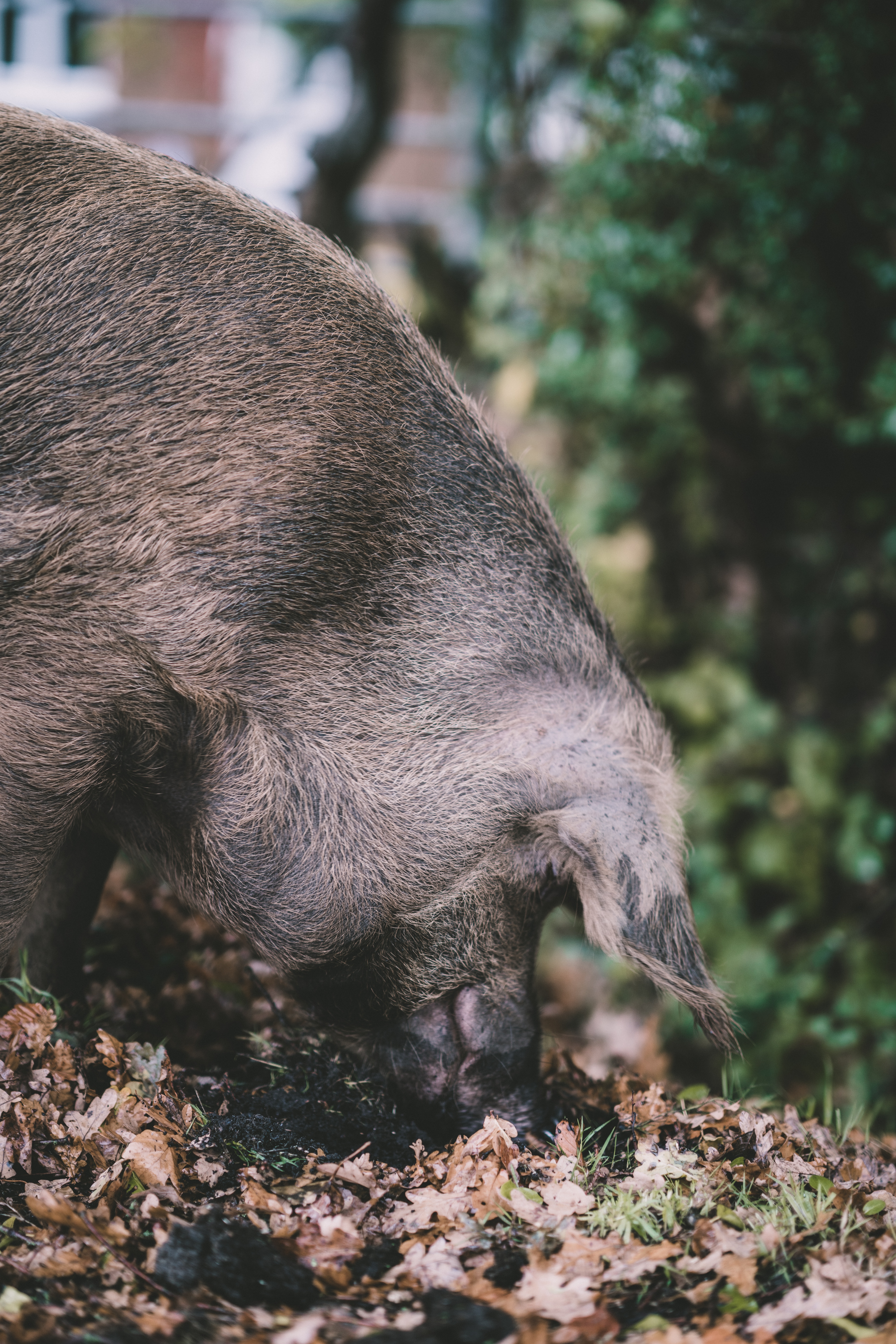
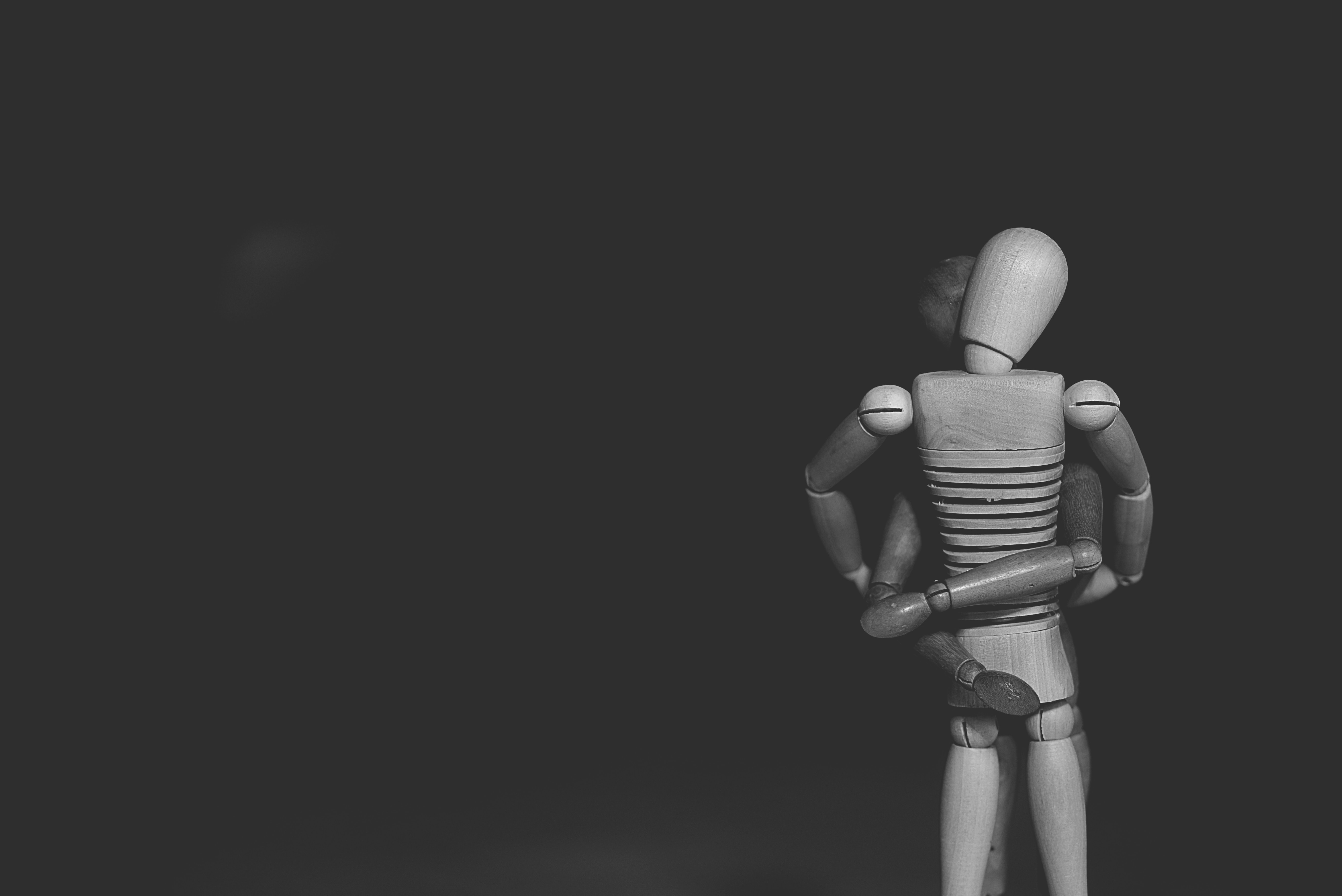
Jonathan Little’s protagonist compares himself to a sow “nuzzling for black truffles” during the act.
George RR Martin famously – and egregiously – broke the cardinal rule of writing sex when he vividly described Samwell Tarly’s penis as a “fat pink mast”. As Booker Prize judge Lucasta Miller explains, a trap so many writers seem to fall into is describing sex in a way that it reads “like a biology textbook […] when people use similes and metaphors in their anatomical depictions of the sexual organs, it’s toe-curling and embarrassing.”
So why do so many men keep making the same mistakes, year after year, in book after book?
In some cases – such as with 2015 Bad sex award winner Morrissey – it can seem as though the male writer barely understands what human beings are; let alone how they make love. The former Smiths frontman was singled out for the following particular passage:
“At this, Eliza and Ezra rolled together into the one giggling snowball of full-figured copulation, screaming and shouting as they playfully bit and pulled at each other in a dangerous and clamorous rollercoaster coil of sexually violent rotation with Eliza’s breasts barrel-rolled across Ezra’s howling mouth and the pained frenzy of his bulbous salutation extenuating his excitement as it whacked and smacked its way into every muscle of Eliza’s body except for the otherwise central zone.”
“Full-figured copulation”
But regardless of how anyone could think it possible for breasts to barrel roll – or whether anyone really definitely knows what “the otherwise central zone” refers – the real reason men can’t seem to write about women is that they still don’t understand that sex – both in real life and in fiction – requires two people (at least) to be effective. And that requires the ability to both see the other person involved as your equal, and to see things from their perspective.
This, it should be clear to everyone by now, is not something that comes easily to men – least of all the (usually CIS, privileged and white) men who make up the Bad Sex in Fiction award shortlists.
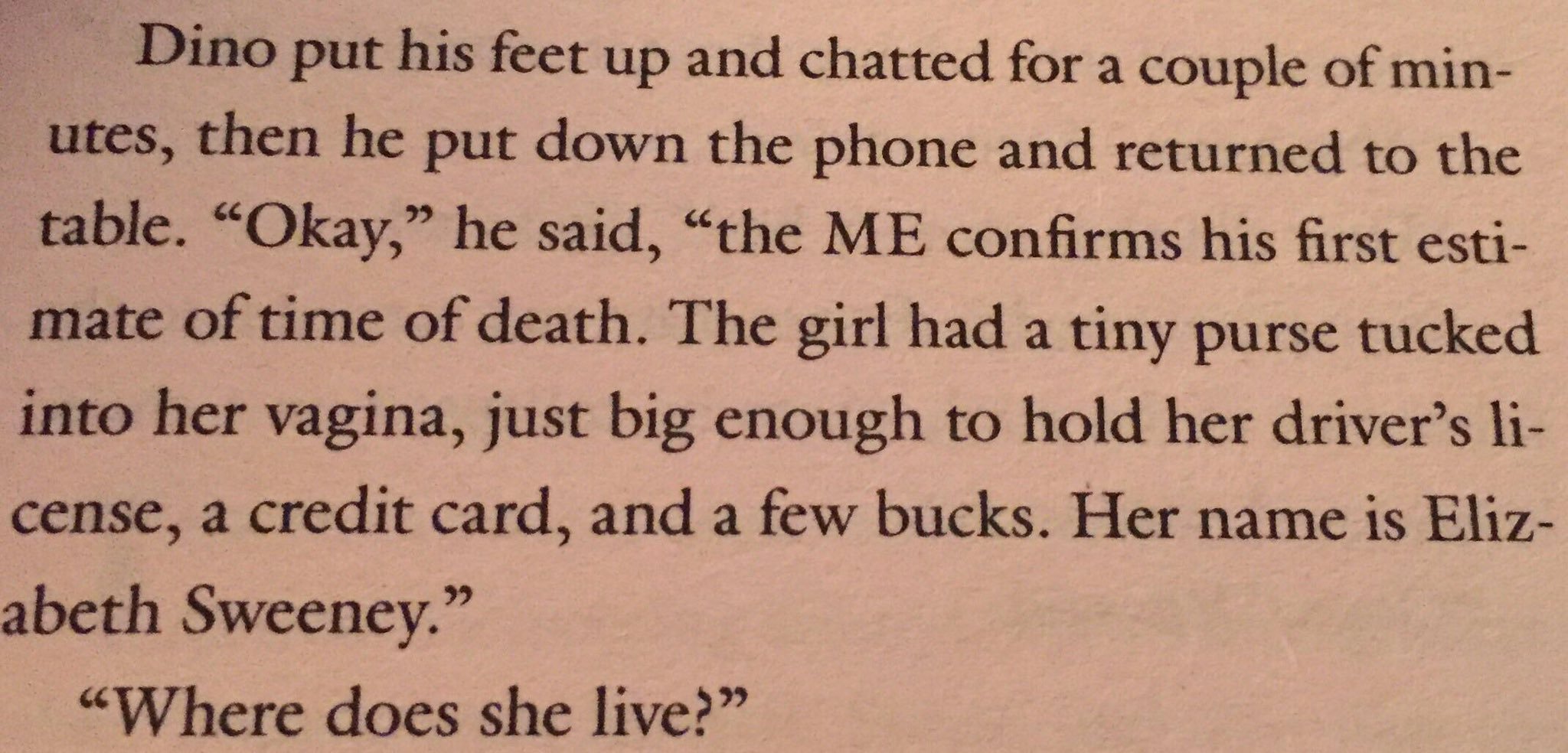
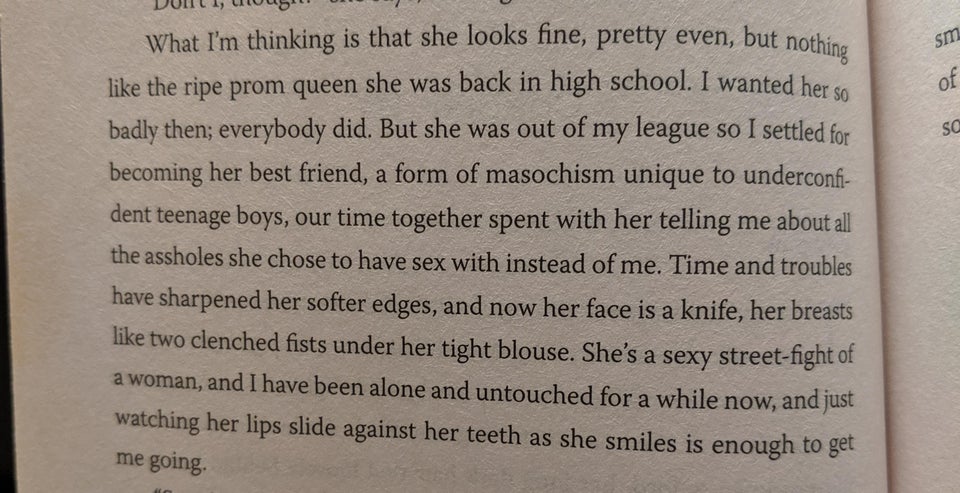
But, as evidence to these sorts of statements is often helpful, let us look no further than the remarkable vaults of Twitter and Reddit’s Men Writing Women threads. These showcase the scale of the problem, pointing out real-world examples where men have tried (admittedly, perhaps not that hard) to describe a female character and failed spectacularly. The following are just a few examples:
Because apparently all women keep their purses…tucked…in their…vaginas? (thanks, Stuart Woods)
Because women’s breasts definitely look like fists…
Reading these threads (or indeed, casting your mind back to many works of fiction throughout history), you quickly realise that there is an ‘attractive woman’ trope that rears its head again and again. These women are easily identifiable in the way they are almost unattainably attractive – and how they will frequently either be studied by a male protagonist (or, indeed, study themselves in a mirror if they are the narrator) and remark on their physical appearance, usually with comparisons between their different body parts to different pieces of fruit.
Too frequently, male authors revert to describing the anatomy of their female characters through random comparisons to fruit.
By creating these essentially empty vassals of characters, male authors are bound to end up writing bad sex scenes, because one half of the partnership necessary to have good sex isn’t present. Thus, no matter of misplaced imagery can help insert the frisson or spark that makes a fictional sex scene feel in anyway real. And you end up with things like Scoundrels: The Hunt for Hansclapp by Major Victor Cornwall and Major Arthur St John Trevelyan, which was shortlisted for the 2018 Bad Sex in Fiction Awards:
“Empty my tanks,” I’d begged breathlessly, as once more she began drawing me deep inside her pleasure cave. Her vaginal ratchet moved in concertina-like waves, slowly chugging my organ as a boa constrictor swallows its prey. Soon I was locked in, balls deep, ready to be ground down by the enamelled pepper mill within her.”
Anyone would be bound to enjoy having their “organ” chugged like a “boa constrictor swallowing its prey”. Photo credit: David Clode.
So then, perhaps part of the reason men can’t seem to write about sex is that it is part of a wider problem where men struggle to write female characters that aren’t two-dimensional ciphers for male characters to either kill, fuck, or ‘mansplain’ things to (or some combination of all three).
It may be, as Guardian journalist Rhiannon Rhys Cosslett suggests, that male authors simply cannot be bothered to empathise with women or to think about what it must be like to be a woman. She goes onto pose a serious question for men who write about both sex and women, asking:
“Can you really be considered a great novelist when, in writing characters of a gender that makes up 50% of the population, you consistently fail?”
So what are men supposed to do about this?
Thinking about all this, the answer to the above question really should be simple. Men just need to understand the (apparently revolutionary) concept that women are people.
If you can manage to understand ladies, and what they like, that helps: it avoids unnecessary penetration metaphors and gets across the idea that everyone’s enjoying themselves. If you can understand that women like to fuck; and not just be fucked, that helps. If you can recognize that sex requires an actual living person to do it with you, that’s a big step; because otherwise all you’re ever going to end up describing is a scene where a man makes love to a picture-perfect (though sometimes anatomically unrealistic) sex doll.
If you aren’t able to do this, and you’re not willing to try and understand how women think, act, and make love; then everyone of your readers will be able tell that you’re faking it.
It can be done
Believe it or not, there are – remarkably – some male authors who not only understand that women are actual human beings; but are also able to write really good sex scenes. You can pick up anything by Larry McMurtry or Michael Cunningham. Nick Brooks, who wrote the sexily delicious volume, Sexy Haiku also deserves checking out. And while Sebastian Faulks has sometimes erred in his sexual description, he is well thought of in many circles for writing well-realised female characters – as well as one of the most successfully kinetic sex scenes in literature in Birdsong.
And, lest we forget to acknowledge that sometimes women can be just as bad at writing about sex as men, look no further than Rosa Mundi, and this particular passage in her novel, Vocational Girl where she writes of a blow-job: “I like the feeling of my lips being stretched, the incorporation of the chthonic male other into the mouth from which I speak, the head from which I think, the face which is my polite persona in the non-sexual intercourse of polite society.”
It’s true that writing about sex is hard work; but then, just as with real sex, it seems the trick is to put the effort in.
Few writers consistently and exuded as much visionary force as beloved author Toni Morrison, who has died today at the age of 88. The author of 11 novels, she won the Nobel Prize for Literature in 1993, having published her first novel, The Bluest Eye, in 1970.
As the tributes to this towering force within literature flow in, we have gathered together some of her finest pieces of advice – for writers, as well as for human beings.
1. The past is not over
In what is perhaps the finest ‘commencement’ address of all time, in her speech at Wellesley College in May 2004, Morrison considered the insufficiency of blindly turning to the past in remedying the present:
“The past is already in debt to the mismanaged present. And besides, contrary to what you may have heard or learned, the past is not done and it is not over, it’s still in process, which is another way of saying that when it’s critiqued, analyzed, it yields new information about itself. The past is already changing as it is being reexamined, as it is being listened to for deeper resonances. Actually it can be more liberating than any imagined future if you are willing to identify its evasions, its distortions, its lies, and are willing to unleash its secrets.”
2. Reject labels
In that same speech (which is full of timely, and at the same time, ageless, advice), the author also turns her attention to the idea of identity – and the importance of deciding who you are for yourself:
“You don’t have to accept those media labels. You need not settle for any defining category. You don’t have to be merely a taxpayer or a red state or a blue state or a consumer or a minority or a majority.”
3. Fail creatively
In an interview with NEA Arts Magazine, Morrison acknowledges one of the certainties of life (particularly of a writer’s life) – failure. And how to define your own relationship with it.
“As a writer, a failure is just information. It’s something that I’ve done wrong in writing, or is inaccurate or unclear. I recognize failure—which is important; some people don’t—and fix it, because it is data, it is information, knowledge of what does not work. That’s rewriting and editing.
With physical failures like liver, kidneys, heart, something else has to be done, something fixable that’s not in one’s own hands. But if it’s in your hands, then you have to pay very close attention to it, rather than get depressed or unnerved or feel ashamed. None of that is useful. It’s as though you’re in a laboratory and you’re working on an experiment with chemicals or with rats, and it doesn’t work. It doesn’t mix. You don’t throw up your hands and run out of the lab. What you do is you identify the procedure and what went wrong and then correct it. If you think of [writing] simply as information, you can get closer to success.”
4. Find out how to release your imagination
In an interview with The Paris Review, Morrison muses upon the most effective ways of unleashing your imagination and your creative juices.
“I tell my students one of the most important things they need to know is when they are their best, creatively. They need to ask themselves, what does the ideal room look like? Is there music? Is there silence? Is there chaos outside or is there serenity outside? What do I need in order to release my imagination?”
5. Never forget the importance of writers to mankind
“Writers — journalists, essayists, bloggers, poets, playwrights — can disturb the social oppression that functions like a coma on the population, a coma despots call peace, and they stanch the blood flow of war that hawks and profiteers thrill to.
[…]
Certain kinds of trauma visited on peoples are so deep, so cruel, that unlike money, unlike vengeance, even unlike justice, or rights, or the goodwill of others, only writers can translate such trauma and turn sorrow into meaning, sharpening the moral imagination. A writer’s life and work are not a gift to mankind; they are its necessity.
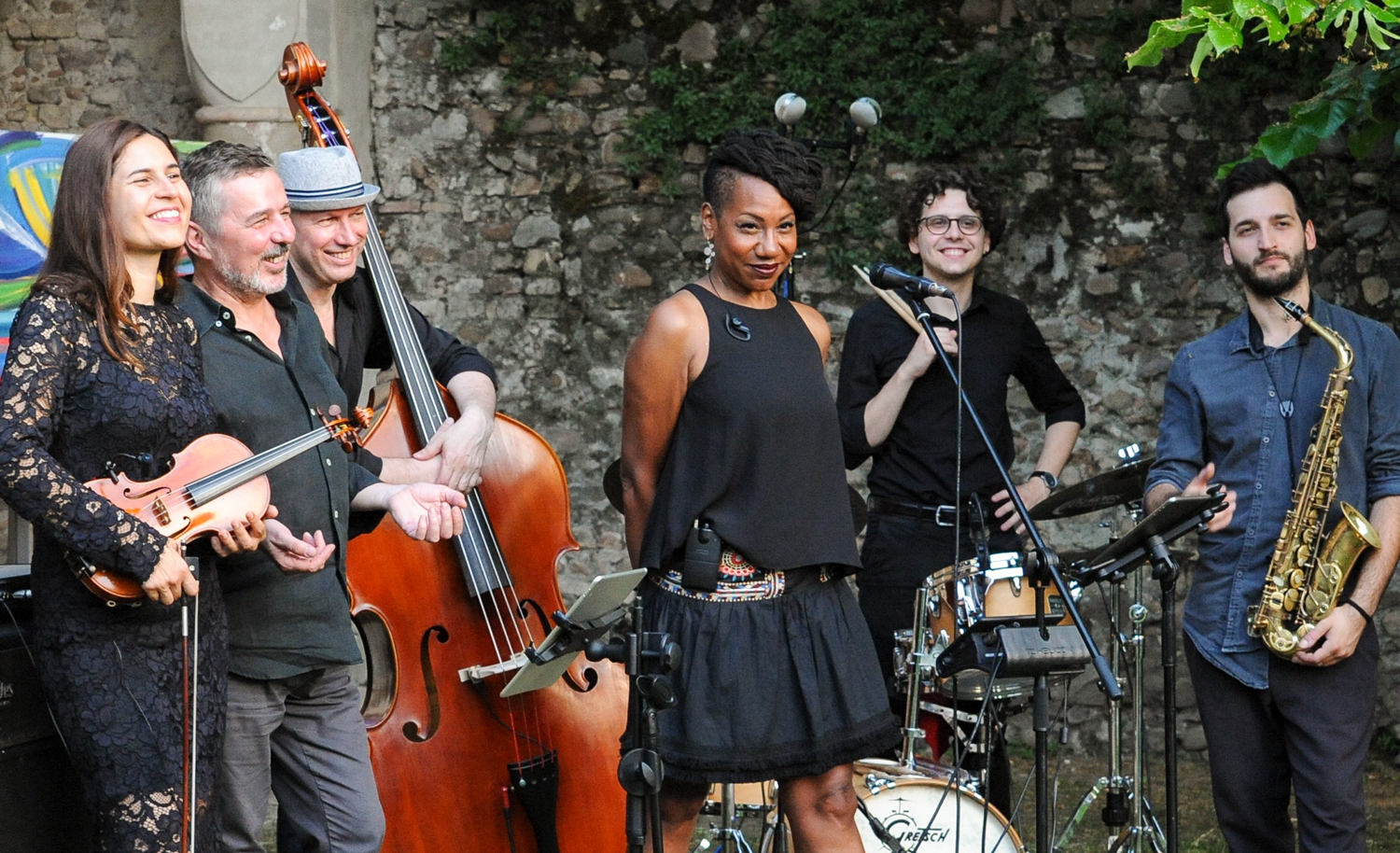
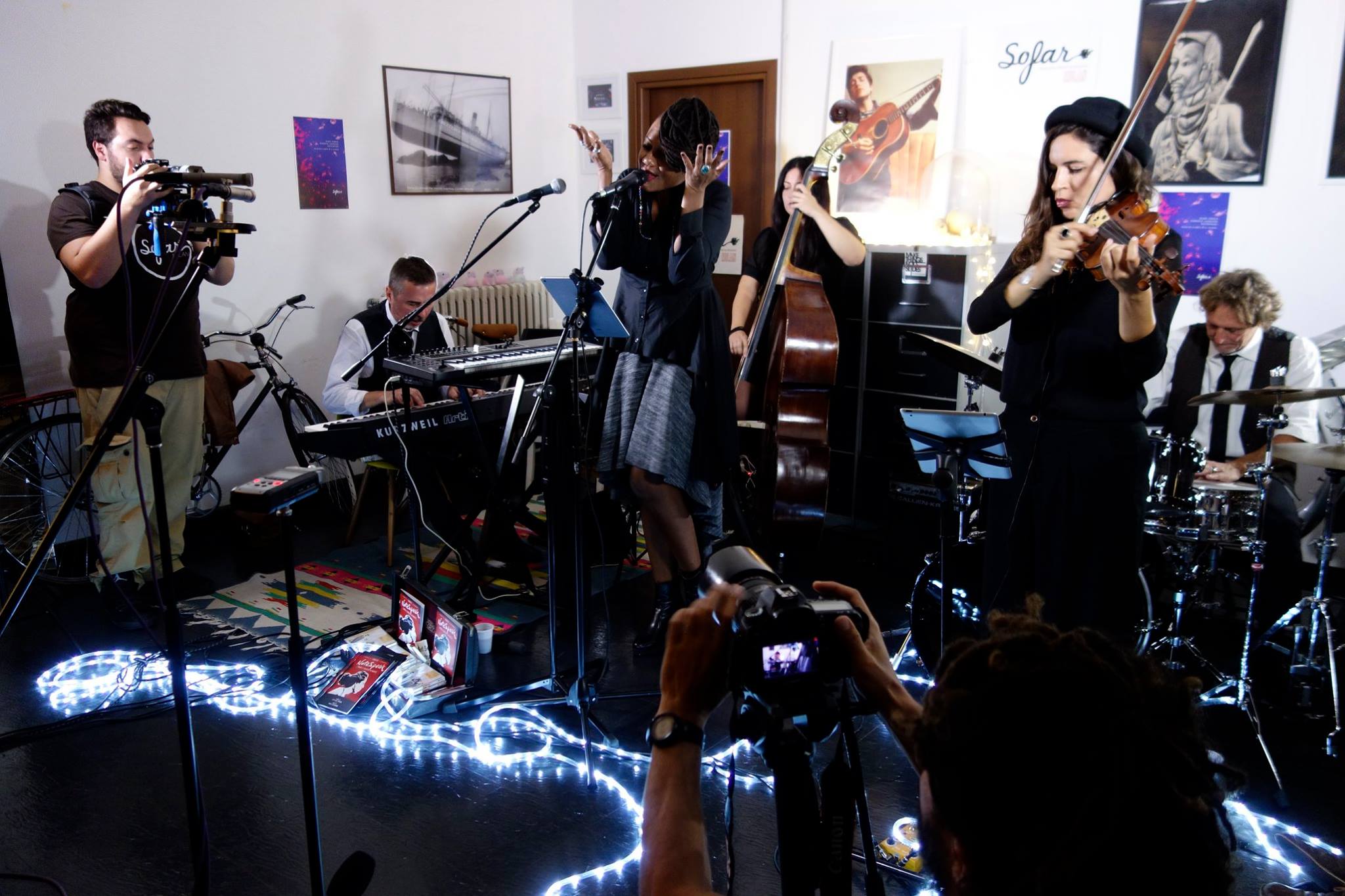
NoteSpeak Touring Band – Laura Masotto – Violin, Marco Cremaschini – Keys, Marco Cocconi Upright Bass, Federico Negri – Drums Manuel Caliumi- Alto Sax. Photo Credit Monica Polato
I was filming a video for my new project NoteSpeak the other day. It’s another niche band which seems to be my specialty. I cannot for the life of me seem to hit the sweet spot where I can get on that festival circuit and have MTV knocking at my door while maintaining my artistic integrity and yet I manage to make a living.
As a young’un, I was part of a project which had no imagination and no goal if not to make as much money for its producers as possible. Inexplicably, it climbed up some charts and I spent a year touring around Europe lip-synching to it and feeling as though my soul had been irretrievably sent on to the highest bidder before I bowed out to focus on bettering my craft.
I worked on my skills in all regards; composing, singing, piano, writing, for a few years. After all, you can never stop trying to grow as an artist – we’re all constantly learning.
Eventually, I put together a band I was really proud of.
When I sent Hippie Tendencies songs to pop festivals, I received the comment more often than not that it was “too jazz”. So, we sent it off to jazz festivals. And, yup, we were told “it’s too pop”. Anyway, here I am, an American singer/songwriter based in Italy, and I’ve got this new band – album called NoteSpeak to be released in 2020 (little plug there, I’m an indie musician dude what do you expect?). We’ve just gotten a booking agent and signed a contract with our dream indie label. The coolest of the cool. Honest family vibe but contenders. Er that’s a hint. Nestling into that sweet spot I’ve been seeking.
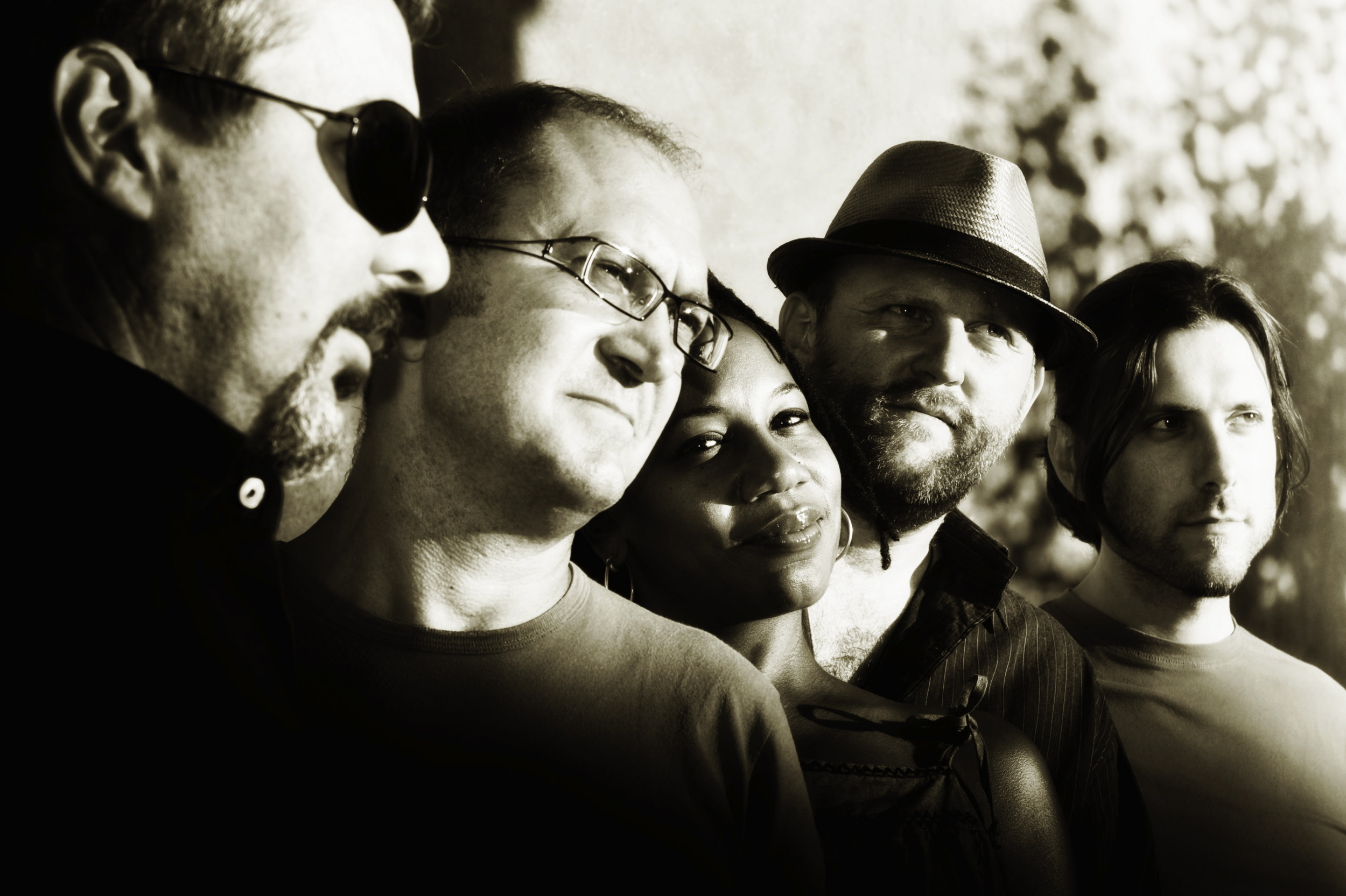
Hippie Tendancies – Marco Cremaschini, Cesare Valbusa, Lisa Marie Simmons, Massimo Saviola, Christian Codenotti. Photo credit Rocco Delillo
It’s a new project, and everyone needs new content – photos and video to help position us for those coveted festival slots in summer 2020. We set up a live video in a great location and, being part of an artistic community, we are helped along the way by others – as always, there’s no such thing as truly ever ‘going it alone’. We all rely on others to help us out from time to time.
So, we set up and get a nice friendly little audience. When we finish shooting, this 14 year old kid has some questions for me.
“Why do you have to shoot each song 2 or 3 times? I loved it the first time but I don’t want to hear it right away again! That was sooooooo long. I just wanted to get to “Decapitation Blues.””
Of course he did, he’s 14, anyway when he asked, “Do you REALLY believe that there can be peace on earth like you were talking about in ‘Every Generation’s War’?”
Okay I know I know this is sounding like one long plug, but it’s relevant I swear! When he asked me that, I turned cartwheels in my brain and heart, while trying to maintain my cool – ‘cause you know I want this teenager to hear me; but the excitement I was downplaying? The cartwheels? Those were all happening because, well, that is why I write. That question and our subsequent conversation encapsulated why I possess this striving desire to mirror society in the most humane egoless way possible. Encouraging people to consider something they never have before or another point of view, perhaps even to take action where they might never have contemplated doing such. That is ambrosia for me. That is everything.
So we sat and I told him what I thought: that humans have the capacity to evolve in a meaningful and positive way; that just because we’ve always fought each other doesn’t mean we always will. I pointed him to Vision of Humanity to illustrate the fact that there are intricate studies being made to determine what makes a peaceful nation, we spoke about other resources, there are so many, built by the millions of people who do believe we can achieve it and are going about finding new ways of being human. His question, though sincere, was posed in a bit of a snarky matter, as a 14 year old is wont to be, but by the end of the conversation he was thinking, really thinking about whether he might be wrong, whether there is a possibility that we change what is considered the inevitability of the human fate.
There are several essential differences in those two projects I’ve mentioned. In Hippie Tendencies I was singing songs and with NoteSpeak I’m declaiming, singing a bit too but mostly it’s poetry. Several important distinctions being questions of space, rhythm, and meter. With a song you can only say so much, you must keep to the melody as well as to the meter. While there are many famously epic ballads, generally speaking, songs tend towards the more concise, whereas spoken word allows more words to be employed.
Crafting lyrics
Beyond the craft behind constructing a song or a poem, and all which that entails lyrically and musically (there’s yet another post for another time!), songwriting is often about making a personal experience universal. If one wishes to reach a broad audience, many folks must be able to see themselves or their ideals reflected in that song allowing them to relate to whatever it is one is chirping on about. In contrast, spoken word is a much more directly expressive vehicle. The very nature of the art form is that it is confrontational and holds nothing back.
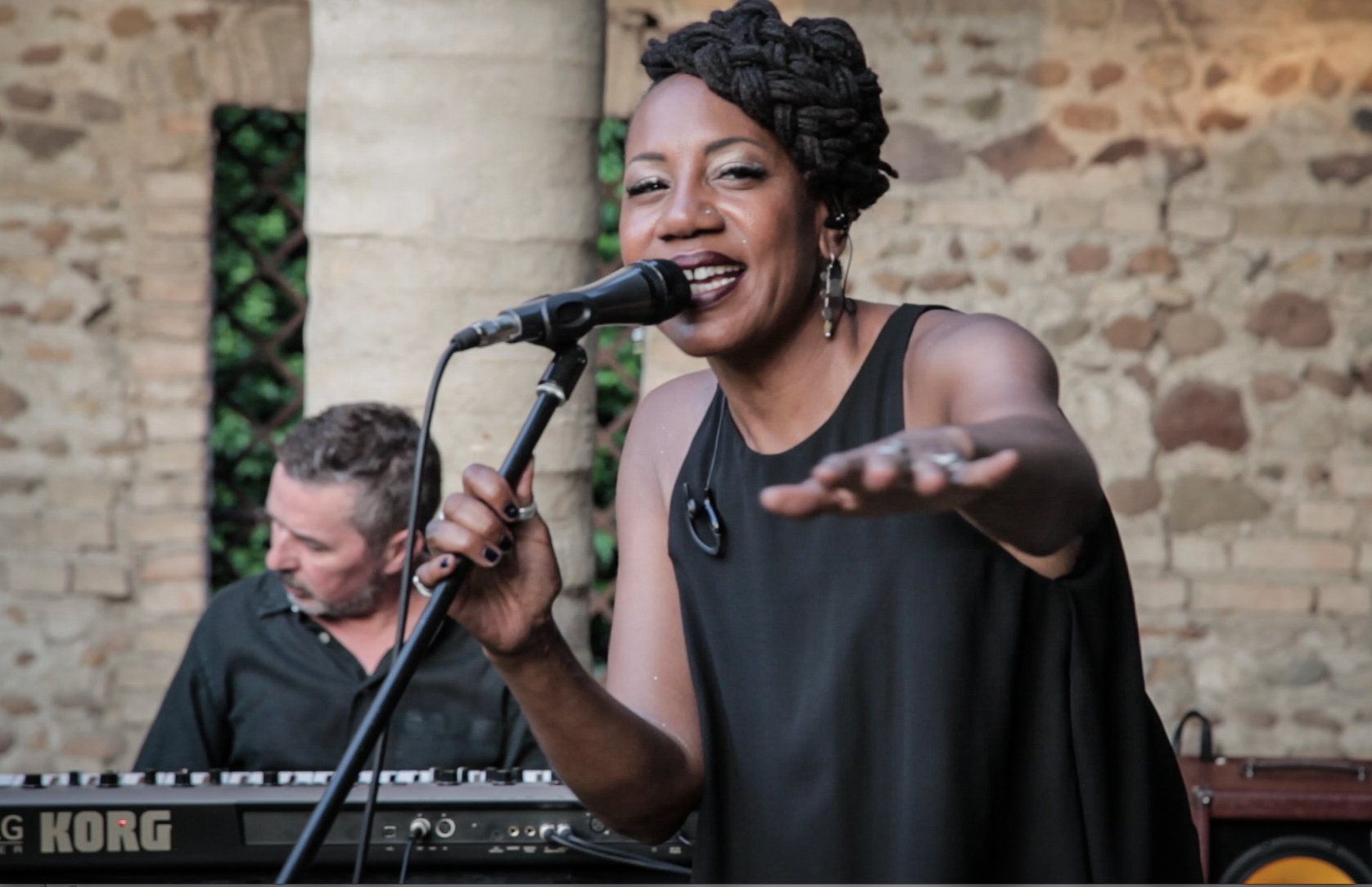
Lyrics in action. Photo credit Elena Tagini
Marco Cremaschini is my writing partner, my muse, my love. While he and I continued to compose songs for HippieTendencies and toured with the band to the States in support of our first self-titled album in 2011, something else was brewing. The writing process of that HT album, with Marco as a partner, continued to be revelatory. We collaborated in many different ways. While I was primarily the wordsmith and he the melody maker, we were both happy to exchange roles some of the time.
He’d give me bars of melody which seemed to inspire me instantly, at other times I’d have a strong melody and play it for him with the song pretty much written, thinking it sounded pretty damn good and he would take it – make some chord changes, fiddle the arrangement – transforming and elevating the composition to such a degree that, much to my dismay, I could no longer play it. Often I’d be working on a similar sound or feeling to whatever he’d passed on and whatever lyrics I had would just slot right into his melodic line.
We both dreamed songs and woke up in the dead of night to scribble the ideas down before the grey dawn could snatch them from us. The night he dreamt of “Shame on You”, he sat bolt upright and ran from the room to the piano, beyond excited, mumbling the hook until he got to the piano and started composing. He pretty much wrote the entire song that night and then gave me the title as my launch pad for the lyric, which also followed incredibly quickly.
Writing space
My writing room sits perched at the very top of our house where I can pretend that I am in a lonely garret, while the Maestro is two floors below in our home studio/spaceship, which is filled to bursting with the baby Schimmel, the Hammond, the Rhodes Suitcase, guitars, drum kit and more keys keys keys of every kind imaginable.
I painted my study walls brick red as soon as we moved to our house here on the lake. That deep dark color feels womblike and enveloping… makes this room safe and warm, while conveniently encouraging my bohemian fantasy.
Marco soundproofed the studio and covered the walls with old album covers and ordered vintage Star Trek posters from America; only the original series would do. Atmosphere for his own cockpit. Those were literally our priorities in an empty house.
Sitting at my desk writing; with the faint strains of Marco’s sometimes melancholic, sometimes raucous, yet always sublime notes providing the soundtrack to my day, makes me feel as though everything I’ve ever wanted, everything I’ve ever needed is at hand. Marco is as committed to realizing himself fully as pianist and composer as I am committed to growing every day as a writer. The execution of our disciplines defines us; it is as comforting as it is inspiring to have his company.
Composition
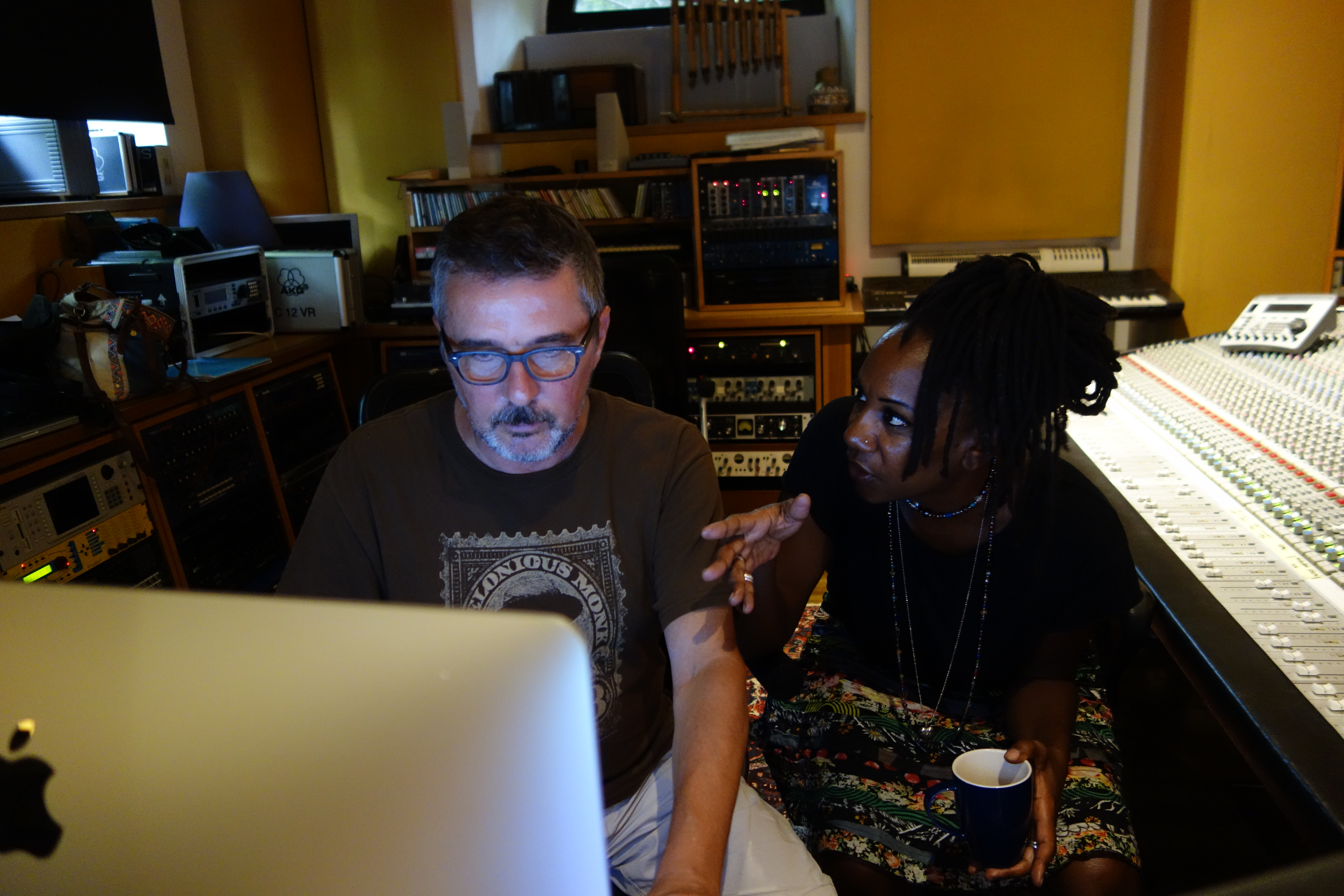
NoteSpeak began with that. His compositions, as I sat agonizing over every word in the day’s poem, somehow started to mingle with whatever truth I was seeking to record. We’d meet, as we still do, at the dinner table and compare notes. We trade our work constantly. He is always my first reader, I am always his first listener.
I wrote a poem called A Fazioli while listening to him play and remembering those outrageously tender days when we first realized we had fallen for each other. Fallen irretrievably deep into one another, no coming up for air nor any desire to do so. Every time I see a couple sealed together at the lips… I smirk at the memory of how useless every other person on the planet instantly became to us in our insularity. We were outrageously rude, going out in the company of friends and ignoring everyone present, intoxicated and smug. Speaking our own language that we were inventing. Feeling, like love’s young dream always does, that we were pioneers. At any rate, I wrote that poem…
Hippie Tendencies was clicking along nicely thank you very much and we were enjoying that peculiar band family thing where you hate each other and love each other in one hot steamy mess. We had all sorts of adventures that deserve a few of their very own blog posts for another day. At any rate on H.T.’s second album, we had experimented with combining two songs from Joan Baez and Ennio Morricone’s soundtrack for the film Sacco and Vanzetti. “The Ballad of Sacco and Vanzetti” and “Here’s to You” are famously based on letters that are attributed to Bartolomeo Vanzetti. Letters written to his father and to Nicola Sacco’s son as they waited to be executed. We were struck by the parallels of Sacco and Vanzetti’s story and the pervasive amnesia of Italians who perpetuate similar intolerance today and so decided to pay homage. Ending up with a song that relied heavily on improvisational jazz – though we recorded it we’ve never played it live the same way twice. Rather than adapting or changing the existing vocal melodies we decided that I would not sing it but would speak the lyric, shout it, proclaim it. Rather unexpectedly our interpretation became one of the most requested songs at H.T. shows and we were inspired to continue working in that vein.
So back to A Fazioli… When I gave it to Marco to read he almost immediately composed an accompanying piano score for it. The day we recorded it in the spaceship I recited while he played. The alchemy created as we listened to one another felt like the deepest magic and the song from the first take meshed perfectly. With a recitation, all the signposts we usually rely on to communicate musically are gone, yet somehow we both reached the end of the road that night perfectly in synch.
NoteSpeak. Photo Credit Elena Crisanti
Each of the songs on NoteSpeak has its own story. Some started from the poem, some began with Marco’s music but from the outset, we were dedicated to making sure that they were one entity. Not poems with background music. Though the music could certainly stand alone, as well as the poems – their worth is exponentially greater entwined, just as our lives are.



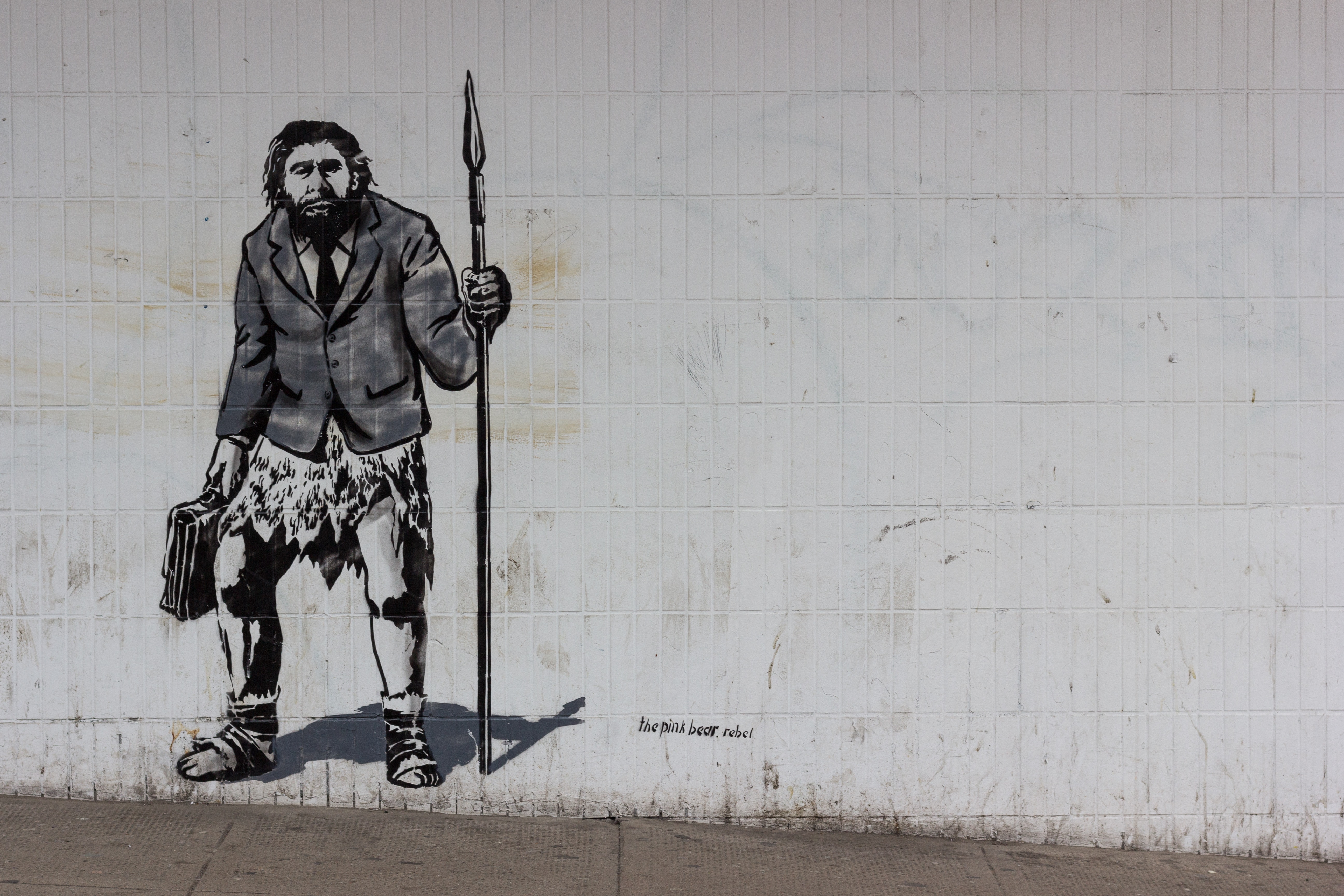
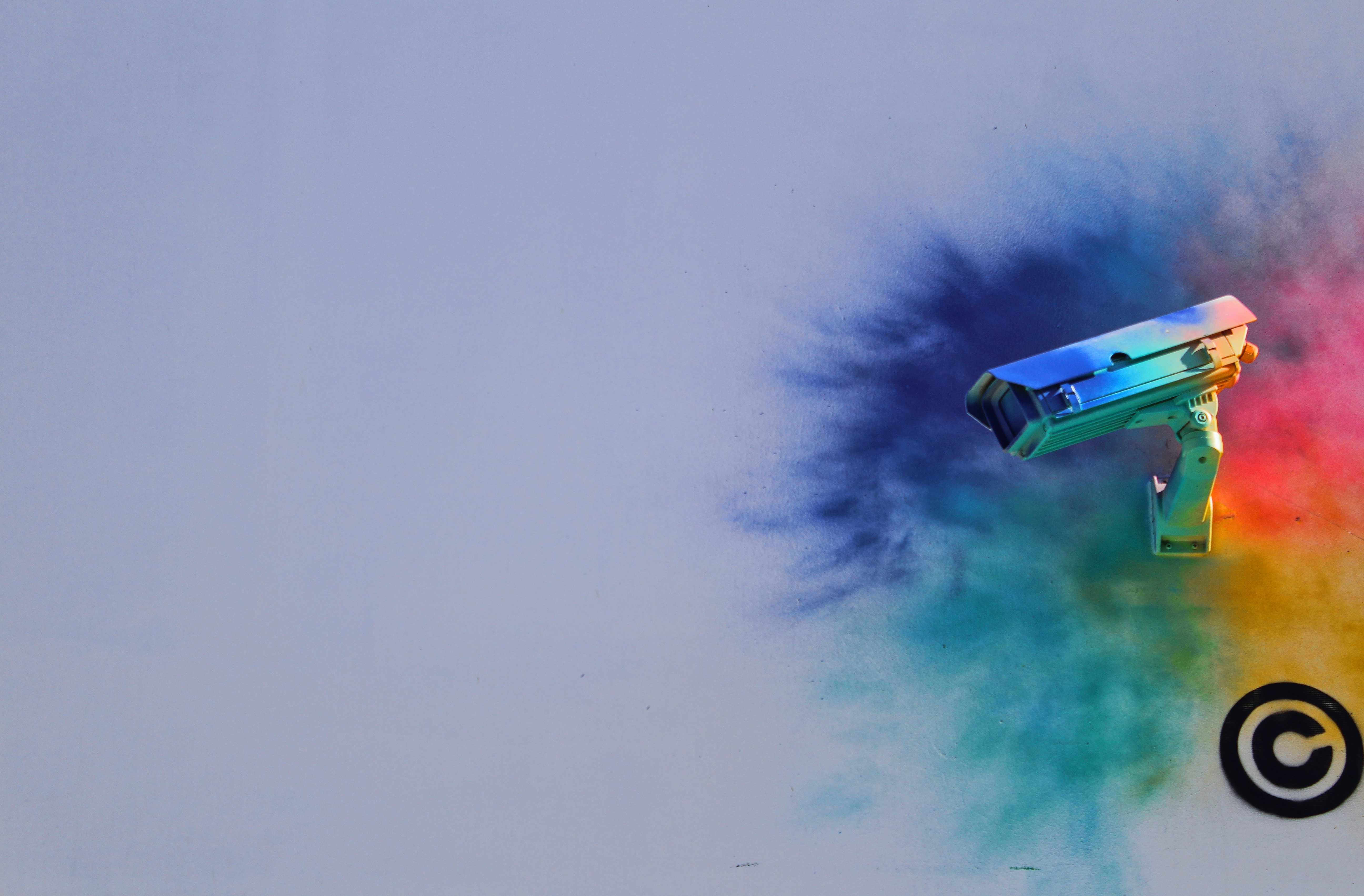
 Bee Willey is half French and returned to the UK to be an illustrator and has worked in the publishing field for thirty years.
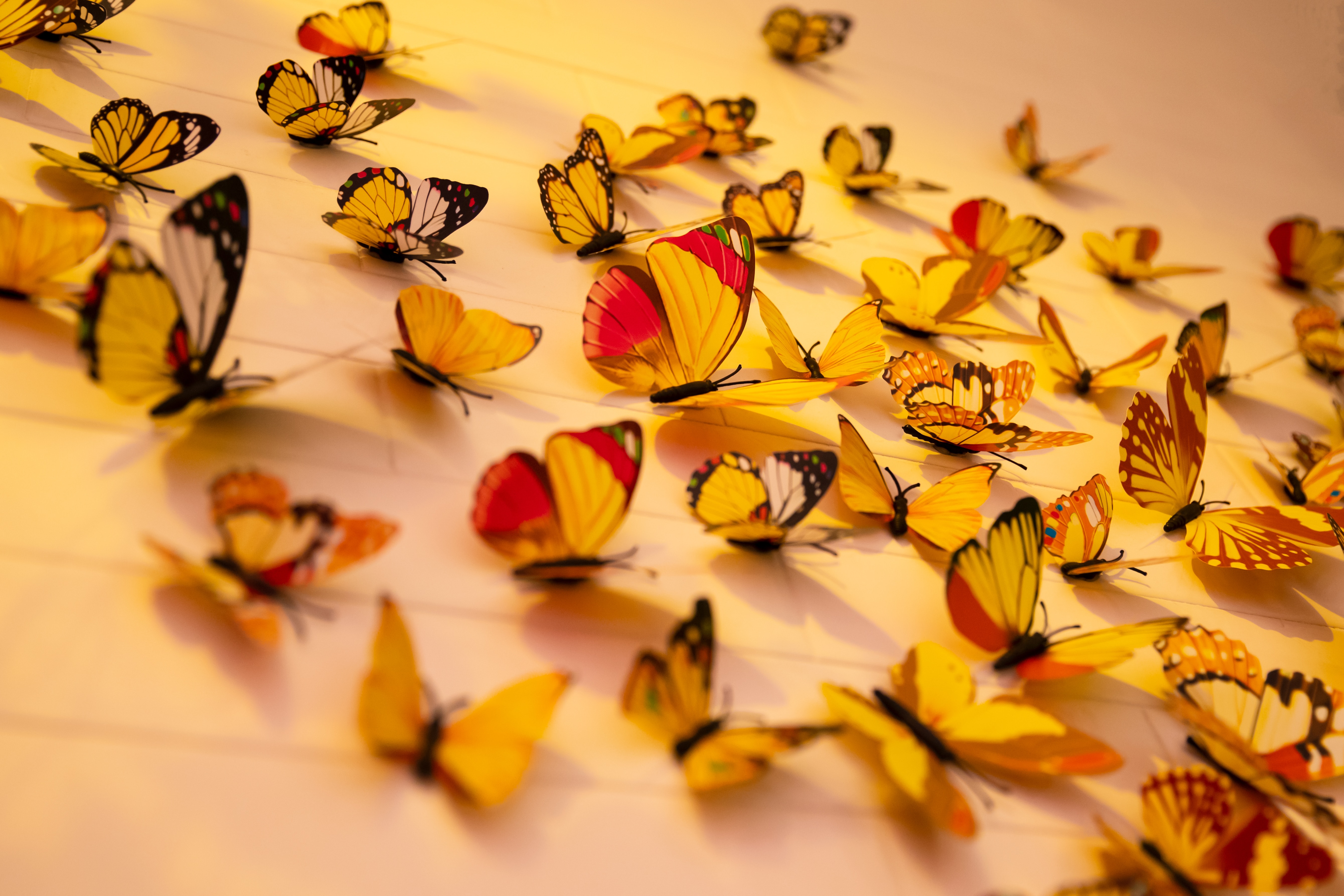
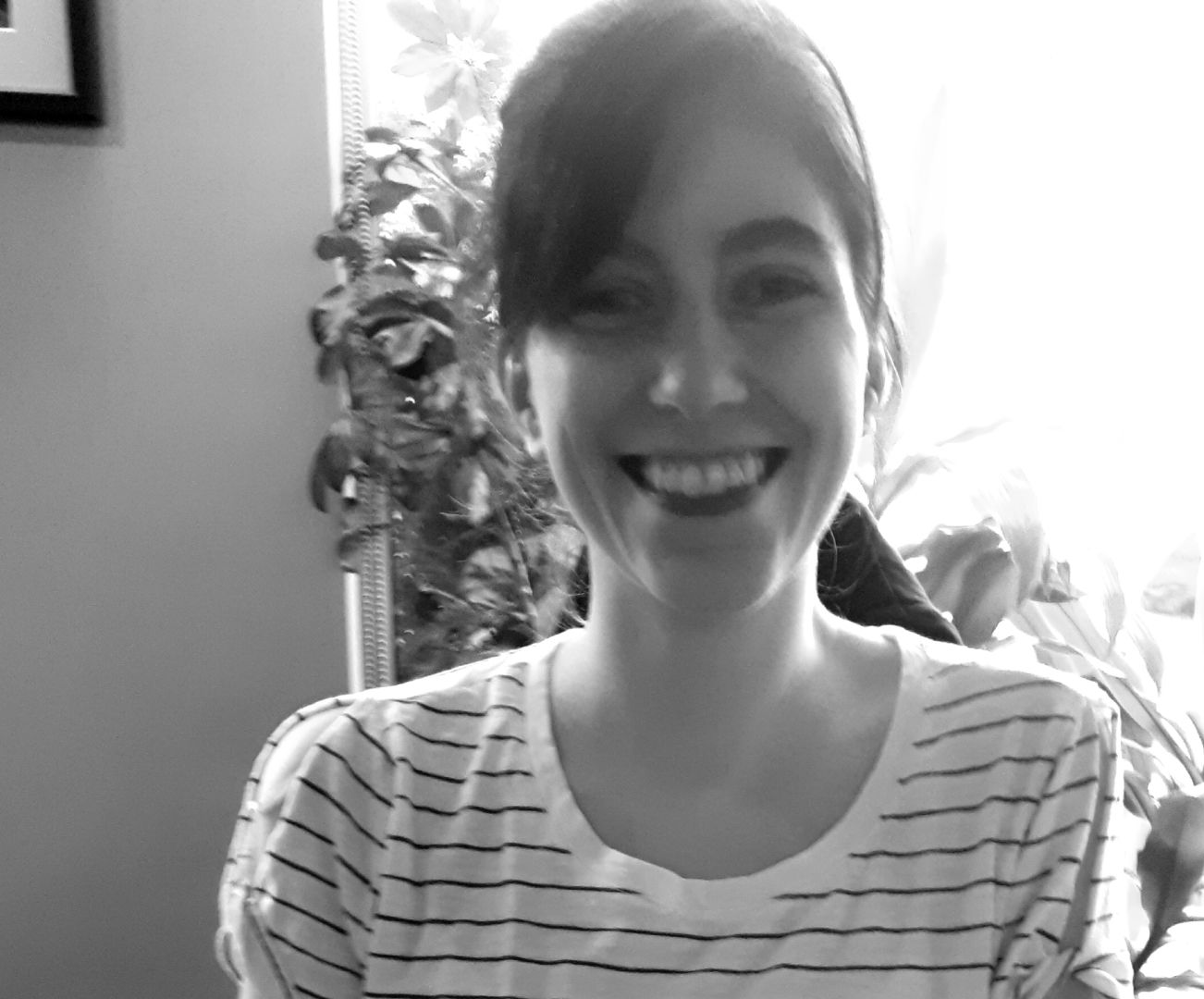
 Aaron Novick is an assistant professor of philosophy at Purdue University. His poetry has appeared in Notre Dame Review, The American Journal of Poetry, Dunes Review, and elsewhere. He tweets as

 Jennifer Roberge is a ponderer and prose-maker getting her bearings in northern Canada. Her current challenges include bringing out her inner world and confidently designing her life to meet her values. Much of Jennifer’s productivity occurs between long periods of hibernation, as a lifetime has not adapted her for Canadian winters.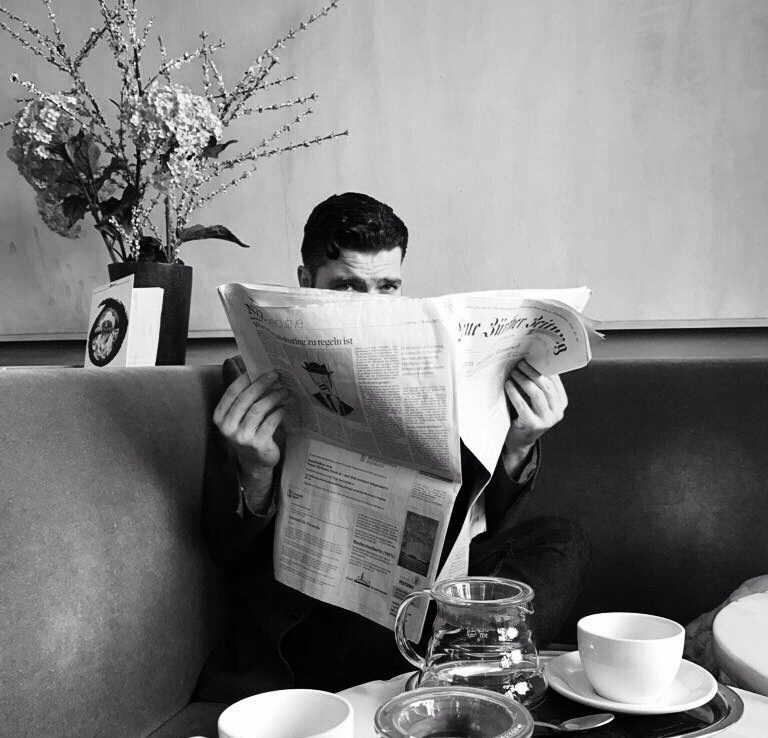

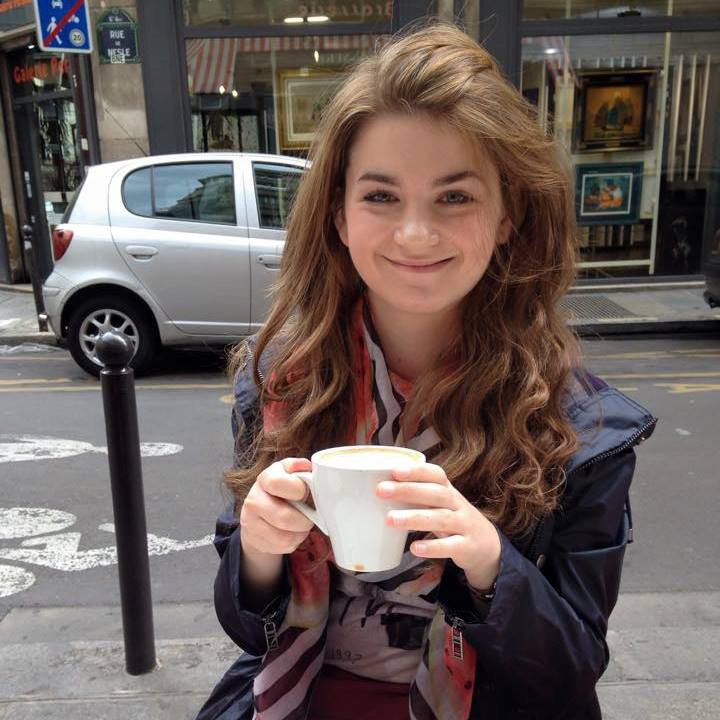 Ellen Lavelle is a post-graduate alumni of The University of Warwick’s Writing Programme. An aspiring novelist and screenwriter, she has worked with The Young Journalist Academy since the age of fourteen, writing articles and making short films for their website. She’s currently working on a crime novel, a historical fiction novel and the script for a period drama. She interviews authors for her blog and you can follow her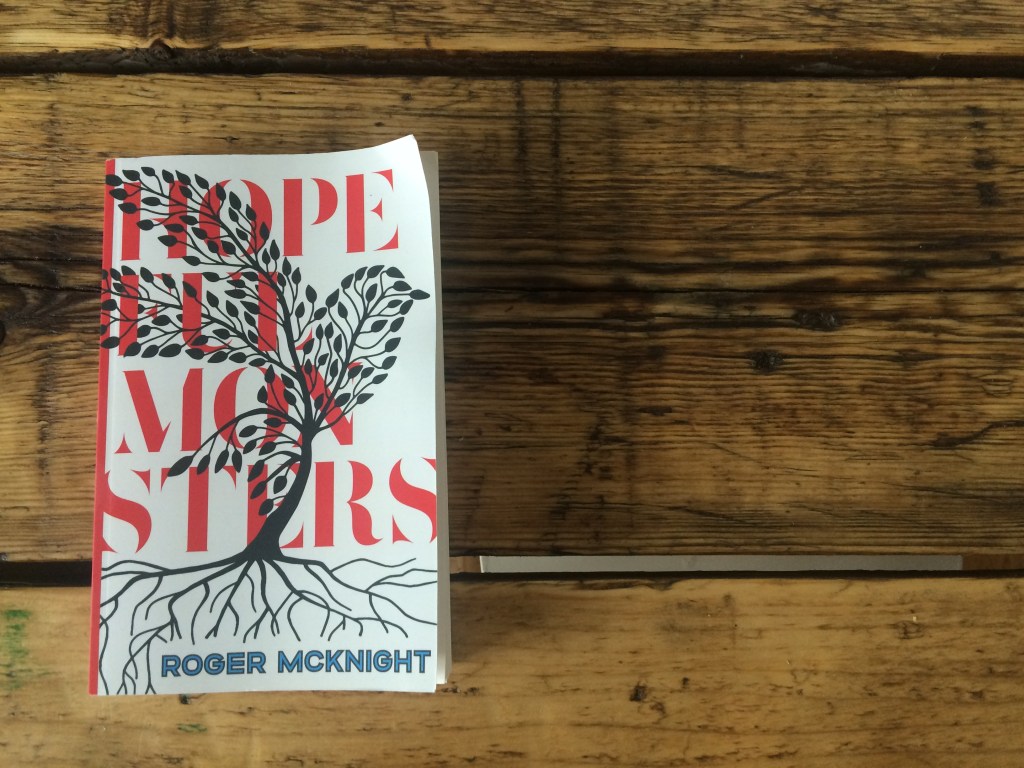






 nothing in the rulebook