• Book obsessed: the 430 books of Marilyn Monroe’s personal library
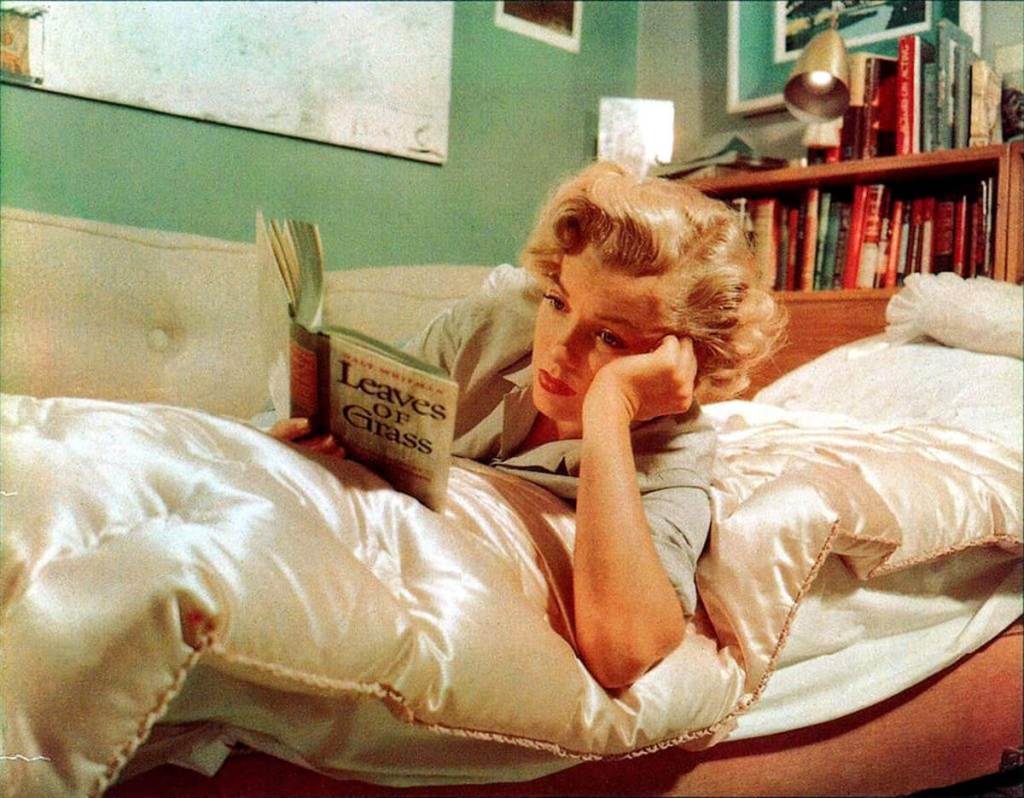
    Marilyn Monroe, photographed by Eve Arnold, 1955.

    What is the first photograph that comes to mind when you think of Marilyn Monroe? Sam Shaw’s subway grate photo, or Eve Arnold’s image of the superstar in a playground in Amagansett reading James Joyce’s Ulysses?

    Of the two, we know which Monroe herself would have preferred you to remember – thanks to the collection of poems, notes and letters she wrote that have been collated together in Fragments, a book first published in 2010 and edited by Stanley Buchthal and Bernard Comment.

    As Sam Kashner, in a review of Fragments for Vanity Fair, notes:

    “If some photographers thought it was funny to pose the world’s most famously voluptuous ‘dumb blonde” with a book—James Joyce! Heinrich Heine!—it wasn’t a joke to her. In these newly discovered diary entries and poems, Marilyn reveals a young woman for whom writing and poetry were lifelines, the ways and means to discover who she was and to sort through her often tumultuous emotional life. And books were a refuge and a companion for Marilyn during her bouts of insomnia.”

    Indeed, it quickly becomes apparent, through both Fragments and other essays and articles available online, that Monroe was so much more than this “dumb blonde” image many men – including her husband, the playwright Arthur Miller – seemed to think she could never be more than. And it turns out that, despite “bowling over” novelist Saul Bellow during a dinner for the premiere of Some like it Hot with her intelligence and wit, Miller wrote in his diary that he was “embarrassed” and “disappointed” by her. 

    Unlike men, however, books do not scrutinize; they do not judge. The cares of the world can melt away as you discover entire new universes. And so it seems that Monroe sought solace in the world of books – becoming close friends with writer Truman Capote and amassing a personal library of some 430 books.
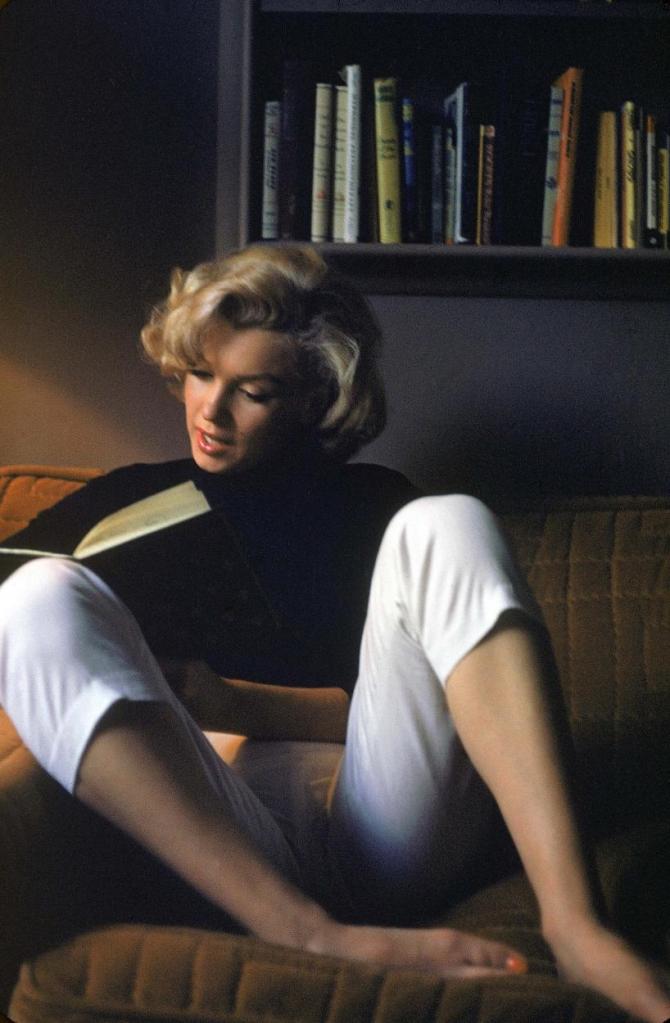
    Marilyn Monroe, photographed by Alfred Eisenstaedt.

    The photographer Alfred Eisenstaedt would capture Monroe in this happy literary cocoon for Life magazine, dressed in white slacks and a black top, curled up on her sofa in front of a shelf of some hundreds of her own personal books. In another photo, she reads the poetry of Heinrich Heine on a sofa bed.

    Now, there’s still possibly something both voyeuristic and essentially condescending about any perceived fascination with photographs of Monroe reading. As Feminist biographer Oline Eaton writes (in a really top rant on her Finding Jackie blog):

    “There is, within Monroe’s image, a deeply rooted assumption that she was an idiot, a vulnerable and kind and loving and terribly sweet idiot, but an idiot nonetheless. That is the assumption in which ‘Marilyn Monroe reading’ is entangled.

    The power of the phrase ‘Marilyn Monroe reading’ lies in its application to Monroe and in our assumption that she wouldn’t know how.”

    So, while you’re free to trawl through the some 18.4 million search engine results that you’ll find if looking for pictures of Monroe reading a book (and there are a couple in this article itself, of course), we wanted to focus instead on the literary world of Monroe herself.

    There are countless booklists out there; entire sub-reddits full of them. And we all have our own mountainous ‘To be read’ piles of books waiting to be opened, some of which we never will (but may lie about having read anyway). So while we can’t be sure you’ll read every single one of the 430 books in Monroe’s personal library – or even fully sure that she read every single one herself (after all, have you read all the books on your bookshelves?) – we’ve gone through the various resources on the intranet that compile the full list and collated the list here.

    The first 390 in the list are taken from auctioneer’s Christie’s, who, in 1999, sold these books from Marilyn’s personal library, a roster of classics ranging from Proust to Hemingway, which publicly solidified her intellectual identity and provided hard evidence against all those who claimed the plentitude of reading photographs were staged.

    How many of Monroe’s books have you read? Cross-reference your reading history with Monroe’s books listed here below:

    • 1) Let’s Make Love by Matthew Andrews
    • 2) How To Travel Incognito by Ludwig Bemelmans
    • 3) To The One I Love Best by Ludwig Bemelmans
    • 4) Thurber Country by James Thurber
    • 5) The Fall by Albert Camus
    • 6) Marilyn Monroe by George Carpozi
    • 7) Camille by Alexander Dumas
    • 8) Invisible Man by Ralph Ellison
    • 9) The Boston Cooking-School Cook Book by Fannie Merritt-Farmer
    • 10) The Great Gatsby by F Scott Fitzgerald
    • 11) From Russia With Love by Ian Fleming
    • 12) The Art Of Loving by Erich Fromm
    • 13) The Prophet by Kahlil Gilbran
    • 14) Ulysses by James Joyce
    • 15) Stoned Like A Statue: A Complete Survey Of Drinking Cliches, Primitive, Classical & Modern by Howard Kandel & Don Safran, with an intro by Dean Martin
    • 16) The Last Temptation Of Christ by Nikos Kazantzakis
    • 17) On The Road by Jack Kerouac
    • 18) Selected Poems by DH Lawrence
    • 19 and 20) Sons And Lovers by DH Lawrence (2 editions)
    • 21) The Portable DH Lawrence
    • 22) Etruscan Places (DH Lawrence?)
    • 23) DH Lawrence: A Basic Study Of His Ideas by Mary Freeman
    • 24) The Assistant by Bernard Malamud
    • 25) The Magic Barrel by Bernard Malamud
    • 26) Death In Venice & Seven Other Stories by Thomas Mann
    • 27) Last Essays by Thomas Mann
    • 28) The Thomas Mann Reader
    • 29) Hawaii by James Michener
    • 30) Red Roses For Me by Sean O’Casey
    • 31) I Knock At The Door by Sean O’Casey
    • 32) Selected Plays by Sean O’Casey
    • 33) The Green Crow by Sean O’Casey
    • 34) Golden Boy by Clifford Odets
    • 35) Clash By Night by Clifford Odets
    • 36) The Country Girl by Clifford Odets
    • 37) 6 Plays Of Clifford Odets
    • 38) The Cat With 2 Faces by Gordon Young
    • 39) Long Day’s Journey Into Night by Eugene O’Neill
    • 40) Part Of A Long Story: Eugene O’Neill As A Young Man In Love by Agnes Boulton
    • 41) The Little Engine That Could by Piper Watty
    • 42) The New Joy Of Cooking by Irma S. Rombauer & Marion Rombauer-Becker
    • 43) Selected Plays Of George Bernard Shaw
    • 44) Ellen Terry And Bernard Shaw – A Correspondence
    • 45) Bernard Shaw & Mrs Patrick Campbell – Their Correspondence
    • 46) The Short Reigh Of Pippin IV by John Steinbeck
    • 47) Once There Was A War by John Steinbeck
    • 48) Set This House On Fire by William Styron
    • 49) Lie Down In Darkness
    • 50) The Roman Spring Of Mrs Stone by Tennessee Williams
    • 51) Camino Real by Tennessee Williams
    • 52) A Streetcar Named Desire by Tennessee Williams
    • 53) The Flower In Drama And Glamour by Stark Young
      • American Literature
    • 54) Tender Is The Night by F. Scott Fitzgerald
    • 55) The Story Of A Novel by Thomas Wolfe
    • 56) Look Homeward Angel by Thomas Wolfe
    • 57) A Stone, A Leaf, A Door
    • 58) Thomas Wolfe’s Letters To His Mother, ed. John Skally Terry
    • 59) A Farewell To Arms by Ernest Hemingway
    • 60) The Sun Also Rises by Ernest Hemingway
    • 61) Winesburg, Ohio by Sherwood Anderson
    • 62) Sister Carrie by Theodore Dreiser
    • 63) Tortilla Flat by John Steinbeck
    • 64) The American Claimant & Other Stories & Sketches by Mark Twain
    • 65) In Defense of Harriet Shelley & Other Essays
    • 66) The Adventures Of Huckleberry Finn by Mark Twain
    • 67) Roughing It (Mark Twain?)
    • 68) The Magic Christian by Terry Southern
    • 69) A Death In The Family by James Agee
    • 70) The War Lover by John Hersey
    • 71) Don’t Call Me By My Right Name & Other Stories by James Purdy
    • 72) Malcolm by James Purdy
      • Anthologies
    • 73) The Portable Irish Reader (pub. Viking)
    • 74) The Portable Poe – Edgar Allen Poe
    • 75) The Portable Walt Whitman
    • 76) This Week’s Short Stories (New York, 1953)
    • 77) Bedside Book Of Famous Short Stories
    • 78) Short Novels Of Colette
    • 79) Short Story Masterpieces (New York, 1960)
    • 80) The Passionate Playgoer by George Oppenheimer
    • 81) Fancies And Goodnights by John Collier
    • 82) Evergreen Review, Vol 2, No. 6
    • 83) The Medal & Other Stories by Luigi Pirandello
      • Art
    • 84) Max Weber (art book – inscribed to MM by ‘Sam’ – Shaw?)
    • 85) Renoir by Albert Skira
    • 86) Max by Giovannetti Pericle
    • 87) The Family Of Man by Carl Sandburg
    • 88-90) Horizon, A Magazine Of The Arts (Nov 1959, Jan 1960, Mar 1960.)
    • 91) Jean Dubuffet by Daniel Cordier
      • Biography
    • 92) The Summing Up by W. Somerset Maugham
    • 93) Close To Colette by Maurice Goudeket
    • 94) This Demi-Paradise by Margaret Halsey
    • 95) God Protect Me From My Friends by Gavin Maxwell
    • 96) Minister Of Death: The Adolf Eichmann Story by Quentin Reynolds, Ephraim Katz and Zwy Aldouby
    • 97) Dance To The Piper by Agnes DeMille
    • 98) Goodness Had Nothing To Do With It by Mae West
    • 99) Act One by Moss Hart
      • Christian
    • 100) Science And Health With Key To The Scriptures by Mary Baker Eddy
    • 101) Poems, Including Christ And Christmas by Mary Baker Eddy
      • Classical Works
    • 102) 2 Plays: Peace And Lysistrata by Aristophanes
    • 103) Of The Nature Of Things by Lucretius
    • 104) The Philosophy Of Plato
    • 105) Mythology by Edith Hamilton
    • 106) Theory Of Poetry And Fine Art by Aristotle
    • 107) Metaphysics by Aristotle
    • 108-111) Plutarch’s Lives, Vols 3-6 only (of 6) by William and John Langhorne
      • Counter-Culture
    • 112) Bound For Glory by Woody Guthrie
    • 113) The Support Of The Mysteries by Paul Breslow
    • 114) Paris Blues by Harold Flender
    • 115) The Shook-Up Generation by Harrison E. Salisbury
      • Foreign-Language Texts And Translations
    • 116) An Mands Ansigt by Arthur Miller
    • 117) Independent People by Halldor Laxness
    • 118) Mujer by Lina Rolan (inscribed to MM by author)
    • 119) The Havamal, ed. D.E. Martin Clarke
    • 120) Yuan Mei: 18th Century Chinese Poet by Arthur Waley
    • 121) Almanach: Das 73 Jahr by S. Fischer Verlag
      • French Literature
    • 122) Madame Bovary by Gustave Flaubert
    • 123) The Works Of Rabelais
    • 124) The Guermantes Way by Marcel Proust
    • 125) Cities Of The Plain by Marcel Proust
    • 126) Within A Budding Grove by Marcel Proust
    • 127) The Sweet Cheat Gone by Marcel Proust
    • 128) The Captive by Marcel Proust
    • 129) Nana by Emile Zola
    • 130) Plays by Moliere
      • Freud
    • 131) The Life And Work of Sigmund Freud by Ernest Jones
    • 132) Letters Of Sigmund Freud, ed. Ernest L. Freud
    • 133) Glory Reflected by Martin Freud
    • 134) Moses And Monotheism by Sigmund Freud
    • 135) Conditioned Reflex Therapy by Andrew Salter
      • Gardening & Pets
    • 136-137) The Wise Garden Encyclopedia, ed. E.L.D. Seymour (2 editions)
    • 138) Landscaping Your Own Home by Alice Dustan
    • 139) Outpost Nurseries – publicity brochure
    • 140) The Forest And The Sea by Marston Bates
    • 141) Pet Turtles by Julien Bronson
    • 142) A Book About Bees by Edwin Way Teale
    • 143) Codfish, Cats & Civilisation by Gary Webster
      • Humor
    • 144) How To Do It, Or, The Art Of Lively Entertaining by Elsa Maxwell
    • 145) Wake Up, Stupid by Mark Harris
    • 146) Merry Christmas, Happy New Year by Phyllis McGinley
    • 147) The Hero Maker by Akbar Del Piombo & Norman Rubington
    • 148) How To Talk At Gin by Ernie Kovacs
    • 149) VIP Tosses A Party, by Virgil Partch
    • 150) Who Blowed Up The House & Other Ozark Folk Tales, ed. Randolph Vance
    • 151) Snobs by Russell Lynes
      • Judaica (MM officially converted to Judaism upon her marriage to Miller).
    • 152) The Form of Daily Prayers
    • 153) Sephath Emeth (Speech Of Truth): Order Of Prayers For The Wholes Year In Jewish and English
    • 154) The Holy Scriptures According To The Masoretic Text
      • Literature
    • 155) The Law by Roger Vailland
    • 156) The Building by Peter Martin
    • 157) The Mermaids by Boros
    • 158) They Came To Cordura by Glendon Swarthout
    • 159) The 7th Cross by Anna Seghers
    • 160) A European Education by Romain Gary
    • 161) Strike For A Kingdom by Menna Gallie
    • 162) The Slide Area by Gavin Lambert
    • 163) The Woman Who Was Poor by Leon Bloy
    • 164) Green Mansions by W.H. Hudson
    • 165) The Contenders by John Wain
    • 166) The Best Of All Worlds, Or, What Voltaire Never Knew by Hans Jorgen Lembourn
    • 167) The Story Of Esther Costello by Nicholas Montsarrat
    • 168) Oh Careless Love by Maurice Zolotow
    • 169) Add A Dash Of Pity by Peter Ustinov
    • 170) An American Tragedy by Theodore Dreiser
    • 171) The Mark Of The Warrior by Paul Scott
    • 172) The Dancing Bear by Edzard Schaper
    • 173) Miracle In The Rain by Ben Hecht
    • 174) The Guide by R.K. Narayan
    • 175) Blow Up A Storm by Garson Kanin
    • 176) Jonathan by Russell O’Neill
    • 177) Fowlers End by Gerald Kersh
    • 178) Hurricane Season by Ralph Winnett
    • 179) The un-Americans by Alvah Bessie
    • 180) The Devil’s Advocate by Morris L. West
    • 181) On Such A Night by Anthony Quayle
    • 182) Say You Never Saw Me by Arthur Nesbitt
    • 183) All The Naked Heroes by Alan Kapener
    • 184) Jeremy Todd by Hamilton Maule
    • 185) Miss America by Daniel Stren
    • 186) Fever In The Blood by William Pearson
    • 187) Spartacus by Howard Fast
    • 188) Venetian Red by L.M. Pasinetti
    • 189) A Cup Of Tea For Mr Thorgill by Storm Jameson
    • 190) Six O’Clock Casual by Henry W. Cune
    • 191) Mischief by Charlotte Armstrong
    • 192) The Gingko Tree by Sheelagh Burns
    • 193) The Mountain Road by Theodore H. White
    • 194) Three Circles Of Light by Pietro Di Donato
    • 195) The Day The Money Stopped by Brendan Gill
    • 196) The Carpetbaggers by Harold Robbins
    • 197-198) Justine by Lawrence Durrell (2 editions, possibly read during filming of The Misfits)
    • 199) Balthazar by Lawrence Durrell
    • 200) Brighton Rock by Graham Greene
    • 201) The Secret Agent by Joseph Conrad
    • 202) The Unnamable by Samuel Beckett
    • 203) Portrait Of The Artist As A Young Dog by Dylan Thomas
    • 204) Hear Us O Lord From Heaven Thy Dwelling Place, by Malcolm Lowry
      • Modern Library
    • 205) The Sound And The Fury/As I Lay Dying, by William Faulkner
    • 206) God’s Little Acre by Erskine Caldwell
    • 207) Anna Christie/The Emperor Jones/The Hairy Ape by Eugene O’Neill
    • 208) The Philosophy Of Schopenhauer by Irwin Edman
    • 209) The Philosophy Of Spinoza by Joseph Ratner
    • 210) The Dubliners by James Joyce
    • 211) Selected Poems by Emily Dickinson
    • 212) The Collected Short Stories by Dorothy Parker
    • 213) Selected Works by Alexander Pope
    • 214) The Red And The Black by Stendhal
    • 215) The Life Of Michelangelo by John Addington
    • 216) Of Human Bondage by W. Somerset Maugham
    • 217) Three Famous French Romances
    • 218) Napoleon by Emil Ludwig
    • 219) Madame Bovary by Gustave Flaubert (a second copy?)
    • 220) The Poems And Fairy-Tales by Oscar Wilde
    • 221) Alice’s Adventures In Wonderland/Through The Looking Glass/The Hunting Of The Snark, by Lewis Carroll
    • 222) A High Wind In Jamaica by Richard Hughes
    • 223) An Anthology Of American Negro Literature, ed. Sylvestre C. Watkins
      • Music
    • 224) Beethoven: His Spiritual Development by J.W.N. Sullivan
    • 225) Music For The Millions by David Ewen
    • 226) Schubert by Ralph Bates
    • 227) Men Of Music by Wallace Brockaway and Herbert Weinstock
      • Plays
    • 228) The Potting Shed by Graham Greene
    • 229) Politics In The American Drama by Caspar Nannes
    • 230) Sons Of Men by Herschel Steinhardt
    • 231) Born Yesterday by Garson Kanin
    • 232) Untitled & Other Radio Drams by Norman Corwin
    • 233) Thirteen By Corwin, by Norman Corwin
    • 234) More By Corwin, by Norman Corwin
    • 235) Long Day’s Journey Into Night by Eugene O’Neill (a second copy)
    • 236) Best American Plays: Third Series, 1945-1951
    • 237) Theatre ’52 by John Chapman
    • 238) 16 Famous European Plays, by Bennett Cerf and Van H. Cartmell
    • 239) The Complete Plays Of Henry James
    • 240) 20 Best Plays Of The Modern American Theatre, by John Glassner
    • 241) Elizabethan Plays by Hazelton Spencer
    • 242) Critics’ Choice by Jack Gaver
    • 243) Modern American Dramas by Harlan Hatcher
    • 244) The Album Of The Cambridge Garrick Club
      • European Poetry
    • 245) A Shropshire Lad by A.E. Houseman
    • 246) The Poetry & Prose Of Heinrich Heine by Frederich Ewen
    • 247) The Poetical works Of John Milton, by H.C. Beeching
    • 248) The Poetical Works Of Robert Browning (H.C. Beeching)
    • 249) Wordsworth by Richard Wilbur
    • 250) The Poetical Works Of Shelley (Richard Wilbur?)
    • 251) The Portable Blake, by William Blake
    • 252) William Shakespeare: Sonnets, ed. Mary Jane Gorton
    • 253) Poems Of Robert Burns, ed. Henry Meikle & William Beattie
    • 254) The Penguin Book Of English Verse, ed. John Hayward
    • 255) Aragon: Poet Of The French Resistance, by Hannah Josephson & Malcolm Cowley
    • 256) Star Crossed by Margaret Tilden
      • American Poetry
    • 257 and 258) Collected Sonnets by Edna St Vincent Millay (2 editions)
    • 259) Robert Frost’s Poems by Louis Untermeyer (Marilyn befriended Untermeyer during her marriage to Arthur)
    • 260) Poe: Complete Poems by Richard Wilbur (a 2nd copy?)
    • 261) The Life And Times Of Archy And Mehitabel by Don Marquis
    • 262) The Pocketbook Of Modern Verse by Oscar Williams
    • 263) Poems by John Tagliabue
    • 264) Selected Poems by Rafael Alberti
    • 265) Selected Poetry by Robinson Jeffers
    • 266) The American Puritans: Their Prose & Poetry, by Perry Miller
    • 267) Selected Poems by Rainer Maria Rilke
    • 268) Poet In New York by Federico Garcia Lorca
    • 269) The Vapor Trail by Ivan Lawrence Becker
    • 270) Love Poems & Love Letters For All The Year
    • 271) 100 Modern Poems, ed. Selden Rodman
    • 272) The Sweeniad, by Myra Buttle
    • 273) Poetry: A Magazine Of Verse, Vol.70, no. 6
      • Politics
    • 274) The Wall Between by Anne Braden
    • 275) The Roots Of American Communism by Theodore Draper
    • 276) A View Of The Nation – An Anthology : 1955-1959, ed. Henry Christian
    • 277) A Socialist’s Faith by Norman Thomas
    • 278-279) Rededication To Freedom by Benjamin Ginzburg (2 copies)
    • 280) The Ignorant Armies by E.M. Halliday
    • 281) Commonwealth Vs Sacco & Vanzetti, by Robert P. Weeks
    • 282) Journey To The Beginning by Edgar Snow
    • 283) Das Kapital by Karl Marx
    • 284) Lidice by Eleanor Wheeler
    • 285) The Study Of History by Arnold Toynbee
    • 286) America The Invincible by Emmet John Hughes
    • 287) The Unfinished Country by Max Lerner
    • 288) Red Mirage by John O’Kearney
    • 289) Background & Foreground – The New York Times Magazine: An Anthology, ed. Lester Markel
    • 290) The Failure Of Success by Esther Milner
    • 291) A Piece Of My Mind by Edmund Wilson
    • 292) The Truth About The Munich Crisis by Viscount Maugham
    • 293) The Alienation Of Modern Man by Fritz Pappenheim
    • 294) A Train Of Powder by Rebecca West
    • 295) Report From Palermo by Danilo Dolci
    • 296) The Devil In Massachusetts by Marion Starkey
    • 297) American Rights: The Constitution In Action, by Walter Gellhorn
    • 298) Night by Francis Pollini
    • 299) The Right Of The People by William Douglas
    • 300) The Jury Is Still Out by Irwin Davidson and Richard Gehman
    • 301) First Degree by William Kunstler
    • 302) Democracy In America by Alexis De Tocqueville
    • 303) World Underworld by Andrew Varna
      • Prayer
    • 304) Catechism For Young Children
    • 305) Prayer Changes Things
    • 306) The Prophet by Kahlil Bibran  
    • 307) The Magic Word L.I.D.G.T.T.F.T.A.T.I.M. by Robert Collier
    • 308) The Prophet by Kahlil Gibran (it seems Monroe had multiple copies of this book)
    • 309) His Brother’s Keeper by Milton Gross
    • 310) Christliches ergissmeinnicht by K. Ehmann
    • 311) And It Was Told Of A Certain Potter by Walter C. Lanyon
    • 312) Bahai Prayers
      • Psychology
    • 313) Man Against Himself by Karl A. Menninger
    • 314) The Tower And The Abyss by Erich Kahler
    • 315) Something To Live By, by Dorothea S. Kopplin
    • 316) Man’s Supreme Inheritance by Alexander F. Matthias
    • 317) The Miracles Of Your Mind by Joseph Murphy
    • 318) The Wisdom Of The Sands by Antoine de Saint-Exupery
    • 319) A Prison, A Paradise by Loran Hurnscot
    • 320) The Magic Of Believing by Claude M. Bristol
    • 321) Peace Of Mind by Joshua Loth Liebman
    • 322) The Use Of The Self by Alexander F. Matthias
    • 323) The Power Within You by Claude M. Bristol
    • 324) The Call Girl by Harold Greenwald
    • 325) Troubled Women by Lucy Freeman
    • 326) Relax And Live by Joseph A. Kennedy
    • 327) Forever Young, Forever Healthy by Indra Devi
    • 328) The Open Self by Charles Morris
    • 329) Hypnotism Today by Leslie Lecron & Jean Bordeaux
    • 330) The Masks Of God: Primitive Mythology, by Joseph Campbell
    • 331) Some Characteristics Of Today by Rudolph Steiner
      • Reference
    • 332) Baby & Child Care by Dr Benjamin Spock
    • 333) Flower Arranging For Fun by Hazel Peckinpaugh Dunlop
    • 334) Hugo’s Pocket Dictionary: French-English And English-French
    • 335) Spoken French For Travellers And Tourists, by Charles Kany & Mathurin Dondo
    • 336) Roget’s Pocket Thesaurus, by C.O. Mawson & K.A. Whiting
      • Religion
    • 337) What Is A Jew? by Morris Kertzer
    • 338) A Partisan Guide To The Jewish Problem, by Milton Steinberg
    • 339) The Tales Of Rabbi Nachman, by Martin Buber
    • 340) The Saviours Of God: Spiritual Exercises, by Nikos Kazantzakis
    • 341) The Prophet by Kahlil Gilbran
    • 342) The Dead Sea Scrolls by Millar Burrows
    • 343) The Secret Books Of The Egyptian Gnostics, by Jean Doresse
    • 344) Jesus by Kahlil Gilbran
    • 345) Memories Of A Catholic Girlhood, by Mary McCarthy
    • 346) Why I Am Not A Christian, by Bertrand Russell
      • Russian Literature
    • 347) Redemption & Other Plays by Leo Tolstoy
    • 348) The Viking Library Portable Anton Chekhov
    • 349) The House Of The Dead, by Fyodor Dostoevsky
    • 350) Crime And Punishment by Fyodor Dostoevsky
    • 351) Best Russian Stories: An Anthology, ed. Thomas Seltzer
    • 352) The Plays Of Anton Chekhov
    • 353) Smoke by Ivan Turgenev
    • 354) The Poems, Prose & Plays Of Alexander Pushkin
    • 355) The Brothers Karamazov by Fyodor Dostoevsky
      • Science
    • 356) Our Knowledge Of The External World, by Bertrand Russell
    • 357) Common Sense And Nuclear Warfare, by Bertrand Russell
    • 358) Out Of My Later Years by Albert Einstein
    • 359) Men And Atoms by William Laurence
    • 360) Man Alive by Daniel Colin Munro (inscribed to Renna Campbell from Lorraine?)
    • 361) Doctor Pygmalion by Maxwell Maltz
    • 362) Panorama: A New Review, ed. R.F. Tannenbaum
    • 363) Everyman’s Search by Rebecca Beard
    • 364) Of Stars And Men by Harlow Shapley
    • 365) From Hiroshima To The Moon, by Daniel Lang
    • 366) The Open Mind by J. Robert Oppenheimer
    • 367) Sexual Impotence In The Male, by Leonard Paul Wershub
    • Scripts And Readings
    • 368) Medea by Jeffers Robinson
    • 369) Antigone by Jean Anouilh
    • 370) Bell, Book And Candle by John Van Druten
    • 371) The Women by Clare Boothe
    • 372) Jean Of Lorraine by Maxwell Anderson
      • Travel
    • 373) The Sawbwa And His Secretary by C.Y. Lee
    • 374) The Twain Shall Meet by Christopher Rand
    • 375) Kingdom Of The Rocks by Consuelo De Saint-Exupery
    • 376) The Heart Of India by Alexander Campbell
    • 377) Man-Eaters Of India by Jim Corbett
    • 378) Jungle Lore by Jim Corbett
    • 379) My India by Jim Corbett
    • 380) A Time In Rome by Elizabeth Bowen
    • 381) London by Jacques Boussard
    • 382) New York State Vacationlands
    • 383) Russian Journey by William O. Douglas
    • 384) The Golden Bough by James G. Frazer
      • Women Authors
    • 385) The Portable Dorothy Parker
    • 386) My Antonia by Willa Cather
    • 387) Lucy Gayheart by Willa Cather
    • 388) The Ballad Of The Sad Cafe by Carson McCullers
    • 389) The Short Novels Of Colette
    • 390) The Little Disturbances Of Man by Grace Paley
      • Here are a few other books which weren’t included on her shelves, but Monroe was reported either to have read or owned them. Most on the list are cited in the Unabridged Marilyn.
    • 391) The Autobiography Of Lincoln Steffens
    • 392-403) Carl Sandburg’s 12-volume biography of Abraham Lincoln
    • 404) The Little Prince by Antoine De Saint-Exupery
    • 405) Poems Of W.B. Yeats (Marilyn read his poems aloud at Norman Rosten’s house)
    • 406) Mr Roberts by Joyce Cary
    • 407) The Thinking Body by Mabel Elsworth Todd
    • 408) The Actor Prepares by Konstantin Stanislavsky
    • 409) The Bible
    • 410) The Biography Of Eleanora Duse, by William Weaver
    • 411) De Humani Corporis Fabrica (Study Of Human Bone Structure) by Andreas Vesalius
    • 412) Essays by Ralph Waldo Emerson
    • 413) Gertrude Lawrence As Mrs A, by Richard Aldrich
    • 414) Goodnight Sweet Prince by Gene Fowler
    • 415) Greek Mythology by Edith Hamilton
    • 416) How Stanislavsky Directs by Mikhail Gorchakov
    • 417) I Married Adventure by Olso Johnson
    • 418) The Importance Of Living by Lin Yutang
    • 419) Letters To A Young Poet by Rainer Maria Rilke
    • 420) Psychology Of Everyday Life by Sigmund Freud
    • 421) The Rains Came by Louis Broomfield
    • 422) The Rights Of Man by Thomas Paine
    • 423) Swann’s Way by Marcel Proust
    • 424) To The Actor by Michael Chekhov
    • 425) Captain Newman, M.D.
    • 426) Songs For Patricia by Norman Rosten
    • 427) A Lost Lady by Willa Cather (Marilyn hoped to film this with her production company. But an earlier adaptation was so disappointing to the author, that she withdrew the film rights.)
    • 428) Lust For Life by Irving Stone
    • 429) The Deer Park by Norman Mailer (Marilyn commented on the book, ‘He’s too impressed by power, in my opinion.’)
    • 430) The Rebel by Albert Camus

    Finally, we’ll end with a quote from Monroe on how she came to choose the books that she stacked on her shelves:

    “[On] nights when I’ve got nothing else to do I go to the Pickwick bookstore on Hollywood Boulevard,” she explained to a friend. “And I just open books at random—or when I come to a page or a paragraph I like, I buy that book.”

    Perhaps an approach we could all take the next time we’re in a bookstore to help fill our lives with a little more literature.

    Big thanks to the Everlasting Star community for pulling this list together.
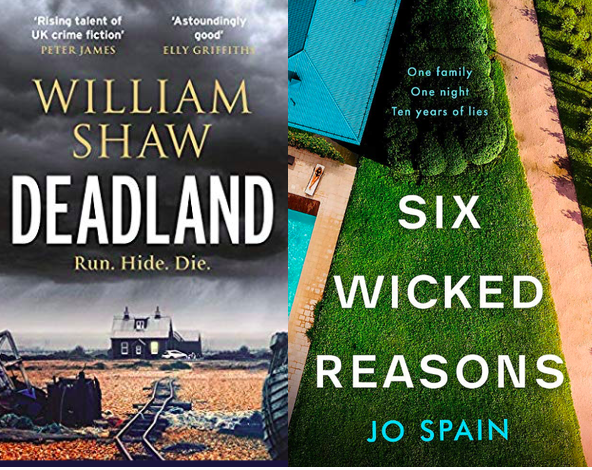
  • ‘It’s the ‘normal’ people that do a lot of damage,’ – crime authors Jo Spain and William Shaw on writing, prologues and why serial killers aren’t scary

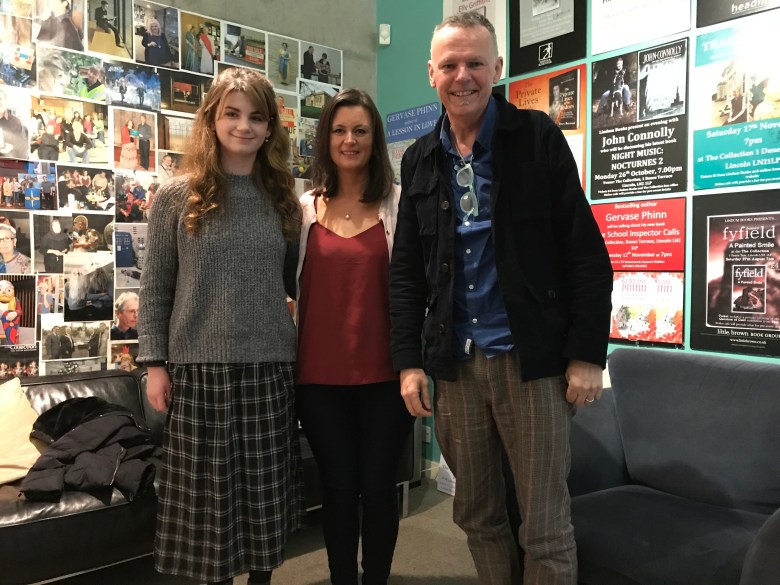
    Crime writers Jo Spain and William Shaw are on the road together. In five days, they’ll do six events; talks in the evening, signings in libraries, conversations at book clubs. 

    ‘When they asked who I’d like to tour with, I told them I wanted someone that was a laugh,’ Spain says. ‘They sent me William.’ 

    Spain is from Dublin, Shaw from Brighton. When we meet at The Collection Museum in Lincoln, where they will later be giving a talk, I explain I’m local, that I try to interview any interesting guest speakers. 

    ‘Great,’ says Spain. ‘Are they coming later?’ 

    They’re friendly, funny, happy to talk for slightly longer than the ten minutes I’m allowed. It’s clear, however, that when it comes to writing, neither of them mess about. Both worked in the world of writing before becoming full-time fiction writers – Shaw was a journalist, Spain wrote political speeches. Now, Shaw usually writes a book a year, though at the moment he’s writing two; one in the morning, one in the afternoon. The following day, he swaps them over. 

    Spain writes two novels a year and several successful screenplays. ‘I write all day, every day,’ she says. ‘When you meet people that want to be writers and they ask you how much you need to write every day, I always say there is no prescription. You should write – you should put words on the page. If you decide to write professionally, some people manage on a book a year. You can manage that with four or five hours a day. I’m writing twelve hours a day. It’s a full-time job, but I like it so it doesn’t feel like work.’ 

    ‘It’s like what Ian Rankin says when he hears about a literary person taking five years to write a book,’ says Shaw. ‘What did you do with the time?’ 

    This no-nonsense attitude to inspiration, to drafts and deadlines, seems to be a Crime Fiction thing. Early last year, I interviewed crime writer Chris Brookmyre who told me he took eight weeks off from his day job to write his first novel Quite Ugly One Morning. He managed to finish it in seven. 

    ‘Yeah, I like to do a four-to-five-week draft, leave it and then come back to it,’ says Spain. ‘Once it’s on the page it’s like a painting you can fix. It might take me six months after a quick, four-week draft but then that gets carried as ‘You can write a book in four weeks.’ I mean, you can but you wouldn’t release it!’ 

    ‘The nice thing is to discover that everyone does it differently,’ says Shaw. ‘The thing that matters is that you produce work that you’re proud of. You find the rhythm that works for you.’ 

    Shaw and Spain both appear to have found their rhythm. Spain was thirty-four and expecting her fourth child when she wrote her first Inspector Tom Reynolds novel. Her husband had just been made redundant and there were mouths to feed, bills to pay. 

    ‘I should probably make it clear,’ Spain says. ‘I would not recommend writing a novel as a way to solve financial problems.’ 

    And yet it worked – the novel was shortlisted for the Richard and Judy ‘Search for a Bestseller’ prize and, though it did not win, the publicity was invaluable. Spain walked away with an agent, a book deal, a future for her family. 

    ‘Yeah, just so you know,’ Shaw chips in, ‘that NEVER happens!’ 

    Before becoming a full-time crime writer, Shaw was a music journalist and author of several non-fiction books. One of these, Westsiders: Stories of the Boys in the Hood, includes meetings with young, pre-fame rappers Eminem and Tupac, among others.  He’s written for The ObserverThe New York Times and Wired; he was Amazon UK Music Journalist of the Year in 2003.

    ‘If you’ve done any of that kind of writing, you’re not scared of putting words on a page,’ he says. ‘The thing that always exasperates me with so many writers is when they begin to angst about it. You have to write it down. It actually becomes better when you write it down anyway – sitting worrying about writing isn’t writing. Just writing rubbish is writing – you can make it better. Quite often, you’ve written something you didn’t know you were going to write if you just write.’ 

    However, his first foray into fiction was unsuccessful: 

    ‘I wrote two books that were not crime fiction,’ he says, ‘and they just didn’t make sense. They didn’t sell and my agent didn’t get it. But then I wrote a book with a body in the first chapter and it all fell into place.’ 

    When thinking of ideas for books, he usually starts with a location he would like to write about, fills it with characters and comes up with something they could be hiding – something they’ve done wrong that needs to be discovered. He writes two detective series: the Breen and Tozer series, set in London in the late 1960s, and the DS Alex Cupidi series, set in his native Dungeness, inspired by the standalone novel he released in 2016, The Birdwatcher. 

    Plot almost comes last,’ he says. ‘That’s possibly my downfall because I end up having to work quite hard to hammer the plot into shape at the end. In some ways, the thing about who did what and why is the least interesting part for me. I kind of like ‘something terrible has happened in this place, how does it affect everybody left’. And so, the puzzle bit is the part I have to work quite hard to get around.’ 

    Spain’s method is different; she creates the plot first, fills it with characters. But on one thing, Spain and Shaw are absolutely united: serial killers aren’t scary. 

    ‘I find the scariest villains are the ones the ‘normal’ ones that do a lot of damage,’ says Spain. ‘It’s not the bogey man or that Jo Nesbo-type serial killer, the people committing atrocities in the most horrifying way, that are truly terrifying. Those people do exist but there aren’t that many of them. One of my favourite books is called The Valley of the Squinting Windows. It’s set in rural, 1950s Ireland and there’s a woman in it who’s a gossip – the damage she does… I think someone commits murder and someone commits suicide and she’s just destroying this town. I find that terrifying because you know people like that; they exist. The real-life, malicious people that damage other people – I find that much scarier.’

    ‘I almost believe serial killers don’t exist but I know they do,’ says Shaw. ‘Whereas the father figure in Jo’s book is really scary. Not scary because he does anything scary but because you can see the malign stuff around him and I’m much more disturbed by that.’ 

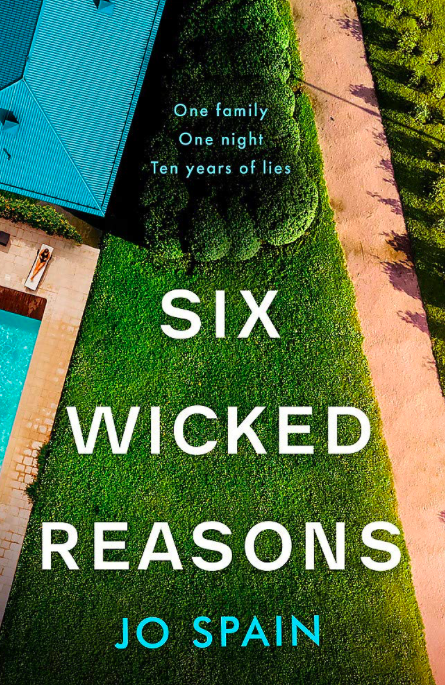
    Spain’s latest book, Six Wicked Reasons, opens with the return of a brother, after a fifteen-year disappearance. It’s based on a true story, on the experiences of her friend’s family when a long-lost son returned after a prolonged absence. 

    ‘In Ireland, you don’t get that many murders but you get a lot of disappearances,’ says Spain. ‘This guy, when he came back, said that with every year it got more difficult to come back.’ 

    In Six Wicked Reasons, the return is not all that it seems and soon there are dark and difficult consequences for the whole family. 

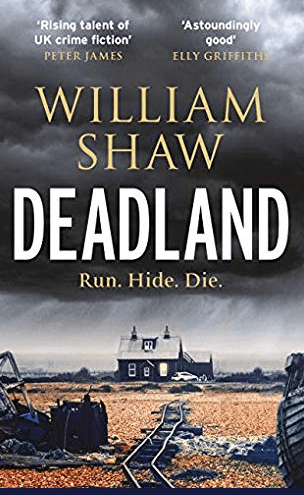
    Shaw’s latest release is the paperback version of Deadland, the second in the DS Alex Cupidi series. When a severed limb is discovered hidden inside a sculpture at Margate’s Turner Contemporary, Cupidi finds herself at the heart of one of the most dangerous investigations of her career. 

    ‘It’s an interesting place, Dungeness,’ Shaw says. ‘It’s very divided politically, because of Brexit, and it’s also facing France. You get millionaires like Alain de Botton there, living in amazing houses, but also a lot of working-class people, so there can be a lot of tension.’ 

    And what is a good story without a smattering of tension? It seems that, within the writing community, however, there is very little. Shaw is in a writing group with Dissolution author C.J. Sansom. It was under orders from the writing group that Sansom included a prologue that got him spotted by an agent, published, famous. 

    ‘Of course, the editor made him take the prologue out,’ says Shaw. ‘But we wanted him to leave it in – that’s the bit that got them hooked!’ 

    Shaw and Spain appear regularly at Harrogate Crime Festival, recognise members of the Lincoln audience they met there and continue conversations. Over the next few weeks, both will continue travelling – Spain will end up in Aberdeen, Lapland, Paris and Marseille. When they’re not at festivals, they’re giving talks. When they’re not giving talks they’re at signings, or travelling to signings. That’s why, in the minutes they have, they’re writing, one of their two books a year. They’re not scared of the page. Or serial killers. 

    Thanks to Lindum Books and Milly at Quercus.


    Nothing in the Rulebook editor, Ellen Lavelle, is a graduate of the University of Warwick’s prestigious Writing Programme. An aspiring novelist and screenwriter, she has worked with The Young Journalist Academy since the age of fourteen, writing articles and making short films for their website. She’s working on a novel and interviews authors for her blog – you can follow her @ellenrlavelle on Twitter. She is currently commissioning features for Nothing in the Rulebook and can be reached via the nitrbeditor@gmail.com email address.

  • What Brexit means for the arts

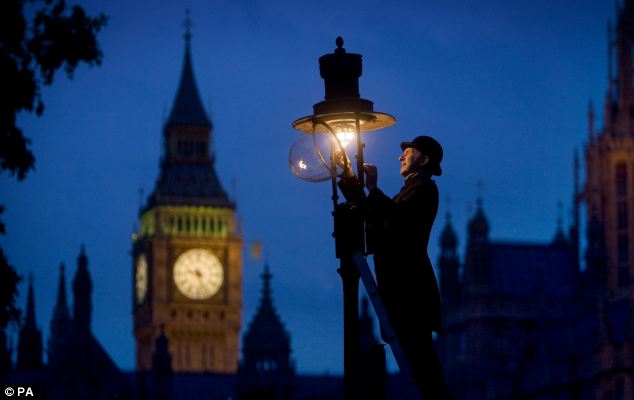
    “The lamps are going out all over Europe, we shall not see them lit again in our lifetime.”

    106 years ago, British Foreign Secretary Sir Edward Grey made his now famous remark, as he watched lamplighters begin their work during the summer dusk all along the Mall in London. Fast forward to the present day and it is in Europe – not Britain – where the lights are being kept firmly on.

    For creatives in Britain, the UK’s departure from the EU spells potential dangers for their respective industries. And, while the incumbent conservative government might currently be spending a great deal of taxpayer money trying to convince the public they have “got Brexit done”, the reality is that the next 11 months of the ‘implementation period’ will be time that many writers, artists, publishers and others spend fearfully watching for news regarding trade deals, regulatory standards, tariffs and ease of access to European markets.

    All of the risks that Brexit presents those within the UK’s creative industries have been sounded out regularly by writers and artists themselves. In May 2019, for example, writers including Neil Gaiman warned that choosing Brexit was “to choose to lose” and pointed out huge concerns over the 36% of physical book exports from the UK to the EU that could be under threat should the UK government lose out – as predicted – in upcoming trade talks this year.

    Meanwhile, in September 2019, independent publishers spoke to Nothing in the Rulebook outlining severe fears for the consequences of a ‘no-deal’ Brexit. While the conservatives are again trying to persuade people that the business of Brexit is complete, and are currently instructing civil servants to expunge reference to “no deal” from their respective lexicons (as well as the word ‘Brexit’ itself, as it happens), the reality is that a potential cliff-edge departure from the customs union and single market remains a very real possibility. The consequences of such a departure would have huge ramifications for the UK publishing sector, regardless of the number of trade deals struck with other countries around the world.

    For example, as David Henningham, of Henningham Family Press, pointed out:

    “For me the costs have already begun, and it is production costs mainly. I had to re-cost an entire project and relocate production to UK because of inflation and currency fluctuations effecting leases on printing machines and consumables like ink. With a no-deal it will effect coloured foils and pigments that come from USA and Korea via the EU.”

    Impact across the arts

    Beyond books, Brexit presents huge implications for organisations working across the UK artistic sector. A 2018 survey for Arts Council England, for example, revealed:

    • 64% of organisations currently work inside the European Union, with ‘touring exhibitions’ and ‘sending UK artists abroad’ being the most popular types of activity.
    • 40% need to regularly move equipment and objects between the UK and the EU.
    • Nearly half believe it is important to their organisation that both EU and UK citizens can work at short notice in either jurisdiction for short periods.
    • A third of organisations employ EU nationals, however this rises to over half in art forms such as Dance.

    Future immigration shambles?

    In seeking resolutions to these issues, many eyes will turn to the Home Office – and the negotiating teams from the department working on citizens rights, as well as reciprocal arrangements regarding the movement of goods. The EU Settlement Scheme – which allows EU citizens currently living in the UK to stay here after 31 December 2020 – offers some protections for firms hoping to keep existing members of staff. Yet the real challenge will come from the future immigration system rules – as freedom of movement ends, EU citizens arriving in the UK for the first time will have to apply for visas, and the companies that hope to employ them will have to apply for sponsorship. Considering many of these companies will never have worked with the Home Office before, or filled out any visa sponsorship applications, this will prove challenging to the extreme to smaller organisations who may well have to invest in new HR teams to support this (not to mention associated sponsorship costs).

    Of course, the government have promised a new, efficient, ‘points-based’ style immigration system that will support businesses and skilled workers. Yet the independent Migration Advisory Committee (MAC), which was commissioned to advise the government as to the feasibility of introducing such a system, recently concluded that it would be “difficult if not impossible” to do.

    The fact that the chair of the MAC was asked by the government to stand down as a result of these findings may not convince arts-sector organisations that the government is totally committed to working within the confines of something as trivial as ‘reality’.

    Tell us your Brexit stories

    There are, of course, other issues to be aware of. Not least what happens to the £40 million the UK receives from the EU Creative Arts budget – or how touring musicians will be affected when looking to move freely across the borders of Europe as they do now.

    In fact, there are so many issues and implications, that it seems impossible to capture them all in one single article. And so, it is for that reason that Nothing in the Rulebook will be commissioning a series of regular ‘spotlight’ features on the impact Brexit will have for the UK arts & creative sectors.

    If you are an artist, musician, writer, publisher or employed in other ways within the UK arts sector, WE WANT TO HEAR FROM YOU.

    Please do get in touch with us using the information available on our ‘contact’ page – and we look forward to working with you to tell your stories.

  • Creatives in profile – interview with Ross Jeffery

    Authors dream of arriving on the literary scene with their debut works accompanied by searing praise from their peers. So, when Bristol-based writer Ross Jeffery first published his book, Juniper, it was quite something to witness the sheer number of his fellow writers who queued up to point out just how good it is.

    Of course, Jeffery is not a complete unknown in the world of fiction and publishing. The Executive Director of Books for STORGY Magazine, he has been published in print with STORGY Books, Ellipsis Zine 6, The Bath Flash Fiction Festival 2019, Project 13 Dark, and Shlock Magazine. His work has also appeared in various online journals such as STORGY Magazine, About Magazine TX, Elephants Never, 101 Fiction, Ellipsis Zine, Soft Cartel and Idle Ink.

    We caught up with Jeffery to chat books, inspiration, and writing with integrity…

    INTERVIEWER

    Tell us about yourself, where you live and your background/lifestyle

    JEFFERY

    Well, I’m originally from Downham, a place that likes to call itself south east London, so at heart I’m a Londoner. I went to university to study media arts and video production at Thames Valley University, where I spent three years, watching films, reading books and generally not doing much else, but this set me on the course to being a writer, mainly writing short film scripts and other such things. It was here in West London that I met Tony and Tomek (who are the other thirds of STORGY) and our love affair of films and books began.

    Fast forward a good many years and the other two guys set up STORGY Magazine and then asked me to join them and help develop the site from a writing group (sharing ideas and writing short one page fiction) into the beast that it has become today. STORGY magazine is now an independent publisher – we’ve published Exit Earth and Shallow Creek; our yearly competition anthologies (Annihilation Radiation is currently running but will also become a print anthology). Last year, we also released our first collection of short stories by Roger McKnight ‘Hopeful Monsters’ and later this year we are releasing a couple of other projects, including Tomas Marcantonio’s debut novel ‘This Ragged, Wastrel Thing’.

    Though this has all been great – I’ve always had a passion to write myself. It’s not been without its struggles of course; a good few year’s back now I went on a seven year stint of not writing. Everything I wrote just seemed to not be any good, I was struggling with just writing shock pieces, really graphic and really dark – and the dark themes didn’t really have a reason. So I stopped writing. I just went cold turkey. But I still kept notes, read everything and everything, learning all the time. Then after seven years I penned a short story called Bethesda – put it out in the world and it was picked up for a print publication – and then there was no stopping me. I had found what I wanted to do and went for it – in the years following I’ve had many stories published online and in print and my writing life has never been better.  

    INTERVIEWER

    Is writing your first love, or do you have another passion?

    JEFFERY

    Writing has always been my first love. It’s always been there like code on a computer, working in the background. But my other passion is reading – I love discovering new writers, and I think that to be a good writer you need to read anything and everything. Nothing is wasted.

    I also love spending time with my family. I’m quite boring really!

    INTERVIEWER

    Who inspires you, and why?

    JEFFERY

    My children inspire me every day, in all I do and all I write – I hope that one day, when they’re older and able to read most of my work, they’ll be proud of what their dad’s done. That I’ve left them with something to remember me by, and hopefully it’s good!

    Two writers that have inspired me are Chuck Palahniuk and James Frey – these two people really changed the way I engaged with books and writing. Chuck was one of the reasons I started writing in the first place. His visceral style and his no nonsense approach to storytelling was a lightbulb moment for me, and after reading ‘Fight Club’ (before the film had come out) I realised that I wanted to tell stories, that I wanted to be able to weave tales like this. He’s the man that I hold as my main source of inspiration. I also had the pleasure of interviewing Chuck for STORGY a good few years ago now and it was one of the most bizarre things I’ve ever done, it was brilliant and Chuck was great and for days I was in this hedonistic daze having just interviewed my literary idol.

    James Frey is another person that inspired me – after reading ‘A Million Little Pieces’ (a book my wife told me to read) my writing life was transformed forever. In my opinion ‘A Million Little Pieces’ has one of the best opening chapters I’ve ever read, something about it just resonated with me and so from that book a love affair with James Frey began. Again I also had the opportunity to interview him last year when his new book ‘Katarina’ came out and we spent hours on the phone discussing his writing practices, books, his books, where he took his inspiration from, life and of course we discussed Oprah. But we had a real good time (even arranging to meet up on his London tour) chatting like friends; it’s strange, people say never meet your idols; but for me it’s worked out pretty well so far.

    INTERVIEWER

    You’ve recently published your first book, Juniper, and its dystopian and post-apocalyptic themes mirror those that we’ve seen in some of the other creative projects you’ve been involved with – including the Annihilation Radiation anthology you’re putting together through STORGY. What draws you to these dystopian landscapes and futures? Is this where humanity is heading, do you think?

    JEFFERY

    There is something about the dystopian / post-apocalyptic landscape that pulls me in. I guess it’s got something to do with society’s decline, how we are contributing to our own downfall; but how we can also survive it.

    For me, it’s all about people and the lengths that they are willing to sink to make survival a possibility. It’s the making monsters of men and women that I find so interesting, how in many works of this type there seems to be a devolution in how people react to such events.

    Juniper is set in a southern state in America – an apocalyptic wasteland, blighted by a scorching unending heat, that has caused cattle and crops to die, but hope springs from the most unlikely source. I enjoy trying to see the depth that people will go to ensure their survival and Juniper displays this in all its grotesque beauty. I feel that writers can’t help but be influenced with what is going on in the world and we have a duty to highlight these issues in any way we can: global warming, child slaves, refugees, natural disasters, environmental concerns, racial divides, sexism, toxic masculinity, the roles of women. Humanity is sick and there is no cure.

    Jeffery’s debut novel, Juniper has drawn praise from dozens of authors.

    INTERVIEWER

    Frederic Jameson and Slavoj Zizek have both said that it’s easier to imagine the end of the world than the end of capitalism. With Australia currently literally on fire (at the time of writing), what role do you think fiction has to play in helping us make sense of the chaos around us?

    JEFFERY

    Fiction holds up the mirror to our lives and fate – we should observe it often and learn from it.

    INTERVIEWER

    When writing fiction, can you tell us a little about your creative process? How do you go from blank page to fully formed story?

    JEFFERY

    I’m quite a visual writer, so when I start writing I like to give a face to the project either by illustrating something myself or creating a cover for the flash fiction / short story / novella / novel. I also keep a notebook – actually many notebooks (one in my bag, one on my desk, one by my bed – you never know when inspiration will come) – these usually have snippets of conversations I’ve heard, character details, loose plot points, locations and numerous illustrations, etc.

    When I think I have enough for a project I sit down, open my notebooks and borrow various elements from them to tell my story and start mind-mapping the process on a sheet of A3 paper. I work with a five act structure (which I learnt from Joseph Sale – my editor and friend) and when I’m happy with that, I then start working on the chapters.

    With Juniper I had a huge pin board and broke the book up into chapters, using cards to write down roughly what I wanted to accomplish in that chapter and before I knew it I’d mapped out the whole novella. I’d never planned something out so thoroughly before. I used to write from the hip, tap tap tapping on my typewriter – just seeing where the story took me. But having used this more methodical structuring, I found my productivity went through the roof and within a month I’d written the whole book; and so this planning process I incorporated for my second book (which I wrote straight after completing Juniper) and at the end of 2019 I’d written two books.

    “Whether its short stories or novel the main thing I do, without fail – is to write the story from start to finish without editing a single word, getting the words on the page and the work done” – Ross Jeffery

    I’m fortunate enough to have Friday’s off work and children at school, so Friday becomes my writing day, something that I fiercely defend. I’ve a very understanding wife and she knows that this time – from once I’ve dropped my girls off to school from when I pick them up – is time for me to write. So I’d say find some time to write and defend it with your life.

    With short stories I love to write on the typewriter, return to that old form for a time. But whether its short stories or novel the main thing I do, without fail – is to write the story from start to finish without editing a single word, getting the words on the page and the work done – that way I can say I’ve written two books not writing one. I can’t remember who I got this from it might have been Steinbeck, but getting the words on the page is the most important thing of all. Also I believe it was Stephen King that said something along the lines of sitting your ass in the chair, even if you don’t want to – it’s true, how else are you going to write without doing it. So do it. It works.  

    But for me every idea comes from a small kernel – I play with them until I find things that fit and then develop the idea further – so sometimes I have four or five ideas on the go at once, but I never start writing until one of them bubbles to the surface and I can’t do anything but write it.

    INTERVIEWER

    What was your experience of putting Juniper together like? Are you a writer who sits down at a typewriter one evening and writes the entire work out in one drug and alcohol fuelled craze a-la Kerouac’s On The Road? Or are you slower and more methodical?

    JEFFERY

    Juniper was surprisingly easy to write. I’d like to say it was drug and alcohol fuelled but it was more coffee and cinnamon swirls. As I said I write on Fridays. In a quiet house and get as much done as I can within the time constraints I have. I’m the manager of a busy homeless day centre during the week, so writing in the week is quite impossible, but if I can and if the creativity is flowing I’d often write in the evenings for a few hours, half an hour before dinner. I believe that if you want to write, if you seriously want to do it and if your idea excites you you’ll find the time to fit it in (stop bitching and moaning that you don’t have the time, none of us do, just get writing).

    Juniper from start to finish took me about a month – there was of course months of planning that took place before this, ensuring that when I sat down I knew what I was going to be writing instead of staring at a blank screen – I’d mapped out chapters, worked on the plot, the structure, everything was done in advance – so when I sat down all I had to do was create the story and fuse the elements and chapters together. So from the first line to the last line it was a month – it’s the fastest I’ve ever written something this long (usually at home within the short story world) but I just couldn’t stop it, it was a book that I feel wanted me to write it. But whatever project, long or short, there is always coffee and cinnamon swirls.

    INTERVIEWER

    What are your hopes for the book?

    JEFFERY

    My hopes for the book are that it finds an audience. I’m not in this for the money – it would help, don’t get me wrong. I’m in this game to write stories and if they find an audience, if one person reads it and likes it, or it helps them in some other way, then for me it’ll all be worthwhile.

    The book for me is also a way to show the doubters wrong, that the boy from Downham with not the greatest grades, who had a dislike for English, who had a fear of reading, who had to retake his GCSE in English, who struggled through University, who’s self-taught in writing has been able to achieve something that was pretty much out if his reach.

    People will doubt you, doubt your ability every day, sling shit and hope it sticks – but Juniper for me is something I can show my daughters, something I’m proud of and I hope someday they will be proud too – that if they put their hearts and minds to something then they can with hard work and dedication achieve it, it might not be easy but what in life that is worth anything comes without a cost or a trial.

    INTERVIEWER

    So many writers think of little else than holding their finished novel in their hands for the first time. How does it feel to have achieved what so many will only ever dream of?

    JEFFERY

    It’s the most peculiar feeling in the world. I also did the thing of getting my wife to take a picture of me holding it, I’ve the biggest, stupidest grin on my face, but I couldn’t help it. To hold a book that I wrote after so long spent honing my craft is something very, very special.

    And then every time I look at the cover I get goosebumps with the quote from Priya Sharma ‘Ross Jeffery has birthed the love child of Stephen King and Cormac McCarthy’ it’s the things of dreams. Every time I read it, it blows me away, that a writer I admire thinks such great things of my book, that I’m being compared to Stephen King and Cormac McCarthy. It’s mind blowing and that’s only one of the amazing quotes I got. I was fortunate enough to get quotes from Daniel James, Lucie McKnight Hardy, Sarah Lotz, Aliya Whiteley  and Naomi Booth to name a few.

    So, in answer to your question, it’s surreal and very addictive.

    INTERVIEWER

    Do you feel any personal responsibility as a writer?

    JEFFERY

    I feel personal responsibility as a writer, I feel that I should have integrity in what I write – hence my seven year hiatus from writing. But I also feel that it’s the reader who takes what you’ve written and processes it, and in doing so comes to their own conclusions of your intended message – so it’s a hard one to judge and police. I wouldn’t put anything harmful out into the world, but then again I’m sure Juniper may offend some people, but whereas before I didn’t care, I have a duty of care not to pollute the world further, so in my writing now I try to make there be a reason for the darkness.

    INTERVIEWER

    In an age of ‘abject’ incomes for writers, how can aspiring creatives pursue their passions while also making ends meet?

    JEFFERY

    Get a job. Sounds simple doesn’t it. But the publishing world has changed, the goalposts have been moved and although there is some great work being done by independent publishers, the dream of a huge signing on fee and living off your book is a thing of the past.

    I’ve always had to work, and fit my writing life into that – it’s the way it’s always been for me and probably always will be. But you can’t plead poverty if you’re unwilling to get a job because you’re working on your book – those days are gone the world has moved on, even the greatest books being released nowadays by newcomers won’t see money for a good many years and subsequent books. My wife and I both work jobs that don’t pay well, but are front line jobs we believe in which look after those that are overlooked in our communities, and at times we’ve had to rely on a foodbank to feed our family, it shouldn’t be like that but it is.

    It’s not for lack of trying to support our family that led us to use a foodbank, but the escalating cost of living, of rent and the lack of savings due to those things I just mentioned. Life is expensive, life is busy and the old days of publishing are gone – this is the new way things are done, writers nowadays need other jobs to support their passion and their work. Income from writing is a dream, one that we’ve been made to believe is true and achievable – but for many we’ll barely make ends meet, but we’re free to create, free to write – and for me, that’s perfect! 

    INTERVIEWER

    What’s next for you and your work? Are there any exciting projects we should be looking out for?

    JEFFERY

    We’ll I am currently working on a Novella-in-Flash called ‘Tethered’ it’s a collection of stories told from a father and son, from birth to death – dealing with themes of love, loss, grief, domestic violence, loneliness, toxic masculinity, sexuality and asking the question if we every escape the harm our parents cause us. It’s almost finished I’ve got about six more stories to write (as of writing this) and I’m looking to self-publish this collection.

    I also have another book due out in the winter of 2020 – it’s early in the process but it’s with my editor and he’s very excited by it, as am I. And if you’ve purchased or are going to purchase Juniper you’ll get a sneak peek at what’s coming in the back of the novella.

    I have also just started my months of planning on a new book called ‘Hostage’ it’s a story set in Polperro and is heavily influenced by folklore and mythology – a haunting and isolated tale which has risen to the top of the pile, and like Juniper I feel it’s wanting me to write it. So I’m hoping to start this once I finish the Novella-in-Flash and I have planned the hell out of it.

    Quick fire round!

    INTERVIEWER

    Favourite book?

    JEFFERY

    Fight Club

    INTERVIEWER

    Curl up with a book or head to the movies?

    JEFFERY

    Due to the cost of the cinema – I’m usually curled up with a book – Currently reading Adam Nevill’s ‘The Reddening’ and Helen Dunmore’s ‘The Greatcoat’

    INTERVIEWER

    Critically acclaimed or cult classic?

    JEFFERY

    Cult classic – it’s just cooler.

    INTERVIEWER

    Most underrated writer?

    JEFFERY

    Charles Bukowski

    INTERVIEWER

    Most overrated writer?

    JEFFERY

    George Saunders

    INTERVIEWER

    Who is someone you think people should know more about?

    JEFFERY

    Lucy Caldwell – my favourite writer at the moment.

    INTERVIEWER

    Do you have any hidden talents?

    JEFFERY

    None.

    INTERVIEWER

    Could you write us a story in 6 words?

    JEFFERY

    I’m here now, where’s the baby?

    INTERVIEWER

    Could you give your top 10 tips for aspiring authors?

    JEFFERY

    • Write your first draft without editing your work.
    • Find a time to write and protect it with your life.
    • Copious amounts of coffee and cinnamon swirls
    • Get a notebook and carry it everywhere with you
    • Read books outside of your usual genre
    • Support Independent Presses
    • Be bold
    • Warm up to your craft by writing a page of words that no one will ever see.
    • Have things in your writing space that you like (trinkets, toys, nice things) you’re going to be there for a while; you might as well make it enjoyable.
    • Find yourself a good editor and someone you trust.

    Ross Jeffery’s debut novel Juniper is available to pre-order right here online

  • “Dark and delightfully peculiar” – praise rains in for Ross Jeffery’s ‘Juniper’

    Authors have been lining up to praise the debut book by Bristol-based author Ross Jeffery, whose writing has drawn parallels with literary titans like Cormac McCarthy, Stephen King and Chuck Palahniuk.

    Juniper is the first book in Ross Jeffery’s proposed trilogy: a post-apocalyptic horror about an insane American town seemingly at the edge of reality. As Juniper suffers from scorching drought and medieval famine, the townsfolk are forced to rely on the ‘new cattle’ for food: monstrous interbred cats kept by the oppressed Janet Lehey. 

    But there’s a problem: Janet’s prized ginger tom, Bucky, has gone missing, flown the coop. As Janet and her deranged ex-con husband Klein intensify their search for the hulking mongrel, Betty Davis, an old woman clinging to survival on the outskirts of Juniper, discovers something large and ginger and lying half-dead by the side of the road. 

    She decides to take it home… 

    Jeffery’s book was described as “Deliciously dark and delightfully peculiar” by Lucie McKnight Hardy, author of Water Shall Refuse Them, who said that “this wildly original story of small-town America is both disturbing and beguiling.”

    Priya Sharma, author of All The Fabulous Beasts and Ormeshadow, was also full of praise for Juniper, saying that, in his surreal and dark debut novel, Jeffery “has birthed the lovechild of Stephen King and Cormac McCarthy.”

    Meanwhile, Daniel James, author of The Unauthorised Biography of Ezra Maas, warned readers that “Juniper is not for the faint of heart.” but also drew comparisons between Jeffery and literary legends, adding: “Visceral and raw but always poetic, Jeffery successfully channels Chuck Palahniuk and Stephen King at their shocking best. You’ll want to look away at times, but trust me when I say, you won’t dare turn your back on Juniper.”

    Juniper is being published by The Writing Collective. Purchase a copy of the ebook online.

  • 45 Writing Competitions for 2020

    So, 2020 is here and the new decade has started with a continent on fire and the threat of World War III, and that means this could maybe be the last chance writers have to get their writing recognised and published before the world actually ends.

    For our part here at Nothing in the Rulebook, we’re here to help writers do just that – and hopefully get their work out there before the ice caps melt, the food runs out, and the air raid sirens start. We’ll also aim to distract you from all the catastrophic climate breakdown by making sure your 2020 is filled with a multitude of writerly insights and discussion, and (just for you) we’ve compiled a list of upcoming writing competitions scheduled for the year ahead.

    So, in addition to our list of places that are always open for submissions, as well as places to submit flash fiction, and a long list of independent publishers you can submit your manuscripts to, we are thoroughly chuffed to bring you this valuable writing resource you can use to get your writing into the right places.

    Included below are details about word counts, deadlines and direct links to each event.

    If you’d like to add a writing competition to our list then please feel free to contact us!

    1. The Fresher Writing Prize

    This year’s Fresher Writing Prize invites you to send in poems and short stories inspired by their theme of Peace.

    There is an entry fee of £7 and a maximum word limit of 3000. Winners receive a £200 cash prize and feedback on their work.

    The closing date for entries is January 27th 2020.

    2. The Caine Prize for African Writing

    For published African authors of fiction. Must be over 3000 words in length and written for adults. Advisable length for the stories is between 3000 and 10,000 words. There is a cash prize of £10,000 and works must be written in or translated into English.

    Deadline for submissions is January 31st.

    3. Annihilation Radiation – STORGY writing competition

    The team behind STORGY are all about discovering awesome new writing talent and are committed to doing so through running some seriously cool writing contests and projects. Their Annihilation Radiation contest is no different – they’re looking to put together an anthology consisting of the best irradiated stories involving the Annihilation of the world. Think Mad Max, The Road, The Book of Eli, Snowpiercer, World War Z, I Am Legend, The Hunger Games, Stake Land, 12 Monkeys and Escape from New York all rolled into one gigantic apocalyptic burrito. We’ll be looking to slice the anthology into THREE sections: BEGINNING, DURING and AFTER. We’re looking for original stories that inspire YOU based on the genre of Annihilation.

    Further details on their website – key things you need to know are that the contest deadline is 31st January 2020 and there is a £500 prize for the winning entry! Go get submitting!

    4. Masters Review Winter Short Story Award

    The Masters Review Winter Short Story Award is prize that recognises the best fiction from today’s emerging writers. The winning story will be awarded US$3000 and publication online. Second and third place stories will be awarded publication and US$300 and US$200 respectively.

    There is an entry fee of US$20 and a maximum word count of 7000. Deadline for entries is January 31st.

    5. The Screw Turn Flash Fiction Contest

    This contest seeks the finest work that incorporates the uncanny. Ghost stories are welcome, of course—but your submission may involve any paranormal or supernatural theme, as well as magic realism. What they’re looking for is superb writing, fresh perspectives, and maybe a few surprises.

    The maximum word count is 1000 and there is a US$10 fee to enter for your chance to win US$500. Deadline is January 31st.

    6. The Cambridge Flash Fiction Prize

    International flash fiction competition, sister contest to the Cambridge Short Story competition (which opens in April – see further on down this list). It costs £8 to enter (before February) and £9 thereafter. There are also a number of free entries available to writers from low income backgrounds. First prize is £1000 and the contest runs from January 15th until March 15th 2020.

    7. Fiction Factory short story competition 

    All types of writing are welcome for this writing contest with prizes up to £150 for the winners. 3000 words max and a fee of £6 to enter.

    8. Newcastle Short Story Award 2020

    One for Australian writers. First prize is AU$2000. The deadline for submissions is  3rd February 2020 and the entry fee is AU$15. The maximum word limit is 2000 words, which includes both titles and any subheadings.

    9. Writers’ & Artists’ Yearbook 2020 Short Story Competition

    First prize receives £500 and a place on an Arvon residential writing course of your choice, as well as publication of your story on the W&A website. Closing date for writing submissions is February 13th 2020 and all submissions must be unpublished prose of 2000 words or fewer.

    10. Bumblebee Flash Fiction Award

    These fine folk are looking for short, sweet, and sassy fiction – in return, you have the chance to win $300 and publication in Pulp Literature.

    Deadline is 15th February 2020. There’s a US$15 entry fee and a US$300 prize available. Max word count is 750.

    11. Writers Online – Dialogue Only short story contest

    No attribution, no description – just tell the folks at Writers Online what was said. You’ll need to use all your narrative skills to paint a scene, define a character and tell a story, while still keeping your dialogue realistic and flowing. The only restriction is a 1,500-1,700 word count.

    The winner will receive £200 and publication in Writing Magazine, with £50 and publication in Competition Showcase for the runner-up.

    Deadline for entries is February 15th 2020.

    12. The Margery Allingham Short Story Competition

    The Margery Allingham Short Story Competition is open until February 29, 2020.

    Submit stories up to 3,500 words. Your story should fit into crime writer Margery’s definition of what makes a great story: “The Mystery remains box-shaped, at once a prison and a refuge. Its four walls are, roughly, a Crime, a Mystery, an Enquiry and a Conclusion with an Element of Satisfaction in it.”

    Prize: £500 plus two weekend passes to Crimefest 2021 and a selection of Margery Allingham books.

    Entry Fee: £12

    13. Scottish Arts Club Short Story Prize

    First things first; you DO NOT have to be Scottish to enter this writing contest. Stories should be 2,000 words or less and may be on any topic.

    There’s an entry fee of £10 and a maximum word limit of 2000. Winners receive £1000.

    Deadline 29th February 2020.

    14. The Crime Writers Association – Debut Dagger award

    The international competition is for the opening of a crime novel not exceeding 3,000 words and a synopsis of up to 1,500 words.

    Winners receive £500 and consideration by Literary Agents.

    There’s a £36 entry fee and deadline for entries is February 29th 2020.

    15. The Stella Kupferberg Memorial Short Story Prize

    The Stella Kupferberg Memorial Short Story Prize is a writing competition sponsored by the stage and radio series Selected Shorts.

    Submissions must be no more than 750 words long and there is a US$25 fee to enter.

    The deadline for entries is March 1st 2020.

    16. Kenneth Brannagh Award for new drama writing

    Amateur playwrights world-wide are invited to submit unpublished one-act plays.

    Three winning scripts will be selected for fully staged performances during the Fringe Festival in October. One of the three scripts will be chosen for the £500 prize, judged purely on the writing. Plays must be no longer than 30 minutes long.

    Submission deadline March 5th 2020.

    17. Nelligan Prize

    International writing prize for writers of all stripes and nationalities. Deadline is March 14th, 2020 for submissions of 12,500 words or less. Entry fee is US$15 and first prize is US$2000.

    18. Desperate Literature

    The aim of the Desperate Literature Short Fiction Prize is both to celebrate the best of new short fiction and to give winners the most visibility possible for their writing.

    Max word count is 2000 and there is an entry fee of €20 to enter. Winners will receive €1000.

    The deadline for submissions is 15th March 2020.

    19. New Welsh Writing Awards 2020

    The New Welsh Writing Awards, run by New Welsh Review in association with Aberystwyth University and AmeriCymru is open for entries.

    The awards have been set up to champion the best short-form writing in English

    Each category winner will receive £1,000 cash, e-publication by New Welsh Review on their New Welsh Rarebyte imprint and a positive critique by leading literary agent Cathryn Summerhayes at Curtis Brown. Subsequent prizes include residential courses and weekend breaks.

    Entries close at midnight on 17th March 2020

    20. Evesham Festival of Words short story competition

    All genres and styles of short fiction are welcome in this international competition.

    Stories must be no more than 2500 words if you’re entering the adult contest (there are shorter word counts in the junior categories).

    The winner receives £150 and the two runners up will also receive £50 and £30 for 2nd and 3rd placed stories.

    Deadline for submissions is March 20th and there is a £5 fee to enter.

    21. Short Fiction Journal 2020 writing contest

    This is an internationally-renowned competition, now in affiliation with the Department of Literature, Film, and Theatre Studies at the University of Essex. 

    Submit your short fiction (of no more than 5000 words) by March 31st 2020 to have a shot at scooping the £500 awarded to the winning story (or £250 awarded to the runner up).

    There is an entry fee of £7 until March, at which point it increased to £9. There are also a number of free entries available – for more information about these, check out the website using the link above.

    22. The Killer Nashville Claymore Award

    Every year, the Killer Nashville Claymore Award assists new and rebranding English-language fiction authors get published, including possible agent representation, book advances, editor deals, and movie and television sales.

    The contest is limited to only the first 50 double-spaced pages of unpublished English-language manuscripts containing elements of thriller, mystery, crime, or suspense NOT currently under contract.

    The entry fee is US$40 and the deadline for submissions is April 1st 2020.

    23. New Deal Writing Competition 2020

    The New Deal Writing Competition is a short story competition where the writer is asked to use a painting chosen by the staff of GVCA as inspiration for their short story.

    This year’s painting is “Down and Out” (1937) by Barnet Braverman

    There is an entry fee of US$5 to enter and a maximum word limit of 10,000. Top prize receives US$200.

    The deadline foe entries is April 10th 2020.

    24. The Bath Short Story Award

    An award for local, national and international writers. Closing date for submissions is April 20th, 2020. Short stories of up to 2200 words in all genres and styles are welcome – there is no minimum word limit. First prize receives £1000 and there is also a local prize for Bath residents, as well as The Acorn Award of £50 for unpublished writers of fiction. Entry fee is £8.

    25. Adventure Writers Short Story Competition 2020

    This is an international competition and there is just one category: Adventure. The organisers accept traditionally published, e-published and manuscript novels. There is a US$1000 cash prize. A $25 entry fee is charged, and all proceeds go to promoting the contest, the finalists and the winner.  The deadline for entries is 30th April 2020.

    Adventure is out there!

    26. The Bristol Short Story Prize

    Entries are welcomed for unpublished stories written in English. The deadline for submissions is 20th April 2020 and stories can be on any theme or subject. Maximum length of 4000 words. An £8 entry fee and first prize is £1000. There are also 17 further prizes of £100 for all shortlisted writers.

    27. Leapfrog Press Story Contest

    Adult, young adult (YA) and middle grade (MG) novels, novellas, and short story collections are accepted. Minimum word count: 22,000. Individual stories in a collection may have been published in journals. Books that have been self-published will be considered “unpublished” if fewer than about 200 copies were printed.  

    We look for literary fiction and mainstream fiction, including science fiction. Generally we are less interested in strict genre fiction, but if a manuscript is good and grabs our attention, we don’t care what the genre is.

    There is a US$33 fee to enter and you could win US$150 and publication of your finished manuscript. The deadline for entries is May 1st 2020.

    28. Writer’s Digest Competition

    The winner of this annual award will receive US$5000 and an interview in Writer’s Digest. There are a variety of different award categories so it’s best to check the website for details. Deadline is May 4th 2020.

    29. Raymond Carver Contest

    The Raymond Carver Short Story Contest is one of the most renowned fiction contests in the world. Featuring prominent guest judges and offering US$1500 across five prizes, the contest delivers exciting new fiction from writers all over the world. The contest opens each year April 1 – May 15 and prizewinners are published in their annual fall issue in October. Usual entry fee of US$17.

    30. Brick lane bookshop short story contest

    This prize, run by Brick Lane Bookshop, is open to all UK residents for original short stories between 1,000 and 5,000 words. Its aim is to celebrate short stories and to give emerging writers encouragement and a little financial space to write. Winners are published in an anthology in addition to receiving prize money.

    There’s a £1000 prize available and submissions close on May 15th 2020.

    31. Lorian Hemingway Short Story Prize

    Writers of short fiction may now enter the 2019 Lorian Hemingway Short Story Competition. The competition has a thirty-nine year history of literary excellence, and Lorian Hemingway and her small judging panel are dedicated to enthusiastically supporting the efforts and talent of writers of short fiction whose voices have yet to be heard.

    Deadline is 15th May 2020. Max word count is 3500, entry fee is US$15 and a prize of US$2500 is available.

    32. Smokelong Award for Flash Fiction

    Smokelong was one of the original names for flash fiction (read a story in the amount of time it takes to smoke a cigarette), and Smokelong Quarterly are one of the all time literary big hitters in this field. So, their flash fiction competition is certainly one writers should have on their radar.

    There is a grand prize of US$2000 on the table, with monetary prizes also available to all finalists – who’ll be published in the June edition of the journal.

    There is a limit of 1000 words for entries of flash fiction submitted before the final deadline of May 24th. Submit up to two stories for a fee of US$13.50 before April 26th or US$15.50 thereafter.

    33. Bridport Prize

    International open competition founded in 1973. Four categories in poetry (max 42 lines); short story (max 5,000 words); flash fiction (max 250 words) and the Peggy Chapman-Andrews Award for a First Novel (max 8,000 words from opening chapters plus 300 word synopsis).

    Deadline usually looms towards the end of May each year.

    Entry fees and prizes vary depending on category. Full information about this world-renowned competition can be found online.

    34. Bath Novel Award

    The Bath Novel Award 2018 is an international prize for unpublished and self-published novelists. The winner will receive £2,500, with manuscript feedback and literary agent introductions for those shortlisted. In addition, the writer of the most promising longlisted novel will receive a free place on an online editing course with Cornerstones Literary Consultancy.

    Submit your first 5000 words along with a one page synopsis by May 31st 2020.

    There is an entry fee of £25.

    35. Narrative Prize

    The Narrative Prize is awarded annually for the best short story, novel excerpt, poem, one-act play, graphic story, or work of literary nonfiction published by a new or emerging writer in Narrative.

    Deadline is mid June 2020 and there is no entry fee. Maximum word counts of 2000 and prizes of up to US$4000 available.

    36. The Cambridge Short Story prize

    Sister writing competition to the TSS flash fiction prize. Deadline is 15th June 2020 for submissions no longer than 3000 words. There is a prize of £1000 available to the winner.

    37. Impress Books prize for new writing

    This is a manuscript contest for unpublished writers. Winners receive a print and eBook publishing contact with Impress, as well as a £500 advance.

    The deadline for entries is usually around the end of June each year.

    You need to submit 6000 words of your manuscript, along with a synopsis and publishing proposal, as well as an author bio.

    38. The Sean O Faolain Short Story Prize

    The competition is open to original, unpublished and unbroadcast short stories in the English language of 3,000 words or fewer. The story can be on any subject, in any style, by a writer of any nationality, living anywhere in the world. Translated work is not in the scope of this competition.

    First Prize: €2,000, a week-long residency at Anam Cara Retreat and publication in the literary journal Southword.

    There is a fee of €15 per entry and the deadline for submissions is 31st Jul

    39. Woven Tree Press annual literary competition

    The Woven Tree Press hosts its annual literary competition, with this year’s category being fiction (including creative non-fiction), judged by award winning novelist Ann Beattie. Submissions must be no longer than 6000 words.

    Winners receive cash prizes, with first place receiving a one-week stay in the organiser’s 1909 charming retreat house in the legendary Hamptons, New York.

    Submissions for the contest open on August 15 and run until October 15 2020. There is an entry fee of US$25.

    40. PEN/Faulkner Award for Fiction

    For American citizens with books published in the calendar year (or scheduled to be published) – no self-published books will be accepted. No submission fees, with a deadline of October.

    41. ServiceScape short story award

    For this award, any genre or theme of short story is accepted. All applicants should submit their original unpublished work of short fiction or nonfiction, 5,000 words or fewer, to be considered. Along with receiving an award for $1,000.00 USD, the winner will have his or her short story featured within the ServiceScape blog, which reaches thousands of readers per month.

    There is no entry fee and the deadline for entries is 30th November 2020.

    42. Manchester Writing Competition

    There are two prizes – one for fiction and one for poetry. Both competitions offer a £10,000 first prize. Deadline for entries is September and the competition generally opens in February each year. The fiction prize will be awarded to the best short story of up to 2500 words, and is open to international writers aged 16 or over. The poetry prize will be given to the best portfolio of three to five poems (maximum length: 120 lines). The entry fee for each competition is £17.50.

    43. F(r)iction contest

    Literary publisher and resource for writers Brink Literacy project (formerly Tethered By Letters) run this tri-annual publication, F(r)iction, – an art and literature imprint that is distributed around the world. It features short fiction, flash fiction, poetry, nonfiction, and even a selection of graphic stories. It also showcases amazing artwork.

    First prize for the short story contest is US$1000 and there is an entry fee of US$18. The first prize for both the poetry and flash fiction contests is US$300 and there is a US$10 entry fee.

    Visit the website for information about upcoming deadlines

    44. Reedsy Short Story Contest(s)

    Every Friday, Reedsy kicks off a weekly short story contest by sending out a newsletter that includes five themed writing prompts. Subscribers have one week (until the following Friday) to submit a short story based on one of the prompts. The winner receives US$ 50 and publication on Reedsy’s Medium blog.

    There is no entry fee.

    45. Austin Film Festival competitions

    Austin Film Festival 2018 is offering a number of different writing contests for you to sink your teeth into. In their 25th year, the Austin Film Festival (AFF) have helped many writers break into the industry of film and television.

    AFF currently offer writing competition categories for screenplays, teleplays, short screenplays, digital series scripts, stage plays, and fiction podcast scripts.

    Deadlines for the competitions vary, with some differences in entry fees depending on whether you enter before, early, regular, or late/final deadlines.

    Prizes include cash awards and the opportunity to meet famous figures from the industry. Check out their website for information

  • Feeling Hella Hygge

    I work in a bookshop which means I see a lot of books. One of the jobs booksellers have to do is unpack books from suppliers and put them on the shelves, sometimes arrange them in displays on fabric units. Recently, I’ve noticed that small, square hardback books about being Hygge (a Danish concept, centered around the idea of wellness; feeling warm and cosy as you charge folks £12.99 for a small book with very few words on each page) are doing very well. People want to know how to get cosy. People want to know how to feel well. And if the last three years of international politics have taught us anything, people have to get what they want, even if it’s mental. 

    I’m a freelance writer, not exactly rolling in the dollar, so I’ve decided to jump on this trend, write my own Hygge manual. Consider the tips below to be a kind of taster: my calling card to the word. My lifestyle is nothing if not Scandinavian as hell – there is an open box of Alpen in my house and at least one pair of ear-warmers. If you too want to reach these levels of photogenic contentment, look no further. I am here to warm your cockles. 

    Hygge Tip One: Enjoy the Simple Pleasures

    There’s a lot to be said for understated joy at this time of year, reminding yourself of the way things are and how they’re great. In order to achieve this mindset, it might be necessary to enter a state of total isolation, not only by avoiding social media, but also by not catching the eye of anyone else when you venture outdoors, in case they throw you a wry smile and a pithy remark about how everything’s gone to shit. If this is unavoidable and you do end up in conversation with someone, it’s best to throw them off-guard with your positivity before they have chance to drag you down. The sky is blue, actually, which is marvelous and the birds are still singing so life is STILL a MIRACLE. True though this is, it’s worth remembering not to shout this directly into other people’s faces or write it in anyone’s blood. The inside of a police car is crammed and the siren LOUD but you don’t have to experience them first-hand to appreciate that. 

    Hyggge Tip Two: Eat All the Things You Can See with Your Eyes

    To stay super-toasty at this time of year, you need to be super-energized. Some wellness gurus will suggest you reach this state by eating energy balls composed of dried fruit and berries or by exposing your anus to the sun (they will, they really bloody will) but I’m not about taking layers off. We’re about putting them on. And by putting them on, I mean several stone. We want to make sure that, when you’re out in the Alps, having your Hygggeful walk in the New Year Snow, you weigh so much that a full-on grizzly bear would put his back out dragging you to his cave. How can this by achieved? Eating everything that doesn’t run faster than you. If you haven’t got the meat sweats, you’re not doing it right. We want that sweaty sheen on the top lip, beads on the brow to dampen your fringe. That bear is going to FREAK. 

    Hygggge Tip Three: Burn Baby, Burn

    What Greta doesn’t know can’t hurt her. Sure, you’re emitting carbon dioxide into the air and contributing to global warming, melting ice caps etc. but is there anything more Hyggy than a crackling open fire, toasting marshmallows, gradually lowering your enemies into a bubbling cauldron? No, there isn’t. 

    Hyggggge Tip Four: Hot Beverages

    Have fun making your own winter warmers. Put Baileys in everything. I mean EVERYTHING. Hot chocolate, coffee, porridge, carrot soup, cough medicine, Yakult, your bath in the morning, your bath in the evening, facial scrub, Windex, contact lens lotion. Give the world an Irish Cream tint. Use it as a dressing on salad. If your world isn’t brown, sweet and about ten times more alcoholic than you remember from last year, I don’t want to know. Do you want to be Hyggggge or not? 

    Hygggggge Tip Five: Surround Yourself with Friends and Family

    The warmest glow of all is the one you get from being around your loved ones. Shared joy is joy worth sharing. The smile of another brings a smile to your own face. The smile might fade for a second while you answer Auntie Jeanie’s question about why you’re still single and living with your parents. It might falter for a fraction of a moment as you seriously consider her remark that your jeans make you look a little fatter than last year. That fire in your heart will be roaring though, keeping you toasty warm from the inside out. If you need to go outside and bawl at the moon, that’s ok. You’re just getting back to the natural roots of our ancestors, the moon-bawlers. It’s natural, it’s all fine. 

    Hyggggggge Tip Six: Share Everything

    What’s the point of being this content if no one knows just how content you are? Once you’re reached this toasty, warmth from inside-out state, it is absolutely IMPERATIVE that you take lots of pictures of your own face so that everyone gets the message. You can hold stuff up and smile at that if you need to, if you’re not yet comfortable with being totally content without a prop. If you’re not sure how to smile totally authentically, here’s YET ANOTHER tip: look at the ground and smile at that and then look up without changing your face and take the photograph. You might want to do this a couple of times until you really get the hang of it. Look down – God, isn’t the ground great? Stopping everything falling straight through to the molten core of the Earth. What a guy. NOW! Look up! Into the camera. Snap!!! 100% legit and content. If it’s not quite legit enough, you can always add filters, crop out the less photogenic people in the background, that guy leering at you. What do they know about being hyyyyggggge? Nothing. They need to buy this book. 

    Anyway, like I say, that’s just a snippet. A taster. An amuse bouche, hinting at the decadent delights to come. Keep your eyes peeled for January 2021, when I’ll be bringing out my handbook to Hyyygggee. It’s going to be in hardback, embossed with gold edges and, man, it’ll be WEIGHTY. When you open the front cover, you’ll detonate the glitter which will spill out from the spine and make you feel super calm and happy, reminded that clothes are just our temporary armour on Earth, that it doesn’t matter if you don’t get the glitter out ever because NOTHING IS PERMANENT. 

    Consider your cockles warmed


    Nothing in the Rulebook editor, Ellen Lavelle, is a graduate of the University of Warwick’s prestigious Writing Programme. An aspiring novelist and screenwriter, she has worked with The Young Journalist Academy since the age of fourteen, writing articles and making short films for their website. She’s working on a novel and interviews authors for her blog – you can follow her @ellenrlavelle on Twitter. She is currently commissioning features for Nothing in the Rulebook and can be reached via the nitrbeditor@gmail.com email address.

  • Listen for free: great literary audio recordings

    There is something special about being in the same room as an excellent author reading their work aloud. On the right night, it can be electrifying – the sort of thing that sends shivers down your spine.

    And, while there are still plenty of great book reading events you can attend – how good must it have been to be able to listen to some of the greatest authors, who are sadly no longer with us, read their own work?

    Well, thanks both to old time audio recording equipment and modern digitalisation tools and the internet, we can now get some sort of idea of what this was like. While the recordings available below might never quite capture the grace of Plath in person, or the slight hint of whisky of Bukowski’s breath, they hint at what it might have been like to hear them read their stories while they were alive – and bring us closer to these literary greats.

    Sylvia Plath

    “Nobody brought a house to life the way she did,” wrote Dan Chiasson in a New Yorker piece commemorating the fiftieth anniversary of Sylvia Plath’s death. To get a sense of what it must have been like to be in the same room as Plath, listen to these recordings of the poet reading her own poetry. Here, you can listen to Plath read fifteen poems from Ariel, her New England Brahmin vowels inflecting every line, drawing out internal rhymes and assonance, then clipping at caesuras like a well-bred horse’s trotting hooves.

    Raymond Carver

    Described by the New York Times Book Review as “surely the most influential writer of American short stories in the second half of the 20th Century”, Raymond Carver is perhaps best known for his celebrated short story – and short story collection – What we talk about when we talk about love.

    It’s incredible therefore to have stumbled upon this audio recording of Carver reading his most famous story. In fact – as far as we here at Nothing in the Rulebook are aware – this is the only known recording of Carver reading his signature story, taped in a Palo Alto hotel room in 1983.

    You can listen to the story here: https://beta.prx.org/stories/42401/details

    James Baldwin

    Speaking at New York City’s Community Church in 1962, the literary legend James Baldwin gave a stunning lecture on the real meaning of words (always a tricky subject) and the artist’s ongoing struggle for integrity.

    David Foster Wallace

    By now, David Foster Wallace has acquired a quasi-mythical status among followers of both literature and pop-culture. With his 2005 speech to students at Kenyon College, This is Water, having gone viral, and a plethora of articles and blogs written about him, it seems we just can’t get enough of a man we have elevated from tortured literary genius admired by an intense cult following into a huge presence in our cultural and public consciousness – a man seen by some as a sort of modern literary saint; a professor of sustaining wisdom who is there to shine a light to guide our way forward, and also who can help us make sense of a world, which so often seems senseless.

    There are many great recordings of Wallace reading his work – Open Culture has popped a few of them down already, but our personal favourite is the author reading his eviscerating short story Incarnations of burned children – a stunning example of writing that all prospective writers would do well to study, and to hear it read aloud by the man himself is something else entirely.

    Flannery O’Connor

    O’Connor makes the reading lists of American literature students worldwide, and rightly so – yet audio recordings of her work remain in rare supply (partly because of her reclusive nature, and the fact that she died at the age of just 39 from lupus).

    In April of 1959, however, five years before her death, O’Connor ventured away from her secluded family farm in Milledgeville, Georgia, to give a reading at Vanderbilt University. She read one of her most famous and unsettling stories, “A Good Man is Hard to Find.” The audio, accessible below, is one of two known recordings of the author reading that story. (The other, from a 1957 appearance at Notre Dame University, can be heard here.)

    J. R. R. Tolkien

    Were you inspired by Peter Jackson’s epic, mind-blowing Lord of the Rings trilogy? And were you left saddened by Jackson’s less mind-blowing reimagining of the Hobbit? Perhaps then, it’s a good time to get back to basics, by returning to the words – and the voice – of the literary author himself.

    So, without further ado, go on and listen to the audio below of Tolkien himself reading from Chapter IV of The Two Towers

    Charles Bukowski

    The voice of this outspoken and ragged-edged writer rings clear in the recording here, as Bukowski reads The Secret of my Endurance. While he didn’t live long enough to record his great works like Post Office, this at least gives us a sense of what it must have been like to be in the same room as Buk as he read his work aloud.

    Compliment this recording with a letter from Bukowski that will make you want to quit your job and become a writer.

    T.S. Eliot

    A master of high modernism and scourge to fresher literature students every year, T.S. Eliot packed his most famous works – The Wasteland and The Love Song of J. Alfred Prufrock – with so much allegory and metaphor that reading it on a page is quite the intense experience. Yet listening to the poet read his work in his own voice adds another level of intrigue to the poems, as their words wash over you and you are transported to another, poetic landscape.

    If you liked these recordings, you might also want to check out John Malkovich reading Kurt Vonnegut’s ‘Breakfast of Champions’.

    Have you found an audio recording of a literary genius that we should include in our list? Let us know in the comments below!

  • Remembering rhymes

    What does Emirates Stadium have to do with the suffragette movement? What’s the link between Fibonacci and the romantic hero in Pride and Prejudice? How do you get from smoked paprika to one of the most famous portraits ever painted? The answer to all of these questions is through rhyme.

    Rhyming has evolved over the years and we are largely behind the times. With the introduction of rap music and its own developments through the ages, we have seen rhyme go from an objective constant to something much more malleable. Rhyme is no longer perfect. It is more complex, cleverer, and more beautiful than ever.

    My name is Adam Woollard, but I have performed as a battle rapper under the name Shuffle T for 7 years. In that time I have performed around the world, met people of great influence and have become one part of the 2on2 battle rap UK champions. The main thing I’m known for in this sphere is my insane obsession with rhyming.

    Rhyme isn’t what it used to be. Gone are the days where we solely looked to rhymes such as ‘cat’, ‘mat’, ‘flat’, ‘hat’, with the help of rap, we’re beyond all that. Rappers, modern poets (especially in the spoken word world) are using what we call ‘multisyllabic rhymes’ or ‘multis’. This type of rhyme is an extension of traditional rhyming techniques that plays with rhythm, relevance and makes the rhymes themselves sound much more rounded. This is done by rhyming longer words or phrases, terms or names than just one syllable at the end of the sentence. We rhyme multiple syllables in a row, focusing mostly on the assonance, rather than the consonance.

    For example, in the first paragraph I asked what links the suffragette movement and Emirates Stadium. Well, let’s look at that. When we say ‘Emirates Stadium’ there are 2 syllables that particularly stand out more than the others, the first and the fourth: the stressed syllables: EMirates STAdium. These are the syllables we’ll be most interested in rhyming because there is more emphasis put into them when we naturally say the name. You wouldn’t say ‘emiRATES staDIum’ because you’d sound mental. So. EMirates STAdium it is. We want to rhyme this with something that has the same number of syllables, in this case 6, that has the same ‘stress pattern’: the 1st and 4th syllable stressed, where those stressed syllables share the same assonance (the EH sound in the 1st syllable and the A sound in the 4th). Sound tricky? It kind of is. But you do get used to it quickly… here are a couple of examples of what you would be able to get from this.

    EMirates STAdium

    MESopoTAmian

    MEDiterrANean

    And… EMily DAVison.

    And that’s what Emirates Stadium has to do with the Suffragette movement (the other riddles from the first paragraph: Fibonacci and Mr Darcy. Smoked Paprika and Mona Lisa (as long as you say pap-REE-ka and not PAP-ri-ka… accents can make this type of rhyming even more difficult…)).

    Now… This type of multisyllabic rhyme can be tricky to get your head around and god knows I’ve been sat down for hours trying to think of rhymes for ‘phone number’ (bone structure) or ‘Lotus flower’ (Schopenhauer) to practically no avail because it is difficult. But when you get into it, it becomes something worse than difficult: addictive. Painfully addictive. This type of rhyme is practically all I think about. But that’s not necessarily a bad thing…

    Last year I had a thought: mnemonics. Mnemonics almost seem old hat now or useless, outmoded. Especially in a world where we have such easy and quick access to information, why bother trying to remember things when you can just Google it? When I think back to my early experience of mnemonics, it was My Very Eager Mother Just Served Us Nine Pints for Mercury, Venus, Earth, Mars, Jupiter, Saturn, Uranus, Neptune and Pluto. Great. Very helpful. But how would it feel to put mnemonics on steroids, send them to the gym five days a week and have them be your personal bodyguard? Surreal? Fair enough.

    With this type of multisyllabic rhyme we can use the entirety of the word, phrase, name or number we want to remember to rhyme, with something else in its entirety, so that the mnemonic ‘clue’ is less of a hint and more a look at the answer sheet. To use a previous example, I always used to forget the name Emily Davison, until I looked at the word and a rhyme appeared in my head. From that moment on, whenever I am called upon to remember that name, my mind shoots to the rhyme which pinball-knocks it over to the name. And the same with Tippi Hedren, the actress from The Birds, with ‘Smith and Wesson’. Edith Cavell with ‘Keenan and Kel’. All of these names I didn’t know can now be safely stored next to their rhyming counterparts, because by stapling information we don’t know to information we do know, we can anchor that new data. All we’re doing is translating data into images or sounds we are already familiar with.

    That’s also how I learned 100 digits of pi in practically no time at all. I didn’t need to remember ‘3.141’ because I already knew that’s how it started (not to brag, I’m just incredible), so I started with the next part, grouping all the numbers into groups of 2 digits so that there are only 50 pieces of data to memorise, not 100: 59. Fifty nine. I analysed the letters and the syllables and the words and clocked that fifty nine rhymes with ‘fishing line’, making sure to start the rhyme with an ‘F’ (Fishing) so I knew it was fifty nine, not sixty nine, ending with an ‘N’ (liNE) sound so I remembered it was fifty nine, not fifty five, as the assonance sounds quite similar (this rarely is a problem). So now I have an image in my head of myself with a fishing line. The next two digits: 26. Twenty six: Jelly fish. Now on the end of my fishing line is a jelly fish. 53. Fifty three: Figurine, again, an object beginning with an ‘F’ to remind me it’s fifty, not sixty. So, I’m fishing on my fishing line, catch a jelly fish and an action man figurine hangs off its tentacle things. That simple image is very easy to remember, but through the power of rhymes, we’ve remembered 3 sets of data: 59, 26, 53. Six digits in no time. I use this for phone numbers, for addresses, for lines I need to remember, for everything that I need a safeguard for.

    The reason I think this works so well is because your brain is making several connections at once. Not only are you making a rhyme with something you’re familiar with as an anchor, but the way that your brain has to engage with the word on a granular level in order to create or ‘clock’ the rhyme that goes along with it, means that there are two separate neural pathways being created: one that has engaged with the word down to the syllables and letters and stuck it in there tightly, and one that has created a rhyme to knock you into the right direction should it escape your immediate grasp. What that first pathway means is that the word, name, construct, number that was originally foreign to you is now something that you have engaged with on an almost molecular level, so of course you’re going to be better at remembering it from now on. And if you don’t immediately recall it, there’s the rhyme for you to knock you back on track. This consistently works effectively.

    This is just one way that multisyllabic rhymes can help us to engage with our language in a much more complex way than traditional rhyme would ever be capable of. This is how we can bring mnemonics into the 21st century in a way that isn’t one learned universal memory technique, but rather a unique, personal set of codes that students, academics, anybody can create and engage with, that works. The future of rhyme is immense and inevitable. We need to recognise it more and get it into academia, because it will run away from us if we’re not careful. This is what my Advanced Rhyming Dictionary is trying to do. Take the traditional rhyming dictionaries of the past that feel so fusty and out-dated now, and bring them into the future, replacing the bowler hat with a shoulder tat. My book is full with over 600 multisyllabic rhyme schemes that use pop-culture references, rap terminology, phrases, names, places, things that you will actually use as a writer of rap, poetry, songs, anything. Not obscure medical terms from the late 19th century. This is the future of rhymes. You must remember to rhyme. There is a reason it’s lasted so long.

    And, to see us out, some of my favourite multisyllabic rhymes. Say them out loud, I promise you it’s fun.

    Danny DyerCarrie FisherArctic hareCarefreeAtlantic Ocean
    Taxi DriverGary GlitterCar repairBare feetGabby Logan
    Rapid fireJack the RipperHarsh but fairSpare keyChadwick Boseman
    Maris PiperAction figureArmpit hairRare meatGas explosion
    Magner’s CiderAston VillaCharley BearHair-pieceTanning lotion
    Camel spiderCaterpillarBerkeley SquarePrayer beadsAt the moment
    AppetiserBrandy snifterBarber’s chairAirstreamMagic potion
    Ankle-biterHare KrishnaMarket sharePear treeAndrew Motion
    For more awesome multi-syllabic rhymes, check out Adam’s Advanced Rhyming Dictionary.

    About the author of this post


    Adam ‘Shuffle T’ Woollard is one of the most watched battle rappers in the UK and has performed in the US, Canada, Australia and all over Europe. His book, The Advanced Rhyming Dictionary, represents the culmination of more than seven years of work. It is the first of its kind and is a compendium of two and three syllable multisyllabic rhyme schemes aimed at rappers, poets, educators and academics. Check it out (and buy it now) online.

  • The stubborn death of the printed book: what the 2010s taught us about the literary industry

    The death of the printed book has been greatly exaggerated. This is, perhaps, the most important takeaway from any literary review of the last decade – one which began with concern that the internet, rise of the e-book and changing consumer habits might spell doom for our paper-bound literary tomes.

    In 2010, those supposedly wise soothsayers at Fortune magazine pointed to a 1000% increase in e-books sales to declare that printed books were “definitely on the decline“. Yet by 2015 e-book sales were in a decline that would last the rest of the decade, as readers flocked back to physical, printed book, and also – intriguingly, particularly in the last couple of years – to audiobooks. Indeed, data suggests that, in the UK at leasts, audiobook sales will overtake sales of ebooks in 2020

    Publishing houses that expanded their business models to create digital lists are now restructuring again to let go of the ‘dead wood’ (or should that be, dead data?) that e-books have become. Just think of Endeavour Press, which wound up its digital arm in 2018, or Unbound’s digital list, which is no longer accepting submissions.

    Meanwhile, those companies that have focused on producing high-quality print books are on the rise. Just think of Henningham Family Press, No Alibis Press, Wundor Editions or CB Editions – publishers to whom the way a book looks, and how it is made, is just as important as the words inside the covers (though, to judge by the number of awards and accolades books by these companies have received, it’s clear high quality stories are still pretty central to their publishing decisions).

    Meryl Halls, managing director of the Booksellers’ Association in the U.K., directly argues that printed books have survived the e-book scare thanks to publisher’s willingness to reimagine what physical books can offer readers. She said:

    “I think the physical object is very appealing. Publishers are producing incredibly gorgeous books, so the cover designs are often gorgeous, they’re beautiful objects.”

    Alongside the restrengthening of the physical book market, and recent boom in audiobooks, people are talking about books in a way they perhaps haven’t in years. There has been an explosion in literary podcasting, with some fantastic examples out there, from Literary Friction, through to Papertrail Podcast, and the recently launched Poking Books.

    This is, of course, all part of the way we now engage with media – it’s not just enough to watch the most-talked about TV show and chat about it over the water cooler at work; now, keeping abreast of the myriad different changes taking place within the cultural landscape is a full-time job – and it means more and more of us are getting information and opinions about the literary scene from mediums such as podcasts and literary websites (like this one!)

    But what else has been going on within the literary scene during this decade? And what’s inside these beautifully made books that have got us talking so much about them?

    Well, this isn’t necessarily as easy a question to answer as you might at first think. There’s no clear genre that defines the 2010s – though certain things do stand out. There has been a rise in what you might call ‘feminist’ literature, perhaps propelled by the Me Too movement. Popular books like Gone Girl and The Girl on the Train certainly put female characters front and centre in books where they had previously been absent, while stunning works of fiction like Sophie Mackintosh‘s The Water Cure deliver literary dystopian feminist fiction in the most brilliant of ways. Alongside this, books like The Power by Naomi Alderman have challenged readers to imagine a world in which the balance of power is finally removed from the clutches of the patriarchy (even if you sometimes have to literally pry it from the patriarchy’s cold dead fingers).

    The decade may have also started off with the publication of and subsequent mass hysteria surrounding EL James’s Fifty Shades of Grey – with many commentators lamenting the fact that such a book would sell so many copies (for those interested, the marvellous Neil Gaiman has a pretty brilliant riposte to this, which you can read here). Yet, if there’s one other thing that the literary industry has shown us this decade, it’s that writers and readers are still willing – even demanding – that we continue to push the boundaries of what writing can offer. For evidence of this, look no further than the works of Will Eaves – from The Absent Therapist and The Inevitable Gift Shop through to the critically acclaimed Murmur – which experiment with structure, form, and content in such exciting and interesting ways. You can also add A Girl is a Half-formed Thing by Eimear McBride and Lincoln in the Bardo by George Saunders to the list of literary masterpieces that the decade brought us if you’re ever tempted to believe the (rather silly) idea that readers just want the simple, same old mass-produced stories.

    Of course, while the content of our books might be becoming more ‘woke’ and remains of a thrillingly high quality (provided you know where to look), there is still a dark shadow hanging over the literary industry.

    Author’s incomes have been declining throughout the decade – collapsing to “near abject” levels. At the same time, the opportunities available to people hoping to make a career in the publishing or literary sector remain closed to people outside of certain financial brackets – with unpaid internships and low salaries still making mainstream publishing the reserve of those from a certain financial privilege. And this tends to reflect on the type of writing we are offered and the type of stories we are given – with working class voices, in particular, often marginalised or removed from the narratives we are offered.

    Fortunately, there are those seeking to combat this state of affairs – with fantastic collections like Common People by Kit De Waal or The 32: An Anthology of working class Irish voices by Paul McVeigh, both looking to provide a platform to writers from working class backgrounds that they would otherwise have been denied.

    And within this context, it appears as though one of the most significant trends of the decade has been the increasing rise of self-published books – rising by 38% and then 40% in 2017 and 2018, as Amazon becomes one of the biggest worldwide publishing houses through dint of this alone.

    Some have decried the proliferation of self-published stories while others argue it’s a chance for people who would never have had their books published to sell their wares directly to their readers. It is either a catastrophe for literature or the democratisation of literature; depending on your standpoint.

    Alongside this, the rise of crowdfunding as a means of supporting unique and creative projects has also been combined with traditional publishing by innovative publishing houses like Unbound to help whittle out some of the lower-quality titles that you sometimes encounter through self-publishing while also enabling printing presses to take risks on unknown authors with intriguing – but perhaps more unusual – literary ideas.

    All in all, it leaves us with a decade so full of trends, plot-lines, new chapters, final sentences, and interwoven stories that it would make James Joyce scratch his head in puzzlement. As we move in to the roaring twenties (take two), the only thing that we can say with much certainty is that there will be more stories to read, discuss – and almost certainly some of the books we read will be full of bad sex in fiction.