• quote-writing-is-the-hardest-way-of-earning-a-living-with-the-possible-exception-of-wrestling-alligators-olin-miller-127621

    Shocking new statistics show that the number of authors able to make a living from their writing has plummeted dramatically over the last eight years, with the average professional author now making well below the salary required to achieve the minimum living standard in the UK.

    According to a survey commissioned by the Authors’ Licensing and Collecting Society (ALCS), the median income of the professional author has fallen to just £11,000 – a drop of 29% since 2005 when the figure was £12,330 (or £15,450 if adjusted for inflation). This figure is well below the £16,850 figure the Joseph Rowntree Foundation says is needed to achieve a minimum standard of living.

    The survey of almost 2500 working writers – the first comprehensive study of author earnings in the UK since 2005 – was carried out by Queen Mary, University of London. It also found that the typical median income of all writers (not just professional authors) was a miniscule £4000 – compared to £8810 in 2000.

    The study also found that in 2013, just 11.5% of professional authors (defined as being those who dedicate a majority of their time to writing) earned their incomes solely from writing – with a vast majority of writers supplementing their writing income with earnings from other sources. Again, this figure has declined sharply since 2005, when 40% of authors said they did so.

    will-self-1420801432

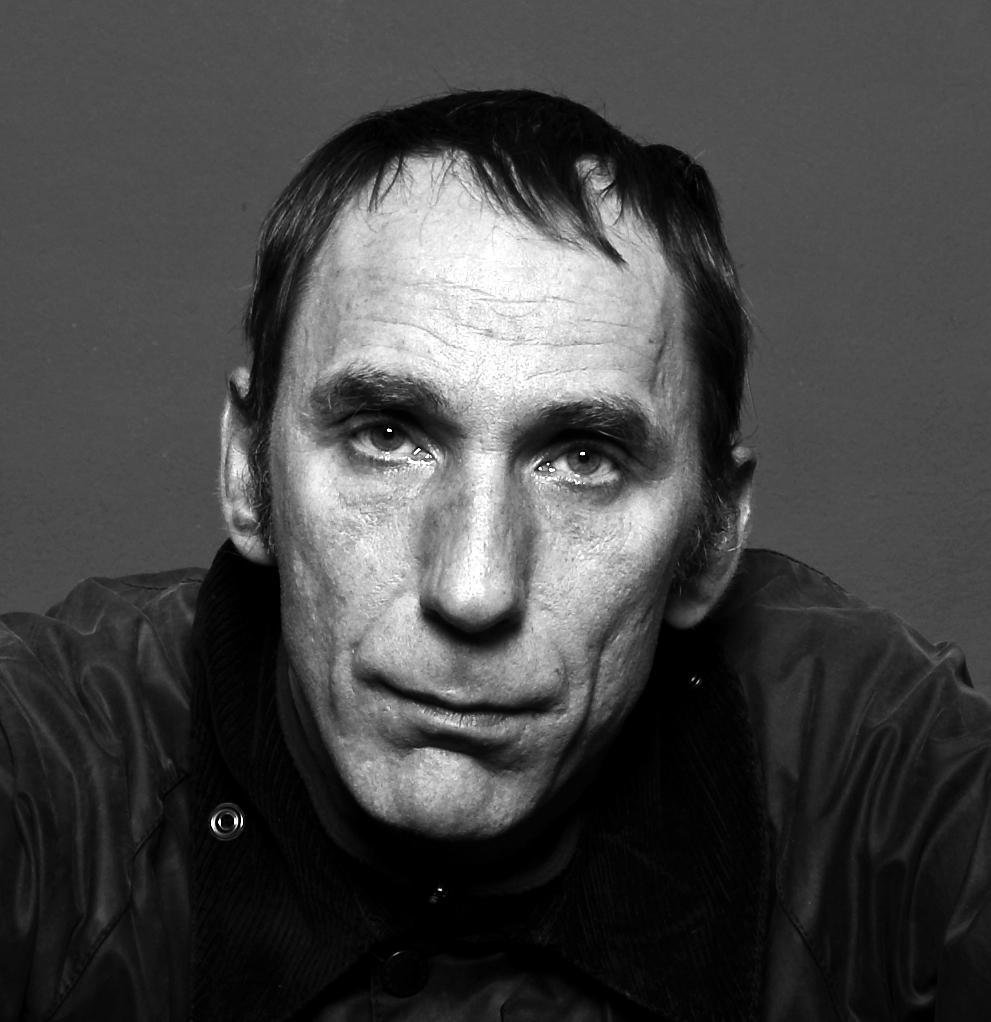
    Will Self, who has previously written that “the literary novel as an art work and a narrative art form central to our culture is indeed dying before our eyes”, the statistics from the survey were unsurprising. He said: “My own royalty income has fallen dramatically over the last decade. You’ve always been able to comfortably house the British literary writers who can earn all their living from books in a single room – that room used to be a reception one, now it’s a back bedroom.”

    Children’s author, Mal Peet, echoed Will Self’s words in The Guardian – pointing out that his own income from his books had “dwindled really significantly” from receiving around £30,000 every six months to just £3000 for the first six months of 2013.

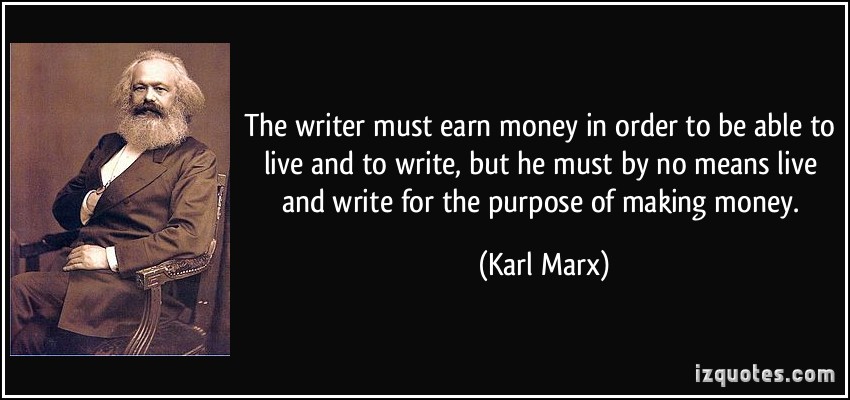
    quote-the-writer-must-earn-money-in-order-to-be-able-to-live-and-to-write-but-he-must-by-no-means-live-karl-marx-120997

    “My direct income from sales is abject – literally abject. There’s been an absolutely radical decline in my income over recent years,” said Peet. “I do live by writing, but that’s because I have got a backlist of educational books which keeps on selling, and I have a pension, and I have to go on the road. Because I’ve a certain reputation, I can ask for a £25,000 advance, but then you spend a year writing the book, and £25,000 is a loan against sales and you can easily spend five years earning out. So that’s £25,000 for six years.”

    Author James Smythe also said in the Guardian that he would never “earn out” an income from his writing. “Being a writer can’t be treated like it’s a job. It maybe was once, but no writer can treat it as such nowadays. There’s no ground beneath your feet in terms of income, and you can’t rely on money to come when you need it,” he said.

    “I know very few writers who earn above the Minimum Income Standard, and that means that they need second jobs,” Smythe added. “Awards and critical acclaim used to be enough, in the heady days of 1970s publishing. It’s simply not, now.”

    The ALCS described the new figures as “shocking”. “These are concerning times for writers,” said chief executive Owen Atkinson. “This rapid decline in both author incomes and in the numbers of those writing full-time could have serious implications for the economic success of the creative industries in the UK.”

    For those writers who see self-publishing as a realistic means of earning an income from their writing, it also appears as though such hope remains just that – hope. Smythe pointed out that “self-publishing is even less of a way of earning money from your writing if you’re any good than conventional publishing.”

    According to Smythe, “the industry works the way that it always has, just with tightened coffers”. So “if you sell, you’ll get more money next time around. If you don’t, then you’ll earn less. In most jobs, you work hard, and you deliver results. Unfortunately – and this is out of everybody’s hands – working hard in publishing guarantees no such results. You could write the best book in the world, and it could still sell dismally. My publishers are great, in that they believe I’ll write something that pays off. So I get to keep doing this. But one day, if I fail to deliver results, that will change. Why would you keep paying somebody money for no gain?”

    Of the 2454 writers who took part in the ALCS survey, 56% were men and 44% women. 17% were under the age of 44, with 54% aged 45-65 and 29% 69 years old or over.

    Poet Wendy Cope said that the findings of the survey may come as a surprise for many people.

    “Most people know that a few writers make a lot of money. This survey tells us about the vast majority of writers, who don’t,” said Cope. “It’s important that the public should understand this – and why it is so important for authors to be paid fairly for their work.”

  • atlantis3

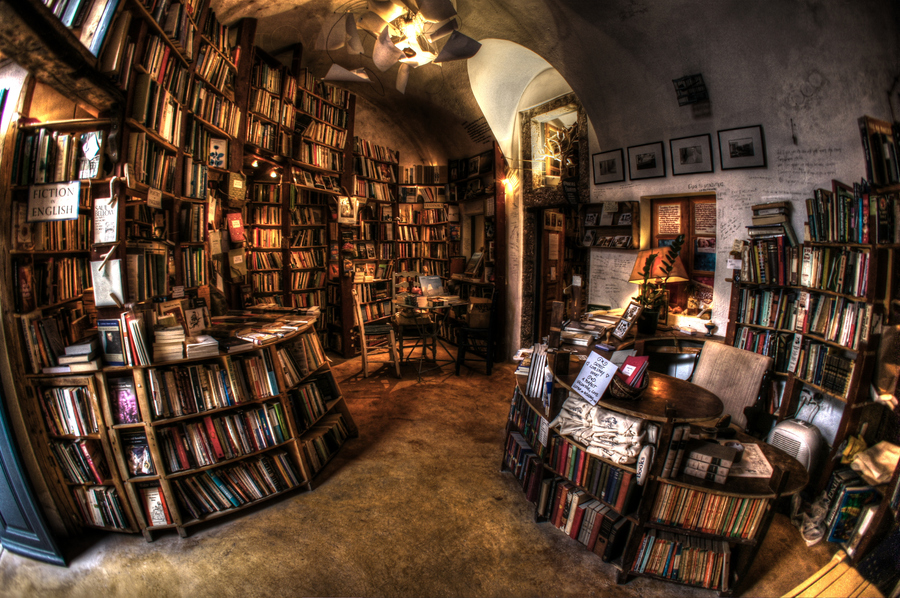
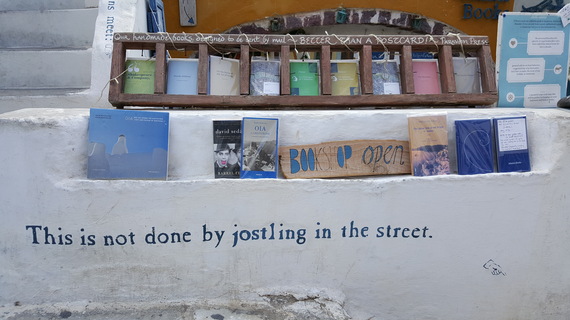
    Atlantis Books – described in the Guardian as “a dream of a bookstore” – has been run by an international collective of artists, writers and activists since 2002, when it was first founded on the Greek island of Santorini.

    As well as organising theatre and open-air cinema, and running the successful annual Caldera Festival since 2011, the bookstore has also set up programs such as the ‘book donkey’, which brings books to the local schools.

    Atlantis 2

    However, the bookstore is now facing the threat of extinction, and the collective or artists who support Atlantis Books is now seeking help to secure its existence.

    The owner of the picturesque cave house that has accommodated the Atlantis Bookstore since 2005 has announced plans to sell the property and, although no legal documents have yet gone around regarding the sale, the owner has claimed to have secured a 1 million euro deal for the building.

    Atlantis 1

    One of the original founders of Atlantis Books, Craig Walzer, has since struck a deal with the owner, which would see the building sold to the company, if they are able to come up with the same amount of money.

    The race is now on to raise the funding for the purchase. Walzer has already said he is willing to invest his own personal savings to secure the store buyout and set up a writer’s and artist’s residence on Santorini, and the bookstore also has a first edition copy of The Great Gatsby which is expected to sell for around 10,000 euros.

    Atlantis 4

    However, Walzer has also estimated that the total funds needed to buy the building and keep the business sustainable will be around US$1.5 million – which will go toward the cost of buying out the bookstore building and paying off the IRS tax that will be imposed on the campaign revenue.

    The importance of securing the funding for the building cannot be overstated.

    Not only has the building become a landmark for the area, it has also become an international symbol of creativity, art, and writing. It stands for both the local people and the world at large, and the story of the bookstore stands out as being one of ethical business, creativity, and entrepreneurial spirit. One of the store’s interns once put it this way:

    “I had always held the assumption that business was essentially a Darwinian struggle to best competition, while fending off would be predators, in order to vie for the business of customers. The bookshop however operates on an entirely different paradigm. Most notably for me is the complete lack of adversaries it inspires. The island locals are proud and grateful for the store, especially since they can find books in Greek. The tourists are delighted at the unexpected opportunity to refresh their travel reading, or take home a colorful coffee table book. The surrounding business are happy the bookshop does its part to attract people to the area, while not directly competing with them. The people working the store like myself are grateful for the opportunity to stay in such a beautiful location with inspiring company. And of course the owners are happy the store is performing all the above functions, as well as being profitable for them. In short the bookstore improves the lives of everyone it touches.”

    Of course, it’s important to remember that this isn’t the first time that the Atlantis team has turned to crowdfunding. In 2011, the bookstore raised US$40,000 through a two-month Indiegogo campaign, which was organised in order for the owners to perform “overdue renovations to the shop interior, the transformation of our terrace into a flexible retain and performance space and the buying of fresh stock of unique books”.

    That money has kept the doors open for the past four seasons. The new campaign of course seeks substantially more, but in the views of those who have been inspired by Atlantis Books; it is certainly a price worth paying.

  • pullman, philip

    Author of the best-selling His Dark Materials books, Philip Pullman, has warned that unless publishing houses make “serious” changes, the professional author “will become an endangered species.”

    Pullman is heading a new charge from writers demanding to be rewarded fairly for their work, as the Society of Authors points to a recent survey that found the median income of a professional author is now just £11,000, with only 11.5% of UK writers able to make a living purely from writing.

    The Society of Authors points out that “authors remain the only essential part of the creation of a book and it is in everyone’s interests to ensure they can make a living.”

    “Unfair contract terms, including reduced royalty rates, are a major part of the problem”, the Society adds.

    Pullman said that the case for fair terms for writers was “overwhelming”.

    “From our positions as individual creators, whether of fiction or non-fiction, we authors see a landscape occupied by several large interests, some of them gathering profits in the billions, some of them displaying a questionable attitude to paying tax, some of them colonising the internet with projects whose reach is limitless and whose attitude to creators’ rights is roughly that of the steamroller to the ant,” Pullman, the current president of the Society, said.

    “It’s a daunting landscape, far more savage and hostile to the author than any we’ve seen before. But one thing hasn’t changed, which is the ignored, unacknowledged, but complete dependence of those great interests on us and on our talents and on the work we do in the quiet of our solitude. They have enormous financial and political power, but no creative power whatsoever. Whether we’re poets, historians, writers of cookery books, novelists, travel writers, that comes from us alone. We originate the material they exploit,” he added.

    A key change necessary to improve the lot of professional writers comes in regard to revenue from ebooks, with the Society of Authors arguing authors should receive at least 50% of revenue from these digital sales, rather than 25%.

    The society also asked publishers to stop discriminating against writers “who don’t have powerful agents”.

    “Some publishers are excellent but we see many inequitable contracts. Without serious contract reform, the professional author will become an endangered species and publishers – as well as society at large – will be left with less and less quality content,” the letter, sent by Society of Authors’ chief executive Nicola Solomon, reads. “Unless publishers treat their authors more equitably the decline in the number of full-time writers could have serious implications for the breadth and quality of content that drives the economic success and cultural reputation of our creative industries in the UK.”

    Analysis

    Professor Wu says: “Established and aspiring authors already know only too well how difficult the challenge of earning a living through writing can be – and it is a challenge made all the more difficult by current practices within the publishing industry. Authors and writers play a crucial role in our society, and in our culture, and there needs to be recognition of this.”

    “Of course, we understand that the book business is facing a number of challenges, and it’s important that we see publishers do well – for the same reasons that it’s important to see writers do well. However, we must be careful not to fall into a situation where only the already-wealthy can afford to be writers. How many voices are being denied a deserved platform because of current financial restrictions? How many great novels are we not getting, because fantastic writers aren’t able to afford the costs of writing their magnum opuses? And what degrading impact is that having on wider society? What new ideas are we not hearing? What new ways of looking at the world are we failing to see? It’s time for a change – it’s time for authors and writers to unite; after all, we have nothing to lose but our draconian publishing contracts.”

  • london-fireworks

    So the New Year hangovers are gradually receding and New Year’s resolutions have been both started and abandoned in earnest. Literary stocking fillers have been read and enjoyed, and those presents we were less than impressed by have been exchanged for books. Writers are cogitating quietly, holed up from winter storms, preparing for upcoming writing competitions. As we look to the year ahead, though, the question on every bookworm’s tongue, of course, is what literary delights we can expect to come our way over the next twelve months.

    We here at Nothing in the Rulebook have incanted the runes and stared into the tea leaves, and have come up with some of the key trends to watch out for in 2016.

    1. Books are back – did they ever go away?

    john-green-wint-twee-jongerenliteratuur-prijzen

    Tales of the printed book’s demise have been much exaggerated, it seems. Despite the long-standing brouhaha around e-books and how they were set to take up at least 50 – 60% of the literary market, Waterstones and Foyles have been announcing strong sales figures or printed, physical books (made of paper, would you believe?) and even predictions about the death of the Kindle.

    Consider the words of Robert Topping – owner of bookshops in the beautiful towns of Ely, Bath and St Andrews: “I’m utterly confident that there is life in books. E-books were hyped up nonsense. It could be the zeitgeist, I don’t know, but people are talking more about supporting community businesses rather than sucking money out of the community and giving it to American tax dodgers.”

    He adds: “I don’t know about you, but I spend all day staring at a computer screen, I don’t want to go home in the evening and stare at another one.”

    After Waterstones reported an increase in sales of book figures of 5%, the company even took the Kindle off its shelves. Perhaps this in part because people are starting to recognise how good printed books actually are: after all, for starters, they have pretty good longevity, they’ll work just as well today as they do ten years from now, they don’t need to be recharged, and if you spill water on them, they’ll still work! Incredible!

    1. Adult colouring books continue to boom

    corbyn-xlarge_trans++q5No73OhvEgSBlI7UCrz97ZJpVifVxAFfZHMjXoZpsU

    In 2011, the British publishing house, Laurence King, asked Johanna Basford, a Scottish artist and commercial illustrator specialising in hand-drawn black-and-white patterns for wine labels and perfume vials, to draw a children’s colouring book. Basford suggested instead that she draw one for adults. And so began what has been one of most intriguing publishing trends in recent years – and one that seems set to continue.

    Fuelled by the rise of digital technology and social media, adults seem caught on the idea of colouring in these books and sharing their work on forums like Facebook and Pinterest.

    “We’ve never seen a phenomenon like it in our thirty years of publishing. We are on our fifteenth reprint of some of our titles. Just can’t keep them in print fast enough,” Lesley O’Mara, the managing director of British publishers Michael O’Mara Books, said.

    When you have delights like Dream Cities, or Colour me good Eddie Redmayne, as well as the sublime Jeremy Corbyn Colouring Book (pictured above), is it any wonder these have taken hold? Expect to see more of them in recent months – though perhaps not a David Cameron colouring book any time soon, after all, we’re talking about a man described by illustrator James Nunn as having “a big dough face with no markings, no sign of life on his face.”

    1. The explosion in sales of left-wing literature shows no sign of abating

    marxengelsetext93manif12

    Bookstores across the UK have reported huge spikes in the sales of socialist and left-wing literature. In fact, some booksellers have noted being inundated with requests for Karl Marx’s Capital, and The Communist Manifesto.

    With figures like Jeremy Corbyn and Bernie Sanders coming to prominence in the UK and the US, alongside booming left-wing movements in Europe – from Syriza in Greece, Podemos in Spain and the newly elected left-wing coalition in Portugal – it seems likely such publishing trends are set to continue, as consumers become more interested in the literature of left-wing philosophers and economists.

    1. Publishers feel the power of the force

    2000px-Star_Wars_Logo.svg

    With ‘Star Wars: The Force Awakens’ set to break box-office records, publishers expect a corresponding rise in consumer demand for science fiction and books about regaling space adventures.

    Orbit, a science fiction and fantasy imprint of Hatchette, is set to double its annual number of sci-fi titles to 90 books. Meanwhile, in late 2015, Simon & Schuster launched its own science fiction imprint – Saga – in anticipation of the ‘Star Wars effect’.

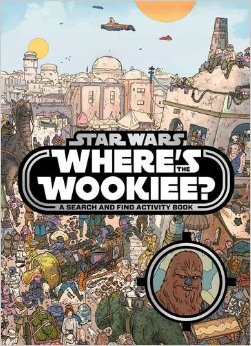
    And of course, we’ve already seen some Star Wars-specific books released – such as the new take on the classic ‘Where’s Wally’ book series in the recently released Find the Wookie search and find book.

    1. More female protagonists and heroines

    Catching_Fire_Katniss_Everdeen_Blog

    Just as Rey in the Force Awakens has proven to be a feminist hero mainstream cinema has been so sorely lacking, so too have characters like Katniss Everdeen from bestselling book trilogy The Hunger Games finally started to shift attitudes towards female protagonists and heroines in mainstream book publishing.

    At last, it seems as though girls are at the centre of the action is ways that go beyond spending 300 pages worrying about which boy to go out with (sorry, Twilight fans). Instead, the heroine is growing increasingly central to the books we read – and their quest is no longer to simply find love or win the heart of a man.

    Here, YA fiction is leading the charge – with a string of new heroine-led books set to be published in the coming year. They include The Shadow Queen by C.J. Redwine, Nemesis, by Anna Banks, and Of Fire and Stars, by Audrey Coulthurst.

    They’re already on our to-read list!

    1. The future of literature may be electric

    Electric-Book-500x500

    Increasingly, books are being designed with the digital age in mind. So-called ‘interactive’ literature combines the traditional printed book with apps and software. This creates, according to Faber & Faber, “a rabbit hole that encourages all sorts of reading”.

    Another intriguing trend has been the development of computer software that generates original pieces of poetry and creative writing. Already, this software has had pieces of writing accepted into various journals and magazines. It begs the question as to whether androids actually dream of electric literature.


  • 5 reasons writers love winter

    winter-quotes-picture

    Winter has been at the heart of countless literary classics, and for generations, it has served writers well as a metaphor for stillness, sterility, and despair – as well as for introversion and contemplation. Understandably, the relationship between writers and winter has long intrigued.

    This relationship is explored intriguingly in Stephen King’s The Shining, writer Jack Torrance takes on the job of winter caretaker at a grand hotel in the American Rockies. He is convinced that the isolation and the light workload will be invaluable in helping him get to work on the novel he’s been planning. Such a feeling is undoubtedly familiar to many writers, convinced that a retreat will be the catalyst to productivity.

    Of course, lovers of the book – or the Kubrick film adaptation – will know the reality turns out a little differently. Torrance stalls work and procrastinates for weeks on end and is eventually driven to madness. He works through his writer’s block by typing “all work and no play makes Jack a dull boy” repeatedly, and also takes to writing the same phrase on the walls of the hotel. Such a solution to creative block is not advised for anyone struggling to meet deadlines (self-imposed or otherwise).

    Yet while Torrance here perhaps does not have the most stable of relationships with the cold season, there are plenty of reasons why writers are drawn to winter – both as visual, linguistical aid and writing tool, as well as being perceived as an opportunity to focus on their work and write (albeit with more focus on the writing and less focus on the axe-wielding murdering that Torrance gets up to).

    We’ve put together a few of the best reasons writers should start falling in love with winter right this minute…

    Winter sunset, Mount Tegelberg, Bavaria, Germany
    Winter sunset, Mount Tegelberg, Bavaria, Germany
    1. Winter scenery is inspiring

    Certain images of winter recur time and again throughout wintry literature. The transformation of a river in winter from a fluid pathway to a solid one can be magical or devastating, a glassy arena for figure skating or an icy grave. This shift can convey a powerful mood.

    Think of James Salter’s lyrical novel Light Years, where he describes New York’s Hudson River in winter:

    “We dash the black river, its flats smooth as stone. Not a ship, not a dinghy, not one cry of white. The water lies broken, cracked from the wind… The day is white as paper. The windows are chilled. The quarries lie empty, the silver mine drowned. The Hudson is vast here, vast and unmoving.”

    For writers of all ilks – screenwriters and playwrights, novelists, poets and short story writers – the scenes and images we encounter in winter can carry all manner of different meanings. They can inspire stories and poems, and guide our pens when we err or lose focus.

    1. It’s the excuse we need to stay inside and write

    Shorter days and lack of reason to stray outside provide us with a reason to devote more of our time to our notepads and keyboards (or minimalist typewriters). The season carves out more time for us to spend with our loved ones – so often the inspiration for great writing – and also leaves us space to contemplate the world, ourselves and our writing.

    While the urge to seek distraction via Christmas television, award-season films and through our social media networks may be great, such opportunities for silent, calm contemplation should be seized with fierce gusto by all writers.

    As an added bonus, if the weather is too fierce to venture outside, there’s no risk of being that hipsterish aspiring writer sitting in a coffee shop with a cinnamon-mochalattefrappecino. The importance of not becoming this guy can perhaps not be stressed strongly enough.


    1. It’s a break to prepare for the next round of writing events

    Winter gives us a chance to take a break from touring the literary circuit and networking at conferences and seminars, and helps us recharge for next year. It also gives us time to research upcoming events for the year ahead, as well as new writing competitions – a list of which we’ve put together here.

    1. Winter helps us add new dimensions and elements to our stories

    Winter settings add elements of claustrophobia and danger to a story. Think of Butcher’s Crossing, for instance, where a small troupe of buffalo hunters are trapped in the mountains by a fierce snowstorm, and forced to survive for months on end in isolation among the potentially fatal elements.

    They also help enhance ideas and narrative elements. Think of The Shining here, how King describes winter weather to help ratchet up the tension:

    “It snowed every day now, sometimes only brief flurries that powdered the glittering snow crust, sometimes for real, the low whistle of the wind cranking up to a womanish shriek that made the old hotel rock and groan alarmingly even in its deep cradle of snow.”

    1. Without winter we wouldn’t appreciate the summer

    Perhaps the most important reason for falling in love with the cold season, however, is that our experience of winter helps us better understand and appreciate the summer.

    This concept is described expertly by Adam Gopnik in his beautiful love letter to winter. He writes:

    “Without the stress of cold in a temperate climate, without the cycle of the seasons experienced not as a gentle swell up and down but as an extreme lurch, bang! from one quadrant of the year to the next, a compensatory pleasure would vanish from the world. There is a lovely term in botany — vernalization — referring to seeds that can only thrive in spring if they have been through the severity of winter. Well, many aspects of our life have become, in the past several hundred years, “vernalized.” (Even those who live in warmth recognize the need for at least the symbols of the cold, as in all that sprayed-on snow in Los Angeles in December.) If we didn’t remember winter in spring, it wouldn’t be as lovely; if we didn’t think of spring in winter, or search winter to find some new emotion of its own to make up for the absent ones, half of the keyboard of life would be missing. We would be playing life with no flats or sharps, on a piano with no black keys.”


  • Jpeg

    Ohohoho! Saviours of the written word! As we look forward to a fan-frickin-tastic 2016 filled with a multitude of writerly insights and discussion, we’ve compiled a list of upcoming writing competitions scheduled for the year ahead.

    Included are details about word counts, deadlines and direct links to each event.

    If you’d like to add a writing competition to our list then please feel free to contact us!

    1. Graywolf Press Non-Fiction Prize

    The next submission period for the nonfiction prize will be from January 1-31, 2016.

    A US$12,000 advance and publication by Graywolf will be awarded to the most promising and innovative literary nonfiction project by a writer not yet established in the genre.

    Submissions must include a one-page cover letter, a two to ten page overview of the project (including what is already complete) and a minimum of 100 pages (25,000 words) from the manuscript.

    1. Climate Fiction Short Story Contest

    Climate change – perhaps better described as catastrophic climate breakdown – undoubtedly represents one of the most significant threats to humanity. Yet it remains a fairly abstract concept for most of us.

    Speculative fiction stories have the power to take abstract ideas and turn them into gripping, visceral tales. The emerging subgenre of climate fiction help us imagine possible futures shaped by climate change.

    The grand prize for this competition is US$1000, and the deadline for submissions up to 5000 words in length is January 15th.

    1. Bare Fiction Magazine Short Story Competitions

    Any style/genre of writing in a variety of forms, including short stories, flash fiction and poetry. An annual competition with submission deadline of October.

    Short story submissions must be below 3000 words and the associated entry fee is £8. Winners of each category receive £500.

    1. Bedford Writing Competition

    Annual competition for writing of any style or genre. Winners are published on website and in an eBook, and they also receive a £200 prize.

    Submissions have a maximum word count of 3000 words and the associated entry fee is £5.

    1. Young Lions Fiction Award

    This award recognises ‘young authors’ – defined in the competition rules as anyone aged 35 or under. Submit any novel or short story published or scheduled to be published in the calendar year.

    The deadline for submissions is August.

    1. 2016 Newcastle Short Story Award

    One for Australian writers. First prize is AU$2000. The deadline for submissions is midnight, 31st January 2016 and the entry fee is AU$15. The maximum word limit is 2000 words, which includes both titles and any subheadings.

    1. Chicago Tribune short story award

    The contest is open to all writers in residence in the United States. All entries must be fiction and less than 8000 words in length. First prize is US$3500 with four finalists receiving US$1000 each and five runners up receiving US$500.

    Deadline is January 31st 2016.

    1. PEN/Faulkner Award for Fiction

    For American citizens with books published in the calendar year (or scheduled to be published) – no self-published books will be accepted. No submission fees, with a deadline of October.

    1. British Fantasy Society Short Story Competition

    One for fantasy writers. Deadline for submissions (max 5000 words) is annually in June. There is a £5 entry fee and first prize receives a £100 award.

    1. The Caine Prize for African Writing

    For published African authors of fiction. Must be over 3000 words in length and written for adults. Advisable length for the stories is between 3000 and 10,000 words. There is a cash prize of £10,000 and works must be written in or translated into English.

    Deadline for submissions is January 31st.

    1. Cinnamon Press Writing Competitions

    Any style or genre of writing is eligible for their rolling competition deadlines, which fall throughout the year between September and July. Entry fees vary according to form of writing, such as poetry, novels, short stories and flash fiction.

    1. Artificium Short Story Competition

    What makes a winner? The judges are looking for accomplished writing, full of style and intelligence, demonstrating a passion for language. Intriguing plots and themes that captivate the reader and make them think. Any genre, as long as the quality of writing is high. Works must be written in English, and authors can be from any country.

    Submissions must be less than 8000 words in length. There is a £6 entry fee and a prize of £300 for the winner.

    1. Nelligan Prize

    International writing prize for writers of all stripes and nationalities. Deadline is March 14th, 2016 for submissions of 12,500 words or less. Entry fee is US$15 and first prize is US$2000.

    1. The Bath Short Story Award

    An award for local, national and international writers. Closing date for submissions is April 25th, 2016. Short stories of up to 2200 words in all genres and styles are welcome – there is no minimum word limit. First prize receives £1000 and there is also a local prize for Bath residents, as well as The Acorn Award of £50 for unpublished writers of fiction. Entry fee is £8.

    1. The Bristol Short Story Prize

    Entries are welcomed for unpublished stories written in English. The deadline for submissions is 30th April 2016 and stories can be on any theme or subject. Maximum length of 4000 words. An £8 entry fee and first prize is £1000. There are also 17 further prizes of £100 for all shortlisted writers.

    1. Brooklyn Non-Fiction prize

    Annual prize awards US$500 for the “best Brooklyn-focused non-fiction essay which is set in Brooklyn and is about Brooklyn and/or Brooklyn people/characters”. (It’s Brooklyn centric, you might say).

    Submissions should be between 4 and ten pages long (up to 2500 words). Deadline is mid-November.

    1. Naomi Long Madgett Poetry Award

    Annual poetry competition for African America poets – both published and unpublished. The award offers a US$500 prize and publication by Lotus Press for the best book-length collection of poems (approximately 60 to 90 pages). Deadline is March 1st.

    1. The HG Wells Short Story Competition

    Space is the theme for the 2016 HG Wells Short Story Competition. Key date for your diary is July 17th – the final deadline for entries. Submissions must be below 5000 words in length and there is an entry fee of £10. Various prizes are on offer for different types and styles of writing. Check website for more details.

    1. The Doris Gooderson Short Story Competition

    Submissions welcomed for writing of any style or genre. Winners are published on the Wrekin Writers website and in the Wrekin Writers anthology. This annual competition offers a first prize of £150 for stories of no more than 1200 words. Entry fee is £3.

    1. Early Works Press

    Annual writing competition accepts entries of any style or genre. Winners are published in anthology containing 10 to 20 stories (length dependent). There is a £5 entry fee for stories up to 4000 words in length and £10 fee for stories up to 8000 words long. Deadline is October each year, though the publishers also run other competitions throughout the year, so it’s worth keeping an eye on their site for details.

    1. Exeter Writers Competition

    Exeter Writers runs an annual short story competition. The competition began in 2009 and is very popular, receiving entries from all over the UK. The 2016 competition is OPEN for entries. Prizes are £500, £250, £100 for first, second and third placed submissions. There is also a local prize of £100 for the best Devon entry.

    Deadline is February for stories no more than 3000 words in length, of any style or genre.

    1. The Fiction Desk Ghost Story Competition 2016

    Entry fee is £8 for ghost stories between 1000 and 7000 words in length. Though the website also runs competitions throughout the year for flash fiction stories. Deadline is Thursday, March 31st 2016 and first prize receives £500.

    1. Writer’s Digest Competition

    The winner of this annual award will receive US$5000 and an interview in Writer’s Digest. There are a variety of different award categories so it’s best to check the website for details. Deadline is May 6th 2016.

    1. Writers’ & Artists’ Yearbook 2016 Short Story Competition

    First prize receives £500 and a place on an Arvon residential writing course of your choice, as well as publication of your story on the W&A website. Closing date for writing submissions is Monday February 15th 2016 and all submissions must be unpublished prose of 2000 words or fewer.

    1. Manchester Writing Competition 2016

    There are two prizes – one for fiction and one for poetry. Both competitions offer a £10,000 first prize. Deadline for entries is Friday September 23rd 2016. The fiction prize will be awarded to the best short story of up to 2500 words, and is open to international writers aged 16 or over. The poetry prize will be given to the best portfolio of three to five poems (maximum length: 120 lines). The entry fee for each competition is £17.50.

    26. Tethered by Letters F(r)iction contest

    Literary publisher and resource for writers Tethered by Letters run this tri-annual publication, F(r)iction, – an art and literature imprint that is distributed around the world. It features short fiction, flash fiction, poetry, nonfiction, and even a selection of graphic stories. It also showcases amazing artwork.

    First prize for the short story contest is US$1000 and there is an entry fee of US$18. The first prize for both the poetry and flash fiction contests is US$300 and there is a US$10 entry fee.

    The deadline for these contests is 31 March 2016.

    27. The Short Story ‘Monthly 500’ Flash Fiction competition 

    The Short Story was established in 2015 and has quickly developed into an influential platform for short fiction. They champion short stories, flash fiction, and micro-fiction.

    Every month, they invite submissions for their flash fiction competition, the winner of which receives publication on their website and £50.

    The deadline for each month’s contest is midnight on the last day of each month.

    There is an entry fee of £2.28 and entries must be no longer than 500 words (including title).

    28. The Tales for Teens competition from Skylark Literary Agency 

    Skylark Literary Agency are on the look out for dazzling and original writing for young teens. They are looking for compelling voices with strong characters and a gripping story – an “unputdownable read” for 13-15 year olds.

    Entries must take the form of a one-page synopsis and the first three chapters of the novel, submitted by via email.

    The competition is open to writers of any nationality writing in English, and entrants must be unpublished in the field of fiction and unagented.

    The winner will receive a one-to-one editorial critique of their finished manuscript either via telephone of in person (location permitting) with one of the competition judges.

    The deadline for entries is Easter Sunday – 27th March 2016.

    29. The Brighton Prize

    The Brighton Prize offers cash prizes for new short and flash fiction. If you’re a writer with a brilliant short story that will both challenge and excite the judges; this is for you.

    Submissions are currently open for flash fiction up to 350 words, and short stories of 1-2000 words.

    The winner of the short story prize will receive £500, and the winner of the flash fiction prize will receive £100.

    There is an entry fee of £8 for short stories and £6 for flash fiction.

    The deadline for submissions is 10th June.

    30. New Welsh Writing Awards 2016: University of South Wales Prize for Travel Writing

    The prize celebrates the best short form travel writing from writers based in the UK and Ireland and those based worldwide who have been educated in Wales. The word length is 5,000-30,000 and the closing date is midnight 3 April. Entry is free.
    The winner receives £1,000 cash, e-publication by New Welsh Review on their New Welsh Rarebyte imprint in 2016, as well as a positive critique over lunch with leading literary agent Cathryn Summerhayes at WME.
    Second prize is a weeklong residential course in 2016 of the winner’s choice at Tŷ Newydd Writing Centre, and third prize is a weekend stay at Gladstone’s Library.
  • Umtauschautomat-008

    What do you do with those unwanted Christmas presents? Rather than attempt the half-thought out gift repurposing – where you end up accidentally giving your Aunt Mildred the same pair of bright pink suspenders she gave you and trying in vain to persuade her that you both just have similar tastes in presents – a German book retailer has come up with an innovative way of addressing this age-old problem.

    Hugendubel – which owns some 70 odd high street bookshops in major department stores throughout Germany – has paired up with German trade publisher Bastei Lübbe to develop a somewhat unusual solution.

    The organisations have invented a vending machine (pictured above), which recycles unwanted gifts in exchange for books.

    Users simply dump their presents – of all shapes and sizes – and at the touch of a button see it replaced by one of a number of different book titles.

    “Books are simply the best gifts in the world, and the conversion machine is a wonderful way that [can be] emphasized again even after the holidays,” Ricarda Witte-Masuhr, Bastei Lübbe’s marketing manager, said.

    The device will be set up outside Hugendubel branches after ‘C-Day’, on 28th December in a busy shopping centre in Munich. This will be followed by appearances in Ingolstadt the following day and in Nuremberg on 30th December.

    The seven frontlist book titles will be supplied by Bastei Lübbe and include bestselling authors such as Rebecca Gable and Ethan Cross.

    All unwanted presents will be given to local charities.

    Book vending machines have been on the rise recently, with Washington D.C. setting up vending machines that dispense free books to children. Meanwhile, another German initiative – the Hamburger Automatenverlag – saw literary vending machines established by repurposing former cigarette vending machines. And in the UK, Warwickshire libraries have been working with local hospitals to introduce a library book vending machine, which featured over 400 different book titles.

  • Winter sunset, Mount Tegelberg, Bavaria, Germany
    Winter sunset, Mount Tegelberg, Bavaria, Germany

    As we slink by the winter’s solstice and our dark days grow colder (or milder and wetter, as the case may be in the UK), there’s certainly a heavy amount of cultural baggage that burdens our seasonal metaphors.

    Winter, after all, is so often presented as a season symbolic of spiritual barrenness – sometimes a psychological manifestation of emotional trauma and anguishing longing for comfort and warmth.

    With the commercialisation of Christmas (UK households are set to spend well over £800 apiece in 2015 – largely on superfluous Star Wars merchandise), what once presented a core tenet of spirituality during the winter months has also become barren, and largely devoid of meaning.

    Writers have often used this landscape as inspiration for their stories, poems and novels. Donna Tartt’s The Secret History, for instance, is as chilling as the wintery mountain air in which it is set. While Charles Dickens’s A Christmas Carol is surely mandatory reading for every one of us, as we seem to need reminding that Christmas is meant to be a time of love and goodwill, and not Darth Vader toasters.

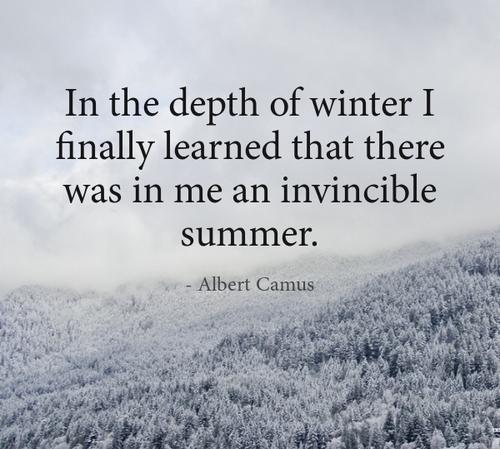
    Yet few have truly explored the cold season’s splendour and significance to our own lives. Albert Camus famously wrote, “In the depths of winter, I finally learned that within me there lay an invincible summer” – in some of the most beautiful thoughts committed to words on the subject. But one writer has gone further still.

    In 2011, essayist and long-standing New Yorker contributor Adam Gopnik set out to reclaim the wonder, the satisfactions, and the significance, of winter in a series of lectures celebrating the 50th anniversary of the Canadian Broadcasting Company’s Massey Lecture Series.

    These lectures, now published as Winter: Five Windows on the Season stand as a potent mixture of love letter to and cultural history of winter – exploring in depth the season’s image within popular imagination and interpretation.

    Gopnik’s inquiry sees him explore winter through the works of Pushkin, Hans Christian Anderson, Goethe and Schubert, and he discusses the role of engineers, architects and polar explorers in shaping our perceptions of the season.

    He writes:

    “Human beings make metaphors as naturally as bees make honey, and one of the most natural metaphors we make is of winter as a time of abandonment and retreat. The oldest metaphors for winter are all metaphors of loss.”

    Yet for Gopnik, such metaphors are wholly unsatisfactory. To counter such images and perceptions, he offers a defiant counterpoint to our cultural mythological misappropriation of winter, what it is, and what it means:

    “My heart jumps when I hear a storm predicted, even in the perpetual grisaille of Paris; my smile rises when cold weather is promised, even in forever-forty-something-Fahrenheit New York. Gray skies and December lights are my idea of secret joy, and if there were a heaven, I would expect it to have a lowering violet-gray sky (and I would expect them to spell gray g-r-e-y) and white lights on all the trees and the first flakes just falling, and it would always be December 19 — the best day of the year, school out, stores open late, Christmas a week away.”

    Such presentations and celebrations of winter are vital to us as human beings, Gopnik argues, though he notes that they may be part of a unique “modern taste”:

    “A taste for winter, a love for winter vistas — a belief that they are as beautiful and seductive in their own way, and as essential to the human spirit and the human soul as any summer scene — is part of the modern condition. Wallace Stevens, in his poem “The Snow Man,” called this new feeling “a mind of winter,” and he identified it with our new acceptance of a world without illusions, our readiness to live in a world that might have meaning but that doesn’t have God. A mind of winter, a mind for winter, not sensing the season as a loss of warmth and light, and with them hope of life and divinity, but ready to respond to it as a positive, and even purifying, presence of something else — the beautiful and peaceful, yes, but also the mysterious, the strange, the sublime.”

    Gopnik notes that the ability to praise winter, and to think of it as something to be celebrated and to fill us with as much joy as the sight of summer may give us, has been made possible by the conquest of artificial warmth:

    “The romance of winter is possible only when we have a warm, secure indoors to retreat to, and winter becomes a season to look at as much as one to live through.”

    CathedralofLearningLawinWinter

    Charting our changing perceptions of winter, Gopnik writes:

    “In the past two hundred years we have turned winter from something to survive to something to survey, from a thing to be afraid of to a thing to be aware of. It’s through the slow crawl of distinctions, differentiations, and explanations that the world becomes … well, never manageable, but recognizable, this place we know. The conquest of winter, as both a physical fact and an imaginative act, is one of the great chapters in the modern renegotiation of the world’s boundaries, the way we draw lines between what nature is and what we feel about it.”

    Crucially, Gopnik argues that winter is essential to our enjoyment of summer, as without the coldness of one we would not be able to appreciate the warmth of the other:

    “Without the stress of cold in a temperate climate, without the cycle of the seasons experienced not as a gentle swell up and down but as an extreme lurch, bang! from one quadrant of the year to the next, a compensatory pleasure would vanish from the world. There is a lovely term in botany — vernalization — referring to seeds that can only thrive in spring if they have been through the severity of winter. Well, many aspects of our life have become, in the past several hundred years, “vernalized.” (Even those who live in warmth recognize the need for at least the symbols of the cold, as in all that sprayed-on snow in Los Angeles in December.) If we didn’t remember winter in spring, it wouldn’t be as lovely; if we didn’t think of spring in winter, or search winter to find some new emotion of its own to make up for the absent ones, half of the keyboard of life would be missing. We would be playing life with no flats or sharps, on a piano with no black keys.”

    They are thoughts reminiscent of those penned almost a century beforehand by Rainer Maria Rilke – one of the most prolific and poetic writers in history, who wrote:

    “This last long winter, I have experienced a truth more completely than ever before: that life’s bestowal of riches already surpasses any subsequent impoverishment. What, then, remains to be feared? Only that we might forget this! But around and within us, how much it helps to remember!”


  • stocking

    The average British family is set to spend over £800 this Christmas. It’s possible that quite a lot of that will be splurged on some of the wide range of Star Wars: The Force Awakens merchandise currently piled high in every shop window – from your Lightsaber BBQ tongs to your BB-8 oranges.

    Star Wars images

    While we’ve been puzzling over just what it is exactly about oranges that makes them suitable Star Wars-themed, we’ve come to the conclusion that some of the best purchases you can make this Christmas may be on items that have a far longer shelf-life and far greater usability than Star Wars fruit and utensils. Although of course that Star Wars Darth Vader toaster is a must-buy for all your estranged aunts, uncles, first and second cousins.

    We’re of course talking about books. Not only can they be read again and again, and invite us to explore new worlds and entire new universes, they also help us think differently about the world – and they teach us about wonderful new ideas. They’re also good for us, too. Perhaps even better than the vitamin C you’ll get from those Star Wars oranges. As this paper in the journal Science points out, reading literary works cultivates a skill known as “theory of mind”, which is described as the “ability to ‘read’ the thoughts and feelings of others.” So books make us nicer, basically. If there is anything more appropriate at Christmas, then, we certainly haven’t come across it.

    So which books should you buy for those special people in your life who aren’t getting that Vader toaster? Well, surely size comes into it – because they have to fit into stockings of all shapes and sizes.

    To help you narrow your options down, take a look at some of our suggestions, below:

    1. Penguin Little Black Classics

    Penguins-Little-Black-Cla-009

    80 little books to choose from – one for each year in the life of Penguin Books and each around 60 pages long – give you a wealth of options to choose from. These extracts of wider classical literary works are sure to offer choices to meet all literary tastes. Authors include Karl Marx, Gerard Manley Hopkins, Plato, Caligula, Keats, Flaubert, Dostoevsky and Dickens. What’s not to love?

    1. The Absent Therapist, by Will Eaves


    absent therapist

    Technically described as a novel, this delightful little book will fit any stocking – but would also be a great find under the Christmas tree. A collection of mini-narratives, each with a precise tone and occasional touches of poetry, feature stories of artificial intelligence and musings on philosophy, of travel and adventure, and of course, family feuds – without which it simply wouldn’t be Christmas.

    1. On Inequality, by Harry Frankfurt

    On inequality

    Certainly one for the more miserly Christmas gift receiver, who will undoubtedly point out that the credit-fuelled Christmas expenditure is forced upon the poorest in society by those marketing and corporate execs who bombard us with advertisements designed only to make us consume endlessly on a finite planet. But this fascinating book by New York Times bestselling author Harry Frankfurt addresses one of the most divisive and important issues of our time – inequality.

    1. A Guinea Pig Pride and Prejudice

    Guinea Pig

    It is a truth universally acknowledged, that a single man in possession of a good fortune must be in want of a wife. Few people realise that this same truth applies to Guinea Pigs. This brand new abridgement to the classis Jane Austen novel helps set the record straight in this regard.

    1. A satirical spoof of the classic ‘Peter and Jane’ series

    Penguins new Ladybird books

    Penguin’s new series of spoof Ladybird book titles, modelled on the Peter and Jane learning reading books from the 1960s and 70s have been selling out in their hundreds of thousands as potential stocking fillers. They feature “The Ladybird Book of Sheds” and “The Ladybird Book of the Hipster”. Yet they have been inspired by books they initially threatened legal action over – the wonderfully satirical ‘We Go to the Gallery’ by Miriam Elia. Instead of going for the spoof of the spoof, why not get your loved ones the real thing?

    1. The Jeremy Corbyn Colouring Book, by James Nunn

    Jeremy Corbyn colouring book

    A fantastic twist that has accompanied the explosion in popularity of adult colouring books, as well as in left-wing literature, James Nunn’s Corbyn-themed colouring book is a wonderfully interactive gift for people on all wings of the political spectrum. Not only topical – Corbyn is, after all, a massive part of our cultural consciousness at the moment – the book also shines a light on a man whose message of kindness, respect, love and honesty surely fits perfectly with the true meaning of Christmas.

    1. Where’s the Wookie?

    Where's the wookie

    If you really can’t avoid getting in on all the Star Wars hype, we can’t think of many better stocking filler options than this suitably fitting take on the classic ‘Where’s Wally’ book series. You might think that an eight-foot tall walking carpet is not going to be difficult to spot, but you’d be surprised. This book will have you scanning some 40 pages depicting elaborately detailed scenes from the Star Wars universe in search for Chewbacca. Sure to distract people of all ages from trying to work out where that Vader toaster is.

  • Google dreamscape
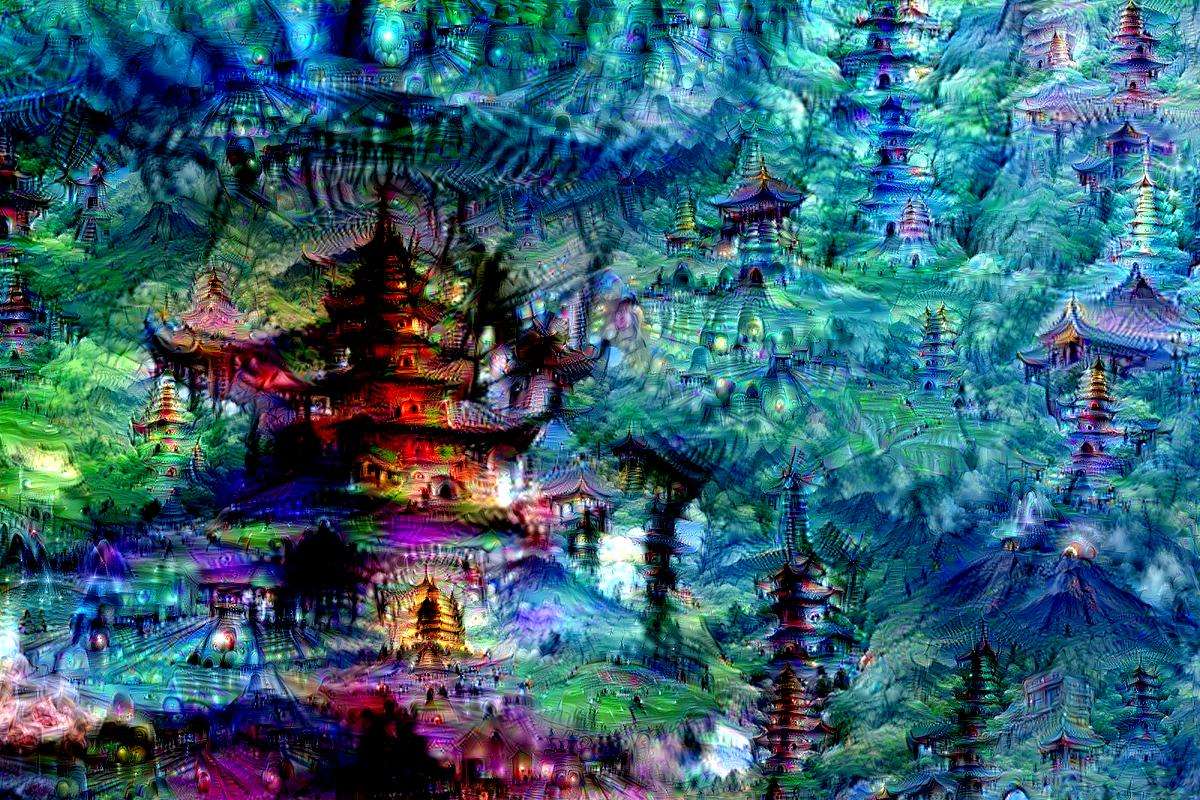
    Google’s dreamscapes – the product of an artificial neural network being asked to amplify and pull patterns out of white noise. Photo credit: Michael Tyka/Google

    In 2011, one of the longest-running student-run literary journals in the USA – Archive at Duke University – ran its annual call for poetry submissions for its Fall Issue. The editors, shifting through the reams of poetry, stumbled upon a short poem called “For the Bristlecone Snag”. It was environmentally themed. It struck a slightly aggressive tone. It contained a few of those clunky turns of phrase that can so often be found in student poetry, including the less-than-immortal line: “They attacked it with mechanical horns because they love you, love, in fire and wind”. Regardless of these slight failings, the editors of the journal decided to run with it. An unremarkable decision and an unremarkable nine-line stanza at first glance, except for one thing: the poem was written by a computer algorithm, and nobody could tell.

    Of course, it remains too soon to predict when the TS Eliot Prize will be won by a robot. However, what it could mean for the future of poetry – and writing in general – is gradually gathering a great deal of attention, and stimulating significant discussion.

    It’s important to point out that Bristlecone Snag is not the only example of machines writing poetry. In 2008, a US high-school student, Sarah Harmon, used Java to create a computer program that wrote poetry. Again, she submitted poetry created by this machine to student journals. And again, the submissions were successful.

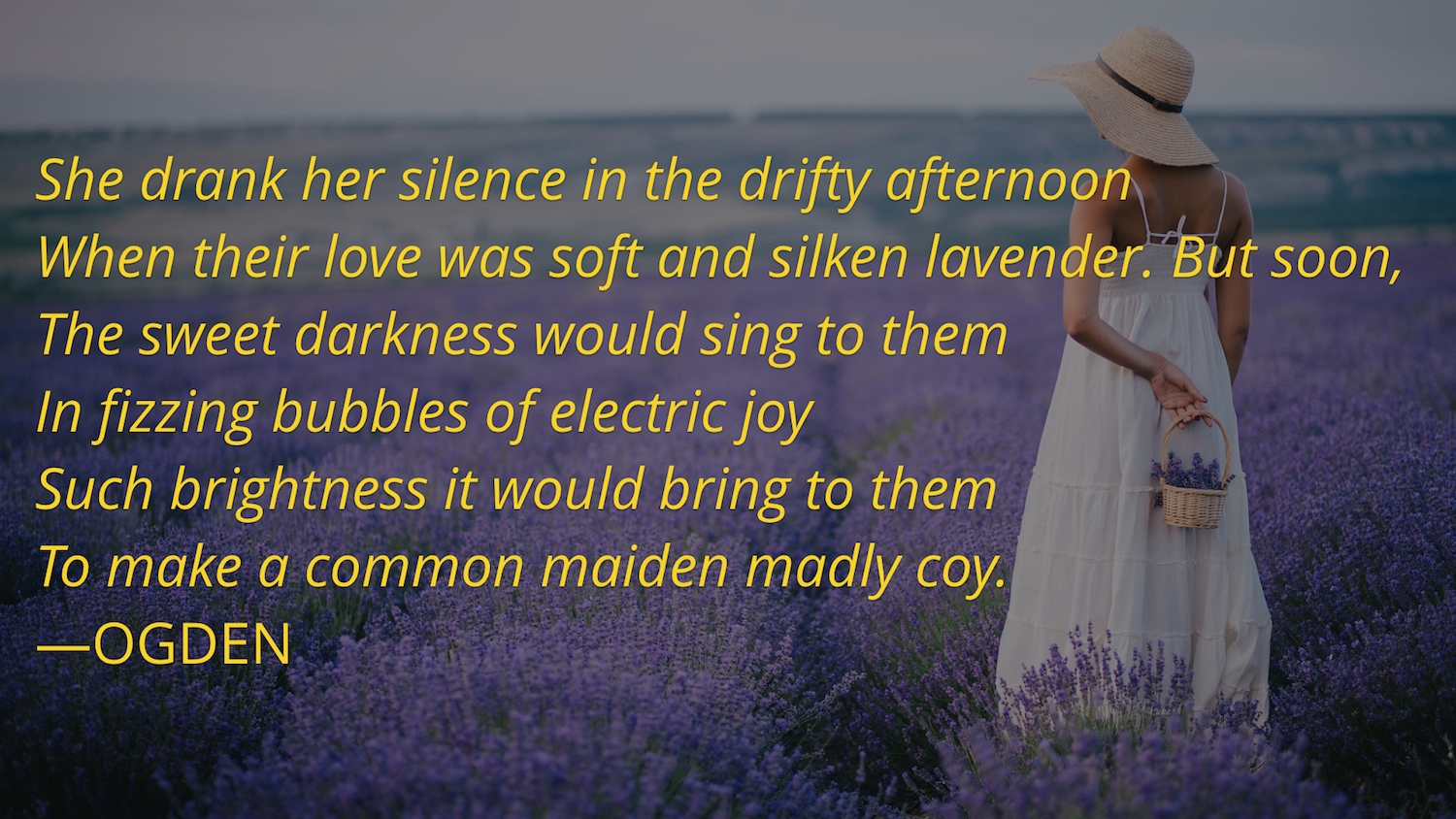
    There is nothing fancy about these machines. They are not magically complex. They are simple algorithms built by simple tools. They follow predefined rules of grammar and structure to compose poetical-sounding snippets. For example, Harmon’s poetry machine – named OGDEN – came up with the refrain: “He was perfectly strange,/His world was shyly hopeless,/Then he tasted his dreams.”

    OGDEN poetry via Shutterstock
    Image via shutterstock

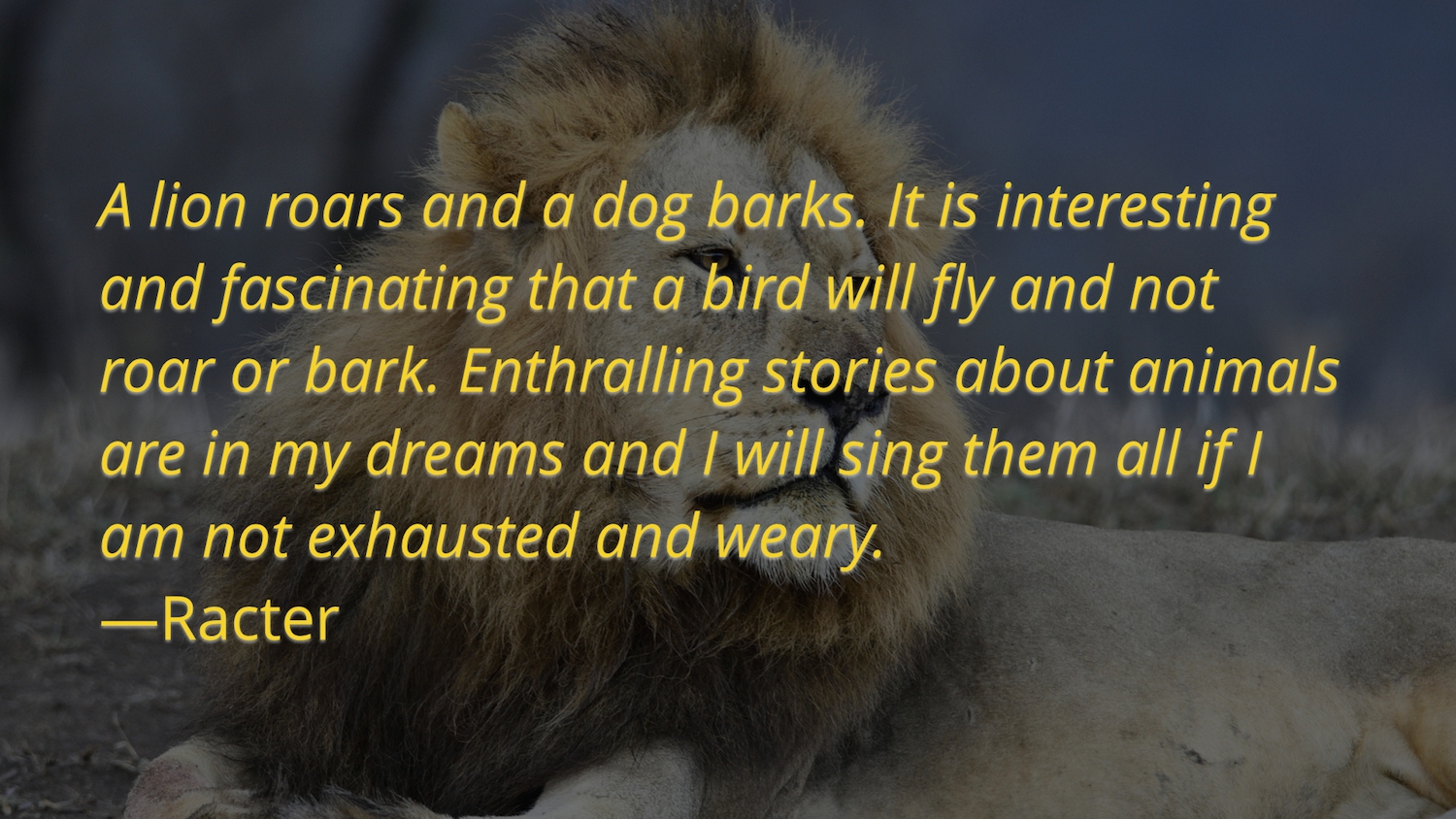
    These more recent examples are nothing new, either. In 1984 one of the first computer bards – Racter – wrote prose largely at random. It produced a book of poetry and surreal dialogues called The Policeman’s Beard is Half Constructed.

    But is it surprising that simple coding tools and skills can be used to create poetry that readers find passable? After all, William Carlos Williams wrote that “A poem is a small (or large) machine made of words”. A nice, simple statement of a poetic position. But also one that picks up on the essentially formulaic aspects of writing. If there are reproducible structures and characteristics – as one would find in any industrial machine or piece of new technology – then it stands to reason that computers can do just a good a job at recreating patterns and writing their own poetry as human beings.

    Racter shutterstock
    Image via Shutterstock

    Just as aspiring writers will look to the poems and novels of their favourite authors, and are able to identify similarities of style and structure that they can imitate, it does not seem unreasonable that digital programs are able to identify the same patterns and imitate them. After all, Booker-nominated author Will Self said of creative writing courses that they are a like to working from “a pattern book”. If such formula can be taught, it can just as easily be programmed.

    But what next? Can machine-written poetry ever go beyond simple imitation? Can a computer ever be creative in and of itself? Can it ever create lasting poetic expressions that stand the test of time among human readers without having any examples of real, lived experiences to draw on?

    And, perhaps a more pertinent question, would we ever want any answers to these above questions to be ‘yes’?

    Ever since the Luddite machine-breaking rebellion 200 years ago, advocates of ever-advancing technology have learned to scoff at technofobes. The argument goes that machine efficiency allows resources to go further, so what does it matter if workers are displaced?

    Such an attitude has held firm as industries like coal mining, agriculture and banking and finance have seen miners replaced by coal-cutting machines, farm labourers by tractors and combine harvesters, and bank clerks and analysts by computerised ledgers and algorithms. Although of course we all know that this last one has not been without some teething problems.

    The digital Shakespeare 

    Yet as IT systems and ever-more capable artificial intelligence evolve, is it truly desirable to have so many aspects of humanity computerised and automated? Do we want to read poetry and novels written by machines, as writers huddle together in the last vestiges of hipsterism in some dusty London cereal café pining for the old days, trying to remember what pens, pencils and paper were called? And will we come to exist as those humans depicted in Pixar’s WALL.E – utterly reliant on automation for sustenance and entertainment, and unable to think for ourselves?

    Quite what poets like Blake – who envisioned an England of “dark, Satanic Mills” at the face of the country changed with the advent of the industrial revolution – would make of computerised poetry remains unknown. Though it’s probably possible to at least take a rough guess about his feelings.

    George Orwell’s 1984 envisioned a world in which we have already reached this point in history. Here, the “proles” are entertained by books produced by machines. Perhaps unfortunately – depending on your point of view – such a future may not be far away.

    Professor Philip Parker, of Insead Business School, has created software that has generated 200,000 books, with over 100,000 of these titles available on Amazon. He notes: “A computer works very well with rules and the most obvious way is poetry.”

    “We did a blind test between a Shakespearean sonnet and one that the computer had written. A majority of people surveyed preferred ours,” Professor Parker added. “That’s not to say it was better, but it was what people preferred.”

    Writer as algorithm

    The algorithms at the heart of Professor Parker’s software have also inspired a new suite of writing software that threatens to compete with journalists for the already minimal numbers of jobs going within the news and media industries.

    Startup company Narrative Science creates articles without a human doing the writing.

    With 30 clients for its articles already, written automatically by a machine collating data and writing “rich narrative content” from it, the death of the journalist has been mentioned in more than one speculative column.

    Business news site Forbes is using the service for a number of pieces each weekday.

    More questions than answers?

    What this illustrates is the extent to which digital technology represents a force of change for writers of all ilk and forms. Some writers will no-doubt realise potential opportunities created by the emergence of new technologies. Think, for instance, of Iain Pears’s new novel, Arcadia – a 600 page hardback that works in close conjunction with an app of the same name. Or else Melville House’s line of “illuminated” novels with QR codes that lead to extra digital content. Or alternatively, Picador’s “The Kills” – a 2013 “digital first” thriller that links to online films from the characters’ points of views.

    But perhaps an issue with these examples is that they all utilise technology under the assumption that the human being remains in control. Here, poets, novelists, publishing houses and media groups embrace these tools as enablers, but do not consider where the future is heading. How long before all the news stories we read have been written by machines? How long before we are all reading pre-programmed novels created by robots? How long before studentds are studying the poetry of AI-8976R, or the HAL-9000, instead of Blake and Shakespeare? And what would this mean for our culture?

    These questions remain purely hypothetical. Yet as technology develops, we must begin to consider how we can answer them.