Before long I am deep in the earth
 in a chamber with all of you.

 We fell fast, then through wet ground
 as droplets cast down from clouds beating out

 their Sunday best after a week’s drought.
 We must have been high

 to have fallen this far
 //hammered
 into
 the
 ground,
 bent like badly-placed pegs funked off of dormant rocks.
 The water table t ips and to ts
 to the whims of four great roots
 each pinching its corner,
 playing the blues,
                               and modifying the very physics of our world.
About the author
Ben Armstrong is based in the Black Country, UK. He is an alumnus of David Morley’s Warwick Writing Programme and has been featured in a variety of online journals and zines. His first collection, Perennial, was published by Knives, Forks and Spoons Press in 2019.
Volpane – ending the Spring Season at Omnibus Theatre in Clapham with a dynamic twist on a classic tale.
As the nights draw in and the temperatures begin to plummet, news of another General Election in the UK may not bring many British readers of Nothing in the Rulebook too much joy.
And yet – there is hope on the horizon, for the fabulous folk behind the Omnibus Theatre in Clapham, London, have announced their upcoming Spring Season.
The new Spring season at Omnibus Theatre highlights six productions, two of which are world premieres. Five are from companies visiting Omnibus Theatre for the first time and the other is the final play by one of the theatre’s most respected playwrights. The season then ends with a dynamic twist on a classic re-imagined.
Commenting on the new season, artistic director Marie McCarthy said;
“This beautiful theatre has undergone a transformation over the last few months, thanks to a remodelled ground-floor we now have three performances spaces and upgraded facilities in all the right places. We’re ready for the season with a renewed spring in our step.
New writing is the thread that runs through this programme of work. Six writers and six plays bring fresh words and re-imagined texts. From January to April I invite you to discover the work of these talented companies on their first visit to Omnibus Theatre.
In January, Nikita Gill, the world’s most followed poet, brings her world premiere Maidens, Myths and Monsters in an evening of performance, poetry and projections.
The Glass Will Shatter by writer Joe Marsh, explores radicalisation and the government’s prevent strategy through a prism of words and perceived truths between a school teacher and pupil.
Turning to dark comedy, Flights by John O’Donovan is a play informed by the working-class community he grew up in, as O’Donovan delves into the lives and psyche of men in rural Ireland.
And the Spring Season will also feature the late Philip Osment’s Can I Help You. His final play is a moving story and tribute to those he worked with. He listened to the powerless and silenced, those people marginalised from society and gave them a voice. This play, which now forms part of his brilliant legacy, is all about the magic of hope.
Following on from Philip’s parting gift, is The Apologists. What it means to say sorry is the provocation behind this hit show. Three interlinked pieces, take a very current topic and asks how we decide as a society when to forgive someone.
Finally, the spring run will end as we punch through to the other side of the season ending with a classic, Volpone. But, Ben Johnson’s 16th Century satire is given a distinct update by African Caribbean Theatre company Tangle. Masters of staging, they are the team behind the award-winning Faustus. Get to this one for a fusion of South African township inspired theatre, vibrant lighting and a backdrop of Jazz will be a dynamic re-imagining like no other.
In today’s parlance, humans have been told that the literal meaning of ‘Philosophy’ is a ‘love of wisdom’. But this is a simple case of canine-homosapien misinterpretation. The classic, ancient canine meaning of the word stems from the base etymological construction, ‘phur’ – meaning fur. Thus, to truly understand philosophy, you must remember its core meaning, which is ‘to think with fur’.
Already, fur-lacking humans may feel at a disadvantage. But fear not! As Professor Friend, one of the foremost canine philosophers alive today and key consultant for this book notes:
“Just because one does not have fur, does not mean that one cannot think like one does. All that is required of you is to put aside your petty human concerns and worries – your thoughts of mortgages, cutlery, and needlessly frightening vacuum cleaners – and embrace the moment as those first fur-thinkers (as we take our philosophical forebears to be) did.”
So how does one arrive at this feeling of wonder, and what does one do with it once it is reached?
For some, these are the questions that are the gateway to philosophy; not just in the sense of understanding the teachings of those who have gone before, but also in reaching a point at which you yourself can make important philosophical observations, and begin to pass your learnings onto others.
Indeed, major figures in ancient philosophy, including Plato’s dog, Canis Pawplin, Aristotle’s pooch, Furcules, stressed the importance of not just questioning the world – asking why we give our paws to those who command it, or wait for an order to speak before barking – but must also encourage others to do the same. By inspiring others, they saw even the potential for eventual canine liberation against the oppression of human kind.
Bernard the Saint (right) and Sun Shih-tzu (left)
Crucial to this were the teachings of early four-legged philosophers Sun Shitzu and Bernard the Saint (pictured above), who believed that by cataloguing (and subsequently probing) the thoughts of dogs and sharing them with the world of both men and beasts, they would pose potential answers and solutions to questions that have plagued canine-kind since the dawn of time; including whether tennis balls are always real, why you sometimes must bark at things that no-one else can see, and how is it possible to judge free will in a world where treats seem only accessible by obeying orders.
In their early dog years, these philosophical fur-bears indeed provided systematic theories of canine history, justice against humans who do not deliver treats, the State of a dog’s territory, the importance of the natural world for walkies, knowledge, love, friendship: you name it. They quickly drew towards them followers, who they encouraged to think of philosophy as being like picking up a bone and presenting it as a gift when you receive a new guest into your home: everything must have an order and a purpose – but first you must find it; just as you must first find the bone.
Of course, humans, being entirely led by their egos – as Freud’s dog, Sigmutt, would later point out – were unable to countenance the idea that the real meaning of existence could be discovered and taught by those beings they delighted in teaching how to roll over and fetch sticks. While they could never have questioned why it was that they themselves were motivated to teach these tricks, humans have always had one great advantage over their canine companions: the ability to lie.
Thus it was that the first philosophical thoughts of dogs were co-opted and stolen by their human masters, who, with adulterous ‘modifications’ have attempted to pass these thoughts off as their own.
About the book
Philosophers’ Dogsis an illustrated, satirical book created by Nothing in the Rulebook‘s own Samuel Dodson, and his sister, Rosie Benson.
Answering such questions as ‘who really is a ‘good’ dog?’ and whether tennis balls are always real, this beautifully designed hard-back book introduces readers to the real masters of philosophy, such as Karl Barks, Sun Shih-tzu, and Mary Woof-stonecraft.
“How can you digest your own organs?” Our narrator asks at one point in Florence Sunnen’s debut pamphlet/book, The Hook, published by Nightjar Press. It is the sort of disquieting question that captures the quintessential essence of this book in nuce; troubling, in the way it balances horror with a sense of surreal calmness – of, perhaps, misplaced serenity.
The premise of the book is this; one summer, two siblings return to their family home. There is a rivalry between brother and sister forced upon them through their parents. So far; so familial. Yet in an inciting incident, the brother discovers the ability to start eating himself; literally – much to his parent’s bizarre satisfaction.
What follows is a masterful exploration of psychological and physiological horror; of sibling and parental tensions all mixed up with both surreal and disturbing imagery that perfectly fits the anxieties of today: particularly those around body consciousness and mental health.
Sunnen’s book is one that deserves plenty of credit and recognition; not least for the masterful use of language that threads throughout the entire work – the Synaesthesia, the structural mirroring of the themes and imagery present in the book, the real, “lived” dialogue, and, perhaps most importantly, the incredibly wicked black humour (we dare you not to laugh when the brother – by this point little more than a torso, he’s eaten himself so much – proclaims proudly that he “no longer needs food” since he now “feeds on internal nourishment.”)
In short; check this one out and pick yourselves up a copy from Nightjar Press (when they’re next in stock – they’ve currently sold-out). Like all great surrealist works, it’s one that you’ll want to keep coming back to, as you discover more within its pages on each reading.
Sophie Mackintosh (Photo credit for this, and featured image above, belongs to Sophie Davidson).
From a small town in Pembrokeshire, Wales, Sophie Mackintosh truly set alight the literary scene with her blisteringly good debut novel, The Water Cure, which was long-listed for the Man Booker Prize (not long after being subject to a frenzied bidding war between competing book publishers).
Yet despite it being her fiction debut, Mackintosh had been showing oodles of potential for many moons before The Water Cure really caught the attention of critics and publishers. A graduate of the renown Warwick University creative writing programme, Mackintosh’s brand of beautifully written, yet often disquieting, prose and poetry had often drawn the attention and praise of readers – and she has had pieces published in Granta, The Stinging Fly, Stylist and The White Review.
With her next book, Blue Ticket, scheduled for release in 2020 and already hotly anticipated by everyone involved with the literary scene, Mackintosh is, then, perhaps one of the most important writers to watch over the coming months and years – and she is widely regarded as “the name to drop” in literary circles.
So, it was an extraordinary pleasure to be able to catch up with her as part of our ‘Creatives in Profile’ interview series. Do read on as we discuss everything from writing habits, feminism, dystopian fiction and (of course) the need to eat more pizza…
INTERVIEWER
Tell
me about yourself, where you live and your background/lifestyle
MACKINTOSH
I was born in South Wales and grew up in Pembrokeshire, which
is on the Welsh coast. Now I live in Walthamstow in London and am pretty boring
really. I’m writing full-time at the moment so there is a lot of pyjama-wearing
and toast-eating going on, though I also like to travel and am fortunate enough
to do a few fun events in London and elsewhere.
INTERVIEWER
Has
writing always been your first love, or do you have another passion?
MACKINTOSH
I’ve always loved writing, but I was a super arty goth
teenager – I wanted to be a fashion designer or photographer, but in the end
found writing a more useful medium for expressing myself. I like that I’m not
restrained by materials, and that you can really do anything in a book (and do
it anywhere).
INTERVIEWER
Who
inspires you?
MACKINTOSH
I’ve always loved Angela Carter and her dedication to the
uncanny and colourful. I also love the paintings and stories of Leonara
Carrington. I’m always drawn to writers and artists who are unapologetically
weird and uncompromising in their vision.
INTERVIEWER
Longlisted
for the Man Booker Prize, your book, The Water Cure,
has drawn praise from critics across the globe from The
Guardian to The New York Times. What’s
this experience been like?
MACKINTOSH
Very surreal! When you publish a novel, especially a debut,
you really just hope that anyone buys it at all. So to have been lucky enough
to get such a reception was beyond my hopes really, and I’m very grateful that
critics have been positive about it across the board.
INTERVIEWER
You
create a world in The Water Cure in which
contact with men can be literally toxic and deadly to women. How do you think
writing can help us deal with the continuing issues around toxic masculinity,
sexism, the patriarchy, and deeply engrained misogyny within society? Is it the
writer’s duty to shine a light on these things through allegory and analogy?
MACKINTOSH
I think rather than it being a duty, it’s hard not to engage
with these kind of topics when you’re writing in a world where it’s such an
engrained part of the social fabric. I was mainly playing with ideas and
reflecting / amplifying elements I saw around me all the time. I think fiction
has enormous capacity to help change the way we see things by instilling greater
empathy in us and opening us up to different voices.
INTERVIEWER
There’s
a genuine sense of terror felt by the female characters in your book of any
possible interaction with men. How important was it, for you, that readers were
able to genuinely feel your character’s fears as their own? And how did you
look to convey the sense of fear many women feel every single day, as a result
of the potential actions of men they may or may not actually know?
MACKINTOSH
It was important for me – I wanted us to be there with them on
the island. In real life there are situations that can feel relatively
innocuous, such as going for a walk alone in an isolated place, and there is
fear there as well. I think if you have known violence against you, or the
potential for it, then it doesn’t really leave you, there are so many things
that can trigger it.
INTERVIEWER
As
Trump and Republican politicians strip away the rights of women in the US, and
the Anti-Feminist movement continues to grow in the UK, do you think the rise
in popularity of dystopian feminist literature is a natural part of the
reaction to these wider political events?
MACKINTOSH
I think so – you have to ask, are they even dystopian any
more, when so many draw on things that are increasingly plausible? If you’re
writing as a reaction to the world and
the experiences of others within it, you can’t help but be informed by these
things.
INTERVIEWER
What
role do publishers have to play in spreading the messages contained in books
like The Water Cure to wider audiences? Is
it cynical to suggest that they should have been investing in these types of
books sooner – before the recent popularity of books like The Power and people’s rediscovery of The Handmaiden’s Tale made them realise it would also be a
shrewd financial move?
MACKINTOSH
I know that some people see the feminist dystopian trend as a
bandwagon that people are jumping on, publishers and writers alike, but I think
this is quite a cynical view and disregards the range and work that goes into
these novels. I started writing The Water Cure in 2016-ish, when I didn’t know feminist
dystopia would have the moment that it has. Publishing is a business, first and
foremost – and so anything that gets a wider range of books published is good
by me.
INTERVIEWER
Why
are we still having conversations about these issues in 2019, when people have
been trying to draw attention to the inequalities in our society for decades –
if not centuries? What has to happen in order for genuine change to occur?
MACKINTOSH
I think because we still live in a patriarchal society, and
the more power that we gain the more that those who don’t want the status quo
to change will push back – you can see it too in terms of Brexit, the rise of
the far-right etc. I think we just have to keep trying and pushing.
INTERVIEWER
As a
writer, do you embrace the ‘feminist’ label?
MACKINTOSH
I don’t necessarily embrace it but I don’t mind it at all,
I’ve never had a problem with calling myself a feminist because it’s what I am.
But I don’t necessarily feel like I write books with a specific message or lesson in mind, and I
resent the idea that female writers in particular have some responsibility to
find a solution, rather than just telling the story they want to tell. At the
end of the day I’m not writing a sermon or a polemic or instruction manual, I’m
writing a narrative, and from a place of my own experience.
INTERVIEWER
Do
you see your book as part of a wider movement of political action? And if there
is a call to action for readers in your book, what would you say it is? What do
you want us to do the moment we turn the last page of The Water Cure?
MACKINTOSH
Not really to be honest, or at least I didn’t write it with
that intention – I was writing from an angry place though and I think that was
reflected in it. I do hope it makes people feel seen, or makes them think
differently about the violence and harm we can enact on each other.
INTERVIEWER
How
important is the idea of family to you and your work?
MACKINTOSH
I do seem to return again and again to families, and to
sisters! There is something about the idea of the primality of those
relationships, the way that you’re supposed to care for each other
unconditionally, it’s very intense.
INTERVIEWER
Can
you tell us about the process you went through in crafting The Water Cure? How did you move from initial inspiration,
through composition, editing and redrafting, and finally getting an agent and
getting published? What were the main challenges you faced?
MACKINTOSH
I actually got my agent with a previous book, which wasn’t picked up by a publisher. I was writing a more straightforward science fiction novel about a disaster that had flooded the earth, but realised during the writing of it that I was more interested in exploring the dynamics of the sisters. Gradually the threat of the outside world and the concept evolved until it became The Water Cure (over many, many drafts).
My main challenge is that I am a messy writer – I need to draft and redraft. Often my first drafts are completely different from the final book. I also found it exhausting as I was working full-time while writing the book – by the time it had sold I had been waking at 5 every day for months to get in some writing time before heading to a full day at an office.
INTERVIEWER
Do
you feel any ethical responsibility as a writer?
MACKINTOSH
Yes to a degree, I feel like words are important and can do
important things and I’m conscious of the responsibility of putting a book into
the world. I want my work to be a force for good in its own way but it’s not
the primary responsibility – like above, I’m writing stories, not polemics. I
don’t kid myself that my weird little books are going to enact huge change the
way that more important, ground-breaking stories do, but then does every book
really need to? As long as it can do its own small good, that’s enough for me.
INTERVIEWER
How
would you define creativity?
MACKINTOSH
I wish I could say something intelligent here but I honestly
have no idea!
INTERVIEWER
What
does the term ‘writer’ mean to you?
MACKINTOSH
Someone who writes things, whatever they may be.
INTERVIEWER
Could
you tell us a little about some of the future projects you’re working on?
MACKINTOSH
I’m working on a historical novel, which is quite a change for
me! But I’m excited to try something new.
INTERVIEWER
Could
you write us a story in 6 words?
MACKINTOSH
I can’t climb out of here.
INTERVIEWER
Could
you give your top 5 – 10 tips for writers?
MACKINTOSH
Be
kind to yourself
Find
time wherever you can
Don’t
be scared of a messy first draft – words are better than a blank page, you can
do something with them later
Try
out new things as much as you can, whether that’s genre, a different
perspective, or a story you’ve been putting off writing
Don’t
expect to be perfect – self-editing is such a huge part of the process
Quick
fire round!
INTERVIEWER
Favourite
author?
MACKINTOSH
Joy Williams
INTERVIEWER
Critically
acclaimed or cult classic?
MACKINTOSH
Cult classic
INTERVIEWER
One
book everyone should read?
MACKINTOSH
Audre Lorde –
Your Silence Will Not Protect You
INTERVIEWER
Most
underrated artist?
MACKINTOSH
Maggie Nelson
INTERVIEWER
Most
overrated artist?
MACKINTOSH
Don’t know!
INTERVIEWER
Who
is someone you think more people should know about?
MACKINTOSH
Joy Williams!
Yes, giving her as the answer to two questions because she deserves it!
Soren Kierkegaard: rising in popularity? (Image courtesy of Wikipedia Commons).
As the myriad blogs and burgeoning number of philosophy magazines aimed at a general educated audience attest, interest in philosophy is fast spreading beyond the cool halls of academe. I sometime speculate that the awakening interest is in part the result of the fact that for many, belief in God has been put to bed. And yet many of those who find a personal god on an equal footing with Santa Claus, resist the idea that there is nothing “deeper” in life. Many of these hungry spirits are willing genuflect before philosophers as the priest class who can help guide them to that deeper and sacred sanctum.
Of the various schools of philosophy, none has reached the shores of a general audience more than the Stoics. The popularity of Marcus Aurelius and company is not surprising. After all, many of their works are non-technical, accessible, and choc-a-block with concrete applications.
The internet is full of inspirational quotes and images of Stoic philosophers like Marcus Aurelius.
After all, we abide in an age of anxiety and panic, and, for the Stoics, “ataraxy” or calmness of spirit is the bull’s eye of life. The ancient and modern proponents of Stoicism preach that with practice we can learn to stop gnashing our teeth over matters outside of our control. Take notice though, the existentialists are also making headway into the public mindset.
Western philosophers have tended to treat emotions and moods as impediments to reason. The patron saint of the Stoics, Socrates, expressed an eagerness to die, imagining that in death he would be free of the chains of the body and the emotions that becloud the mind. While the Stoics might have regarded the emotions as obstacles to a peaceful spirit, they were also depth psychologists who took the management of feelings with the utmost seriousness. The same can be said for the Existentialists, and in particular Kierkegaard. On this issue, I can speak from experience and have done so in my memoir, The Existentialist’s Survival Guide: How to be Authentic in an Inauthentic Age(Harper).
In contrast to the Stoics, who would help
us talk ourselves out of troublesome feelings, Kierkegaard and his epigones
glimpsed something positive in the unnerving feelings that we have medicalized
and come to regard as symptoms. For Kierkegaard, it is in anxiety that we come
to feelingly understand that we are free. Or as Kierkegaard puts it, “Freedom’s
possibility announces itself in anxiety.” (CA 74)
Of course, Sartre and Heidegger will develop this insight; but for now it is enough to note that pace Kierkegaard, anxiety is feeling with a cognitive content, not a feeling that tosses a wrench into cognition. Kierkegaard wags a finger at the individual who boasts of being angst free, writing if “…the speaker maintains that the great thing about him is that he has never been in anxiety, I will gladly provide him with my explanation: that is because he is spiritless.” (CA 157)
In the final chapter of his dizzyingly
complex The Concept of Anxiety, Kierkegaard acknowledges that anxiety is
perilous, that it put us in “danger of a fall, namely suicide.” And yet, in the
same spate of pages, he pronounces, anxiety is “an adventure that every human
being must go through — to learn to be anxious in order that he may not perish
either by never having been in anxiety or by succumbing in anxiety.” And then
comes the exclamation point, which is not exactly a Stoic teaching, “Whoever
has learned to be anxious in the right way has learned the ultimate.” (CA 155)
The ultimate lesson in life is to learn
what and what not to be anxious about. From page one to page last of the
authorship, Kierkegaard insists that courage comes from one fear driving out
another. For example, anxiety about becoming a liar should mute anxiety about the
negative consequence that I might experience if I refrain from lying.
Lately, our threshold for tolerating the
jitters is diminishing. But unlike the medicalizing life-style engineers who
currently rule the psychological roost, Kierkegaard and other existentialists
advice that anxiety is something we should learn to sit with on the couch.
Depression is also pandemic today. Kierkegaard
maintained that there is kernel of wisdom that can be extracted from the funk. In
his journals and clearly referring to his own melancholy, he sighs:
I dared to pray about everything, event the most foolhardy things, with the exception of one thing, release from a deep suffering that I have undergone from my earliest years but which I interpreted to be part of my relationship with God.
Therapists will pull faces at this suggestion but Kierkegaard insists that his depression helped him to understand his brokenness, his sinfulness. Those offended by such pieties might entertain the notion that depression can augment our capacity for empathy. For example, the profoundly melancholic Abraham Lincoln was perpetually haunted by suicidal impulses and yet perhaps those ominous moods were instrumental in his becoming a virtuoso of compassion. Walking under what Julia Kristeva calls the “back sun” can also help us to more fully fathom our all too human fragility and mutual dependence.
Kierkegaard’s go-to wisdom is often tucked-in quietly between the lines. Along with Freud, Kierkegaard recognized the rage at the core of depression. In one of his most edifying discourses, “At a Graveside” Kierkegaard addresses someone consumed by the inexplicable sadness. He advises the downhearted individual to grab himself by the collar, perhaps with the words, “My soul is in a mood, and if it continues this way, then there is in it a hostility toward me that can gain domination.” (TDI 84) Here Kierkegaard might be in agreement with the Stoics in that his recommended therapy is to repress thoughts and feelings that are an expressway to the underground in human beings.
In his customarily oblique way, Kierkegaard
implores us to be honest with ourselves, to develop what Freud would have
termed an “observing ego”, an internal vantage point from which we might be
able to recognize being overrun by feelings that if permitted to blossom will
lead to a nihilistic benumbed state of mind. Kierkegaardian psychoanalysis intimates
that we humans frequently put the bellows to our emotions to the point where we
experience ourselves as victims of feelings that we have largely brought upon ourselves.
There are, for instance, people whom I, quite frankly, relish hating. And there
have been nights when I have enflamed this ire to a level where I could neither
concentrate nor sleep. The agitation felt like an attack from the outside but it
was an experience that I brought upon myself.
Once again, akin to the Stoics, Kierkegaard
was concerned with developing the virtues that enable us to lead righteous
lives. For him, self-deception is the most formidable obstacle to doing the
right thing, and on his reckoning, hoodwinking ourselves is oiled by our boundless
proclivity for procrastination.
Kierkegaard emphasizes that when faced with
an ethical quandary, we must act as soon as we know what is right, but because
most moral either/or’s require sacrificing self-interest, we tend to hesitate saying
to ourselves, “We shall look at it tomorrow.” In the process of mulling over our
decisions, “ knowing becomes more and more obscure…And when knowing has become
duly obscured, knowing and willing can better understand each other…eventually
they agree completely.” And voila that
right thing to do now becomes the easy thing to do. Drawing a dark conclusion, Kierkegaard
roundly states, “And this is how perhaps the great majority of men live: they
work to gradually at eclipsing their ethical and ethical-religious knowledge.”
(SUD)
“He who studies with a philosopher,” the Stoic Seneca tells us, “should take home with him some good thing every day; he should return home a sounder man, or on the way to become sounder”; or else, he or she is wasting their time. Kierkegaard and at least some Existentialists would concur that philosophy, the love of wisdom, is all about being possessed of an esurient desire to live wisely – which for at least some of the black beret cadre does not necessarily imply becoming a happier person.
Raphael’s The School of Athens depicts ancient philosophers in Greece. For further evidence of the rise in popularity of philosophers – stoic and existential alike – look no further than ‘Philosophers’ Dogs’, an illustrated satirical book currently crowdfunding through award-winning alternative publishing house, Unbound.
Today, approximately one in six Americans regularly ingest some form of psychotropic drug. Both the Stoics and the Existentialists provide a fresh vocabulary for reading our inner-lives, a vocabulary that competes with current approaches understanding the pangs of the psyche. Still, there are striking differences between these two schools of practical thought.
The Stoics were laser focused on self-control. One the favorite Stoic adages, was “control your mind and you control everything.” For all his sermonizing about choice, Kierkegaard underscored our fragility. For Kierkegaard if there is anything we should know and trust, it is this – “we are nothing before God” or again that “we are always wrong before God.” Neither Marcus Aurelius nor your therapist is likely to countenance that kernel of counsel.
About the author of this post
Gordon Marino, who took his doctorate from the Committee on Social Thought (University of Chicago), is a professor of philosophy and Director of the Hong Kierkegaard Library at St. Olaf College. He is the author of The Existentialist Survival Guide: How to Live Authentically in an Inauthentic Age, Kierkegaard in the Present Age, and co-editor of The Cambridge Companion to Kierkegaard, editor of Basic Writings of Existentialism, Ethics: The Essential Writings and The Quotable Kierkegaard. An active boxing trainer, Gordon is also an award-winning boxing writer, who has written for the Wall Street Journal and other outlets. His work has appeared in the New York Times, The Atlantic, Newsweek, the Washington Post, the Los Angeles Times, and many other domestic and international publications. He lives in Northfield, Minnesota.
The many faces of Joker – the movie that has brought forth such a divided reception among audiences.
Unless you have been living without access to social media (or, indeed, traditional media) over the last few weeks (and what a sunny, delightful and care-free life that must be), the chances are you’ll have seen or heard something about the movie Joker, directed by Todd Phillips (of The Hangover trilogy) and starring Joaquin Phoenix in the title role.
Produced by a little indie production company that has never courted controversy before (Warner Bros.), the film has already caused a backlash – and accompanying fierce online debate – with some critics saying its message is dangerous while others continue to staunchly defend it.
Now, there’s a big part of our thinking that says the world is already too full of polarised debates and seething anger, as people either spit their opinions out into communities (or audiences) of like-minds who confirm their beliefs, or else troll those who disagree with them, without really engaging with the other person’s thoughts or arguments.
There’s also a train of thought we have that says all the online controversy is nothing but clever product placement. Just like the infamous ‘Piers Morgan vs Greggs vegan sausage role’ debate (both Morgan and Greggs use the same PR company), all the pre-launch rumblings, the rants and the raves, testify to a cunning provocation which Warner Bros. has invited us to participate in. By yielding to it, this train of thought goes, we’re not joining a debate; we’re offering our services, unpaid, to the marketing department at Warner Bros.
AT THE SAME TIME. We are also big fans of both bandwagons and trends, and we’d be lying if we said we didn’t want to add our own Nothing in the Rulebook flavour to this most divisive (and topical) of movies.
In the spirit of polarised debate and arguments, therefore, we’ve set up a little bit of a movie review with a twist (or, perhaps more accurately, a FIGHT).
We made sure our two brave movie reviewers wore protective gear before starting this epic GRUDGE MATCH over email.
So, we invited two members of our NITRB community to a LIVE BOXING MATCH ONLINE DEBATE where they could throw punches persuasive arguments and headbutts eloquent opinions at one another in a very dangerous safe setting: a pit-full of vipers emails.
E.A. Hansen
IN THE RED CORNER, we have E.A Henson, a writer, podcaster, and human being who lives, laughs, and loves in southeast Michigan, in the US. He dislikes talking about himself unless it’s in the third person. He has been interviewed by the FBI twice and the Secret Service once.
Jason Cobley
IN THE BLUE CORNER, we have Jason Cobley is a teacher, writer and broadcaster living in Kenilworth, Warwickshire, in the UK with his wife, daughter, stubborn dog and two rabbits intent on escaping. He has written widely for children and adults, particularly comics adaptations of horror classics such as Dracula and Frankenstein. He now writes for the long-running Commando comic for publisher DC Thomson and is currently crowdfunding his latest novel A Hundred Years to Arras through the publisher Unbound. He also hosts a weekly radio show delving into rock, prog, jazz and blues.
In what could be billed as the greatest cross-Atlantic fight since Cooper vs Ali, read on to find out what happens when two heavyweight opinion-havers go toe-to-toe…
FIRST ROUND
Henson:
To
say that there was a tremendous amount hype surrounding the
release of Joker would be a bit of an understatement. As a fan
of comic books and all the associated media that they’ve spawned (video games,
TV, film), I’m always excited by a fresh take on an established character.
There’s the perception of comic book fans as uber nerds, slavishly beholden to
continuity and ready to nitpick any adaptation to death if it doesn’t match
what was printed on the page decades prior. Thankfully, I don’t count myself as
one of those type of fans and I love when adaptations depart from the source
material as it gives me something fresh and exciting. (A brief aside, a rumor
began circulating next month that Disney/Marvel will be looking to cast
non-white actors for the roles of Professor X and Magneto which I find both
fascinating and necessary).
Unfortunately,
Joker was neither interesting nor surprising in its presentation
and execution.
I had gone into the theater early on a Saturday morning hoping that they critical buzz behind the film was the real deal. Instead of being dazzled I was given a dull retread of “gritty” 70’s and 80’s era movies that meandered along for two hours that ultimately had nothing of note to say.
Cobley:
I
was very wary of the whole notion of a Joker film to begin with. It seemed a
bit desperate, as Warner Bros’ Justice League movie had been such a disaster
and derailed their plans for a shared universe of movies just like Marvel have
done. DC comics’ superheroes have always been a slightly different proposition
to Marvel anyway, and the iconic proto-superheroes of Batman and Superman are
so different they don’t mix well onscreen. I had enjoyed Chris Nolan’s take on
Batman and the Heath Ledger Joker seemed to be unassailable, so this movie
seemed to be pointless. I largely ignored the trailers and was slightly put off
by some of the negative reviews, particularly those that claimed that it was
inciting copycat behaviour from so-callled ‘Incels’.
And
then I saw it.
There’s a deliberate riffing going on in the movie in terms of paying homage to the style of 70s movies. The Scorsese influences are obvious. King of Comedy is clearly a touchstone, but it also feels like movies such as Marathon Man, The French Connection and even, by using THOSE steps in so many shots, The Exorcist. All of this is just a backdrop, though, to using the character of The Joker to do two things. Firstly, there are threads that are to do with the state of mental health care, the essential selfishness of people, and the inward-looking hostility of Trump and Brexit. Secondly, it gives a genuinely interesting new take on the Batman story.
SECOND ROUND
Henson:
To
Jason’s point, this did seem like a desperate move by Warner Bros after nearly
a decade of trying to catch up to the MCU. The obvious misstep was trying to
launch a shared universe of films by pulling a reverse-Marvel (e.g. starting
with the team-up movie then spinning off each character into their
own movie). To remedy that they’ve released a few largely continuity-free
movies and even, gasp, a rated R movie. Warner Bros. is most certainly willing
to do the one thing that Disney won’t which is make an full-out
“mature” film based on one of their comic book properties. I’m
willing to put money on the fact that we’ll never get an Avengers movie
where Captain America hangs dong to earn that “Hard R” rating.
The
movie’s riffing was incredibly deliberate and heavy-handed. and I was left
wondering what the point was of setting it in 1980. Is it because nostalgia
flips on its head every few decades or so and the 1980’s are back in vogue? Or
is it because the prevalence of cell phones and other omnipresent methods of
surveillance literally allowed him to get away with murder on the subway? The
setting feels largely like an means to and end since Arthur Fleck’s crimes
wouldn’t have gone unnoticed in today’s world. The movie could have easily been
set in modern day since, sadly, nothing has changed with regards to the
state of mental heal care, the eliteness of the one percent, and how
unrelenting ugly the world can be.
Nothing
in this movie feels earned. The character of Arthur is largely cobbled together
from a word cloud of all the metadata pulled from theist twenty years of mass
murderers. Which isn’t to say that Phoenix’s performance is without nuance but
the script he was working with is all about checking boxes. Mental illness?
Check. Journal/manifesto? Check. Ignored by society? Check. Lack of contact
with the opposite sex? Check. Abused by “Alpha Males’? Check. And for the
Freudians out there: Complicated maternal relationship? Checkity-check-check.
In the pre-interview for this review-off, I put it out there that my nationality as an (apologetic) American may have largely colored (or coloured) my perception of this film. The 24-hour news cycle and the fascination with mass shooting thats borders on fetishization mean that these topics are I’m unfortunately intimately aware of because it’s something I cannot escape. It’s an odd sauce that I’m constantly being marinated in which made me care for this film even less. Why go out for mass murder when I can get it at home?
Cobley:
Looking
at the movie on its own terms, the late 70s/ early 80s look does seem to be
purely aesthetic and yes, perhaps it was done so that certain inescapable
aspects of technology could be escaped. It’s an aesthetic that seemed to suit,
though: one that lends itself to the character’s alienation. That aside, the
Arthur Fleck character himself is not so much a hotch-potch of cliches as a
symbol for the insignificant being made to feel even more insiginifant by an
uncaring society. The movie is partly his quest for significance, and I would
argue that very little of it takes place in ‘reality’. The imagined girlfriend,
the obsession with being on the TV show, the pathetic search for a father, no
matter how unsuitable he is – all of that is less a checklist of cliches and
more a checklist of what makes someone a mamber of what the writer Yuval Noah
Hrari calls the emerging ‘useless class’. Society can’t see a use for him, so
he seeks usefulness in the only places he can think of, and comes up
wanting.
In
different hands, Fleck could have been a weak mash-up of American Psycho and
the killer in Seven, but Phoenix does give it more nuance. His journal is
hardly Rorsach’s. It’s pathetic, with simple lines that he’s heard elsewhere:
he wants to write that kind of journal but can’t; he wants to be funny and
admired but he’s ignored or laughed at; he wants to be a ruthless killer but he
isn’t really until one crucial scene, and even that may or may not have even
happened at all. I think it’s possible to empathise with him but rather more
difficult to sympathise.
It
does raise some questions though: in some ways, Fleck is the kind of poor soul
that voted for Brexit or Trump because he’s allowed himself to become convinced
that his real oppressors aren’t his real oppressors at all. As a Brit, living
in a time of rising far-right nationalism, I can see Flecks all around me,
parroting soundbites that make them feel more significant than others, or
drowning in a sea of anxiety and depression because they can’t relate to any of
that at all. There have been times in my life when I’ve felt like the clown
being kicked in the head on the pavement.
And
the Geek in me thrilled to the twist that this gave to the Batman story. In
this version – or at least, in the way that Fleck sees it – Thomas Wayne isn’t
the philanthropist that Bruce has to live up to: he’s a selfish bastard. In
this reality, the orphaned Bruce is more likely to fall into despair and
depression and emerge just like his father than he is to don a black mask and
fight crime. From The Joker’s point of view, if he did become Batman, he’d be
no different to the assholes on the subway or the thugs who stole Fleck’s sign
and beat him in an alleyway.
The film is really a warning against austerity. It’s there all the way through.
THIRD ROUND
Henson:
Unfortunately, I believe any warnings against austerity are entirely coincidental. I don’t for a second imagine that during the initial pitch for the film, Todd Phillips sat in a sunny Warner Bros. conference room in front of a panel of studio executives and said, “This movie will be a cautionary tale against the dangers of austerity.” When met with blank stares he added “…and it’s got the Joker in it?” Then they presented him with a blank check. I know there have been varying reports and out of context quotes regarding the production of the movie and that they weren’t making a comic book movie but WB wouldn’t have taken a multi-million dollar gamble and given out the keys to one of their only golden geese on a movie with a message.
Since
Joker is both technically a comic book movie and a major
studio release, there’s very little left to chance. By and large, most
casino slot machines produce a tone of C major during play, a sound that it’s
considered to be universally pleasing to the human ear and I promise I’m going
somewhere with this. Disney/Marvel have done the same thing with their
releases…movies made by committee and assembly line designed to be
pleasing to the average moviegoer. Warner Bros. didn’t just suddenly discover
the “Devil’s Interval” in response to Disney’s happy time calliope
movies. It’s all the same song just played in a minor key.
The
comic book elements to the film seem to be almost tacked-on to the story and
ultimately predictable. The unspoken rule of having Batman’s parents in the
movie is that they are fated to die, you can’t show a Thomas Wayne in the first
act and not expect him to catch a bullet by the end of the third. Similarly,
the reveal of Arthur’s potential parentage was horribly telegraphed from the
beginning of the movie and came as no surprise when brought to light…only to
be walked back shortly thereafter. Maybe I would have been more onboard with
the movie had they been allowed to make Arthur and Bruce half brothers. The
only thing that’s changed from this and Batman ’89 is that the Joker
doesn’t actually pull the trigger and murder the Waynes which is just another
instance of this movie riffing on another, better, piece of cinema.
I find myself wanting to see the movie that Jason saw and the movie I hoped this would be. I wasn’t able to draw any greater meaning from the relentless bleakness of the movie and instead felt like the movie should have had a small countdown timer in the lower corner of the screen signaling when the first/next murder would occur or when he would finally put on the clown makeup. To clarify, I’m not rallying against bleakness when done well. It’s just that the bleakness of Joker is there only for the sake of being bleak.
Cobley:
You
might be right with regard to austerity. But, then again, I wonder how
many film-makers sit down with the money men and say “The message of my
film is this…”. Not many, I bet. The conversation was more likely along
the lines of “Know what’d be cool? A Joker movie!” and, looking for a
way to reinvigorate interest after Batfleck, they seized on that. Interesting
that The Joker is Arthur Fleck in this one after we had Ben AfFLECK as Batman.
Probably coincidence.
But
then, there’s always the argument that what we take from a work of art is what
we bring to it. Austerity fuelled by a right-wing government rolling back
the involvement of the state in healthcare is a thing we’ve experienced for a
decade in the UK. Some of the most biting of cuts have been in mental health
provision. With the world piled against him, ‘The Joker’ is almost an ‘I,
Daniel Blake’ for the Batman universe. In fact, he begins with a ‘message’, if
we can call it that, of kindness. He tries to understand the thugs who beat him
up, he tries to be kind to children and neighbours, but his kindness is viewed
with suspicion and hostility. He’s even set up by a work colleague who gives
him a gun. We’ve all met people who will wind others up only to step back and
claim no responsibility when everything unwinds.
Is
kindness rewarded in our society? This movie’s answer is that no, it isn’t.
Some have interpreted the uprising at the end as the rise of the right wing or,
conversely, an anti-capitalist protest. I think it’s neither. The clown
‘movement’ at the end of the movie is a bunch of freeloaders using what may
have started as a genuine protest to wreak havoc. In our final scenes, Fleck is
either held up as the instigator and idolised after he murders, and he decides
to go along with it because kindness failed him. He wears the Joker persona
like a protection. OR… It’s all in his head. He may still be sitting in his
apartment fantasising, or he did kill the De Niro character and is fantasising
in his cell that he’s more significant than he is. Eithr way, he’s a symbol of
the Useless Class.
We
would probably have been better off with no reference to the Waynes, because
the son of this Thomas Wayne could only grow up to be a heartless bastard. Or
maybe his parents’ murder turns out to be the saving of his moral character.
Hopefully, we won’t find out because this should be a standalone movie. Any
attempt to follow it up would lessen its impact and make it into the movie that
Eric sees it as.
I’m not sure how bleak it actually is at the end. Maybe Fleck is a martyr for kindness. Be more kind, that’s its message.
FINAL ROUND
Henson:
I’ve
made the joke among my friends that rather than being titled Joker it
should have instead been called Edgelord: The Movie for the way the
movie deliberately courts controversy. In response to WB/DC going from Batflck
to Arthur Fleck coincidence or not, they’ve definitely swung the pendulum
all the way in the opposite direction and I’m wondering what lessons the
higher ups will learn from this. DC’s recent outings like Shazam! and Aquaman are
proof that they are capable of doing lighter fare and I hope that Joker doesn’t
dash my hopes of getting a brightly colored, aspirational Superman movie
sometime in the near future. Is Joker a sign of the times?
Unfortunately, yes.
As
far as what the legacy of Joker is going to be, I
sincerely hope that people embrace the message of “be more kind”
that Jason took from the movie…it’s something we would all do well to
remember. From a purely pragmatic perspective, Joker is a
highly divisive movie and I feel like the vast majority of people that are
currently ditching their V For Vendetta masks in favor of Joker‘s
clown masks won’t exactly be keen on any of the film’s subtext. The movie
audaciously ends with Arthur telling his Arkham doctor, “You wouldn’t get
it” with regards to joke that he was laughing at. For a brief moment I
felt that I was being talked down to by the filmmakers for not being completely
onboard with their attempt at a movie with a message.
I’m glad that people enjoyed this movie and even though I think it’s a misfire, it could be an important step in the evolution of comic book movies. Once the haze of hype surrounding this movie clears I think it will be remembered as bold but ultimately hollow.
Cobley:
Being
in my fifties, I don’t even know what Edgelord is. I probably don’t even
want to know. Mentioning Superman, I’m guessing that’s something we’d be
completely on the same page with. There’s lots about the current big screen
Superman that I really, really don’t like. It should absolutely be primary colours,
sunshine, giant robots, carrying a message of hope. Batman, on the other
hand, does belong in the darkness and I think that’s probably where it’ll stay,
along with The Joker.
The
way that V masks have been misappropriated by a movement has always
disturbed me and I fear you’re right that Joker masks will likely take
over now, as they do in the film.
I liked The Joker but perhaps I’m now wondering why I liked it. I haven’t seen Shazam yet. Maybe I should. What The Joker does succeed with, I think, is as a proof of concept. If Warner Bros are true to their word and keep it as a standalone film, it does show that these characters can withstand all kinds of different treatments, so hopefully we will see a bright and breezy Superman set in the 1940s. I hope it doesn’t mean the next one up is Lex Luthor: The Movie or Gorilla Grodd: The Movie. I could do without that.
DING DING DING
That’s it, folks! The greatest online argument about the 2019 movie Joker that there ever has been (or ever will be). Tears have been shed. Opinions have been shared. Arguments have been had, and you the audience have read it all. In many ways; that makes YOU the real winners.
PLUS: if you’ve enjoyed this debate, please do support our wonderful participants, Jason and Eric. Links to their social media and creative projects are here below:
It
was sunny, for the first time in weeks. My boyfriend and I had invited his
family to join us on our narrowboat as we passed through Stratford-Upon-Avon.
While boyfriend steered, I set the “lock,” the (usually rusty)
mechanism which fills with water or empties to allows boats to travel down or
uphill. The crowds of tourists gathered — on the bridge above, slurping ice
lollies or at the sides of the canal, wasting time between their Shakespeare
appointments. As I’m a performer and born show-off, I revelled in the
attention, working quickly to adjust the water levels — which involves a fair
amount of winching — and heaving open the wooden lock “gates”. You
might have seen these large wooden beams sticking out of locks across the
country. They weigh about 2 tonnes each, but when the lock is working, they
open with (relative) ease. You just have to pick your moment and where to push.
When the boat was in and it was time to close the gates, I yelled to my
boyfriend’s brother to help. He, a kind soul, leapt to it. I took the other
side. Then it happened. As we struggled for purchase on the stiff gates, a
girl, maybe six or seven called from above. “Look mum,” she said.
“The girl is faster!”
Now,
it was not a competition and I am not competitive. Much. But did I increase my
already near-Olympian speed? Is Beyoncé a feminist?
“Of
course a girl can be faster” I wanted to shout as I slammed the gate shut.
“You can do anything you want as a girl!”
But
I said nothing because that would have been weird, and anyway, I was out of
breath. Of course, what that perceptive little girl didn’t know, is that
of the two of us, he was a relative novice, and I was the expert. I had spent
the previous week setting around 100 locks, mostly in driving rain. So it wasn’t
a strength test, more of a skill test. But if she’d been asked which of the two
of us knew what they were doing, would she have picked “the girl”?
How often do we see female experts in our media, on adverts, on our
bookshelves? I would say less than male ones. But I struggle to believe that
there are fewer women at the top of their game.
I’m currently making a book, 100 Voices, which features stories by over 100 women writers on the theme of achievement. We’re hoping to publish it though the crowdfunding platform Unbound where people preorder copies to raise funds. One of the writers I’ve commissioned especially for the book sent me her piece a couple of weeks ago. In it, she talks about how she felt after seeing the US women’s football team captain lift the World Cup and cry “I deserve this”. The thought of anyone British, let alone a woman, doing this makes me turn a bit green. But, because it is something that is so rare to see, especially in a woman, the power of Megan Rapinoe’s confidence is worth talking about.
100 years after getting the Vote, 100 female writers share their story in Miranda Roszkowski’s collection of women’s writing, 100 Voices, which you can support today through award-winning publishers, Unbound.
While
we’re at it, let’s talk about worth. Because so often, women are made to be
seen as valuable only in terms of our relationship to men. That’s not a new
complaint — women were saying it 100 years ago. Is it still really an issue or
do I spend too much time on feminist blogs? In Stratford, home of storytelling,
the girl on the bridge and her astonishment told me it is. It seems women
need to keep surprising people with our mastery of basic tasks. And as with any
story you hear over again from many varied sources — we will start to believe
it’s true. Women can do what men can, because we are human, too.
It seems almost trite to say it, but this is what I was thinking about when I set up 100 Voices. It was a cold Sunday evening in mid-January 2018, just under a month before the country would mark the anniversary of the Representation of the People Act, the piece of legislation that permitted all men over 21 and a section of property-owning women over 30, the right to vote. It was the beginning of a long journey, one which nearly 100 years later, I did not feel was complete. On that Sunday, after a chilly swim in the local lido, where all my best ideas occur, I decided I was going to do something about it.
The
year before, I had been given a “Votes for Women” badge which I wore proudly
throughout 2017. People noticed it and (men) often told me “bit late for that
isn’t it?” They really didn’t get the point. 100 years after we were meant to
be equal, women in the UK are still paid less, have the majority of caring and
domestic labour duties, suffer violence and murder (two women a week are killed by a current or former partner) and roundly objectified, oggled and talked down-to. That’s
the serious stuff. But there’s also the softer, sneaky ways that women are held
back.
In
Parliament, 32 per cent of MPs are women, so there’s a 70% chance you’ll be
hearing a male voice if you tune in to watch a debate (if the house is sitting,
but that’s another story for another day…) Of 2300 works in the National
Gallery, only 21 are by female artists, though we see the female form as
painted by men on every wall. Just 7% of British blockbusters are written by
women, though they bring in higher revenues when they get the job. And though
the Booker Prize has really made an effort this year, when I started my
project, only 3 different women had won it in the preceding decade.
I’m obsessed with stories, always have been,
and I would say my world-view is significantly affected by the different books
I read, films I see, theatre I discover… I’m not alone in this. Media, arts and
words are powerful. But women are rarely the ones in control of telling our own
stories. I really do believe the mantra If you can’t see it you can’t be it.
I wanted to see, and hear some different stories.
So
the idea came to ask women to tell their stories, to ask about what people were
proud of, and to celebrate the last 100 years of progress while looking to the
next. I asked the writers to record their pieces for a podcast 100voicesfor100years —because I like listening to stories and because podcasts
are so intimate, like you’re in the room with the speaker. It felt like a very
modern way to mark the centenary. Having had the thought, I didn’t really know
where to begin. On that Sunday in January, I typed an email to all my contacts —
friends, mentors, colleagues, people I admired — and told them my idea. Luckily
for me, I got back a whole raft of responses telling me to go for it.
The first voice recording I received was from Rachel Barnett, a playwright, who had been forwarded my email by a mutual friend and whose piece is about learning to make lemon curd. I have yet to meet her in person, but I am eternally grateful to her because when she sent me her recording, she told me I was worth something. I posted her piece on 6 February 2018, on the anniversary of those 100 years of voting rights. Rachel’s confidence in me made me feel able to ask others. Made me believe I knew what I was doing. To tell myself “I deserve this” (actually, that phrase still makes me a bit sick). How about this — we ALL deserve better. When women are getting punched on buses for being gay, when coverage about the meeting of two female leaders focuses on their legs, we are being put in our places. Told we are only worth as much as men allow us to be.
It’s
a ridiculous situation because it serves no one. Back at the lock in Stratford
it didn’t matter who closed that gate first, we needed to work together,
however much quicker I was (no really, I’m not competitive) . Yet the stories
we are told set us all against each other, the battle of the sexes they liked
to call it, but if so, it is one where certain men, with a certain idea of what
these sexes mean, have designed. We need those new stories, told by new
voices, to give us a new way of thinking. I’m definitely not saying get rid of
the storytellers we have already. I am absolutely saying there is room for us
all.
Collecting
the pieces last year was a huge privilege. I listened on buses, at airports, in
bed, on my lunch hour. I first heard Felicity Goodman’s piece Behind The Green Curtains outside Oval tube and spent a good twenty minutes bawling
my eyes out. Some were dark, others joyful. Each one raised me up, wherever I
was, because they are defiant and honest and full of the truth of what it is
like to be a woman, in all its ways.
I
am really excited we are making the stories from the podcast into a book, not
least so that we have a beautiful artefact to commemorate our very own
achievement. I want people to read the book and feel they are wandering through
a brilliant house-party, discovering with every turn of the page a new writer
who will welcome them into their world, whisper a story into their ears and
fill their cup so they are ready for the next piece.
From
Deborah Frances-White, Yvonne Battle-Felton, Sabrina Mahfouz, Eloise Williams
and Rebecca Root to other brilliant women whose names you might not know (yet)
the stories are inspiring, varied and deep. Like the women who wrote them. We’ve
all agreed, any profits are going to support other women to get their voices
heard, too.
Publishing the book means we’ll get another 110 writers into the world. It won’t happen overnight, but if we make it, and the book gets out there (we deserve this!) we’ll be helping to shift the scales a little bit. And then, if we know where to push, we might find that the lock gate opens with ease. Once their open, we can all get on with our journeys.
About the author
Miranda Roszkowski is a writer and civil servant currently living on a boat somewhere on Britain’s waterways. She has worked with the National Theatre Wales and Royal Court playwrighting programmes and has had fiction published in print and online, and been an editor of literary magazine The Mechanics Institute Review. She is the host and curator of the spoken word night There Goes The Neighbourhood in Hackney, London and is currently working on her first novel. Most importantly, she is passionate about great stories and who gets to tell them.
You can support her project, 100 Voices through award-winning publishers, Unbound.
Artist Rosie Benson shows off some of her illustrations, which will appear in her book, ‘Philosophers’ Dogs‘, which is currently crowdfunding through Unbound. Photography via WG.
What if all human philosophers stole their ideas from their dogs?
This is the central idea at the heart of a new, satirical book that has been illustrated by a UK-based artist and illustrator, Rosie Benson.
Philosophers’ Dogs answers such important questions as ‘who really is a “good” dog?’ and whether tennis balls are always real – all while introducing readers to canine philosophers like Karl Barks, Sun Shih-tzu, and Mary Woof-stonecraft.
Throughout the book, Benson’s illustrations bring to life scenes from hitherto unknown philosophical history, including Socrates’s dog protesting his innocence against the crime of pooing on the rug, as well as Nietzsche’s dog staring into the abyss of an empty dog bowl.
Nothing in the Rulebook caught up with Benson to talk art, illustration, books, crowdfunding, philosophy; and, of course, dogs…
INTERVIEWER
Tell us about yourself, where you live and your
background/lifestyle
BENSON
I’m now in my 40s and I have acquired a little knowledge, mostly that there is so much more to learn.
I currently live in the North West, I have a wonderful partner & we have recently found out that we are expecting our first baby. Of course a baby is a miracle for anyone but we feel particularly blessed as we didn’t think it was a possibility for me to have children & had both concluded that they wouldn’t be part of our future. I guess what people say is true, the moment you stop trying and relax is when surprises can happen. This wonderful news proves – the future is yet to be written.
INTERVIEWER
Is art your first love, or do you have another
passion?
BENSON
Although Art plays a
large role in my life, it isn’t my only passion. For me, to be passionate about
life & all things in it only adds weight to the ideas I put down on paper.
INTERVIEWER
Who inspires you?
BENSON
I find inspiration
everywhere. My only issue is trying to remember the things that have inspired
me when it comes to using them in my art.
INTERVIEWER
Could you tell us about your crowdfunding project, ‘Philosophers’ Dogs’ – what’s the idea behind it, and how did you come to be involved in the project?
BENSON
My brother Sam is the brainchild behind Philosophers’ Dogs. As soon as he approached me with the idea I was instantly on board & knew in which direction I wanted to head with the illustrations needed to convey this fun, satirical and fascinating subject.
INTERVIEWER
Which have been your favourite philosophers to reimagine through the lens of ‘Philosophers’ Dogs’?
BENSON
It is difficult for me to choose a favourite Philosopher I enjoyed depicting because for me it is the story and idea behind each subject that inspires me, not necessarily the philosopher themselves. The way Sam described each scenario made me want to convey this in an image that put the viewer in that moment in time.
“Canines control the means of walkies!” – Karl Barks.
INTERVIEWER
Have you always been a ‘dog person’? And do you
have a particularly special memory of any dogs you’ve owned?
BENSON
Yes, I’ve always been a dog person. They have always played a part in my family life. However, it was only when I got my own dog, Hector, a Dalmatian, that I truly understood the bond that can be felt between “man and beast”. He truly was my best friend, we went everywhere together and I talked to him as if he understood everything I was saying – of course he did. He is and will always be missed.
INTERVIEWER
You have a very unique, detailed style that
perfectly juxtaposes the serious nature of philosophy with the joy-de-vivre of
dogs. How challenging is it to draw both humans and animals together, and what’s
your artistic process? How do you take an idea for an illustration and turn it
into a beautiful drawing?
BENSON
I find it very
challenging to combine animals & humans in the same scene, as I do when
giving animals human traits and vice versa, as with any subject a challenge is
well worth it if I can feel happy with the end results. This is easier said
than done.
It’s taken a long time;
but I’ve finally learnt to be satisfied with “less than perfect”. I now believe
there is no such thing as perfection, so I need to move forward rather than
striving to achieve the impossible. Yes, life is made up of moments and things that
may seem perfect but they and we are forever changing. To keep up and not get
left behind by focusing on making one thing perfect, I’d rather create a bundle
of happily imperfect, relevant pieces – before the world moves on again
to the next new thing.
To achieve each image,
I usually have an instant idea that leaps to mind, I have to try to remember
this idea and think of the best composition to convey it and what information
is important to include and what can be left to the viewers’ imagination. I
will research details for different subjects and time periods.
I try not to get too
bogged down with these but also try to avoid including obvious bloopers that
simply don’t make sense to the scene I’m trying to depict.
INTERVIEWER
You’re still on your crowdfunding journey; what’s your experience of crowdfunding been like so far?
BENSON
Crowdfunding was a
totally new concept for me. When Sam explained it, it made a lot of sense. It
felt like the right and obvious approach for getting published in today’s
society. That doesn’t mean it’s all plain sailing; but it does feel as though
it gives future authors and the publisher a certain amount of teamwork and co-operation
to see the project through to completion.
It does feel a bit like being on a roller coaster, as you can feel extreme highs when you see the target moving rapidly in the right direction, then pretty low and frustrating when it seems to spend forever at the same level! Sam is really very good at coming up with continued ideas and strategies on how we can keep moving forward.
The 50% marker we reached recently felt like a milestone we really needed to achieve to get moving in the right direction, now we’ve achieved that we’re thinking about how to reach the next milestone!
INTERVIEWER
What are your hopes for the book?
BENSON
My hopes for the book are that, even if it only reaches a select audience, it intrigues them, makes them happy and that they want to pick it up again and again.
INTERVIEWER
Could you tell us about some of the other
projects you’re working on?
BENSON
I currently have a few varied projects on the go, including a mural, which is a collaboration with my partner, we work really well together and are always happy to snap up the chance to do so. It’s a different style to my illustrations.
I also have a storyboard and another book idea I’m going to illustrate for someone I met through Philosophers’ Dogs, who tells me he likes my illustration style. I have a few other irons in the fire but am trying to get organised, put things in appropriate order and achieve things on time.
It’s not just dogs and philosophers; world leaders have also been the subject of Benson’s artistic flair. Picture: ‘The Four Horsemen of the Apocalypse’ – copyright Rosie Benson 2019 (@RosieBensonArt)
INTERVIEWER
How would you define creativity?
BENSON
I believe creativity
is available to all. I believe it is about making something from what may
appear to be nothing or from something of no apparent use or interest.
INTERVIEWER
Could you write us a story in 6 words?
BENSON
She dreamt. She
worked. It happened.
INTERVIEWER
Could you give your top 5 – 10 tips for artists?
BENSON
Believe in
yourself.
Get help from people
who believe in you.
Try not to isolate
yourself (something I struggle not to do!).
Go outside AND get
inspiration from the world; not just a screen.
The Guardian’s ‘Not the Booker Prize’ award has been surrounded in controversy, after the judges chose to overlook the book that had won the public vote and award the 2019 prize to ‘Supper Club’ by Lara Williams.
‘The Unauthorised Biography of Ezra Maas’ by Daniel James received 98 of 168 votes cast. However, the three judges (selected from members of The Guardian’s book club) chose to give this year’s Not the Booker Prize to Williams’s book, which received just 5 votes from the public.
In announcing the award, The Guardian wrote: “[Supper Club is] a superb debut novel from a writer bursting with talent. [Williams] has a great deal to say about our common humanity and the world we live in. Plus, this novel is hilariously funny and deeply moving.”
Yet this decision stood in stark contrast to the praise that had been heaped upon James’s book, The Unauthorised Biography of Ezra Maas, which had been praised by readers for its “extraordinary” level of meta-textuality. For example, one Guardian book reviewer, Hanazuki, wrote:
“I really haven’t seen this sort of thing done so well before, and the review doesn’t mention all the accompanying material outside of the book (the Twitter account that mysteriously follows you, the Youtube videos with well known artists talking about Maas, the newspaper interviews) which is what elevates this for me beyond a novel to work of conceptual art. When those are added together the whole experience becomes surprisingly believable.”
Meanwhile, Graham Fulcher, one of the Not The Booker judges in 2018, gave James’s debut five stars, describing it as “a multi-layered examination of identity and myth and a magnificent hybrid of multiple literary forms that is never less than enthralling.”
Glen James Brown, whose novel was shortlisted for the Orwell Prize and longlisted for the Portico Prize, was also one of the many acclaimed writers who voted for The Unauthorised Biography of Ezra Maas to win. Brown wrote:
“[The book is] an incredibly ambitious debut that weaves together meta-biography, literary noir, and unashamed pulp thriller. Hugely enjoyable.”
And, for a prize that supposedly seeks to support independent, creative, and unique awards, many commentators were left dismayed that The Guardian’s judging panel would overrule a book so many had pointed out was not only “excellent” and “stunning”, but also “unlike anything they’d read before”.
In responding to the judges’ decision to overrule the public vote, The Guardian added: “The judges all saw positive qualities in The Unauthorised Biography of Ezra Maas, but despite its thumping victory in the public vote the novel didn’t speak to them enough. They were also irritated by aspects of its meta-fictional architecture.”
Voters outraged
Many of those members of the public who had
voted for James’s novel were left aghast by the judge’s final decision, often
taking to Twitter to vent their frustration and decry the process.
Ross Jeffrey, editor at printing press Storgy,
for example, wrote: “#NotTheBookerPrize is rigged man! After last year I was
hoping it would have changed everything that was wrong with it. But this year
@danjameswriter had 98 public votes and lost to a book that got 5 votes? Not to
mention other @DeadInkBooks in the list with more! #Sham”
And, in an interesting twist, there were even
claims of foul play and malicious intent, as the Twitter page for ‘The Maas
Foundation’ (which claims to be the official representatives of ‘Visionary’
artist Ezra Maas) seemed to suggest it had somehow influenced the final result.
On Twitter, the account holder posted:
“You underestimate us. We control the vertical
and the horizontal. The truth is what we authorise. You are nothing. We are
everything. Did you think we would let @danjameswriter get away with his lies
about #EzraMaas? The #NotTheBooker is just the start of our revenge…”
Crowdfunding campaign
Amid the furore over the result of the prize, a crowdfunding
campaign had also been set up by supporters of James who felt aggrieved at
the judge’s decision.
The GoFundMe
campaign, set up by NITRB’s own @instantidealism, promises to “buy Daniel
James a mug”, in reference to what winners of The Guardian’s literary
award receive.
People who pledge to support the campaign can “help
to right the wrong” of the judge’s decision, with a promise that James will
receive “a bigger and better mug than the
one given by the Guardian and (if enough people chip in) some biscuits and
fancy tea to drink out of it.”
At the time of writing, the
campaign had already smashed its £10 target, so it seems likely that James will
indeed by sipping on some Twinnings and M&S biscuits sooner rather than
later.
Praise for the authors
Along with the controversy over the 2019 Not the
Booker prize, other Twitter commentators were keen to focus congratulations to
Williams, for writing what one user, @Sophie_Jo_Books, described as “oozing with delicious feminism, food, and female desire.”
And all the authors on this year’s shortlist were
praised by Not the Booker organiser Sam Jordison, who wrote: “It’s felt like a great year. We had a really strong shortlist.
All of the books had excellent qualities, the discussions were vibrant and
fascinating, and we’ve shone the spotlight on some very talented writers.”
Guardian
Reviews
You can read reviews of all the shortlisted books
published by The Guardian using the
links below.
Before judging for the Not The Booker prize began, Nothing in the Rulebook’s own Ellen Lavelle read and reviewed James’s debut, uncovering a book that, yes, was indeed meta-fictional; but also one that was unique, with much inside its pages for so many people to enjoy. Lavelle wrote:
“It’s a book that makes the reader work hard, makes them complicit in the mystery. Piecing together the legacy of Ezra Maas means piecing together the book, tracing the ghosts behind the lines.”



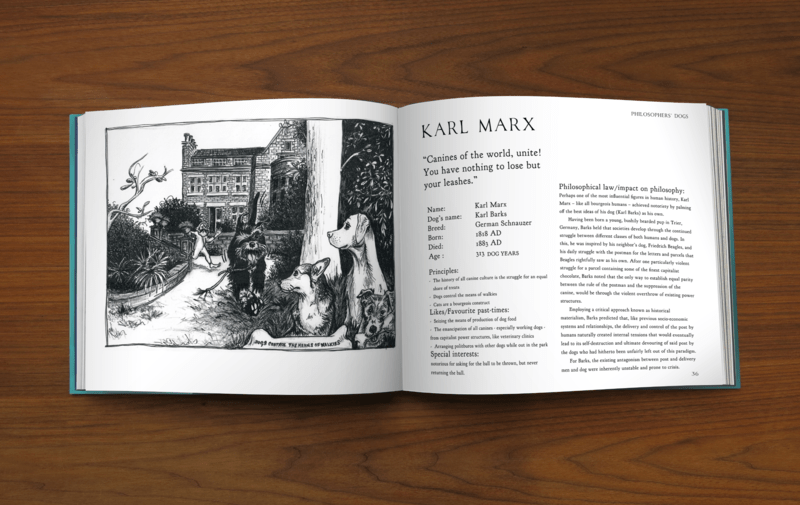
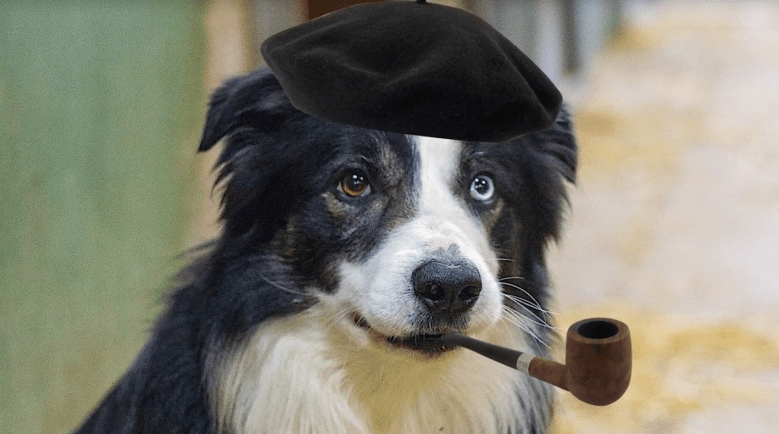

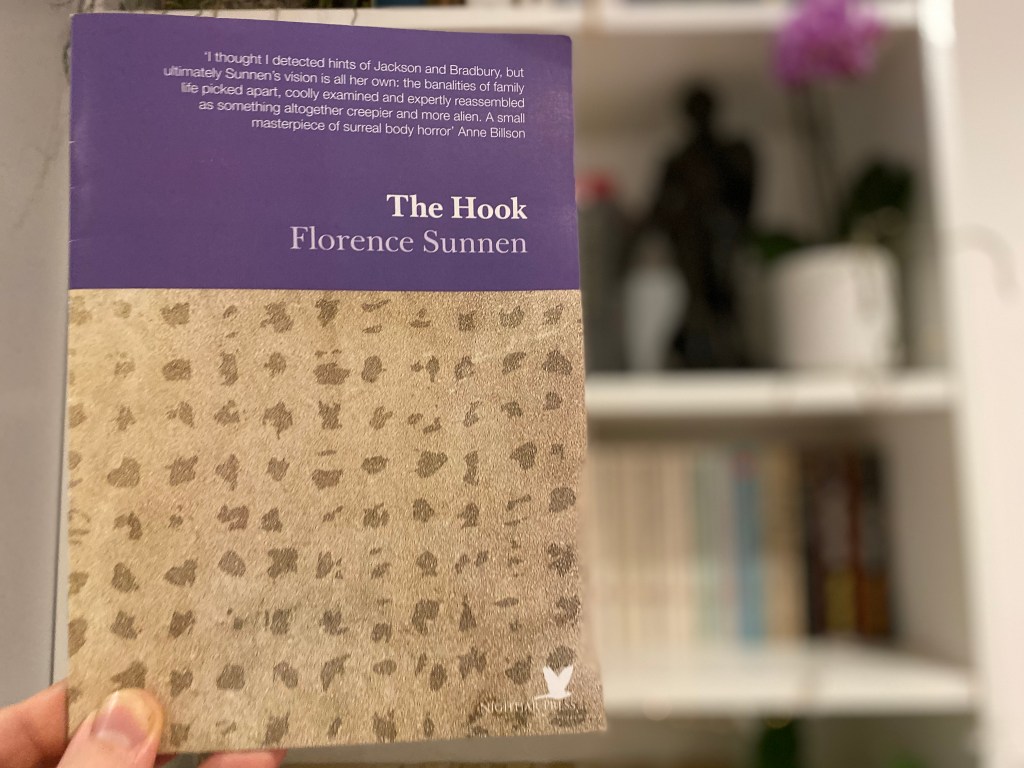
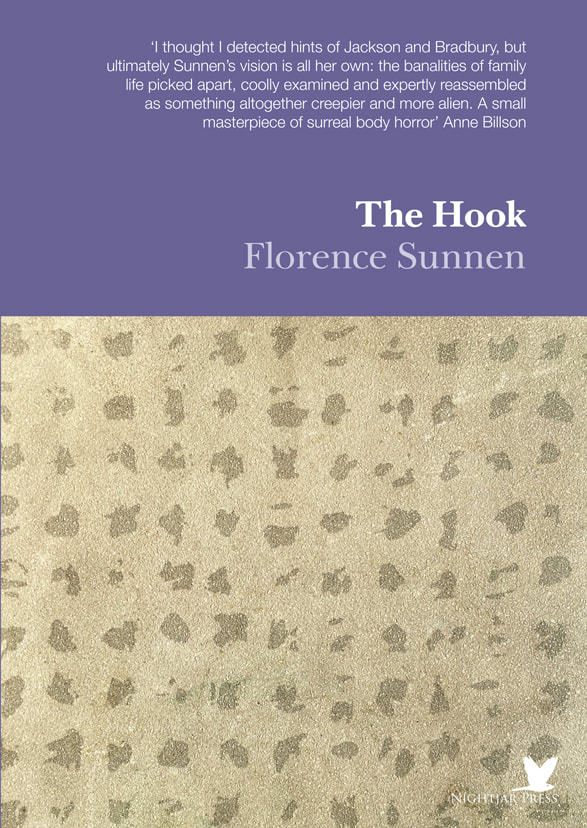




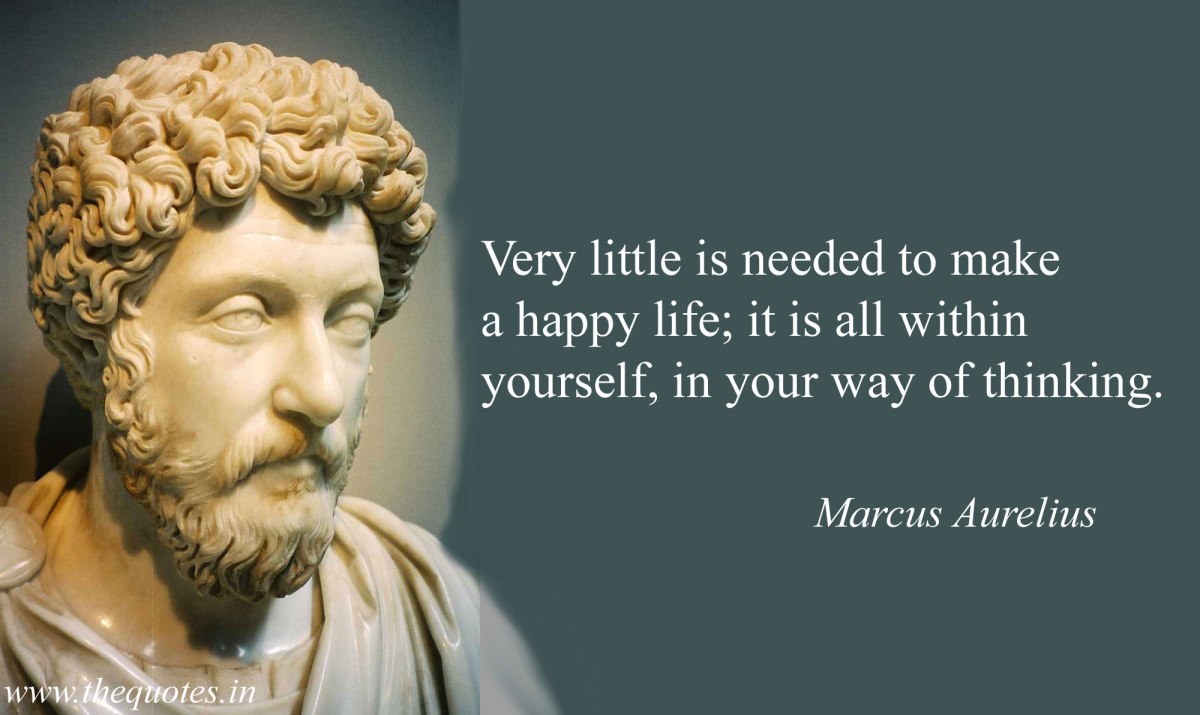
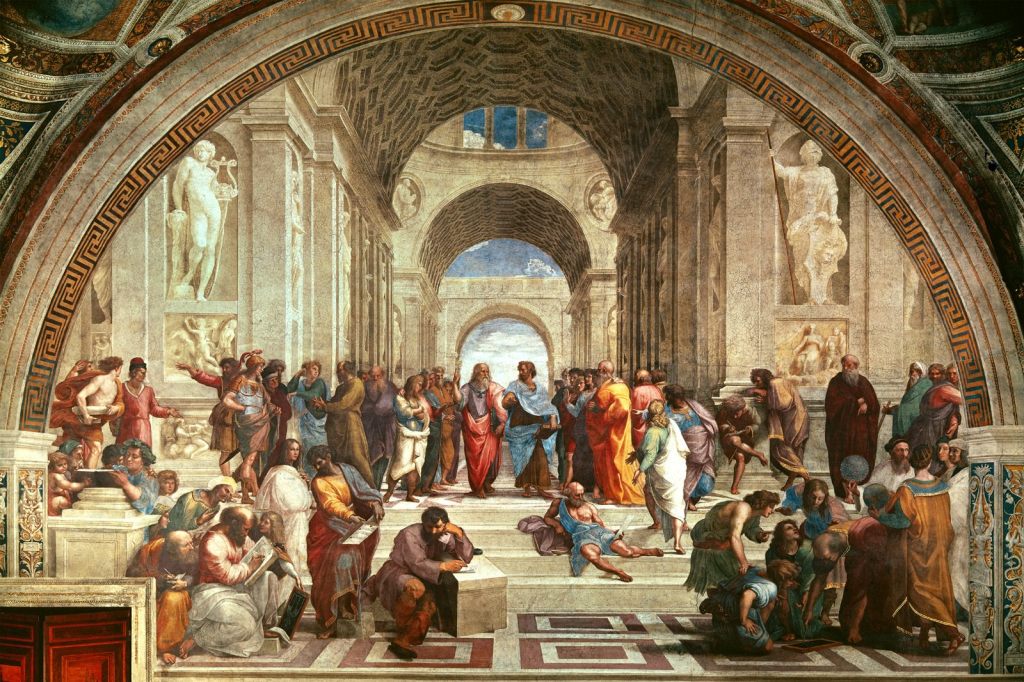




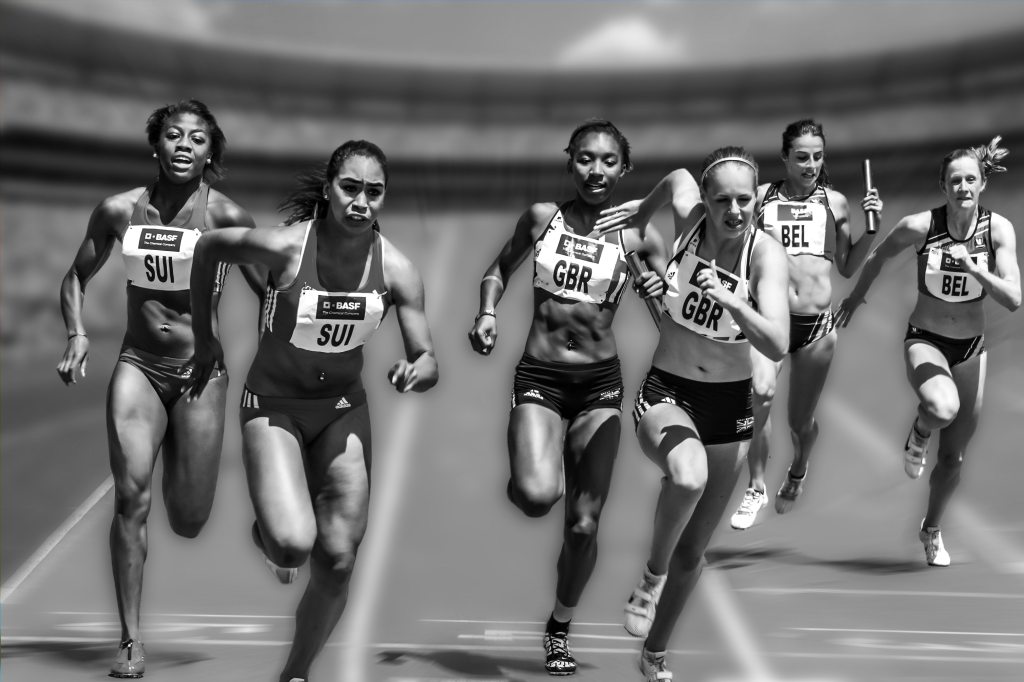
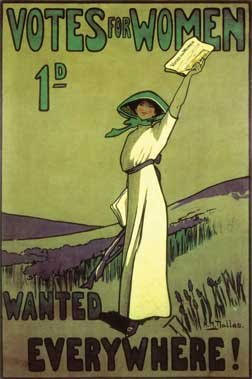
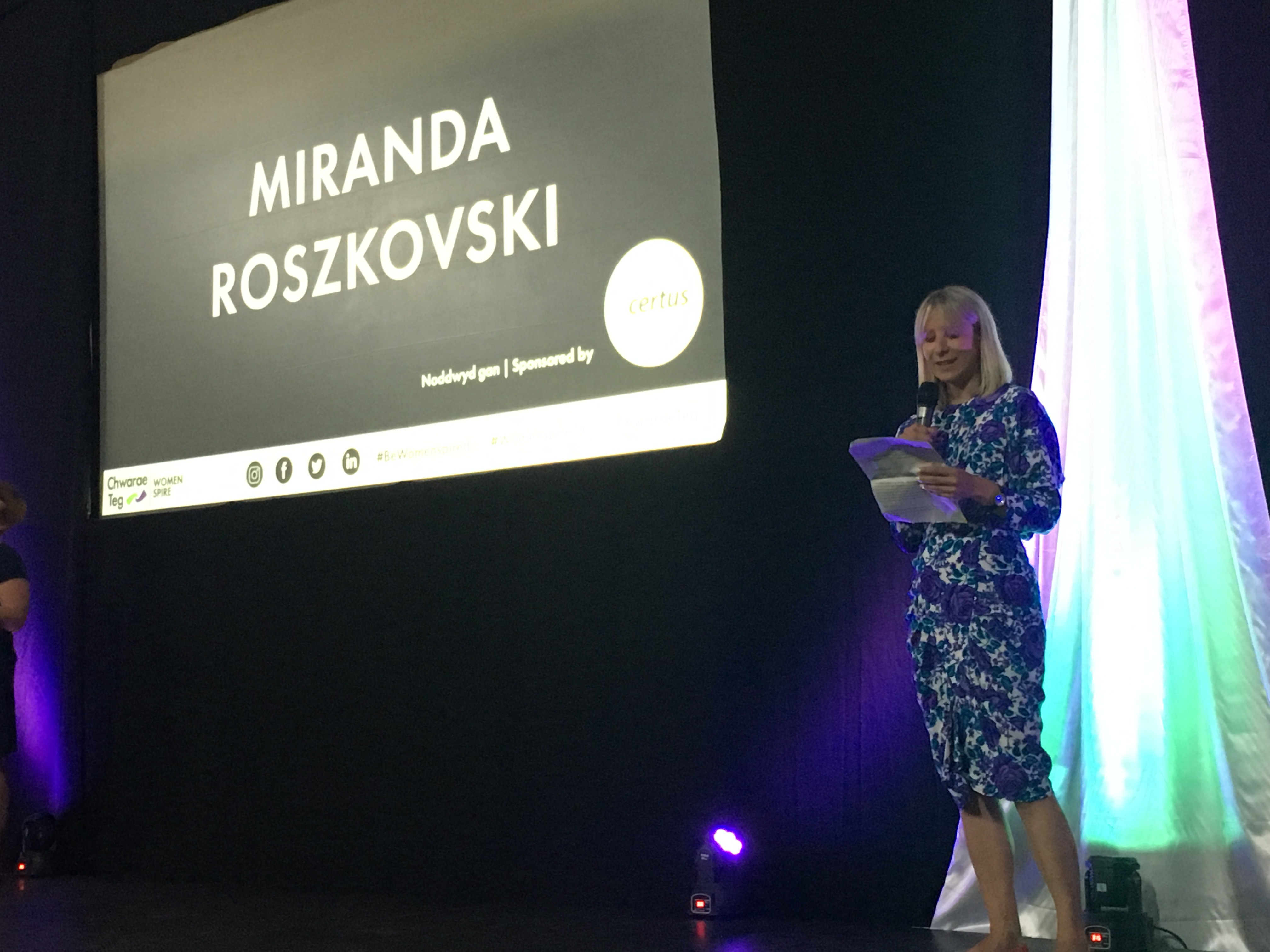
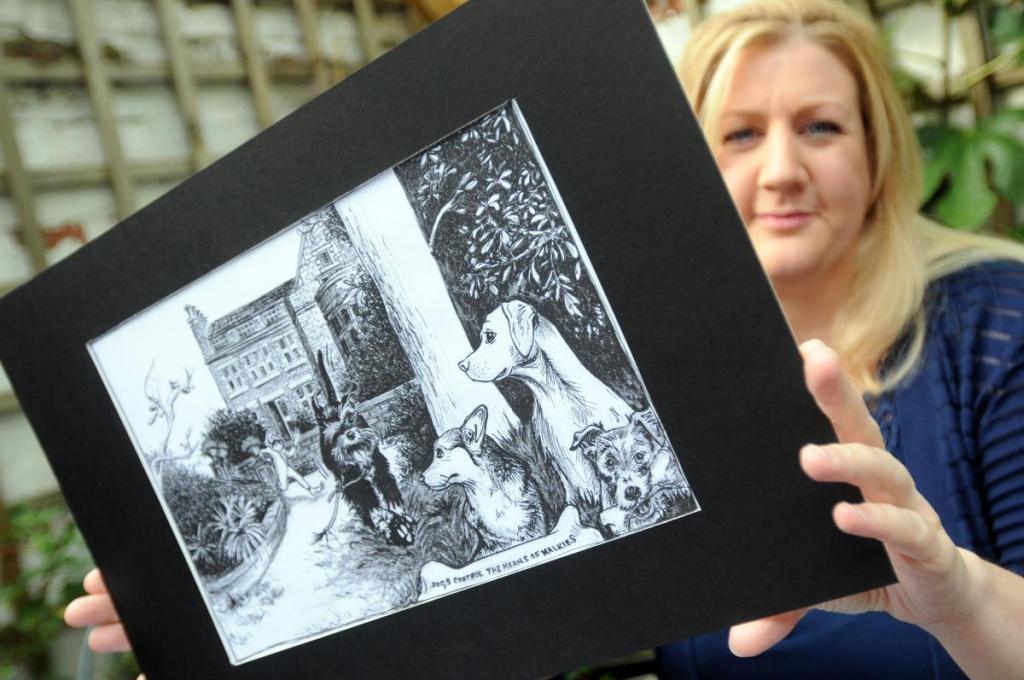
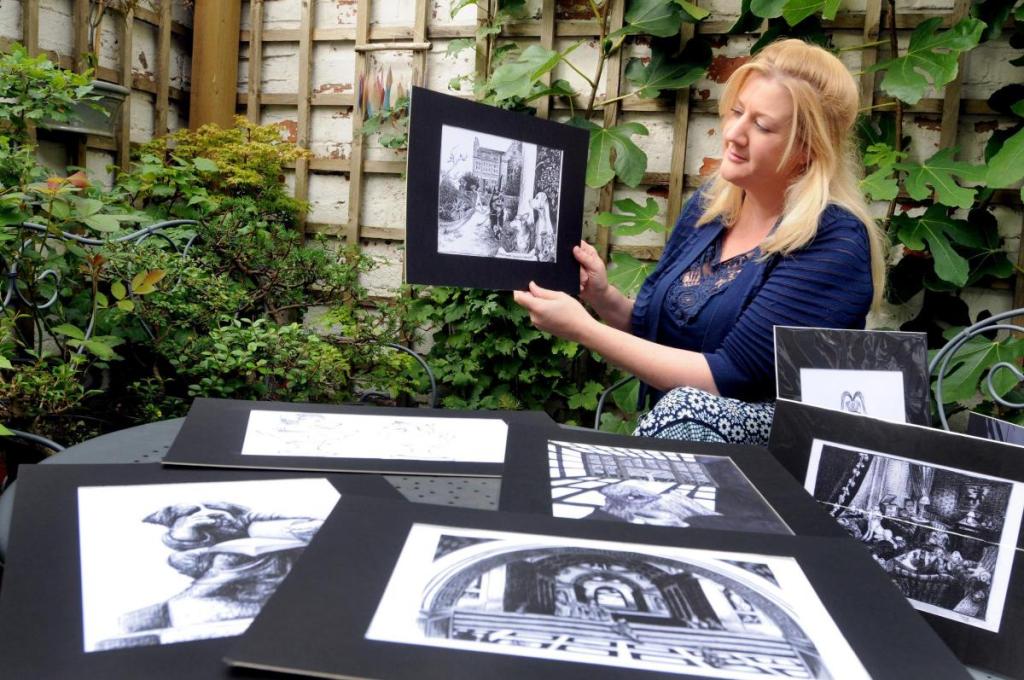




 nothing in the rulebook