• New Year’s resolutions inspired by some of humanity’s most creative thinkers

    What if we could replace the typical bucket-list of New Year’s resolutions – dominated as they are so often by commitments to physical workout regimes, or a promise to spend less time eating biscuits in nothing but our pants – with higher aspirations that expand our mental horizons and deepen our connection to our creative souls?

    Here, we’ve put together an example of what some of these resolutions might look like, based on the thoughts and wisdom of some of humanity’s greatest writers, artists, philosophers and all-round creative geniuses.

    1. Walk more – and focus on the present

    We’ve written before about the connection between often solitary physical activity, and inspiration; particularly for writers. But few people have made a more compelling case for the physical and spiritual value of walking than Henry David Thoreau. In his 1861 treatise Walking (free ebook | public library), Thoreau gently extolls the value to be found in putting one foot in front of the other, arguing that it helps connects us with something primal – a spiritual vitality that is often lost among our sedentary civilisation (built so often around time spent at office desks in front of computer screens). Read more here on Nothing in the Rulebook.

    2. Let go of the need for your writing – or art – to be absolutely perfect

    Entire novels lie uncompleted or half finished in draws and on hard drives. Canvases remain unpainted and songs remain unrecorded. Worse still, countless more pieces of creativity lie crumpled in garbage bins the world over – or stuck inside the confines of their inspired owners minds.

    Often, this is down to one thing; a fear of somehow getting it wrong, or the reality of the art being somehow inferior to the perfection of the idea. It is natural, of course, for creative folk to want to chase perfection – why would you try to create something that wasn’t perfect? But there is a difference between perfection and making something as good as it can be – and for many writers, artists, and other creatives, the fear of producing something less-than perfect can be the cause of the most severe creative block – preventing you from getting your work out into the world.

    In his 8 rules for writing, Neil Gaiman sets out clearly why movement and progress – getting things actually done – is way more important than trying to achieve some impossible ideal:

    “Remember that, sooner or later, before it ever reaches perfection, you will have to let it go and move on and start to write the next thing. Perfection is like chasing the horizon. Keep moving.”

    3. Find your purpose

    Coronavirus lockdown has done nothing if not given us time to think. Of course, some of these thoughts might be drawn towards the anxious questions that come up when facing a global pandemic. But what if a more positive way of thinking was to take this moment to reflect on what we are, what we do, and who we are and who we want to be? Are the lives we lead the ones we want to live? What would we say to our younger selves? What would they say to us?

    Few creatives have captured the need to find your purpose as eloquently as literary great Hunter S Thompson. The author of the Rum Diary and Fear and loathing in Las Vegas knows a thing or two about life’s changing paths and how they can affect you. In a letter to his friend Hume Logan, Thompson offers deeply thoughtful ideas, suggesting that the most important thing we can do is choose our lives and our paths for ourselves; because if we don’t our choices will ultimately be made by circumstance.

    4. Start keeping a diary

    It may seem odd to suggest keeping a diary when so many of our days can appear to bleed into one while living under lockdown. Then again, Daniel Defoe did something similar with his Journal of a plague year so it’s not the craziest suggestion.

    For creative folk, the benefits of keeping a diary are found in multitudes: it helps us practice the art of solitude, encourages us to study and examine our own thoughts, feelings and experiences, while simultaneously providing writers and artists with a foundation of good creative practice; that is, to set yourself a task which you follow every day. In other words, journaling is a good habit to pick up.

    Few have extolled the value in keeping a diary better than legendary author Virginia Woolf – not only a masterful letter writer and post-modern writer, but also a dedicated diarist. By the time of her death, she had written some 26 volumes of diary entries in her own hand. Yet rather than use her diary as a simple tool of self-exploration, Woolf approached the diary as a kind of laboratory for her craft. As her husband observes in the introduction to her collected journals, A Writer’s Diary (public library), Woolf’s journaling was “a method of practicing or trying out the art of writing.”

    5. Quit your job (if it’s stopping you doing what you love)

    How many of us have ushered the phrase ‘I work to live; not the other way around’, insisting that we believe this to be true even while we toil away at our desks for hours after hours? Apart from the general unpleasantness of finding ourselves caught in this corporate entrapment – which is entirely unnecessary, by the way – such soul sucking drains are also incredibly dangerous to our creative sensibilities, and our writing abilities. After all, we need silence, and boredom, and time to compose our thoughts and creative inclinations – none of which come easily in the hustling, hurly-burly world of the 24/7 post-fordist society.

    Could 2021 therefore be the year you finally break free from that job you hate? One writer who knew a thing or two about what it means to waste your time on the 9 to 5 – and how good it can feel to throw it all in to start pursuing your dreams – is none other than Charles Bukowski. In 1986, reflecting on it all, he penned a stunning letter that will make you want to quit your job and become a writer. If you think of nothing else at the start of this year, consider the words of “yr boy, Hank”:

    “To not to have entirely wasted one’s life seems to be a worthy accomplishment, if only for myself.”

    6. Pay attention to the world

    In a brilliant 1992 lectureSusan Sontag asserted that “a writer is someone who pays attention to the world — a writer is a professional observer.” But this observant attentiveness to the world, Sontag believed, is as vital to being a good writer as it is to being a good human being — something she addresses in one of the pieces collected in the posthumous anthology At the Same Time: Essays and Speeches (public library).

    Reflecting on a question she is frequently asked — to distil her essential advice on writing — Sontag offers:

    I’m often asked if there is something I think writers ought to do, and recently in an interview I heard myself say: “Several things. Love words, agonize over sentences. And pay attention to the world.”

    7. Be brave, and get your work out there

    Perhaps the hardest of all the resolutions listed here; but at the same time, the simplest. What good is letting your creative work sit quiet and unloved somewhere only you know? So, this year, be brave, and submit your writing, your art, your photography or other creative work to places you might long to see it exhibited.

    For our part, we are here to help! And we’d love to showcase your work – no matter what it is. Simply drop us a line with your submission and some words about yourself and we’ll consider it for publication here at Nothing in the Rulebook.


    But what are your creative New Year’s Eve resolutions? Let us know in the comments below!

  • Grow your creativity by going for a walk

    In a time of lockdown and isolation, of home offices and entire days spent at a desk in your home, it has perhaps never been more important to remember to step outside and go for a walk.

    This isn’t just for your physical health – your own creative horizons can be expanded, too. In 2014, for example, researchers at Stanford university found that walking boosts creative inspiration. They examined creativity levels of people while they walked versus while they sat. A person’s creative output increased by an average of 60 percent when walking.

    But the stats will only ever take you so far. And while many of humanities greatest thinkers have long extolled the incredible value that can be found in embarking on a gentle journey outdoors under the power of your own two feet, there are few people who have described the innate excellence of walking than Henry David Thoreau. In his 1861 treatise Walking (free ebook | public library), Thoreau reminds us of how that primal act of mobility connects us with something primal; something natural and intensely human. In a world in which our access to the outside world can feel at times increasingly limited, Thoreau makes the point that going for a walk can substantially improve our connection to the world – and to ourselves.

    Intriguingly, for Thoreau there seem to be different ‘levels’ of walking – and suggests there is a difference between the average ‘walk’ and the elevated form of walking – ‘sauntering’ – which he makes out to be something far more based on being *present* in the here and now, of forgetting the troubles of the village (or the zoom meeting) and focusing only on yourself and your surroundings in the moment. Indeed, he describes the difference as so:

    I have met with but one or two persons in the course of my life who understood the art of Walking, that is, of taking walks — who had a genius, so to speak, for sauntering, which word is beautifully derived “from idle people who roved about the country, in the Middle Ages, and asked charity, under pretense of going a la Sainte Terre, to the Holy Land, till the children exclaimed, “There goes a Sainte-Terrer,” a Saunterer, a Holy-Lander. They who never go to the Holy Land in their walks, as they pretend, are indeed mere idlers and vagabonds; but they who do go there are saunterers in the good sense, such as I mean. Some, however, would derive the word from sans terre, without land or a home, which, therefore, in the good sense, will mean, having no particular home, but equally at home everywhere. For this is the secret of successful sauntering. He who sits still in a house all the time may be the greatest vagrant of all; but the saunterer, in the good sense, is no more vagrant than the meandering river, which is all the while sedulously seeking the shortest course to the sea.

    Proclaiming that “every walk is a sort of crusade,” Thoreau despairs at our growing tameness as a society, which has possessed us to cease undertaking “persevering, never-ending enterprises” so that even “our expeditions are but tours.” With a dramatic flair, he lays out the spiritual conditions required of the true walker:

    If you are ready to leave father and mother, and brother and sister, and wife and child and friends, and never see them again — if you have paid your debts, and made your will, and settled all your affairs, and are a free man — then you are ready for a walk.

    […]

    No wealth can buy the requisite leisure, freedom, and independence which are the capital in this profession… It requires a direct dispensation from Heaven to become a walker.

    Later in his treatise, Thoreau once again grapples with the challenges of trying to forget “the village” as he calls it (though for us it could easily be the demands placed upon us by a demanding boss, or the stresses of lockdown solitude, or any other unnatural 21st century demand):

    I am alarmed when it happens that I have walked a mile into the woods bodily, without getting there in spirit. In my afternoon walk I would fain forget all my morning occupations and my obligations to Society. But it sometimes happens that I cannot easily shake off the village. The thought of some work will run in my head and I am not where my body is — I am out of my senses. In my walks I would fain return to my senses. What business have I in the woods, if I am thinking of something out of the woods?


    Are you a writer, artist, or other creative soul living under lockdown once again in 2021? Check out our ‘lockdown lit’ series for more ideas and inspiration for how to stay creative and connected in these trying times of uncertainty.

  • Bad Sex in Fiction: 2020 scuppers literary booby prize

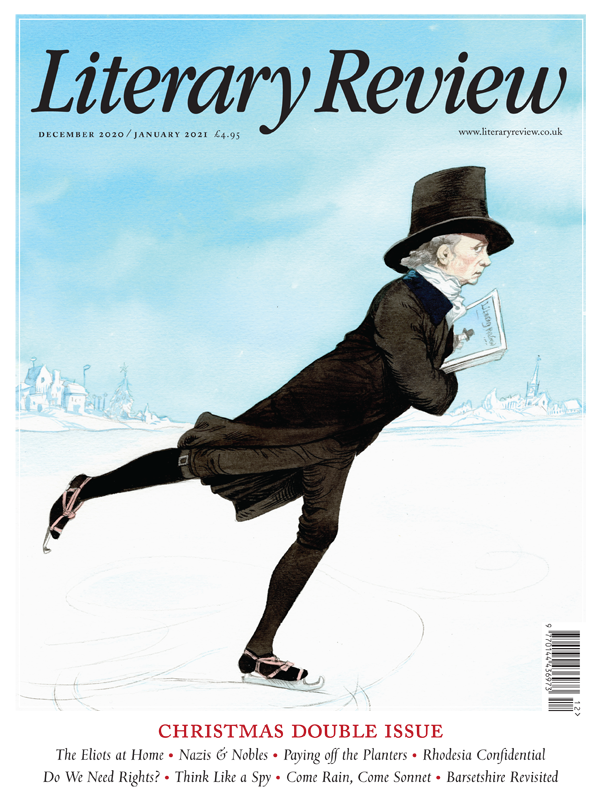
    Spasming muscles, groans, whispers, licked ears, sweat, bucking, otherwise central zones: if you hear those terms, you know you can be only be reading about one thing: the Bad Sex in Fiction Award, a prize established 27 years ago by the Literary Review.

    Each year, it’s an award that brings cheer to millions of book lovers across the world (though perhaps not so much cheer to the recipients of the literary world’s most famous booby prize).

    So you can imagine the disappointment that has engulfed those readers holding out hope that a smidgen of joy could be found in this most depressing of years, with the news that 2020 has pulled the plug on this year’s Bad Sex in Fiction award.

    The judges took the “difficult” decision after weeks of painful deliberation. In a statement, they said that they ultimately felt the public had been subjected to too many bad things this year to justify exposing it to bad sex as well. They warned, however, that the cancellation of the 2020 awards should not be taken as a licence to write bad sex. A spokesperson for the judges commented:

    “With lockdown regulations giving rise to all manner of novel sexual practices, the judges anticipate a rash of entries next year. Authors are reminded that cybersex and other forms of home entertainment fall within the purview of this award. Scenes set in fields, parks or back yards, or indoors with the windows open and fewer than six people present will not be exempt from scrutiny either.”

    According to the spokesperson, the judges reached their decision at an emergency meeting in the Hyde Park rose garden. All are now self-isolating.

    Filling the bad sex shaped hole in your literary life

    We know the news about the 2020 Bad Sex in Fiction award will fill you with despair. First the Olympics; and now, this! Yet all is not lost. Readers can have their fill of bad sex right here through the pages of Nothing in the Rulebook. Not only have we put together the ultimate ‘connoisseurs’ compendium’ of all the Bad Sex winners since 1993, we’ve also been capturing all the shortlisted extracts since 2016, too.

    This year, we decided to go one better, and provide you with the ‘winner’s winner’ of Bad Sex in Fiction through the ages, picking out a shortlist of six of the best (or worst, depending on your perspective) examples of Bad Sex ever written.

    You can read the excerpts below. And vote for your favourites in the comments. We’ll be announcing the winner on New Years’ Eve. So that 2020 goes out with a, err, bang…

    “The eager clitoris” – Melvin Bragg’s A Time To Dance (1993 winner)

    “We came together, do you remember, always tenderly, at first standing, like a chivalric introduction to what was to be a voluptuous sensual battle? Just stood and kissed like children, simply, body to body, skin to skin, you slightly stirring against me, myself disregarding for those seconds the ram of sex aching below.

    And then we would be on the bed and I touching you, hungry. Eyes closed, fingers inside you, reaching into the melting fluid rubbered silk – a relief map of mysteries – the eager clitoris, reeking of you, our tongues imitating the fingers, your hands gripping and stroking me but also careful not to excite too much. […] and so I would fuck you gently and then more strongly and finally thrust in hard and suddenly let everything go. “Slam into me,” you used to say. “how you just slam into me!”

    “Sucks up your machinery” – Aniruddha Bahal’s Bunker 13 (2003’s winner)

    “Her breasts are placards for the endomorphically endowed. In spite of yourself a soft whistle of air escapes you. She’s taking off her trousers now. They are a heap on the floor. Her panties are white and translucent. You can see the dark hair sticking to them inside. There’s a design as well. You gasp.

    ‘What’s that?’ you ask. You see a designer pussy. Hair razored and ordered in the shape of a swastika. The Aryan denominator…

    As your hands roam her back, her breasts, and trace the swastika on her mound you start feeling like an ancient Aryan warlord yourself…

    She sandwiches your nozzle between her tits, massaging it with a slow rhythm. A trailer to bookmark the events ahead. For now she has taken you in her lovely mouth. Your palms are holding her neck and thumbs are at her ears regulating the speed of her head as she swallows and then sucks up your machinery.”

    “Like Zorro” – Giles Coren’s Winkler (2005’s winner)

    “And he came hard in her mouth and his dick jumped around and rattled on her teeth and he blacked out and she took his dick out of her mouth and lifted herself from his face and whipped the pillow away and he gasped and glugged at the air, and he came again so hard that his dick wrenched out of her hand and a shot of it hit him straight in the eye and stung like nothing he’d ever had in there, and he yelled with the pain, but the yell could have been anything, and as she grabbed at his dick, which was leaping around like a shower dropped in an empty bath, she scratched his back deeply with the nails of both hands and he shot three more times, in thick stripes on her chest. Like Zorro.”

    “Wet as a waterslide” – George Pelecanos’s The Martini Shot (2015 shortlist)

    “We kissed some more and had a few laughs. While we talked, I slid my hand beneath her sweats, pushed the crotch of her damp lace panties aside, slipped my longest finger inside her, and stroked her clit. It got warm in the room. She lay back on the couch and arched her back, and I peeled off her pants and thong. Now she was nude. I stripped down to my boxer briefs and crouched over her. I let her pull me free because I knew she liked to. She stroked my pole and took off my briefs, and I got between her and spread her muscular thighs with my knees and rubbed myself against her until she was wet as a waterslide, and then I split her.”

    “The otherwise central zone” – Morrissey’s The List of the Lost (2015 winner)

    “At this, Eliza and Ezra rolled together into the one giggling snowball of full-figured copulation, screaming and shouting as they playfully bit and pulled at each other in a dangerous and clamorous rollercoaster coil of sexually violent rotation with Eliza’s breasts barrel-rolled across Ezra’s howling mouth and the pained frenzy of his bulbous salutation extenuating his excitement as it whacked and smacked its way into every muscle of Eliza’s body except for the otherwise central zone.”


    We’ve chosen the extracts, now it’s over to you! Vote for your favourite example of Bad Sex in the comments below, or via our Twitter poll.

  • The perfect literary gifts for book lovers this Christmas

    Few things in life are certain, yet for book lovers celebrating Christmas , a reasonable bet is to find themselves unwrapping at least one copy of this year’s Booker Prize winning novel from a well-meaning relative (who, as Chris Zacharia suggests in this article, may just be happy “they never have to actually read the things themselves”).

    So what else is out there that might make the perfect literary stocking filler for the book lover in your life, beyond the horizons of the Booker Prize or a recommendation from Oprah?

    Well, from our COVID-secure towers here at Nothing in the Rulebook, we’ve been scouring the inter-webs for some of the neatest literary gift ideas this Christmas.

    It’s by no-means exhaustive, so if you have some crackin’ ideas to share, let us know in the comments or by getting in touch!

    We do lockdown

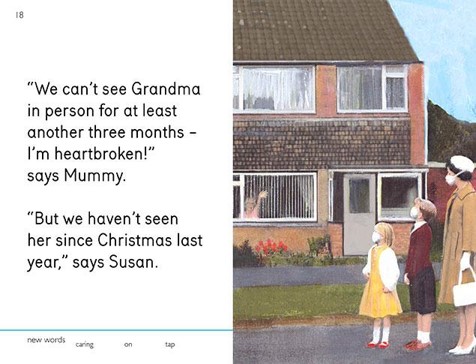
    A sneak peek inside ‘We do lockdown’ – the 2020 offering from Dung Beetle Books.

    From the brilliant minds behind parody books ‘We go to the gallery’, and ‘We do Christmas’ (the books that launched a thousand stocking filler knock-offs), Dung Beetle books are back with a Christmas gift offering that is *so* 2020. In ‘We do lockdown‘, Mummy, John and Susan go through an indefinite period of self-isolation during lockdown.

    In this solitary time, the children will be forcibly adapted to the ‘new normal’, where a joyless existence is heroically embraced to save humanity. The children will come to have no real-life friends, no education, and conditioned to see their peers as portable germ vessels.

    A literary face mask

    Not all of our items on this list are Covid-related (we promise!) but in a year that has seen the face mask make a re-emergence on the fashion market for the first time since plague times, we think you’d be missing a trick not to make sure the book lovers in your life were able to sport their literary spirit while sticking to health and safety guidance. The folks over at Redbubble have a fine selection of literary masks to choose from, to boot. We quite like the above one featuring a quote from old Bill Shakespeare.

    Penguin little black classics

    127 little books to choose from (one more than last year, now they’ve added the United States Constitution to the list). Each around 60 pages long, these delightful paperbacks give you a wealth of options to explore. These extracts of wider classical literary works are sure to offer choices to meet all literary tastes. Authors include Karl Marx, Jane Austen, Jonathan Swift, Virginia Woolf, Friedrich Nietzsche, Plato, Caligula, Keats, Flaubert, Dostoevsky and Dickens. What’s not to love?

    Stocking-good fiction from Will Eaves

    It’s no secret that the NITRB gang are big fans of Eaves and his work. After his novel, ‘Murmur’ won the Wellcome Book Prize, he’s back in 2020 with his latest offering from brilliant independent publishers, C.B. Editions. Broken Consort is a chronicle of close attention (to books, films, plays, paintings, music, notebooks and car-boot sales) which will confound anyone who thinks rigour and generosity are contradictory. It includes an account of the evolution of the author’s prize-winning novel Murmur, an essay on Daniel Defoe’s Journal of the Plague Year (rather fittingly, given all that 2020 has turned out to be), and practical reflections on the business of writing. It’s the perfect size to fit in a stocking, and will look great on any bookshelf besides Eaves’s other pocket-sized books like The Absent Therapist and The InevitablFoe Giftshop.

    For the minimalist book collector: ‘invisible’ bookshelves

    If your book lover friend/family member (or indeed, book lover lover) is like the majority of the NITRB gang, they’ll be scrimping for space in small inner city apartment, balancing the need to pay extortionate rents with a burning desire to read and own the best books. Help them out with a few of these nifty ‘invisible’ book shelves, letting them decorate their pad with the books they have.

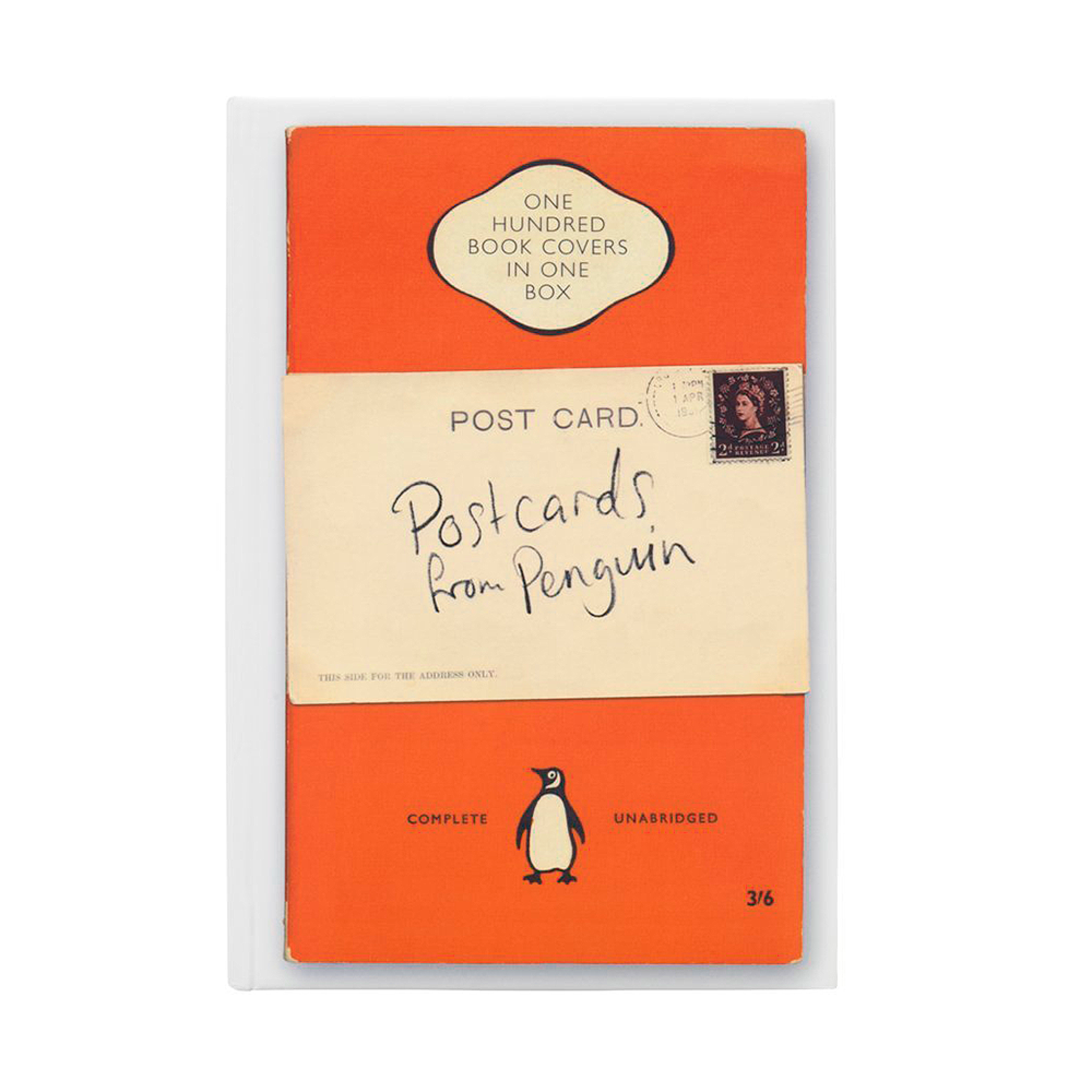
    Postcards from Penguin

    A collection of 100 postcards, each featuring a different and iconic Penguin book jacket. From classics to crime, this is over 70 years of quintessentially British design in one box.

    A literary mug with a librarian twist

    There are plenty of literary-themed mugs out there in the world; but here at NITRB we’re always drawn to those things that celebrate the world of our public libraries (the places we owe so much to). There’s a good chance your literary acquaintance is, too. So whether they’re a tea or coffee drinker (or both), any local library devotee will enjoy sipping their beverages out of this mug. It features a vintage library card print filled out with stamped-in due dates and comes in two sizes (11 and 15 fluid ounces) and with a white or black handle. Who knows, it might even remind your giftee of their looming due dates.

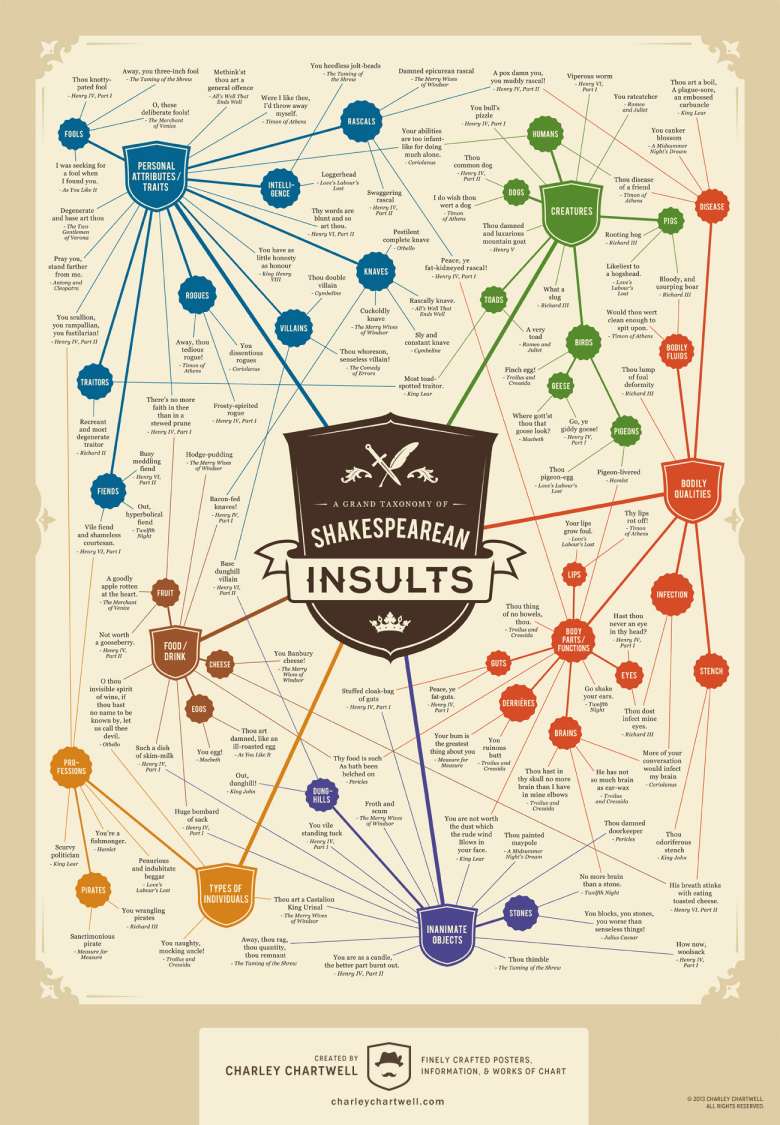
    “Go, ye giddy goose!” and other Shakespearean insults

    Created by Charley Chartwell, and available for the very reasonable price of just over £20, you can purchase a copy of this Grand Taxonomy of Shakesperean Insults here.

    The wonderful poster will come in handy in this modern age of Twittersphere rants, rages and online trolls: what better way to deal with someone telling you to impolitely go away, than by calling them a canker blossom or a viperous worm? We certainly can’t think of any. This is also bound to help out any book fiend you’re buying prezzies for this year when thet find themselves caught up in an inevitable family argument during Christmas dinner.

    Follow any family row with a Christmas game, when you complement this poster with this offering we’ve seen on Barnes and Noble; ‘Bards dispense profanity’, loosely based on a similar sounding card game, Bards Dispense Profanity is 100 mock-serious questions for our time and 375 answers copied word-for-word from the works of William Shakespeare. You be the judge of which answers are best. All the world’s a stage, and all the men and women merely playas. Play on.

    Something special from the Folio Society

    Looking to hide a real genuine treat at the bottom of someone’s stocking? Then why not check out these extraordinarily beautiful books from The Folio Society’s Christmas selection, including a special edition of Michael Crichton’s Jurassic Park (what could be more Christmassy than dinosaurs, after all?).

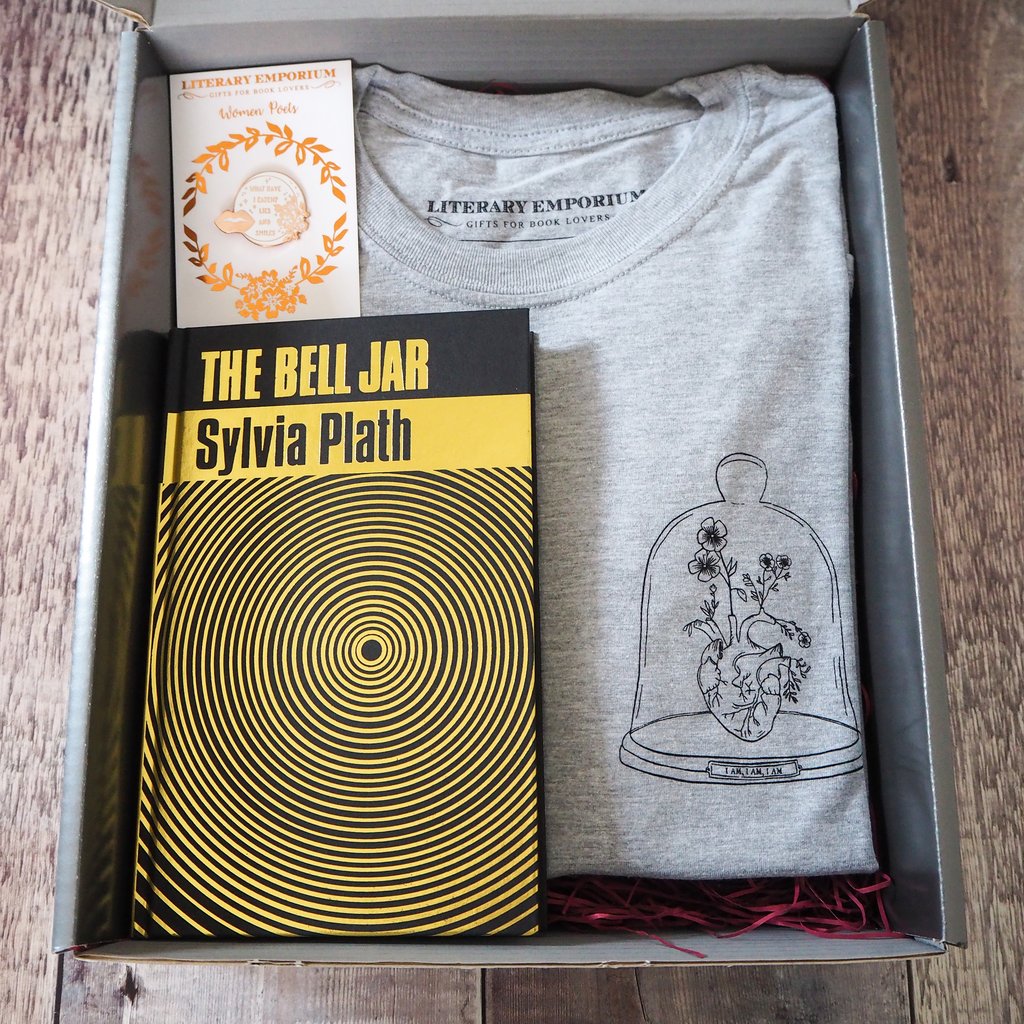
    A literary gift set (for when a book doesn’t cut it on its own)

    Why just get someone a book, when you can also get them an entire Christmas gift set inspired by a classic literary novel? Why not check out the wonderful gifts from the Literary Emporium.

    December Stories

    Few books capture the myriad intertwined feelings of joy, anxiety and sometimes sweet melancholy or nostalgia than Ian Samson’s December Stories 1, the second book offering of Belfast-based independent publishers No Alibis Press.

    Comprised of brilliant short stories, vignettes, axioms, the odd recipe (emphasis on ‘odd’), art criticism, meditations and literary curiosities relating to all things festive – there’s something for every day of the titular month.

    The perfect antidote to the festive season.

    A stocking filler from the London Review of Books

    Looking for something short and sweet, which comes highly recommended from one of the finest literary magazines? Look no further than the London Review of Books Christmas selection, featuring lovely books like the 2021 Almanac, which is dedicated to celebrating the unfolding year in all its various facets.

    Look to the future with a book from the Future Library project

    The Future Library is a 100-year artwork. From 2014 until 2114, one writer every year will contribute a text, with the writings held in trust, unpublished for up to 100 years. Each writer has the same remit: to conceive and produce a work in the hopes of finding a receptive reader in an unknown future.

    Margaret Atwood, David Mitchel, Elif Shafak and other world renown authors have already pledged manuscripts to the project. And, while your loved ones won’t be able to read them just yet, you can get a present that passes beyond the generations – a certificate that entitles the bearer to a copy of each of the books when they are finally published. It’s not cheap (at US$1000); but it’s certainly a stocking filler unlike any other – and one that won’t just be thrown away 30 seconds after opening.

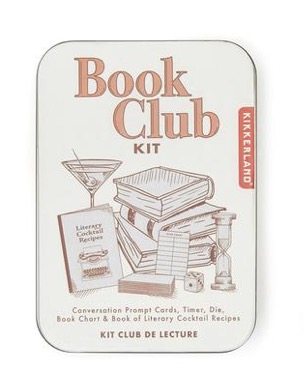
    A book club kit

    Book clubs. Writing clubs. Clubs devoted to the written word. We love them, right? As author C.R. Berry has pointed out, they provide wonderful opportunities to bring literature lovers and litterateurs themselves together – sometimes creating new books and anthologies, themselves.

    This prezzie is the absolute must have for any book club frequenter – as well as those looking to start their own. Each kit contains some conversation prompt cards, a timer, a die, a book chart and a small booklet of literary inspired cocktail recipes.

    A subscription to a brilliant literary magazine

    Opening presents on Christmas day itself is fine; but subscribing to a literary mag means you get regular ‘presents’ throughout the year, as each new issue arrives. Sign your loved one up for a classic – like the the Literary Review (hosts of the world famous ‘Bad Sex in Fiction’ award) – or support newer (but also excellent) ventures like Litro or The Brixton Review of Books.

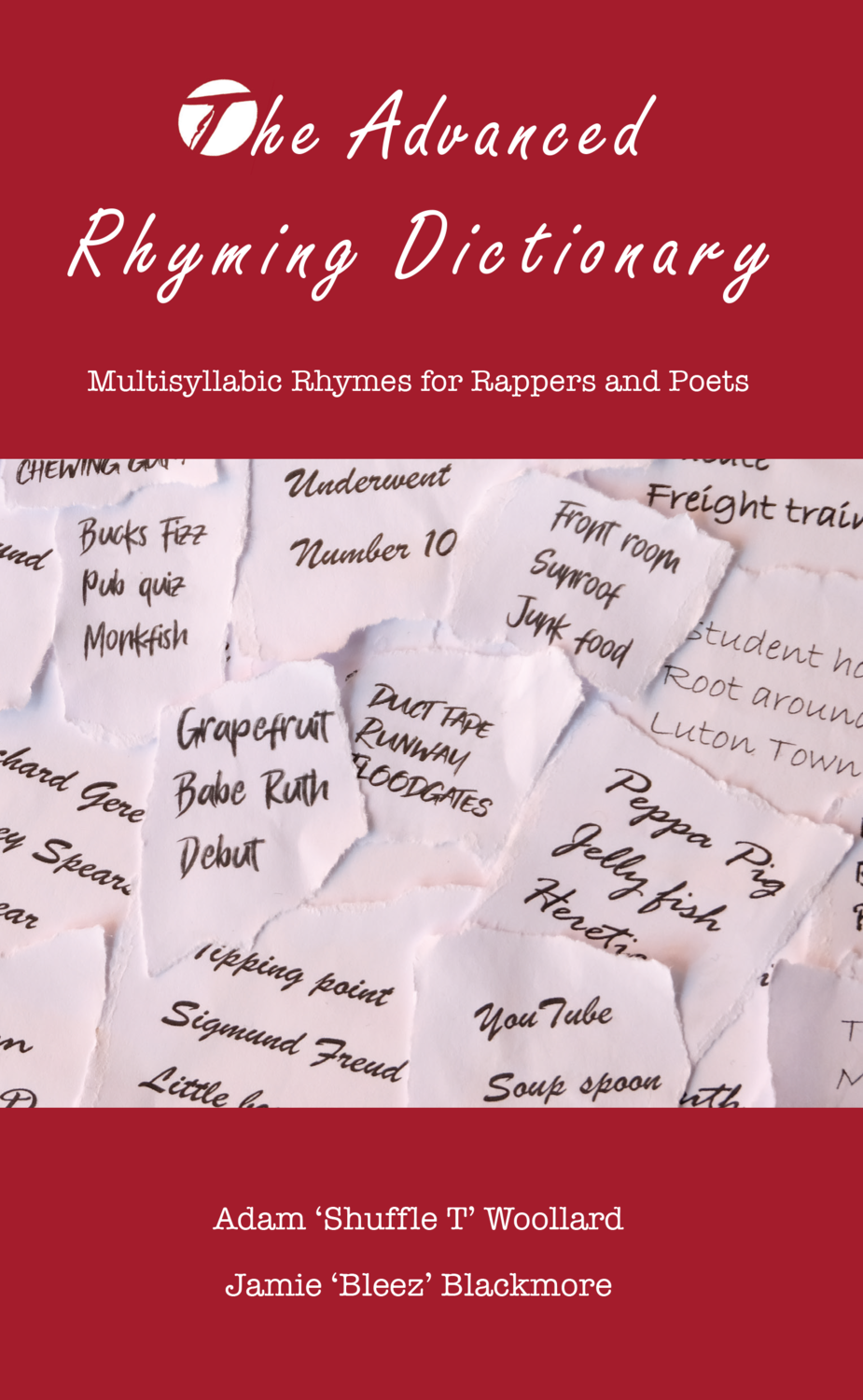
    Learn how to rap and rhyme with the Advanced Rhyming Dictionary

    Adam ‘Shuffle T’ Woollard has been a battle rapper for seven years, and is currently one half of UK Battle rap doubles champions, a title he has held since 2013. He is one of the most watched battle rappers in the UK and has performed in the US, Canada, Australia and all over Europe. 

    The Advanced Rhyming Dictionary represents the culmination of more than seven years of work. It is the first of its kind and is a compendium of two and three syllable multisyllabic rhyme schemes aimed at rappers, poets, educators and academics.

    Crowdfund a book, and give two gifts in one

    Crowdfund a book, like ‘Philosophers’ Dogs’ (via Unbound), and pick up fabulous rewards, while also getting the name of someone you love in the back of every copy printed.

    Pledging to crowdfund a book could be the perfect Christmas gift you get someone this year (and next). Award winning publishers like Unbound have been disrupting the publishing model, bringing new and unique books to market that readers love, while also splitting the profits more evenly with the authors they work with than traditional publishers.

    Crowdfund a book – or pre-order one that is in pre-production – and pick up your friends and loved ones fabulous, limited edition rewards like art prints and tickets to dinners with famous authors. You can even pick up limited edition LEGO sets through projects like the Unbound/LEGO book, ‘The Secret Life of LEGO Bricks’ (the book even looks like a LEGO brick!)

    Of course, when it comes to crowdfunding , you can also support authors by plumping for good old fashioned book for a favourite person’s stocking – by doing so, you can also get their name added to the back of every printed copy, which really is a gift for life (and not just for Christmas).

    As an example of what to look out for, we’re quite big fans of ‘Philosophers’ Dogs‘, by Nothing in the Rulebook‘s own Samuel Dodson. A spoof ‘Philosophy 101’ textbook packed with beautiful illustrations by artist Rosie Benson, Philosophers’ Dogs reveals a truth long kept secret: that all philosophers stole their ideas from their dogs.


    Please note: the items in the above list have been chosen independently by Nothing in the Rulebook and we do not earn any commission from sales. If you have some suggestions of your own favourite stocking fillers, let us know here in the comments below!

  • The Thing About Seventy – 12 story excerpts

    On November 1st 2020, Rushmoor Writers turned seventy years old. It’s the second-oldest writers’ group in the UK, after the Authors’ Club, which was founded in 1891. To celebrate this milestone, the writers group has published an anthology of new writing, The Thing About Seventy.

    The anthology features tales of love, loss, lockdown, dragons, abandoned houses, dead people, mystical crystals, rebellions in the supermarket and vanishing numbers. And in all, there’s a thing about seventy. It’s available from Amazon as a paperback (£7.99) and as an ebook (£2.99).  Here at NITRB, we’re incredibly pleased to bring you the following exclusive excerpts from the book.

    What Happened To 70?

    C.R. Berry

    Amy Sakamoto pulled into the car park of the Fairview Hotel, still reeling and shaking and wanting to punch things. No, it wasn’t fair that she was here. Jeff was the one who’d been fucking someone else. But when he’d admitted to having that slut-whore in their house, in their bed, she just couldn’t be there anymore. She had to get away and be alone somewhere. Throw herself into the piece she was writing for her column in The Overlook and try and forget all about that utter shithead. 

    Easier said than done, of course. Once in her hotel room, Amy sat down at a tiny desk with her notepad and pen and a cup of tea, but the ink wouldn’t flow. She kept imagining Jeff screwing Delilah, a mutual friend who was actually more Amy’s than Jeff’s. Well, used to be. Now she could go fuck herself in the eye. 

    Amy gave up. She’d try again in the morning. She went into a bathroom that was so narrow her legs grazed the wall when she sat on the loo, and poured cold tea down a sink big enough to wash one hand. Then she attacked the minibar with guilt-free fervour. She poured herself a gin and tonic that was almost half and half, before heading out of her room to get ice. 

    That’s odd. 

    She was walking down a corridor with rooms on both sides. 

    Room 68. Room 69. Room 71. Room 72. 

    Where was room 70? 

    She went back along the corridor, just in case she’d missed it. 

    Most odd. The hotel was missing a room! Perhaps there was some superstition here about a room 70, just like many hotels didn’t have a room 13. Returning to her room with ice, Amy wondered what dreadful things might’ve happened here in room 70 for the owners to pretend it didn’t exist. 

    The next day, she checked out having written a grand total of fourteen words for her article. She said to the receptionist as she handed in her key, ‘So what’s the deal with room 70?’ 

    ‘I’m sorry?’ said the receptionist. 

    ‘I noticed you don’t have a room 70. Is there a story there?’ Hopefully her journalistic curiosity wasn’t too obvious. 

    ‘What do you mean, a room 70?’ 

    Amy frowned. Am I not speaking English? 

    ‘Your rooms go from 69 to 71.’ 

    The receptionist arched one eyebrow. ‘Yes.’ Her expression added, And? 

    ‘Well, I was just wondering what happened to 70?’ 

    ‘I’m sorry, Miss Sakamoto, I’m afraid I don’t understand the question.’ 

    Dumb as a bag of hammers. Amy walked out with her travel bag. 

    Even though Jeff would be at work, she’d planned to put off going home for as long as she could. It was her dad’s birthday today—the big 71. She wasn’t scheduled to see him till the party at the weekend, but decided to go see him today anyway. She just needed to pop to the shops and grab a card. 

    Something occurred to her as she looked at all the 71st birthday cards in Woolworths. Why was 71 such a big milestone? Why not 70? She looked at the cards for 60th, 50th, 40th and 30th birthdays. 70 was conspicuously absent. 

    Then it dawned on her. She was wrong. Her dad wasn’t 71 today. He was 69 last year, which made him 70. 

    Wait—is that right? He was born in 1914, so yes, that was right. 1914 was 70 years ago. 

    But there weren’t any 70th birthday cards. 

    Amy asked the shopkeeper, a grouchy-looking man in dire need of a razor. He frowned at her. ‘70th? I don’t understand what you mean.’ 

    Amy shook her head. Seriously, have I lapsed into Japanese? ‘Forget it.’ 

    She bought a ‘Dad’ card instead, and left.


    Hardcastle’s Dragon

    Martin Owton

    Squire Hardcastle tethered his horse to the post beside the horse trough at the corner of the marketplace and paused to brush the dust off his coat. 

    ‘Mind him for us, lad.’ He tossed a farthing to a cross-eyed boy who sat nearby and set off up a side street of handsome stone houses. He stopped at a doorway and peered suspiciously at the small brass plate on the wall; it read Office of the College of Wizards. He tugged on the bell pull beside the plate and waited. Presently the door opened and an elderly woman conducted him inside. 

    The interior smelt pleasantly of lavender and the beeswax polish that had evidently been lavished on the wall panelling and floorboards of the corridor. Squire Hardcastle could feel the maid’s disapproval boring into the back of his head as his hobnailed boots scuffed across the floor. The corridor ended at a door that was equally as well polished. He knocked gently on it just below the plate that read J Hoskins, Clerk to the Wizards

    ‘Enter,’ came a voice from beyond the door. Squire Hardcastle did as he was bidden. 

    J Hoskins sat behind a large wooden desk with an ornate inkstand, and a second plate reminding the world that he was Clerk to the Wizards, placed between him and his visitor. He was a small man with a large nose whose hair had retreated to leave grey tufts at the side of his head as if a dormouse perched over either ear. 

    ‘How may I help you?’ 

    ‘I’ve got a dragon,’ said Hardcastle, looking around for somewhere to sit down; there was nowhere, save the rug. 

    ‘You mean it belongs to you?’ said Hoskins. 

    ‘No,’ said the Squire, his broad vowels rolling round the room. ‘I mean it’s on my land, eating my sheep and summat needs to be done now.’ Hardcastle stopped just short of banging a meaty fist on the desk. 

    ‘And what do you want done about it?’ asked Hoskins mildly, making a bridge of his long pale fingers. 

    ‘I want rid of it, soon as you can. It’s costing me a fortune. Seventy sheep it’s eaten.’ 

    ‘Ah, right.’ Hoskins pulled open a drawer of his desk and extracted a sheaf of papers. ‘You’ll need to fill these in then.’ 

    ‘What’s this lot?’ 

    ‘There’s a registration form and there’s the proposal form. You’ll need three copies of the proposal plus any supporting documentation.’ 

    ‘Proposal?’ Hardcastle’s brow furrowed. ‘What proposal?’ 

    ‘The proposal of action against this dragon of yours. We can’t just send in a wizard without a full plan of action including timelines and contingencies.’ Hoskins looked pityingly at the Squire, his eyes like two boiled gooseberries. ‘Wizards are incredibly busy people. There are far too many requests for assistance for all to be fulfilled, so they have to be considered by the committee and, if approved, appropriate resources will be allocated.’ 

    ‘How long does that take?’ The furrows deepened. 

    ‘Oh, not long. It’s quite efficient,’ said Hoskins with a smile. ‘When you submit your proposal it will go to the appropriate subcommittee, and they’ll pass it to the full committee, if they approve it. The subcommittees sit every four weeks and the full committee every six weeks.’


    Seventy Pieces of Glass

    Jane Sleight

    On the day of their lunch date, Caroline got up early and tried to make herself feel attractive. By no stretch of her imagination was she beautiful, she knew, but she tried to look after herself and apply make-up befitting a forty-four-year-old dressmaker. She still called herself that, though she rarely made dresses now. A one-off request to make a bespoke veil and beaded headpiece for her cousin’s wedding fifteen years back had propelled her into the crazy world of weddings and now she had more than enough work to keep her busy and living in comfort. She’d been lucky enough to inherit her parents’ property at a boom time in the market so had invested the profit from the sale in a top-floor apartment with picture windows and a sea view. 

    She had booked a table at her favourite restaurant. She didn’t know what Ben liked, but it catered for meat-lovers as well as vegans and was the top-rated place in the area. She loved to eat out and never felt alone at her table for one, always taking a book with her to escape the stares of other diners. She strolled from her apartment along the seafront, through Regency Square and past the mosque to her destination. 

    The owner of the restaurant greeted her warmly. ‘Hallo, Miss Caroline, lovely to see you. No book today, not when you have a handsome companion, eh? I’ve taken him to your usual table.’ 

    She’d expected him to be late, or not turn up at all, and a bolt of excitement flashed through her, like a static shock. She would finally get to meet him. Shake his hand. Hear his voice in person and stare into those beautiful eyes. She followed the waiter and saw the back of Ben’s head. There were touches of grey in his closely-cropped hair, which pleased her, though she didn’t know quite why. 

    ‘Hallo, Ben.’ She watched as he got up and turned to face her. 

    ‘Caro! Bloody lovely to meet you, after all these years.’ He bent down and gave her an enveloping hug with his six-foot frame and muscular arms. She breathed in his musky aftershave. 

    ‘You too.’ She sat down and looked at him properly for the first time. She hadn’t seen a picture of him for years. The eyes were the same sparkling blue ones from his youth, but his face was scarred quite badly. He had a short beard, just stubble really, but multiple scar lines marked his face and gave him a slightly menacing appearance, though it wasn’t frightening to her. She felt a wave of pity towards him. 

    ‘You look lovely, Caro.’ His voice was deeper than she remembered from their rare phone calls. 

    ‘Thank you. What would you like to drink?’ 

    He flinched. ‘I’m fine with water, thanks.’ 

    ‘Me too.’ 

    He poured her some from the jug on the table and she held up her glass to toast him. 

    ‘Welcome to Pommie Land.’ 

    He nudged his glass against hers. ‘Thank you.’ 

    A waiter handed out menus. 

    ‘So, tell all. What have you been doing since you landed?’ 

    ‘Aargh, I’m exhausted. Spent a week in London, doing every tourist thing ever invented. Went to Woking to see Auntie Mary and her lot for a few days. They dragged me round more rellys than I knew existed. Thought I was gonna die of tea poisoning. Then I made my way down here.’ 

    ‘You didn’t say how long you were going to be around for. Is it just lunch? Or can you stay a bit longer?’ 

    ‘I’m due back at Heathrow in eight days. Got no plans yet. Thought I’d pick your brains about what to do. You know me better than most.’ 

    She frowned. ‘Do I?’ 

    ‘Well, you’ve known me a long time. Before…well, doesn’t matter. But yeah, I reckon you know me pretty damn well.’ 

    ‘It’s thirty years isn’t it, this month. Since we first wrote.’ She smiled. ‘Where are you staying tonight?’ 

    ‘Not decided.’ He locked his gaze onto hers. ‘Where do you recommend?’ 

    ‘Well, Hotel Caro’s the best place round here.’ She let out a nervous giggle. 

    He laughed. ‘And does it have guest rooms?’ 

    ‘Only one. But you’d be very welcome to it. I assume it’s…just you?’ 

    ‘Just me. That’d be great. Give us a chance to catch up properly.’ He gave her the broad smile she knew well from photos in the early years. The scarring on his face didn’t diminish its beauty when he smiled. 

    Caro was relieved when Ben ordered a steak. She was sure the non-meat options were good but had never tried them. Her love of red meat hadn’t waned since her first trip to a Beefeater steakhouse in the Eighties with her parents. It seemed odd that he hadn’t organised somewhere to stay but maybe he hadn’t wanted to presume she would put him up. And men didn’t do detail, in her experience. Certainly, Josh never had. 

    He gave her a piercing stare. ‘Why did you come off Facebook?’ 

    She pondered while returning his gaze. ‘Let’s just call it divorce fallout.’ 

    ‘You didn’t want the divorce, did you?’ 

    She shook her head. 

    ‘But you’re OK?’ 

    ‘Yeah. Now. What about you?’ 

    ‘Physically, I’m as healed as I’ll ever be. The rest is a work in progress.’ 

    The waiter brought their starters. She’d chosen her favourite hummus and pitta and the smell of the garlicky dip and the chargrilled bread made her salivate. Ben had gone for the mussels that were cooked in a fennel and tomato sauce. The aniseed aroma reminded her of trips to the sweet shop as a child. 

    She offered him some bread. ‘I won’t ask what caused the injuries. I’m guessing it’s not a convo for a public place.’ 

    ‘Ha-ha, convo, we’ll turn you into an Aussie yet. But yeah, not for discussion now.’


    Three Times Seventy

    Jennifer Riddalls

    Painted Departures 

    The girl from Rainbow Wishes paints Nell’s face, sweeping the sponge and flicking the brush. After, my daughter looks at her reflection and my heart stutters. It’s the first time she’s been able to look at herself and smile for months. I realise I won’t be able to kiss her, or I’ll smudge the paint. I pat the nylon wig and as she slips away, I kiss her hand instead.


    Walking in Someone Else’s Shoes

    Helen Matthews

    The man must have lied about his age but it’s too late now. He’s shaken hands with Manee’s father and paid for a plot of land with almost a sea view where her parents will build their dream home. Her family’s problems, accumulated like sludge in a sewer over the past four years, have been scrubbed away with the stroke of a pen on the marriage certificate. In the photographs of the ceremony everyone is smiling broadly. Everyone, except Manee. 

    Before agreeing to let her father sign her up with the marriage agency, Manee talked it over with her cousin. Her cousin’s friend’s sister’s daughter had been mail-ordered by an Englishman through the same bridal agency and now lived in a place called Darlington in the north of England. 

    ‘What’s it like there?’ Manee asked her cousin. 

    ‘The sky is grey like funeral ash and it’s always cold,’ said the cousin, ‘but she say her husband let her keep central heating on all through summer because he feel cold too.’ 

    ‘And what’s her best advice?’ 

    ‘Her advice is – think about the man’s age. Choose wisely.’ 

    Manee nodded, anxiously. Ever since her father yanked her out of her studies because of their family’s financial crisis, she’d been constantly anxious and huddled indoors under a blanket of depression. She’d been studying Pharmacy at the university and, on the day she was told to leave, she went to the library and stole three hefty textbooks, thinking to continue her studies independently. She sat in her room, which wasn’t even a room, just a shack in the garden at her aunt’s place because her parents had sold their home to pay debts, and stared at a Chemistry text book while a grey mist floated in front of her eyes and blotted out the words. 

    Four days before the wedding, Manee was introduced to her husband-to-be. She was appalled. He had thick silvery hair, a suntan, a nice smile and all his own teeth. Where was the leathery wrinkled skin, the folds of lizard flesh under his jawline? 

    ‘I’m seventy,’ the man told her proudly, ‘but my friends say I don’t look a day over sixty-two.’ 

    ‘Only seventy!’ Manee gulped, remembering her cousin’s advice about age. She’d told her father to tick the box for a fiancé aged eighty-five plus but he must have ignored her. This man looked as if he might live for years, even decades… 

    And then it would be too late to achieve her ambition to become a pharmacist. 

    In their honeymoon suite at the best hotel in Pattaya, the man tells her about the plans he’s made with an agency to do the paperwork to get Manee a UK Settlement visa. 

    ‘Don’t worry, honey,’ he says. ‘You’ll easily pass the English proficiency test. Your university course was taught in English, wasn’t it?’ 

    Manee nods. 

    ‘Legal marriage in Thailand is recognised in the UK so you’ll get a visa valid for two years and nine months. After that we can apply for another one to take you up to five years.’ 

    Manee’s heart beats faster as she sees her youth and her dreams ticking away. Five years from now, ten years, this man will still be fit and active. But what happens after fifteen years? She won’t be a pharmacist, she won’t even be a nurse, she’ll be a carer. 

    ‘Why is the visa for two point seven five years?’ she asks. 

    ‘To prove to the authorities our marriage is genuine, my love. It is for me. I adore you already.’ He looks solemn, almost sad, as he bends to kiss her but he reeks of whisky. Manee’s father kept refilling his glass. ‘Come here my dearest darling.’ He holds out his arms to her, overbalances and collapses onto the bed. 

    Manee takes a few steps away. 

    ‘Where are you going?’ he asks. 

    Shyly she nods towards the bathroom door. ‘There.’ 

    ‘I’ll wait.’ 

    In the bathroom, she peels off her wedding dress and drops it on the floor where it deflates like a soggy meringue. Manee wanted to wear traditional Thai dress but her mother had insisted on wrapping the goods ‘western-style’. She runs a shower and waits. 

    By the time Manee tiptoes out, the man is fast asleep and snoring. 

    While they wait for Manee’s visa paperwork, they move to a rented apartment in Bangkok. She knows the man’s name is Stuart and her mother has drummed into her that her role as a wife is to serve him and make sure he keeps on sending money to build the family’s new house on the recently-purchased plot. 

    At the market she buys chicken and coconut, fresh lime and rice. She hesitates over the fruit called durian. It tastes divine but gives off a stench of tobacco and sulphur. Every evening Stuart eats the meal she cooks, thanks her and drinks moderately until ten o’ clock. Then he wants to make love to her but he can’t seem to manage. He whispers, ‘Sorry,’ and promises he’ll get it sorted out when they’re back in England. 

    After he falls asleep, Manee gets out her Pharmacy text book and looks up his condition. The name of the drug to treat it begins with ‘v’ – a word she can’t pronounce. She’ll make sure he doesn’t get it. Their lacklustre love life suits her.


    Seventy Memories of the 1970s

    Dean Hollands

    I was born in 1966. When the next decade started, I was four years old; by the end of it I was fourteen. I grew up in an iconic decade that shaped a generation: my generation, the last preelectronic generation. 

    I am a child of the Seventies, a decade that started in black and white and ended in colour. A decade in which – politically, economically, socially, technologically, legally, and environmentally – so much was wrong with society in Britain. Yet, so much was so right. Submitted for your consideration are seventy of my memories, good, bad, and indifferent, in no order, no priority and no preference. I am a child of the Seventies. 

    70. Adults could beat you up and routinely did 

    Parents, neighbours, policemen, shopkeepers (especially if they caught you nicking). Violence against kids I recall was actively encouraged. Had it been an Olympic event, Britain would have dominated for decades. It was rampant, and something of a national pastime, until Esther Rantzen and her bloody Childline telephone support services came along. Suddenly adults stopped openly battering kids for no good reason, and apparently just being a pain in the arse ceased to be a good reason. In reality, I still got more than my fair share of private whacks, kicks and thumps, and suspect I was not alone. I guess kids like me, cocky, confident and a tad arrogant, were our own worst enemies, whether it was unbridled bravery, or sheer naivety, but I once threatened my father with calling Childline. In return for my spontaneous act of audacity, I received a blooming good slap for my trouble and needless to say never made the call. 

    69. School bullies 

    Not kids, but teachers. They were the worst kind. Head cuffing and ear boxing for no fathomable reason were routine, often with an open hand but occasionally a book was deployed. Educational enlightenment was reinforced by way of a wellplaced headshot from a blackboard rubber; a direct hit would gain the teacher serious staffroom bragging rights. It was also okay to detain you at lunchtimes and after school almost indefinitely without your parents’ permission or knowledge. I had one teacher who delighted in allowing you to exchange your detention for a punch in the stomach. 

    68. Corporal punishment 

    No, not Dad’s Army. I’m referring to ‘Attitude Adjustment Therapy’. A visit to the head’s office for a good old-fashioned caning gained you instant hero status throughout the school. Sometimes, just for a laugh, I would sit outside the head’s office just long enough to be seen and for a rumour to start that I was waiting to be caned. I naturally confirmed such rumours, declining to show my welts, having opted to have my arse caned, which I couldn’t possibly show, unlike the welts on the palm of my hand that I wore as a badge of honour for all to see. 

    67. Keeping up with the Joneses 

    My mother was always ordering the latest must-have home convenience item from her Kays home shopping catalogue. Hostess trolley, teasmade, SodaStream, fondue set, pressure cooker…we had the lot. 

    66. Fun was created, not bought 

    Ring pulls were sharper than razor blades and you fired them at your mates. Paper wads fired from elastic bands wound around your forefinger and thumb could take an eye out, but you did it anyway. 

    65. Put a tiger in your tank 

    All forms of transport pumped out insane levels of lead and other carcinogenic chemicals, but our parents still encouraged, nay insisted, we played outside. Factory chimneys weren’t much better, bellowing huge toxic plumes of smoke, but that was okay – they looked nice against the grey sky. 

    64. Clunk click, every trip 

    Most people never wore seatbelts. It wasn’t compulsory, so why would you? Kids sat in the front and sometimes on dad’s lap while you steered the car and he controlled the pedals. 

    63. Kids were seen and not heard 

    As a kid I couldn’t go into a pub, but I could sit in the car, in the pub car park, while Dad fetched me out a packet of crisps and a can of Coke. I wasn’t allowed out of the car and time was spent trying to communicate with the other kids in the other cars and convincing my brother it was safe to stick his finger in the cigarette lighter. Which he always did. 

    62. Smoking can damage your health 

    That was the government warning emblazoned on every packet of cigarettes from 1971. Despite which, people smoked everywhere and anywhere. In cinemas and restaurants, sections became non-smoking (genius) but that didn’t stop the smoke drifting into the non-smoking sections. Mum and Dad smoked indoors, that was normal, and during car journeys I was trapped in the car with my parents merrily chain smoking their way to an early death, the windows wound up so they could hear the radio better, immersing me in a fog of carcinogens that made my clothes stink of fags, too. 

    61. Playgrounds were fun 

    Dangerous, but fun, with every chance a hot metal slide would scald you, or you’d cut yourself and contract tetanus, but that’s what memories are made of. Playgrounds were built on concrete and pebbledashed with broken glass. The rides were dangerous, and kids were routinely trapped, crushed, smashed and bashed by them. You weren’t having a good time unless you’d been hurled from the Witch’s Hat, fell backwards off the swing or skidded, tripped or fell while playing tag and grazed your hands and knees. They were good times. Rides were faster, higher and taller than some houses. Slides were only really fun when you were pushed off, fell off or slid down the wrong way. 


    According to Google

    Louise Jane King

    Amy Winehouse is giving it loads in next door’s garden, absolutely belting it out somewhere up there in their Prunus domestica. 

    Kylie Minogue’s hidden in my leylandii today but I’m not moving again to take more pictures on my phone of their leafy stages. 

    Not shifting from here. No way. Am loving this luxurious flannel of sunshine cascading across my face, my arms, my toes; smiling light projecting through my eyelids like a cinema, lazing here on cushioned sun-lounger bliss… 

    No more shivers pulsating my bones. No more twisted hacking coughs. Sweet soft air in, and out, in, and out. Halle-fucking-lujah. 

    I think that’s Joan Jett next door but one, in whatever tree it is, rocking her shrieks and cries. And behind them all, a choir of unknown artists, a tableau of trills and cheeps and twittering – conflicting keys and beats that somehow work as one. 

    How have I never noticed them before, these songbirds?


    70 Goldfinch Lane

    Linda Young

    70 Goldfinch Lane lay dormant. The sticky, grimy yellow walls and ceilings just gazed at each other, like some dumb and useless junkie. Nothing stirred. Letters piled up at the front door and spilled like a tidal wave down the hallway: takeaway menus, electric, gas and water bills – first, second and final warnings – birthday and Christmas cards, subscriptions and renewals. None were acknowledged. None were opened. 

    70 Goldfinch Lane was dead.

    *

    Georgia had a new regime. For her, lockdown and working from home meant she was allowed one daily walk, and she had now explored several routes. At first, she had struggled to go more than a few blocks, but now, her extended five-kilometre walks took her outwards, beyond the small semi-detached houses and away from the main roads. Her long, blonde ponytail swung back and forth as she strode into her exercise. To the right, past the Duke of York pub on the corner of the busy main road, there lay an interesting lane she had discovered. She’d been aware it was there, of course, but she’d never taken the time to really explore it before. She liked it. 

    The path on both sides just ran out at the halfway point, so inevitably she ended up walking along the roadside. Not being a creature of habit, she would randomly pick a side to walk on, which meant that sometimes, like today, she walked with her back to the oncoming traffic, cheerfully disregarding common wisdom that you should always walk towards traffic. She smiled. Why did people always assume you were ignorant, when you chose to do something a different way? What was it with the routine that people loved? What asinine lives people must have that they felt compelled to walk on the same side of the pavement every time, always eat at the same time every day, always meet the same type of people, always take holidays to the same place and always live in the same place. Where was the joy, the freedom, the expression? She wanted passion, energy, vibrancy and colour in her life. And new discoveries. 

    The morning was crisp and sunny. There was still a coolness, but a promise of heat to come. Birds chirped expectantly and she could hear a nearby woodpecker. She loved this road. It made her smile. It was exclusive, but not showy. Smaller properties were dotted between the larger, more rangy dwellings, but even the tiny houses were detached and had character features. This one she was passing now was a low level, pretty, brick and flint bungalow, with an unusual round window in the eaves above the garage. It also sported a grand gravel driveway and an immaculately trim front garden. The front door was sage green: smart, clean and tame. She found herself wondering who lived there – were they clipped and sheared, neat and orderly too? 

    Continuing her route uphill, she stopped occasionally to let the odd car go by. Being a driver herself, she knew the narrow lane was difficult to navigate; many of the driveways were blind and the track meandered lazily. People often appeared from behind hedges, or hidden gateways or trees. Some speed bumps introduced years ago had thankfully slowed down traffic. 

    Crossing the lane, she passed 70 Goldfinch Lane, and spotted a laden skip out the front. It blocked the entrance to the house, which was a detached and neglected property, the garden severely overgrown. What bothered her most was not the high grass, the bushy wide shrubs, the leggy-limbed trees nor the weeds growing through the gravel. It bothered her that there was a grey Ford car to the side. It was in reasonable condition, definitely not too old, but it was clearly unused. How could it be? It could not escape the driveway! 

    This was the second month of lockdown; the eighth week. The clearly empty property disturbed her. Why was the skip never emptied, or collected? It was full to the brim. 

    *

    Georgia shook herself out of her apathy. She’d recently signed up for an online property mentorship course and there was a 7.45am webinar today. Opening her battered laptop, she forced herself to wake up for the early start. Today being Saturday, she would normally lie in. But today, she was ‘property girl’, and she was ‘opening up her eyes to a new and vibrant opportunity’ – according to the Facebook marketing blurb. 

    Zoom meetings had become a thing. Prior to Covid-19, three quarters of the population would have happily lived without video conferencing, but now, with social distancing, restricted travelling and the two-metre rule, Zoom had become the communal communications software of choice. Her newly installed microphone needed a try-out, so she plugged that in, but she was not sure whether to switch video on, or leave it off. She opted for bravery. This would seem more sociable and friendly when she first met everyone. Wouldn’t it? She clinked the link for the webinar. 

    Two minutes later, she panicked, left the meeting then hastily re-entered with audio only. No one had been in camera mode, apart from the facilitator and her. She was horrified. Why didn’t people give you protocols prior to joining? How very embarrassing. 

    Back in the webinar now, she wondered if she had missed something ground-breaking. It seemed unlikely. 

    So Georgia was surprised when, instead of finding the facilitator still droning on about ground rules and format, she found two women well into a thought-provoking presentation. She pulled her chair nearer, donned her glasses, and leaned forward. The discussion was about creating direct-to-vendor relationships that bypassed estate agents. Wow, this was interesting. Calls to action combined with Do It Now tasks, plus some realistic goal-setting exercises with previous mentees in break-out groups meant she finished the webinar on a high. 

    Right then, she said to herself, what are you going to do today to get nearer your goal? I’m going to get myself out there. To let people know I’m in the game. So, armed with only pen and paper, she got to work on a letter. 


    Locky’s Tale

    S. Thomson-Hillis

    Extracts from the diary of Locryn Endelyon, charting her journey as a Crystal Candidate.

    ACY 763: Full Moons 2

    Today they took us up to the Crystal Plane for the first time.

    Me, Doryty Mensin, Kitty Lalow, Soren Mavyn and Noy.

    It wasn’t that impressive. Just a suite of rooms in the tower, at the top of the Keep, with lots of windows, all pale marble, and a smoked-glass cage in the middle. That’s the actual Crystal Throne, the seat of the Great Crystal that powers the Keep. It smelled of lemons – I think it was polish – and was totally underwhelming. They didn’t even open the cage door so all we saw was a bulb of white rock, so tiny I swear it could’ve sat on my palm. Then they made us touch the cage and swear the oath and promise to study our best for the Final Test – yada, yada, yawn.

    That’s seven whole years away. Seven. Count them, Mother dear. That’s forever!

    While we’re at it, I don’t see why Noy had to come too just because he’s my brother and shows potential. He’s almost three years younger than us and a nuisance; he only took the test because I was babysitting and he’s forward for his age. Hah! Everyone says our family is lucky the genes showed twice in a generation and to look after him because he’s only little. Newsflash, Mother dear, this is the Noy-some brat and eleven isn’t that little. Noy-some as in noisome, as in poisonous-know-it-all brat. So there, Mother dear, so there.

    From now on I’m going to write everything down for posterity. I’m not a child; I’m a Crystal Candidate, that means I’m important in my own right, not just because I’m an Endelyon. 

    Granddad, Assius Endelyon, has been the Link for over ten cycles, and as each cycle is seventy years long that’s seven hundred and sixty-three ACY come next Full Moons 6. He’s seven hundred and seventy-four years old. I knew he was old but that’s awesome. He’s not really Granddad, of course. We only say Granddad out of politeness because we live with him since we lost Father. I asked Mother how long did a Link live, but she said it was all in the Chronicles and what did we learn at school these days? Well, obviously not much history, Mother dear. I can do my maths though. Maths and bioenvironmental zoology. So there, Mother dear.

    He took over from Kerry Mavyn when the Troubles ended. We say Troubles and mean war. It was a war. The Crystal brought us here; The Land welcomed us and something happened; nobody, not even the Head Chronicler, knows what. War. Still is. My father’s patrol was the last to explore out there. We stick to the Keep and The Land lets us and that’s life. The Chronicles show seven hundred and seventy colonists led by Yre Endelyon, the first Link and my direct flippety-flop-flop-times-removed uncle, landing here, but don’t say from where. The Chroniclers have written a lot about the beginning, but I think they made up the bits they didn’t understand. It’s marked Verbal Histories. We only started counting time properly after the Troubles, that’s why they call it Adjusted Colony Year and the Colony is yonks older. Assius was the same age as Noy when he became a Link. When you look at the Noy-some brat that is just terrifying. I hope Noy never finds out. There’ll be no holding the little dear.

    At Granddad’s tests there were seventy candidates, and today only five. Mother says it’s a worry and what happens if there are no more Links? How will we run the Keep? She worries about everything. She wants the Link Designate to be Endelyon. People rely on Endelyons. Well, this time there are two Endelyons, me and Noy. Mother is that proud I swear she’s going to bust.

    Me? I think it’s scary.

    It was all a bit sudden, the call for a new Link. Barring accidents, the Crystal keeps the Link alive forever and the rest of us hit seventy if we’re lucky, everybody knows that, Mother dear, so why? Yre Endelyon was over eleven hundred years and murdered by the Candidate Designate at the start of the Troubles. Granddad has yonks left so why. He’s a bit vague, I know, and stays in his rooms, but he’s fine so long as he takes his pills. All he has to do is go up to the Crystal Plane and talk to the Crystal for an hour a day so it makes our power and runs the Keep. 

    What’s the job prob? I don’t know.

    I wonder what it’s like to live so long? 

    A good or bad thing, Mother dear?

    I asked Granddad and he stared into space (he thinks about anything for yonks) and then he said, yes, Locky, it is scary. After that he didn’t say much; I thought he was going to cry. Then he started to ramble on about the depressing lack of genetic material. Then he thought some more and said don’t worry about Noy and he was glad there was a Mavyn, too. He got that look in his eye and droned on about Tess Mavyn for yonks and she’s been dead forever. Mother said if Granddad hadn’t had so many damn soft spots for so many damn women, we wouldn’t be in so much damn trouble now. Three damns in one sentence? Wow! I know I wasn’t meant to catch that rant! Granddad says Soren Mavyn looks like Tess. She must’ve been very pretty because he is such a hottie. Granddad also said to watch out for Noy and sort of smirked.

    Well, it’ll only be the five of us for the next seven years, side by side, five by five, class by class – oh Great Crystal, why me? I liked school. You can merge, Mother dear, merge.


    Happy Death Day, Hairy Otter

    Dave Golder

    ‘Happy death day to you,’ sang the plump, rosy-cheeked ghost to the tune of ‘Happy Birthday’. ‘Happy death day to you. Happy death day dear…um…’ 

    Her warbling, soprano voice came to a faltering halt. 

    ‘Sorry, what did you say your name was?’ she asked. 

    Ernest sighed. 

    ‘It’s Professor Ellington,’ whispered Kate from the far side of a library stack, so loud Ernest wondered why she was even bothering to hide. 

    ‘That’s rather long,’ said the singer. ‘Can I call you Ellie?’ 

    ‘I’d rather you didn’t,’ said Ernest. ‘But if you must, Ernest will do.’ 

    She recommenced her performance in a trilling, highpitched yodel that would have shattered every glass in the library were she not a ghost. As it was, Ernest found himself envying the still-living patrons of the university library, who milled about amongst the stacks, blissfully unaware of the caterwauling assault he was being forced to endure. The pink velour tracksuit the singing spirit wore did nothing to enhance the experience. People couldn’t choose what they died in (if they could, Ernest would have chosen a less threadbare suit), but as far as he was concerned there was no excuse for ever having worn such a hideous item in the first place. 

    As the blancmange-coloured ghost belted out the final word of the song – sustaining the ‘Yoooooouuuuuuuuu!’ through what felt like several minutes – Kate emerged through the stack behind which she’d been hiding. She clapped enthusiastically, a broad grin on her face, then looked to Ernest for approval. 

    ‘Well?’ asked Kate. 

    ‘Um, delightful.’ 

    ‘You’re sure? You really liked it?’ 

    ‘It was… unique.’ 

    The singer, thankfully no longer singing, beamed. ‘I was always regarded as one of the leading lights of the Lower Piddlington Amateur Operatic Society. My Yum-Yum was legendary.’ 

    Ernest could only assume the Lower Piddlington Amateur Operatic Society was desperate for members. 

    After enduring a few more minutes of bland pleasantries, Ernest was relieved when the would-be opera singer finally departed, claiming to have a busy social diary. Ernest assumed this was so much hot air; no ghost had a busy social life. She was probably just embarrassed at Ernest’s lack of enthusiasm. He did try. He was good at polite, he could handle that. It was part of his mid-twentieth-century, middle-England, middle-class upbringing to avoid hurting anyone’s feelings if at all possible. But equally, it was part of his mid-century, middle-England, middle-class upbringing not to gush excessively. He couldn’t fake sincerity. Even in life he’d been completely see-through. 

    Kate remained, though. She didn’t seem bothered by his surliness, not now, not ever. Nothing appeared to get under her skin. He put that down to the fact that, in life, she’d been in the WI. As a breed, he found, the WI had emotional hides like rhinos. 

    ‘Happy death day? What kind of madness is “Happy death day”?’ 

    ‘It’s a thing.’ Kate grinned. ‘A ghost thing. We all celebrate it.’ 

    ‘Well, dear lady, I’ve been dead considerably longer than you, and I can assure it is not “a thing”.’ 

    ‘Okay, it’s a Harry Potter thing.’ 

    ‘A what thing?’ 

    ‘Harry Potter.’ 

    Ernest hoped his blank look would be answer enough. 

    Kate sighed good-naturedly, like a mother surveying the mess left after a child’s attempts to make scones. ‘I can’t believe you haunt a library and you haven’t heard of Harry Potter.’ 

    Ernest snorted. ‘Madam, I haunt nowhere. I am condemned to live out my afterlife in this library, but I certainly don’t haunt it.’

    This was true. Rather, Ernest felt, it was the library that haunted him. 

    In life he’d been an academic, the kind of old-school professor far happier researching into the most cobwebby corners of scholarly knowledge rather than dealing with a revolving door of students who required tutoring. Books were his real passion. The written word was his lifeblood. While he had, what he would like to think was, an informed appreciation of all forms of classical culture and fine art – painting, opera, theatre – literature was his religion and libraries his place of worship. Foremost amongst which was this vast university library with its labyrinth of ancient, dusty, towering stacks. If only those annoying students could have been kept out, it would have been heaven on Earth. 

    In death, though, the library was Ernest’s hell. Or, more precisely, his purgatory. He was trapped in an afterlife surrounded by untold millions of books he couldn’t read. Couldn’t even touch. He would reach out a hand and it would pass right through their spines. An Aladdin’s Cave of prose so agonisingly out of reach. 

    He could look over other people’s shoulders while they were reading, which was some small succour, even though it meant his reading material was no longer ever of his choice. He might fancy some Milton, but have to put up with Melville. (While Ernest admired the American author’s attempts to reveal that it was God, not the devil, in the detail, he could never raise much enthusiasm for all those chapters on the minutiae of whale anatomy.) 

    ‘So what is this Hairy Otter?’ he asked.


    Jubilee Summer

    Gary Couzens

    When they opened the staff training centre a couple of miles outside Greyston, I didn’t want to go there. But I knew I’d have to, sooner or later. 

    On the way, I drive through the town itself. Although this place where I grew up is much the same as I remember, the roads in the same location, the primary school I went to still there, everything has somehow shifted. It’s the day after the four-day Golden Jubilee holiday weekend, and the buildings seem shut in on themselves, silent, long shadows inching across the playground. I don’t see any children. Maybe it’s the school holidays? I can’t remember. Having no children of your own does that to you. 

    It’s three in the afternoon. Half a dozen mid-teenage boys cluster around the entrance to the big shopping centre that’s opened recently. When I and my friends were that age, we’d walk along this street, stopping when something in a shop window caught our interest, or to turn our heads as a good-looking boy went past. When we were a bit older, we’d walk along here at a later hour, in our party dresses, thick make-up and too-high heels, on our way to the town’s – then – one nightclub. 

    I’ve come early. The course I’m attending doesn’t start until tomorrow. I knew I’d need the time. 

    *

    The summer of 1977 was the Summer of Punk as well, but at the age of eleven I wasn’t really old enough to know much of what was going on. My older sister Gemma was the real punk in our family. 1977 was the year I changed from junior school to secondary, and my life changed in so many ways. 

    That was the summer of Luke, too. 

    I often wonder what he’d be like if, somehow, I were to meet him again, now. Married perhaps, children maybe, possibly working up to his first divorce, while I’ve stayed determinedly unmarried and childless. Would we have anything in common now, as we had at eleven years old? 

    *

    I check in at the training centre. I’m carrying my overnight bag down the corridor to my room when I hear my name being called: ‘Thea!’ 

    I turn. It’s Jerry, from our Docklands office; we know each other from previous courses. He’s in his early forties, one of those men who combats hair loss with an aggressive number-one crop, but is too jowly and lacking the bone structure to carry off that kind of look. He’s married with teenage children but regards his nights away as licence to play the field. But he’s never tried it on with me, for which I’m grateful. With the unspoken understanding that there’ll never be anything between us, we’re much friendlier towards each other than we could have been. 

    He walks in step with me down the corridor. ‘Did you see the procession yesterday?’ he says, in his broad East End accent. ‘Wasn’t it bloody marvellous? One in the eye for those people who knock the Royal Family.’ 

    ‘I saw bits of it,’ I say. We’ve reached my room. As I unlock it, I say. ‘I was too busy listening to my CD of Never Mind the Bollocks.’’ 

    ‘I never would have guessed you’re a punk, Thea.’ 

    ‘See you at dinner, Jerry.’ I shut the door behind myself. 

    *

    ‘The Sex Pistols? You must be joking! They can’t even play!’ That was my brother Dominic, and it was one of many arguments he had with Gemma. They were only a year apart, had gone to the same schools together, and were forever being compared. Dominic was at University, somewhere Gemma had no intention whatsoever of going herself. She’d just left school that year and was working in Sainsbury’s. 

    These arguments never really ended, only stopped. Dominic would go into his bedroom and play his Yes albums. We didn’t see much of him anyway: he spent much of his first year’s University vacations at his girlfriend’s up north somewhere. Gemma hadn’t won the argument but hadn’t lost it either: she’d stand there with a little smile breaking out on her face. Dominic simply didn’t get it

    Sometimes, when we were alone in the house that summer, Gemma would hijack the record player and play her punk LPs as loud as she dared. We pogoed around the room, finally collapsing giggling onto the settee. I knew all the words to ‘Anarchy in the UK’ and ‘White Riot’ and ‘New Rose’. There was the occasion when she made me up into a miniature redheaded version of Siouxsie Sioux, to my parents’ horror…but maybe that was a little later. Gemma had a boyfriend, Keith alias Brian Damage, twenty years old and guitarist and lead singer of local band Cum Stains. Their first and only gig, in the back room of Keith’s parents’ house when they were out, was interrupted by the police. His finest hour was walking down Greyston High Street just after the council had passed a byelaw forbidding anyone with non-human-coloured hair from the town centre. He’d dyed his bright orange. He lasted five minutes before he was arrested to a chorus of jeers and catcalls. Needless to say, Mum and Dad didn’t know about Keith, but Gemma spent as much time as she could with him. Once I passed them kissing in public, in Greyston High Street. 

    I looked up to my sister. She was seven years older than me, but somehow that age gap didn’t matter. She was always protective of me – and still acts that way now – and that helped when we heard the raised voices from behind the closed door of our parents’ bedroom. 

    Often I would ask my mother if I could go round to Luke’s house, which was two blocks away. I remember Mum with bags under her eyes, or sipping at her pre-dinner sherry. I’d help her in some small way, like laying the table for dinner, and she’d let me lick the dessert spoon. With any luck she’d be in a good enough mood so she’d allow me to do what I asked. I was the youngest, the one who was a surprise, and I played on that. 

    ‘Oh all right,’ she’d say. 

    Sometimes Luke would spend the evening here, on a Saturday night as we watched Doctor Who followed by The Generation Game and The Duchess of Duke Street. Occasionally it was an informal babysitting operation, and he’d spend most or all of the night on a lilo in my room while his mother went out. Or I’d be in his house until Dad collected me just before my bedtime, and sleepily half-protesting I’d go home. 

    *

    In my room I change out of my clothes and I have a leisurely shower. Tired after a two-hour drive, I lie on the bed and distractedly watch Countdown on the small TV set. After it finishes, I flip through the channels, finding nothing that interests me. 

    Two hours until dinner. I drink a coffee which reenergises me. 

    I can’t stay here. I know what I have to do. 

    Ten minutes later, I’m driving out of the car park, back towards Greyston.


    Protest Song

    Alice Missions

    ‘I’m sixty-nine and three quarters.’ Those are words I never thought I’d say. I haven’t counted my age in quarters since I could count my age on my fingers. 

    But needs must. 

    I peer over the assistant’s shoulder (Assistant? Not much. Not assisting, hindering more like. A hinderant?). I can see Martin looking back at me from inside the shop. Lips parted, a frown hesitating on his forehead. A puppy that doesn’t yet know what he’s meant to be scared of. I wave him to go on without me, but then immediately question the wisdom of this. 

    ‘Please,’ I say, ‘my husband, he’s inside already, surely you can just let me in, he needs me.’ I don’t add that he hasn’t done a supermarket shop on his own for over thirty years. Such detail would be unpersuasive. 

    The hinderant simply nods at the Over 70s sign. I study his expression, trying to work out whether his newly acquired authority is a source of pride or terror for him. He’s young. I realise with a jolt that by young I mean under forty. He’s grown up pampered in his equal-rights world, a place where men can cook to impress women, where grocery shopping holds no fear for them. He probably even knows where the bloody mayonnaise is kept. (Those pesky shelves above the frozen veg cabinets. God, Martin would never think to look there!) I wipe a bead of sweat from my forehead before I remember that face-touching is as taboo as smoking now. I quickly look at the ground to avoid the hinderant’s judgement. 

    If I looked up, I would recognise his face. It’s one of hundreds of faces I normally pass on a Saturday morning, without acknowledgment or second glance, as I trawl up and down the aisles. Happily passing within two metres without thought. Now nothing outside the house is done without thought. 

    Now the hinderant has been armed with a tabard (some slogan about the NHS hastily printed on it) and a facemask. Fat lot of good those will be to him if this queue turns ugly. For a moment I feel almost gleeful at the prospect of a riot. 

    And there have been reports of things going ugly. Not many. Just here and there. I read one story about a supermarket manager who had to call the police at closing time. He described the shop like a rowdy pub where the locals had turned on the landlord. (Or it might have been the overzealous journalist that came up with that one.) The manager thought he was going to die. He wasn’t hurt. He is suing his employer for psychological injury. 

    There are other stories of people smashing supermarket windows to get in. They use trolleys mainly. The newspaper described them as ‘rioters’. There’s a minimum number of people you need for it to be legally classed as a riot, though I can’t recall how many. I chance a glance at the queue behind me. If enough people rammed the windows at the same time… 

    My eyes dart in the direction of the trolley bay. It’s empty. The trolleys are now inside the store. We’re issued one as we enter, freshly wiped down, of course. They say it is for hygiene reasons. 

    I sigh. What would I know about rioting? What would I know about anything as far as society is concerned? Perhaps I should feel grateful that this young(ish) man barring my way can even see me. I have been invisible for at least twenty-five years. 

    I flare my nostrils, inhale deeply, hoping the extra oxygen will give life to the flame that should be rising in my belly. A little fire is all I need. There used to be plenty of fire in there. The kindling is damp; if only I could dry it out enough. 

    I used to know how to make myself heard. I need that. To make myself heard. To make my point. I can do it. I can be it. Someone who stands their ground, someone who fights their corner. 

    My mind is suddenly crowded by the lyrics of a dozen protest songs that I thought I’d forgotten. No. I don’t need those now. I push them away, wait for new words. 

    But when I open my mouth to speak, I’m ashamed to hear a single, pathetic, pleading, ‘Please?’ usher forth. 

    I can’t even look at the hinderant as he answers me. He doesn’t bother saying, ‘No.’ 

    ‘You’ve less than an hour to wait now.’ It’s either sympathy or pity in his voice. I don’t care to dwell on which, both are equally useless to me. He has already turned his attention to the queue behind me. They come forward brandishing their passports and driving licenses a little too smugly. 

    No one seems to mind that the queue all pass within two metres of me. I am a non-person again and, in an hour, this swarm of locusts will have stripped the shelves all but bare. 


    The Thing About Seventy features tales of love, loss, lockdown, dragons, abandoned houses, dead people, mystical crystals, rebellions in the supermarket and vanishing numbers. And in all, there’s a thing about seventy. It’s available from Amazon as a paperback (£7.99) and as an ebook (£2.99). For more information about Rushmoor Writers, click here. They’re currently open to new members.

  • Jen at the Butter Barn

    My boss, Frank, sent me on a motivational, self-respect course because I kept telling customers not to use our website. 

    ‘I think your company is bogus and you’re just cowboys trying to make a quick buck,’ said the woman on the other end of the phone. ‘I’m unsubscribing.’ 

     ‘I think that’s a sound judgement call,’ I said. 

    ‘Jen,’ moaned Frank. There was a clatter as his headset hit the keyboard next to me. Frank was listening in to my calls because the other members of the customer service team kept ratting me out. But he wasn’t listening any more. The headset was off and he was pressing his palms into his eye sockets. 

     ‘I mean, that would be a real shame,’ I said, holding the Britney mic closer to my mouth so that I would sound louder and therefore truer. ‘I think you really ought to think about that because… oh, she’s gone.’ 

    Next to me, Frank had his head in his hands. 

    ‘She’s gone,’ I said. 

    The company was a butter-buffer. Basically, if you wanted to buy little packets of butter for your café or small sandwich business, or just for recreational purposes (whatever, I don’t care), the company would take care of all that. They had people at dairies that gave packets to van-drivers. Those van-drivers then delivered the packets to you at peak freshness any day of the week. The company said it was better for you if you bought your butter through them. It wasn’t. 

    Anyway, Frank was sick of me telling people this, so he booked me on a course about getting your shit together. It was called ‘The Power of Positive’ and it was held in a small community centre on the other side of town. It was supposed to run for a week. Every day, we had to turn up and sit in a semi-circle on squeaky chairs around a guy called Gavin, who supposedly had it all sorted out. 

    Gavin didn’t look as though he had it all sorted out. His shirt was un-ironed and he was always massaging his beard, as though the skin beneath was very itchy. 

    ‘It’s part of my control system,’ Gavin said, when I asked about the shirt. ‘You can only care about a set number of things in your life. If I care about this thing, I don’t have the energy to care about that.’ 

    Gavin held his hands out flat in front of him, as if he was holding two weighty objects. ‘Decide which one you want.’ He made a big show of comparing the two invisible objects in his hands. ‘Then chuck one.’ He threw one item over his shoulder. The other item must have disintegrated or something because he used both hands to gesture to his shirt and didn’t bother miming dropping anything.

    ‘Every day I decide not to care about ironing my shirt. It frees up my mind to think about other things. I deliberately leave it un-ironed as a gesture to myself. It’s a reminder that I am one man, I can only do so much. But thanks so much for asking – it’s great to see you’re engaged.’ He clapped his hands together, smiled, looked ready to move on. But my hand was in the air again.  

     ‘And why are you always itching your face?’ I asked. 

    Gavin looked at me. ‘That’s just dry skin,’ he said. 

    ‘Do you care about that?’ I asked. 

    ‘I think it’s time we got things going,’ Gavin said. 

    Getting things going meant splitting the group into two teams of four and handing each team a huge piece of sugar paper. 

    ‘To work out what we care about, we have to centralise what we are,’ Gavin said, allocating a marker pen to one person in each group. He went to hand me one, then gave it to the guy next to me. ‘I want you all to think of one thing you like about yourself, some quality that you think defines you, and write it on the paper.’ 

    The guy with the pen popped the cap off. ‘Well I’m great in bed,’ he said. 

    The woman next to me tutted, crossed her legs and rolled her eyes. ‘I have high standards,’ the woman said. She was small and compact – her feet were tiny. 

    ‘I have very low standards,’ said the other guy in our group. ‘I’ll do pretty much anything for anyone.’ 

    ‘And you think that’s a good thing?’ asked the woman with the small feet. 

    The last guy shrugged. ‘I get to meet a lot of people.’ 

    ‘What about you?’ The guy with the pen asked me. 

    ‘Oh I’m not here to participate,’ I said. ‘My self-esteem is just fine. My boss sent me on this course because the company we work for is ripping people off and I tell everyone.’ 

    ‘So you’re not going to write a quality?’ asked the woman. 

    ‘No.’ 

    ‘You have to write a quality,’ she said. 

    Then it was time for us all to feed back to the group and pool our ideas. 

    ‘She won’t write a quality.’ The woman with the small feet pointed at me. ‘She says she’s here under duress and she won’t participate.’ 

    Gavin folded his arms. ‘Who’s putting you under duress?’ 

    ‘My boss,’ I said.

    ‘Well he must see something in you,’ said Gavin. ‘He must care about you a lot if he wants to invest in you.’ 

    ‘He’s going out with my mum,’ I explained. 

    ‘Is your mum hot?’ asked the guy with the pen.

    ‘Erm,’ said Gavin. ‘I don’t know if that’s appropri-’

    ‘Because if she’s hot you might have her hot genes,’ the guy with the pen went on. ‘That’s a quality you could write down.’

    ‘Do I look like I have her hot genes?’ I asked.

    The guy with the pen appraised me. Then he shrugged: ‘Maybe like one?’ 

    ‘Ok!’ Gavin clapped his hands together. ‘Let’s bring it back to the centre.’ 

    The rest of the day continued in much the same way. There were more group activities where we split up so we could argue privately, then we opened it up to the floor so we could do it in front of everyone. By half-five, the only thing I’d really learned was that the guy with the pen was called Jason, the lady with the small feel was Diane, the pushover was Mike and I never really wanted to see any of them ever again. 

    When I got home, my mum and Frank were eating dinner in the kitchen. 

    ‘Hey, how did it go?’ asked Frank. 

    ‘Great,’ I said. ‘I’m feeling much more positive. In fact, I don’t think I need to go back tomorrow.’ 

    ‘No, you have to go back,’ said Frank, looping spaghetti onto his fork. ‘They give you a certificate at the end and, until you have it, I’m not letting you back.’ He shoved the pasta into his face, slurped up the loose strands. 

    I looked at my mother. ‘Frank’s under a lot of strain right now,’ she said, patting his knee under the table. ‘Arthur’s coming in for a few days this week and he has to make sure everything’s tip-top.’ 

    Arthur owned the butter-buffer business. He drove a Lotus but wore big, ugly white trainers to show he was one of us. 

    ‘Just enjoy the rest of the course,’ said Frank with his mouth full. ‘See it as a chance to work on yourself.’ 

    I missed day two and it was actually not my fault. Normally, I got a ride to work with Frank but the community centre was on the other side of town so I had to get the bus. I was waiting and waiting but it was an hour late. Then, when it finally pulled up, the driver got off. 

    ‘Where the hell are you going?’ I asked him. 

    ‘End of my shift,’ said the driver, lighting up a cigarette.

    There were a few faces at the windows so I got on. The bus was all powered down and dark so it was like being in the stomach of a dead whale. No one spoke and we sat there for over an hour. To cut a long story short, by the time the new driver rocked up, I was an hour late for the course so thought I might as well go and see a movie. It was all about self-care after all and I like going to see movies. When Frank asked at dinner that night how the day went, I told him it was great. It wasn’t a lie. 

    On the third day, the bus came on time. Jason, Diane and Mike were already inside the hall when I arrived and they were sitting alert in their chairs, backs straight. 

    ‘Where were you yesterday?’ Mike asked. 

    ‘I had travel issues,’ I said. ‘I couldn’t get in.’ 

    ‘That’s no excuse,’ said Mike. ‘You really ought to hold yourself accountable.’ 

    ‘Mike!’ said Diane. ‘Give the girl a break. It sounds like she had a really tough day.’ 

    I looked from one to the other. ‘Is this a kind of skit?’ I said. ‘Is it opposite day?’ 

    ‘What? No!’ Diana threw her head back and laughed. ‘Yesterday was just really amazing. I think we all had a breakthrough. I’m learning to allow others, and therefore myself, to fail. It’s the only way we learn.’ 

    ‘And I’m learning to prioritise my own happiness,’ said Mike. ‘You don’t like me? Take a running jump, fuckface.’ 

    I turned to Jason. ‘What about you?’ 

    ‘Oh, I’m respecting women,’ he said. ‘Not as sexual objects but as people.’ He leaned forward, stared into my eyes. ‘Tell me your hopes and dreams,’ he said. ‘What’s the most beautiful view you’ve ever seen?’ 

    That was when Gavin walked in, saw me, clapped his hands. Mike, Diane and Jason sat even straighter. The people in the other group sat up straighter too. 

    ‘Jen!’ said Gavin. ‘Great to see you again! You might have noticed some changes around here.’   

    ‘Yeah no shit,’ I said.

    ‘I’m super-impressed with the way people have embraced this course,’ Gavin said. ‘The transformation has been exceptional.’ 

    ‘You’ve turned them into zombies,’ I said, then jumped as Diane let out another startling laugh and touched my arm. 

    ‘She’s just so quirky,’ she said. ‘Some people might see it as irritating but I see it as just part of the great Jen package.’ 

    ‘Well I think someone should teach her some manners,’ said Mike. 

    ‘I think she has a beautiful soul,’ said Jason. 

    I stood up, my chair scraping back. ‘What have you done to them?’ 

    ‘Absolutely nothing,’ said Gavin. ‘I just showed them the door. They walked through it themselves. They’re centralised.’ 

    I started to head for the exit. 

    ‘Come back, Jen!’ Diane called. ‘Don’t turn your back on the light.’ 

    ‘We’re interested in your thoughts and opinions,’ said Jason. 

    ‘Fuck you!’ yelled Mike. 

    But the parting I remember most vividly was Gavin’s. He stood, unmoving, in the centre of the room. He smiled, tipped an imaginary hat. 

    The library was on the way to the office so I nipped in there to make and print out a pass certificate. I made up a signature for Gavin, folded it up and caught the bus back across town to work. 

    Frank was in his office. He jumped when I knocked on the glass door. 

    ‘What are you doing?’ he asked, opening it. 

    ‘Smashed it, mate,’ I said, holding out the folded certificate. ‘Aced it. They said I could go early.’ 

    Frank took the certificate, unfolded it. After a second, he handed it back. ‘That’s great,’ he said, on an exhale. 

    ‘Really?’ I said. 

    ‘Yeah, sure,’ he said. ‘I’m in meetings all day with Arthur, so I’m going to need you to crack on, keep your head down.’ Frank eyeballed me seriously. ‘Can you do that for me?’ 

    I did just that. I sat down in my old desk, no fuss, feeling pretty positive about not being a zombie. But, no sooner had I logged on, then Stacey across the aisle turned around in her swivel chair and said one of her callers was asking for me. 

    ‘Send them through,’ I said. I waited for the beeps. ‘Hi there, you’ve reached Jen at the Butter Barn. How can I help?’ 

    ‘Hi Jen, it’s Jason from the Power of Positive course.’ 

    I thought I might puke. ‘Hi Jason,’ I said. ‘What can I do for you?’ 

    ‘It’s not a question of what you can do for me, Jen,’ said Jason. ‘It’s what I can do for you.’ 

    It was an exercise on the course, apparently. To confront the doubters in your life and tell them where to get off. Gavin had nominated me as a potential doubter and now I was being told. 

    ‘I can’t allow you to hold me back, Jen,’ Jason said. ‘I’ve made a lot of progress and it’s people like you that cause backsliding. If you can see how well I’m doing, you might seek help yourself.’

    ‘I can see that, Jason,’ I said. ‘But can I ask you if you feel like this call has been satisfying?’ 

     ‘Absolutely,’ said Jason. ‘I feel on top of the world.’ 

    ‘That’s great, Jason.’  

    ‘I’m never normally one for seeking conflict but I’ve just told you right where to go.’ 

    ‘You most certainly did. I’m going to go ahead and file this call as solved – that ok with you?’ 

    ‘Absolutely!’ 

    So that meant I had a successful call booked on the database already and I’d only been online for two minutes. 

    ‘Jen!’ This was Bradley, two seats down, pulling his mic away from his face. ‘Someone’s asking for you.’

    ‘Send them through!’ I said. 

    It was Diane, telling me I had to step into the light. 

    ‘Do you feel like this call has been satisfying, Diane?’ 

    ‘I really do,’ she said. ‘It’s amazing the pleasure you get from helping someone else.’ 

    Within the next hour, I received calls from every single member of the course cohort – even people from the other group. I heard you need help. We never spoke but I sensed trouble within you. It was all fine, as long as they left the call satisfied. 

    At midday, Frank called an impromptu meeting. 

    ‘Arthur wants a quick word with you all,’ he said. ‘Just to go over some pointers.’ 

    We all followed Frank into the meeting room and sat down. Arthur was at the head of the table, sitting in front of a laptop. ‘Hey guys,’ he said. ‘I wanted to check in with you before the winter season.’ 

    They had this ongoing theory that people ate more butter in the winter months and we had to re-evaluate our systems in case we were overwhelmed with demand. We never were. 

    Arthur talked us through a PowerPoint about talking to people on the phone. The last slide was emblazoned with the word ‘Example.’ 

    ‘This is the part everyone dreads,’ Arthur said. ‘I’m going to bring up a successful call from the database and replay it, so everyone can hear how it’s done.’ 

    The room went silent. We heard Arthur double-click on his Mac. Then: 

    ‘Hi there, you’ve reached Jen at the Butter Barn. How can I help?’ 

    Everyone turned to me. Frank stiffened. 

    ‘Hi Jen, it’s Mike. From the course.’ 

    ‘Oh, hi Mike. What can I do for you?’ 

    ‘I’m actually calling to help you, Jen.’ 

    ‘You are?’ 

    ‘Yes. I learned a lot in day two. You have to stand up for yourself. You said your boss was only keeping you on because he’s dating your mum.’ 

    Near the door, Frank whimpered. 

    ‘You said the company you work for is corrupt and run by cowboys.’

    ‘I did.’ 

    ‘Well maybe it’s time that changed.’ 

    Arthur didn’t play the call long enough for us to get to the bit where Mike said he was satisfied with the call. He said that was irrelevant. What was relevant was that Frank’s sexual relationship was jeopardising the company because he felt obliged to keep on an employee that went around telling everyone the business was corrupt. Arthur had no such obligation. He sacked me and Frank and Frank drove us home. 

    Frank didn’t take it too well. After a week, he was still lying on the sofa in his pyjamas, turning his head to one side, tearing up, breathing ‘why?’ He really could not see the positives. So I booked him on the course. 

    ‘On day two I want you to call me,’ I said. ‘I want you to leave your phone in your pocket so I can hear what’s happening.’ 

    I was blacklisted now. Doubters weren’t allowed to re-take the course because they corrupted the space. Frank was my one chance to find out what happened on day two. 

    On the second day of Frank’s course, I waited, accepted the call when it came. The line was muffled through the denim of Frank’s jean pocket but I could still hear everything going on. I heard Gavin thank the group for their honesty the previous day when they’d shared their qualities and ask for a further extension of their trust. 

    ‘I’m going to have to ask you to put your phones in this box,’ Gavin said. ‘You’ll get them back at the end but I don’t want any text alerts or WhatsApp messages interrupting the session.’

    I listened, heart hammering, as phones clattered into the box. Don’t do it, Frank. Lie. 

    ‘Frank?’ 

    ‘Oh, sorry, yeah.’ 

    Scrabbling, then a deafening clatter. I yanked the receiver away from my ear. Then, seeing the call was still connected, brought it back. 

    ‘Did you know your phone was calling someone, Frank?’ 

    ‘What? No! I erm… I must have bum-dialled someone.’ 

    ‘You bum-dialled Jen.’ 

    ‘I did? Gosh! How erm…’

    A few seconds of silence. Then: a cold, calm voice: ‘Hope you found the call satisfying, Jen.’ 

    The line went dead.


    About the Author

    Ellen Lavelle is a post-graduate alumni of The University of Warwick’s Writing Programme. An aspiring novelist and screenwriter, she has worked with The Young Journalist Academy since the age of fourteen, writing articles and making short films for their website. She works as a digital copywriter and is writing a novel. You can find her interviews with authors on her blog and follow her @ellenrlavelle on Twitter.

  • Why writing groups should create anthologies (and how to go about it)

    On November 1st 2020, Rushmoor Writers turned seventy years old. It’s the second-oldest writers’ group in the UK, after the Authors’ Club, which was founded in 1891. Having joined in 2015, I myself am a relative baby within the group next to our longest-serving member, sci-fi and horror author Gary Couzens, who’s been with the group since 1989 (when I was—urm—four). To celebrate this whopper of a milestone, we decided to showcase our work in an anthology, which is published by Midnight Street Press and available as a paperback and an ebook from Amazon: The Thing About Seventy.

    We saw the anthology as a way of promoting the group and promoting ourselves as writers, but mostly as a way of bringing the group together. Of collaborating to create something we could be proud of. And of giving Rushmoor Writers a tangible identity.

    Anthologies are a great way of cementing the connections between the members of a writing group. Of course, 2020 has made cementing connections with anyone an uphill struggle. But, even though Rushmoor Writers’ group meetings have been confined to Zoom since March, The Thing About Seventy is one of the things that’s really kept us going. It’s given us a goal, kept us busy, and given us something exciting to talk about over the airwaves.

    Anthologies are also a great way of pooling your resources and spreading your reach. With a novel or short story collection that’s all your own work, everything’s down to you. With an anthology, you’re all involved in creating and promoting it. What’s more, by promoting an anthology, you’re promoting each other directly. Depending on the genre you write in, it also means you can tap into an audience you might not otherwise have reached: the people who follow your fellow members.

    Turning your writing group’s work into an anthology first involves a discussion about why you’re doing it and what you hope to achieve from it. If it’s about celebrating something, creating something and having something to your name as a group, great. Those are the reasons we did it. If it’s about selling hundreds of books and garnering a whole new fanbase, less great. While I’m sure it’s not impossible—depending on the resources and reach of your members—it’s probably a bit pipe dream-y for most of us.

    Next, pick a theme. A theme is important because you want to give the anthology a sense of cohesiveness and some indication to the potential reader of what it’s about. Some ‘how to create an anthology’ articles may advise you to pick a genre, too, because otherwise it will be difficult to place the book with retailers (they like putting books in boxes). However, because ours was more of a creative endeavour than a commercial one, we deliberately decided not to do that, mainly because our members write in different genres and styles and we didn’t want to restrain anyone’s creativity. By the same token we decided that our theme—seventy—should be quite loose. Certainly, in some of the stories in The Thing About Seventy, it’s very loose. Almost like seventy is an Easter egg for the reader to spot. (In one of the stories it was a wonderful aaaaahhh moment for me when I realised the reference to seventy.) At the same time, some of the stories revolve completely around the number seventy, such as my own, What Happened To 70?, a sci-fi story about the deletion of the number from the universe.

    When it comes to the actual creation and publication of the anthology, set some deadlines for the different stages of the process and decide who’s going to do what. On The Thing About Seventy, we had two editors; two proofreaders; various people doing administration and liaising with our cover designer, our foreword writer and our publisher; someone writing a press release, etc. While the groundwork was laid before the COVID-19 pandemic hit, most of the work has been done over Zoom instead of over a coffee or pint at the pub. (Frankly, it’s great that we’ve still managed to create the anthology despite the extra pressures on everyone.)

    Ideally you want to hold some physical events, such as local launch parties and book signings in shops. Your best bet is independent bookstores, although check with the local Waterstones if they’re interested in stocking a few copies and/or hosting an event. Launches, talks, signings and other kinds of guest events are the things that generate sales and get you noticed.

    Of course, we’re putting our anthology out in a land of lockdowns and rules of six, so we won’t be doing any physical publicity for a while. However, for us, The Thing About Seventy has never been about numbers (no pun intended). In any case, I’m choosing to view every single sale as a win, along with every review on Amazon, every like or share on Facebook or Twitter. I don’t think writers give themselves enough credit. This is a tough industry and the writing is considered the easy bit.

    As for publishing, I imagine most writing groups will use a self-publishing platform like Amazon. We were lucky that one of our former members, Trevor Denyer, runs a well-established indie publishing house, Midnight Street Press, and agreed to publish The Thing About Seventy. Being backed by a small press gives us a platform that we wouldn’t have had otherwise, but the fact that it’s a former member is a lovely touch and almost like a birthday present.

    All of this nicely illustrates the other reason why writers’ groups should put out anthologies, one that may well trump the others I mentioned earlier. It’s valuable experience. Not just of writing to a theme or genre, but of all the different aspects and stages of publishing a book. You get a taste of what it’s like to work with editors and proofreaders, which all writers have to do at some point in their career. You also get a chance to see what it’s like from the other side by stepping up to be an editor or proofreader yourself. And things like working with cover designers, writing press releases and talking to bookshops are great experience for authors intending to self-publish or seek publication with small presses; in both cases you’ll be doing a lot of the marketing yourself.

    Personally, I’ve really enjoyed creating The Thing About Seventy with my fellow Rushmoor Writers and I’m grateful for the experience I’ve gleaned being a part of it. As long as you go into it with the right mindset, I can’t think of any reasons why a writers’ group shouldn’t put out their own.

    The Thing About Seventy features tales of love, loss, lockdown, dragons, abandoned houses, dead people, mystical crystals, rebellions in the supermarket and vanishing numbers. And in all, there’s a thing about seventy. It’s available from Amazon as a paperback (£7.99) and as an ebook (£2.99). For an exclusive NITRB preview of some of the stories, click here. For more information about Rushmoor Writers, click here. They’re currently open to new members.

    About the author of this post

    C.R. Berry is the author of the time travel conspiracy thriller trilogy, Million Eyes. The first book is out now and available to buy. Described by Berry as The Da Vinci Code meets Doctor Who, it incorporates conspiracy theory-laden events such as the disappearance of the Princes in the Tower and the death of Princess Diana into a fast-paced, twisty page-turner. An accompanying short story collection, Million Eyes: Extra Time, is available for FREE download from publishers Elsewhen Press.

  • “I have no idea what ‘authenticity’ means … it’s bullshit”: an interview with Charlie Hill
    Charlie Hill is a critically acclaimed writer of novels, memoir and short stories who also tries his hand at poetry and essays.  Photograph by Peter Clark.

    I’m always delighted when a cool new book comes out of a cool small press – I mean, it happens all the time, obviously, but it’s no less delightful for that. Small presses are often particularly good at books whose form isn’t necessarily easy to define or else goes against expectation, so the new book by Charlie Hill is in its natural home with Repeater. I Don’t Want to Go to the Taj Mahal: Stories of a Birmingham Boy is an addictive, confessional and grimy-funny speed-read which, shall we say, is a memoir-in-flash? No, let’s not say that, because it’s way too tortured… let’s call it… a book.

    Charlie and I know each other through the fairly small and cosy – sorry, wild and edgy – world of short stories. Yet there is so much more to his writing than “just” the short story, and so I wanted to see what he had to say. I caught up with him shortly after publication of what his publisher evocatively calls a “vision of drinking, drugs, culture, sex, politics and masculinity”…

    COWLING

    Firstly, congratulations on the publication of I Don’t Want to Go to the Taj Mahal: Stories of a Birmingham Boy. You’ve published two novels, a collection of short stories and various other uncategorizable bits and pieces, and when I ask you about what you’re working on you’re always cagey about labels! But this is the first book of non-fiction you’ve published, right? How has it been, working on a non-fiction book? Is there a different kind of imperative behind the writing of it?

    HILL

    Thank you! I think the simple answer to your question is ‘no’. For me, the imperative – the compulsion to get things down on paper – is exactly the same. This is because, for me, memoir is fiction. Every element that goes into making us who we are – our memories, our perception of how we are viewed by others, even our emotional responses to particular situations – is constructed. By the time we have finished processing them they have been squashed or slotted into any number of narratives we have created to help us navigate the outside world, narratives that often bear no resemblance to those created by other people. Not that this makes them any less real, of course…

    COWLING

    Mm, that’s interesting. I’m aware that I’m harping on the difference between fiction and memoir (and that you’re probably getting wound up over my apparent insistence on these boundaries), so, sorry, but I’m going to carry on by asking: did you find it difficult to pitch this book to publishers because of its form? Did you feel under pressure to describe it in a certain way that didn’t feel completely authentic to you (there’s a leading question…)?

    HILL

    I don’t really find it difficult to pitch a book to a publisher. I mean, I think I used to, when I was starting out, but that’s partly because I was also thinking about pitching to agents and was caught up in the side of the business that is concerned less with the work itself than how to sell it. Now I just describe whatever it is I’m working on as honestly and directly as possible and leave considerations about where it might fit in the marketplace to other people. Having said that it obviously helps that I’ve been lucky with reviews in the past, so I have a profile. Of sorts, at least.

    COWLING

    Obviously the form you’ve chosen – short, almost postcard-like episodes that condense an experience (or set of experiences) into just a paragraph or two – strikes the reader as soon as they open the book. It makes it addictive reading, and handily cuts out “the boring bits” of traditional memoir. Was that why you chose that form – for efficiency/impact? How much do you consider the reader when you’re writing?

    HILL

    I didn’t really make a conscious decision about the form of the thing at the outset; over the last few years I’ve been writing a lot of very short fiction and some poetry, and it was just the way the material found its shape on the page. Once you’ve started on a project though, the question of form becomes more pressing. You ask yourself is this the best way of doing what I want to do? And when it did with this one, I could see these particular shapes were an effective way of approaching the writing of a memoir. After all, we construct other people’s lives by piecing together a disparate selection of experiences, and imposing on them a meaning of our choice. And the source material does contain a lot of gaps. 

    I don’t consider an ideal or homogenised reader when I’m writing. I think you’d go mad if you did. And the work would be unfinished and terrible. However, while I do read the first drafts of my work as a writer – is this distinctive enough? – I look at later versions as a reader – does this work? So there is a reader involved in the process, it’s just that reader is me. And if it works for me, I’m happy. Which might explain a lot about the trajectory – or otherwise – of my career. Or otherwise. 

    COWLING

    I tend to think memoir is doomed to be “false” to a certain extent because, in a traditional form, so much context ends up being constructed around the important nugget of experience at the heart of each episode. So this postcard form feels more authentic to me. Is “authenticity” something that feels important to you, something you’re seeking, as a writer? Or is that one of those literary-criticism concepts that feels imposed from the outside?

    HILL

    Definitely the latter. I have no idea what ‘authenticity’ means. I guess it’s connected in some way to the truth but I’m not prepared to think about it anymore than that. It’s bullshit. Part of the language of commodification. I mean I understand that art and commerce are inextricably linked, but I’d rather leave the detail of the relationship to other people. Which might explain a lot about the trajectory – or otherwise – of my career. Or otherwise.

    COWLING

    I’m really interested in Birmingham as a “character” in this book, or at least a “flavour” running through it. I realised how little I’ve read, fact or fiction, that’s set there. Why? Is there something anti-literary about Birmingham? Is there something anti-Birmingham about literature?

    HILL

    I’m not sure. Does Birmingham have a lesser literary reputation than Manchester? Or Liverpool? Or Frankfurt? Or Lyons? I genuinely don’t know. Off the top of my head, I can name a number of contemporary writers closely associated with Birmingham and working in a variety of genres: Jonathan Coe, Catherine O’Flynn, Jim Crace, Kit de Waal, Helen Cross, Alan Beard, Sharon Duggal, Luke Kennard, Annie Murray; further back there’s John Hampson, Henry Green, etc., and doubtless countless others I haven’t come across. 

    COWLING

    The book manages to have an arc, almost in spite of the form, which is a really nice achievement. I think it also has a lot of sensitivity and vulnerability, in spite of its focus on the “rancid” (to quote one of your blurbs). Does it feel different to be putting a memoir out into the world, in comparison to your previous books of fiction?

    HILL

    Thank you. It does feel different. I lost a lot of sleep over what to include and how. There are innumerable stories that – for all of my involvement in them – don’t belong to me. As it is, I think I got one or two calls wrong, but not many.

    There’s also the question of how the thing is going to be received. When you’ve written a novel or short story – however multi-faceted you hope it is – there are certain elements that you want people to pick up on. Its essence, if you like. And you like to think you have – as a writer – been able to nudge readers in this direction. By dropping in connective tissue and all that. When you’re writing a memoir with a structure such as this one, you can have no such expectations, because it’s all about the encounters and the gaps between them; you’re excising as much connective tissue as possible, which means you have even less influence over a reader’s response than usual…

  • Book review: Killing Beauties, by Pete Langman
    Killing Beauties, by Pete Langman, is full of historical intrigue as three 17th Century female spies work secretly to restore Charles II to the throne. The book is published by Unbound

    17th Century England. Historians know this period as one of the most turbulent moments of British history. Rebellions are commonplace. The country is beset by plague and great fires. Kings are deposed, beheaded, and later restored (new kings with still-connected heads and bodies, it should be said).

    In short, it is a time that is rife for inspiration and rollicking stories. Yet it’s also a period that often suffers from a classical – and rather uninspiring – way of looking at all these events: one that focuses on all the things rich, powerful, men were doing, and not paying huge amounts of attention to the stories of other – perhaps even more interesting – people.

    Author Pete Langman looks to correct that with his novel, Killing Beauties, published by innovative publishers, Unbound. In this book we follow a secret society – a “sisterhood” – of female spies. Diana Jennings and Susan Hyde are our protagonists, two secret agents inspired by the painstaking historical research undertaken by Langman’s partner, Dr Nadine Akkerman, while she was researching her own book Invisible Agents: women and espionage in seventeenth-century Britain.

    Diana and Susan are almost a ready-made dream for an author of historical fiction. And Langman brings both of these incredible women to life – filling in the not-inconsiderable gaps in the historical records where traces of these women vanish from the archives.  

    At a time in history where women were restricted in having their own personal agency by the patriarchal system around them, it’s hugely refreshing to see a novel driven forward so much by these two female characters. Though the historical realities of the day make this a challenge both Diana and Susan are keenly aware of, as one observes: “these are dangerous times”.
    It’s certainly a character-led book, though the plot of the novel itself is suitably fun, and entertainingly full of the twists and turns you’d expect from a spy novel.

    Indeed, there are moments Killing Beauties reads like a (good) cross between a Hilary Mantel novel and one by John Le Carré. This means, in short, that there’s something for most readers to be found and enjoyed in this book; whether you’re seeking to scratch a historical fiction itch, or the more classic thrills of a spy-led adventure novel.

    Killing Beauties, by Pete Langman, is published by Unbound – https://unbound.com/books/killing-beauties/

  • Why is the Booker prize becoming obsessed with identity?

    Christmas 2020 will be a strange sort of celebration. There’s no way of knowing whether families will be kept apart by COVID-19 restrictions; whether social distancing will keep out the carollers; or if Father Christmas will want his mince pies and carrots wrapped in a sanitised jiffy bag. 

    One minor tradition is safe, though: millions of book lovers will receive copies of the latest Booker prize winner and its shortlisted entourage, from well-meaning relatives safe in the knowledge that they will never actually have to read the things themselves. At the time of writing, 2020’s winner has yet to be officially announced, but it’s sure to sell well. 

    Bashing the Booker has been a reliable hobby of bibliophiles for as long as the prize itself has existed. But, unless you think all attempts to judge and compare art are futile, there is always a place for prizes like the Booker. And it’s actually one of the more straightforward awards around.

    At least, it should be. ‘The Booker Prizes reward the finest in fiction’ its website says, ‘Awarded annually to the best novel of the year written in English and published in the UK or Ireland.’

    Since the Booker’s panel of judges changes every year, searching for consistency is bound to frustrate. Distinguished authors, semi-retired literary legends, up-and-coming newsworthies: the main criteria seems to be, firstly, that you yourself don’t have a book coming out that year, and secondly, that you’re eminent enough to award up-and-coming authors without succumbing to envy. 

    So the Booker has never been objective. But lately, the prize is losing whatever vestiges of objectivity it once had. Rather than judging a book first on merit, and then looking at the author’s background, political stance, the wider public context, and so on, each year the prize seems to become increasingly dominated by a single prerogative: social justice.

    That’s not a problem. But when it promotes books that are poorly-written, on the basis that they have a ‘powerful’ message or shine a light on a ‘timely’ issue, the prize becomes something else: a means of hijacking art to a political cause, regardless of the art’s quality. 

    Last year’s joint winner Girl Woman Other, along with the shortlisted Ten Minutes and Thirty-Eight Seconds in this Strange World, demonstrate a tendency to subordinate quality for ‘message’. The first is a creative but flawed mosaic of black, non-binary British women. The second is simply terrible. 

    Last year, Girl Woman Other was praised by the judges as being ‘a must-read about modern Britain and womanhood’. The book is daring and original, yet it fails on a fundamental level: it confuses identity for character. Without in-depth, complex characters, stories lack power, because great characters are what enable us to become emotionally invested in a novel, and to emerge from their pages feeling enlarged. 

    But rather than being seen as a flaw, this limitation – identity above character – has been transformed into a virtue by the particular political climate of identity politics. It’s not that the judges couldn’t find books that focused on issues of race, gender, sexuality while developing character as well. It’s that identity-first is the message of our political moment, and the limitations of identity-first in literature (like poor characterisation) are simply a side effect.

    The problem with this approach is that it traps the characters within the confines of their identity. Take Bummi, one of Girl Woman Other’s cast. She’s been in Britain for decades, and has a shrewd understanding of her English neighbours. But upon receiving an ancient bottle of wine from her daughter’s in-laws to-be, she finds the custom strange. Yet in return she gives them a few yards of traditional Nigerian fabric.

    The English characters are trapped in their heritage, unable to act with agency; and Bummi, despite being much more carefully drawn, can only respond as a Nigerian woman of her generation. How much more revealing this gift-giving scene could have been, had we seen Bummi attempt to give the British in-laws what she thinks British people would like, and vice-versa.

    Identity isn’t character. You could describe me as a 30-year-old second-generation male British Greek Cypriot. But this reveals nothing about who I really am. You could line me up with one hundred other 30-year-old British Greek Cypriot men and, besides the superficial similarities, find little else in common. 

    Literature gives us a glimpse of these depths. It makes us feel as though we’ve delved into the lives of others, not just their superficialities, but their inner spirit. Occasionally Evaristo achieves this. But too often, her characters remain trapped in their registration-form identities, because the book’s message is about the all-consuming importance of identities. Dominique tells Amma:

    ‘We should celebrate that many more women are reconfiguring feminism and that grassroots activism is spreading like wildfire and millions of women are waking up to the possibility of taking ownership of our world as fully-entitled human beings…how can we argue with that?’ 

    How indeed. But even if this is how lifelong friends talk to each other at 2am after two bottles of wine and several lines of coke, as this scene purports, it isn’t how we learn about who the characters are behind their slogans, behind their causes. 

    Instead, we’re bombarded with cliches – within eighteen brisk pages, we see ‘wake-up call’, ‘cold turkey’, ‘too little too late’, ‘walk on eggshells’, ‘sweet as candy’, ‘bite her head off’, ‘spill the beans’, ‘lock them up and throw away the keys’, ‘in the heat of the moment’, ‘keep your hair on’, ‘get my head around’, ‘middle of nowhere’, ‘punch their lights out’, ‘down-to-earth’, ‘doesn’t have a clue’, and more. It weakens the writing’s impact. And lest you think it’s a device used for a specific character, these prefabricated phrases appear throughout the book: men ‘call the shots’, salesmen have ‘the gift of the gab’, employees ‘work their way up’, guys check out cleavage ‘without fail’; criticism is a ‘far cry’ from praise; and ‘precious time’ is wasted. Remember the Booker’s promise to reward ‘the finest in fiction’? 

    These superficial differences become so all-consuming, that the inner self – the unique one, the one we actually experience in our own lives – is sidelined. ‘It’s what’s inside that counts’, we learned, back in the multicultural schools of the 1990s. This simple mantra, encouraging us to look beneath the surface and only judge people on what we encountered therein, has in one generation been jettisoned by insistence that surface-level differences are more important. 

    Identity influences character. It’s the path that leads to the real self. Yet too often we mistake the path for the destination. Unless we can see that each of us is far more than the sum of our passport fields, unless we can admit that we cannot judge someone until we have worked to understand them, we’re likely to be misled by the superficial differences, signposts leading us astray from the heart: which is the only place where love can thrive.

    Evaristo’s characters suffer for their identity – their jobs change, their relationships come and go – but because identity trumps character, they can’t change. They must stay faithful to their identity, which is after all their defining feature. So most of the characters are exactly the same at the end as when we first encountered them. Shirley is still a small-minded nag; Roland is arrogant and imperious; Sylvester is still an incorrigible socialist hypocrite; Dominique is still sassy and self-assured; Yazz is still a chatty extrovert; Amma is still the insecure egotist we met at the beginning. 

    For others, the lessons and changes are delivered as sermons. Evaristo is an activist, and often her writing veers on campaigning. Megan/Morgan learns that gender is non-binary and that her parents were wrong to insist upon taffeta dresses when she was a child: 

    ‘Her mother was unthinkingly repeating patterns of oppression based on gender…she was determined to dress Megan up for the approval of society at large, usually other females who commented on her looks from as early as she can remember’. 

    Lacking complexity, Evaristo’s cast feel oddly detached, ghostly, lacking proper agency. LaTisha, Carole, and Bummi overcome violent trauma, forbidding parents, and enormous odds, to make successes of themselves. But we don’t learn very much about how they do this. They just decide they’ve had enough one day and turn their lives around. We can accept that this is occasionally how change seems in real life, but after half-a-dozen such superficial turnarounds, it starts feeling unimaginative.

    Of this year’s shortlist – which includes five debutantes – Evaristo said that she was ‘so excited by this groundbreaking shortlist for the 21st century’, arguing that ‘If you’re looking for fresh perspectives and narratives, surely you’re going to find it among the most underrepresented voices?’. Of course. But if we become so intent on ‘fresh perspectives’ that we ignore an element as fundamental as character, then we’re doing everyone a disservice.

    Still, Girl Woman Other is positively Tolstoyan when compared to Elif Shafak’s Ten Minutes, another of 2019’s shortlist. Yet it has the same central preoccupation. It insists on identity above character, and – even more so than Girl Woman Other – every single one of its characters feel like flat superficial ciphers, presented by Shafak as representatives of their interest group.

    It’s also one of the most mawkish novels you’ll ever encounter. Ask yourself: have you ever read a get-well-soon card – a saccharine one, covered with canoodling bears offering trite condolences – and wished it were 310 pages long?

    Ten Minutes… features sentences like, ‘the grocer’s was a dimly-lit store with floor-to-ceiling shelves displaying tinned and packaged products’

    And ‘The boy, a fervent admirer of luxury automobiles since childhood, whistled in admiration’

    And ‘There was something strangely comforting in the way different cultures had arrived at similar customs and melodies, and in how, all around the world, people were being rocked in the arms of loved ones in times of distress’.

    Again: the Booker is supposed to be highlighting ‘the finest of fiction’.

    The protagonist, Tequila Leila, is a prostitute, left for dead in a wheelie bin. As she dies, we witness a flashback, one for every minute in her life’s final moments. A typical chapter begins, ‘Six minutes after her heart had stopped beating, Leila pulled from her archive the smell of a wood-burning stove’ (p.91). And if you think ‘Pulled from her archive’ seems like a rather cold and ill-fitting metaphor to describe the dance of memory said to precede brain-death, just wait until Shafak describes the graverobbing climax. 

    That’s the first two-thirds of the book. The last third features her right-on gang of nicknamed outcasts trying to rescue her corpse from the pauper’s cemetery. There’s Jumeelah (the African) and Hollywood Humeyra (the fat one), we have Zeynab122 (the dwarf), Sabotage Sinek (the boring bank manager on a bender) and Nostalgia Nalan (the trans). All of them are besotted with Leila, whom they recall with routinely soppy sentimentality (‘She would have loved this’ he choked’). They have nothing in common except their boundless love for Leila, no desires except their need to save her body from ignominy.

    Shafak is a very successful author who also holds a PhD in political science and a seat on the European Council on Foreign Relations. And it shows. The technocrat’s jargon of political discourse bleeds through her fiction. An asterisk helpfully reminds us that ‘Istanbul derives from eis ten polin in Medieval Greek, meaning to the city’. Potted histories of the Vietnam War, the Civil Rights movement, and Turkish politics routinely divert the narrative. Worst of all are the clumsy backstories of Leila’s cringeworthy gang. Each of them is introduced in one of Leila’s memories, the chapter ending with the character’s name followed by ‘one of the five’ in a repetitive mantra reminiscent of a cult (‘Jameelah, one of the five’):

    ‘Jameelah was born in Somalia to a Muslim father and a Christian mother…Soon Jameelah – the eldest daughter – was clashing with her stepmother on nearly everything, from what she wore to what she ate and how she spoke’ (pp.118-119)

    Here’s another one (‘Hollywood Humeyra, one of the five’):

    ‘Humeyra was born in Mardin, not far from the Monastery of St Gabriel on the limestone plateaus of Mesopotamia. Growing up in a land so ancient and troubled, she was surrounded on all sides by remnants of history’ (p. 157)

    Again, identity subsumes character. Each of ‘the five’ is clearly intended to represent a group, lacking agency in their own right. Rarely are the characters allowed to speak for themselves, to act freely. They’re soppy marionettes in Shafak’s puppet show of morals and misery, there to make a point about poverty, or sectarianism, or the patriarchy. 

    Leila’s biography is fascinating, but her character remains unexplored. Like most of Evaristo’s cast, she remains an identity. Leila is a messianic force for good, wronged but never a wrongdoer, a sinner with the heart of a saint. Walking home one night, she rescues a sick cat, paying for its expensive surgery herself, and making a lifelong friend to boot (‘The two women took turns to look after her – gradually building a steady friendship’ p.155). She selflessly encourages her friends, she stays true to her romantic principles despite hardship after hardship, she is every virtue personified. She might be a prostitute, Shafak seems to be saying, but look at how kind she is! Sometimes society is too quick to judge. I guess we all learned something today, didn’t we? 

    The patronising, authorial certainty of the narrative voice is a big part of the problem. It leaves no room for nuance, subtlety, or expression. Rather than inspiring your feelings, Shafak coerces them, telling you exactly what to feel. Consequently, the writing is heavy-handed, so lacking in irony, it’s unintentionally comic. The dialogue, in particular, is so wooden it could be refashioned as antique furniture. Characters introduce themselves as if smiling and waving to the camera:

    ‘My name is Leila, by the way. With an ‘i’ in the middle, not a ‘y’. I’ve changed the spelling’

    ‘I’m Humeyra. Spelled the normal way. I work in a gazino down by the wharf’

    ‘What do you do there?’

    ‘Me and my band, we’re on stage every night’

    Obviously, this is a bad novel. Poorly plotted, clumsily told, more concerned with making a political point than anything as humdrum as character or plot, it’s full of the kinds of mistakes you’d hope to be ironed out in sixth form. So why was it shortlisted for the Booker prize? 

    The Booker Prize is a real prize. It’s the most prestigious literary award in the United Kingdom, a real country with a glittering history of incredible fiction. Writing of this quality should be nowhere near the longlist. Yet, in 2019, the judges decided to reward Ten Minutes… with the distinction of being one of the six best books published that year. 

    Nearing the novel’s conclusion, I wondered what Shafak was trying to say. Insta-worthy inspirational quotes float through the text, trying their hardest to lift the story. Friendship is good, kindness is good, prejudice is bad, evil people are evil. Leila’s crew are each presented as victims, and their victimhood is what makes them good. In Shafak’s world, suffering always makes you a better person.    

    This simplistic moral vision dooms the book – yet I suspect it’s why the Booker judges were so keen for it. In today’s polarised politics, novels cannot just be novels. They are either stepping stones to a world without prejudice, or bricks in the wall of oppression. Take Shafak’s impressive career as an academic and activist, add her feminist credentials, a dash of her pro-trans stance, an unexpected pinch of dwarfism, and you have the makings of a prizewinner. True, Ten Minutes… didn’t actually win the Booker, but given that Evaristo’s woke whirlwind Girl Woman Other beat her to it, it’s a moot point. 

    Does this really matter? Evaristo and Shafak are clearly compassionate writers, devoted to art and activism, and illuminating oft-overlooked people and communities in the process. And I also want to emphasise that I respect anyone who has the courage to write, edit, and release a work of fiction – it’s much harder and more demanding than it looks, and, despite my criticisms, I don’t want to detract from that struggle.

    What I do disparage is the craven kowtowing of the Booker prize to writing that fails basic competency. Prize-winning novels don’t just dominate time, attention, and best-seller lists. They shape the wider public’s perception of what literature can be. If you only read one or two novels a year, and you opt to read something like Ten Minutes, you’d be forgiven for thinking that this was an example of high-quality writing, that Shafak’s story in some way approaches the outer perimeter of what’s possible in fiction. Well, it isn’t. 

    I believe in the power of literature because it changed my life. I want everyone to have the transformative experience that books can offer. Prizes should offer the most powerful, engaging, immersive fiction, the kind that showcases the fiction’s ability to defy gravity by achieving that impossible, longed-for feat: to deliver you into the mind and soul of another. 

    The Booker won’t do this if it so blatantly champions work whose primary purpose is to win acolytes to a political cause, while reading like a sociology report. In fact, by selecting work for its ideological purity, by promoting novels based on their political palatability, they will only widen the spiritual chasm between liberal and conservative, radical and reactionary, woke and woebegone. Rather than selecting for quality, we’re selecting for identity, and so we encourage novelists to ignore character and focus on social justice sloganeering. 

    Merry Christmas; enjoy your booker-filled stockings. If you can.

    About the author

    Chris Zacharia is a writer and journalist, who lives in London. He edits FLUX magazine. You can find him on Twitter at @Chris_Zacharia