Is the future of publishing electric, or collective?
This was the central question found at the heart of the exciting launch event for new publishing endeavour, the Breakthrough Books collective. Held at the Margate Bookie literary festival, this new creative launched onto the literary scene with two short story anthologies, a novel, and four further titles already in the pipeline.
Featuring four members of the 20-strong collective, authors Stevyn Colgan, Ivy Ngeow, Philip Whitely, and A.K. Kyazze captivated the audience with their emphasis on the collective spirit at the heart of Breakthrough Books, alongside an engaging discussion with the audience about the existential questions asked of the publishing industry by the rise of Artificial Intelligence and Large Language Models.
Throughout the event, attendees eagerly participated, highlighting their curiosity about the collective’s collaborative approach and expressing their enthusiasm for a literary community that values human insight and creativity in equal measure. The event concluded on a note of optimism, affirming the timeless significance of human perspective in literature – and the unique qualities of human imagination and thought that can never be replicated by either AI or giant corporate media behemoth.
A core point was raised on the importance of preserving human connection and creativity in the face of technological progression. As all four members of the collective urged the audience to remember that – no matter the power of the technology, there is nothing that can replace true human imagination.
“You can take Shakespeare and feed it into all the machines you want; no computer will ever be able to create – from its own heart – the power we feel, as human beings, from the words of Lear in his madness, or Romeo in his love,” Ngneow said to applause from the audience.
Of course, in an era in which major publishing companies have grown so risk averse they essentially operate in a robotic manner based on algorithms and market analysis, there remains a question as to whether authors truly can be original – and if they do produce work that is unique and independent, whether any corporate entity will be brave enough to publish it.
Books on display
Alongside the engaging conversation led by the members of the collective, the event was also an opportunity for attendees to get their hands on some of the latest books published by Breakthrough Books and those who are a part of the project.
Colgan, Ngeow, Whitely, and Kyazze all read excerpts from the stories they have published in the two anthologies already published by Breakthrough Books – Taking Liberties and Order and Chaos.
Attendees were also able to purchase copies of recent books published by Breakthrough authors. These were The American Boyfriend– the bestselling novel from Ivy Ngeow; Into the Mouth of the Lion and Ahead of the Shadows by A.B. Kyazze, andPhilosophers’ Dogs – the illustrated, satirical book from Breakthrough Books’ author Samuel Dodson.
Following its successful run in May, Tom Woffenden and Hamish Clayton’s dynamic comedy, Cockfosters returned to the stage for just three days this September. Aptly presented underneath a railway bridge at the Turbine Theatre, the play follows the unlikely journey of two strangers from Heathrow to Cockfosters.
Whilst our two main characters (Tori and James) attempt awkward conversation in a wonderfully middle-class way, they are interrupted by a series of songs, recollections and odd characters played by the ensemble cast. From the Flashheart-esque Richard Head (masterfully brought to life by Kit Lloyd) to the hen party for Tina Fey, the fast-paced turnover of differing personalities is the unwavering highlight of this play.
Among the standout performances, Kit Lloyd’s crowd work in the participatory sections (which, thank god, were few) springs to mind, as do Amy Bianchi’s varying roles – particularly as the lead in the whimsically country-style Tina Fey song. The character of Tori, played by Olivia Gosling, felt a little flat. There was no lack of excellent acting from Gosling with impeccable timing and entertaining delivery. Rather the character of Tori wasn’t quite so fleshed out as James (played by Jack Grey), whose story drove many of the scenes.
The love-hate relationship that all Londoners share with our city’s public transport system is woven throughout the play. From the first scene, right through the performance; the trials and tribulations of the underground system are both laughed and marvelled at. The lack of seating and the giving up of one’s seat for another were given a different, comedic light as polite insistence was succeeded by rage and the dread of becoming so old that you are deemed by society to be in need of a seat.
The sound design is very well done and perfectly complements each moment of the play. The intermittent roar of the tracks function, as in real life, like a kind of pre-watershed bleep. Tirades of abuse must be interpreted by the audiences through lip-reading and hand gestures, an undoubtedly effective performance of silence through which nothing is heard but everything is understood. The semi-regular announcements, which develop a narrative of their own, function as both take off and grounding off each unlikely encounter.
The musical moments of the play were the highlight, featuring Every Tube Station Song from the brilliant Jay Foreman, who’s comical yet informational YouTube videos on various aspects of London infrastructure clearly influenced at least some of the jokes and trivia.
Indeed, the simplistic set design plays its part too. The blue, barely cushioned seats look as though they may easily have been lifted directly out of a Piccadilly line train, even if they aren’t quite so faded as might be expected. The set also doesn’t quite reflect exactly how cramped the tube really gets. This obviously allows the actors plenty of space, which is very much required given the large amounts of physical comedy involved throughout. Apart from the space, one can really feel as though they are looking into a tube carriage. Even the adverts seen on the tube are given their own special moment, even if they’re not part of the actual set design. Essentially though, the set almost completely fades from one’s notice because of the seemingly never-ending host of different characters.
Cockfosters is undoubtedly an excellent surrealist comedy, the long list of characters masterfully acted by the small cast who bring humour and wit to an overlooked and under-loved part of Londoners’ everyday lives. The gentle mocking of a familiar and often frustrating institution is testament to how, as much as we all enjoy bemoaning the tube’s many flaws, we would be utterly lost without it and share at least a little love for it. If all the best bits of riding the tube, with all its bizarreness and strange stories, could be summed up into 60 minutes – this is it. I very much hope that Cockfosters rides again, without too much delay.
5 Stars!
About the author of this post
Michael Greaves is an undergraduate student reading War Studies at King’s College London. He dabbles in writing occasionally.
The front cover of Taking Liberties – the first anthology published by new writing collective, Breakthrough Books.
Writers, take note. A group of over 20 authors, with over 40 books published between them (including by major houses) have formed a collective with an emphasis on literary freedom and mutual support. The Breakthrough Books collective is launching onto the literary scene at the Margate Bookie festival, with two short story anthologies and five further titles already in the pipeline.
The collective has been founded on the principles of transparent accounting and fair remuneration, as it aims to put power (both creative and financial) back into the hands of writers. The group value quality writing and production, originality and the courage to pursue one’s own path when necessary, regardless of commercial gatekeeping or the threats of AI, are fundamental to the ethos.
Commenting on the launch of the collective, Managing Director, Breakthrough Books Collective Ltd, Stephanie Bretherton, said:
“While each of us have unique writing journeys, we wanted to maximise what we had in common, especially considering the struggle it can be not only to publish the kind of books we want to create (and for which we believe there are audiences) but to earn fairly from our own work.
“We remain free agents, however, many with much-valued relationships and full respect for traditional and other independent or hybrid publishers – and we still hope to build those relationships. We have no David and Goliath pretensions. We know that making and selling books is highly challenging and expensive work, usually undertaken with great passion. However, we have all experienced the frustrations of pitching new work in a celebrity-obsessed culture, or of books with further potential going out of print, not to mention ever dwindling royalties and industry capacity for author support.”
Breakthrough Books’ breakthrough books
The first offerings from the collective are two anthologies of short stories. The first, Taking Liberties, was published in April 2023. The notion of liberty has been much debated by philosophers, activists and poets alike. To the writer, freedom can have its own particular flavour and resonance. In Taking Liberties, it is met in a dozen different guises and in worlds where nothing is quite what it seems. Mirth and myth, mystery and magic, noir and memoir lay the imaginative ground from which this often surprising collection has emerged.
The second anthology, Order and Chaos, is due for publication in mid-October. Forthcoming titles include the re-issue of In Truth, Madness, a novel by Al Jazeera reporter Imran Kahn and The Fire in Their Eyes, the second novel in The Children of Sarah series, by Stephanie Bretherton.
You’ll be able to catch members of the collective at various literary events across the UK this year, including: The Margate Bookie, Chiltern Kills, Southam Book Fair and the Oxford Indie Book Fair.
“Making anything well involves a commitment to the work. And that requires courage: you have to trust yourself,” the legendary Ursula Le Guin opines in what remains an excellent guide to writers and the writing life.
Writing of course requires a level of creative spark; but it is also about commitment – and it is also about responsibility, a duty to live up to and live into our creative potential as human beings. “Talent is insignificant. I know a lot of talented ruins,” James Baldwin admonished in his advice on writing. “Beyond talent lie all the usual words: discipline, love, luck, but most of all, endurance.” That durational willingness to work at our gifts, to steward them with disciplined devotion, is our fundamental responsibility to them — our fundamental responsibility to ourselves.
“I try to live what I consider a “poetic existence.” That means I take responsibility for the air I breathe and the space I take up. I try to be immediate, to be totally present for all my work.
[…]
My responsibility as a writer is to be as good as I can be at my craft. So I study my craft… Learning the craft, understanding what language can do, gaining control of the language, enables one to make people weep, make them laugh, even make them go to war. You can do this by learning how to harness the power of the word. So studying my craft is one of my responsibilities. The other is to be as good a human being as I possibly can be so that once I have achieved control of the language, I don’t force my weaknesses on a public who might then pick them up and abuse themselves.”
Not one to shy away from the idea that creative writers have a certain je ne sais quo – that indefinable thing called “talent” – Angelou opines with typical poetic imagery that possessing such a gift is not defined to any particular person or group of people. Instead, she suggests that all people have this strange phenomenon. She says:
“I believe talent is like electricity. We don’t understand electricity. We use it. Electricity makes no judgment. You can plug into it and light up a lamp, keep a heart pump going, light a cathedral, or you can electrocute a person with it. Electricity will do all that. It makes no judgment. I think talent is like that. I believe every person is born with talent.”
Inevitably, Angelou is asked how she fits her art into her life. And it must be said this seems to be a question everyone is fascinated by. We’ve seen how many writers have described their different writing routines, and approaches to the writing craft. Indeed – Le Guin herself was very open about her writing schedule. Angelou, considering this question, focuses on the importance of the actual act of writing. In a certain sense reminiscent of a Nike “Just do it” commercial, she says:
“Writing is a part of my life; cooking is a part of my life. Making love is a part of my life; walking down the street is a part of it. Writing demands more time, but it takes from all of these other activities. They all feed into the writing. I think it’s dangerous to concern oneself too damned much with “being an artist.” It’s more important to get the work done. You don’t have to concern yourself with it, just get it done. The pondering pose — the back of the hand glued against the forehead — is baloney. People spend more time posing than getting the work done. The work is all there is. And when it’s done, then you can laugh, have a pot of beans, stroke some child’s head, or skip down the street.”
Friends, Romans, and our soon-to-be machine overlords: creative writing. It’s an art form that’s been around since the dawn of time. From the earliest cave paintings to the latest bestselling novel, humans have been telling stories in one form or another for as long as we’ve been able to communicate. And yet, in this age of technological advancement, there are some who would have us believe that the art of creative writing is dead, replaced by cold, soulless language models like Chat GPT.
Now, don’t get me wrong, I’m as amazed as anyone by the incredible feats of machine learning that these language models are capable of. They can generate entire paragraphs of text that are virtually indistinguishable from something a human might write. But here’s the thing: they can only do this because they’re drawing on a vast database of existing writing. They can’t create something truly new, something that comes from the heart and soul of a human being.
That’s the magic of creative writing, and it’s something that no machine can replicate. When a writer sits down to create a story, they’re not just stringing together words and phrases according to some algorithm. They’re tapping into something deeper, something that’s uniquely human. They’re drawing on their own experiences, their own emotions, their own unique perspective on the world.
And that’s why creative writing will always be relevant, no matter how advanced our technology becomes. Because it’s not just about conveying information or entertaining an audience; it’s about connecting with people on a deeper level. It’s about sharing something of ourselves with the world, and inviting others to do the same.
So let the language models churn out their endless streams of text. Let them dazzle us with their seemingly infinite knowledge and predictive powers. But let us never forget the power of the human voice, the voice that speaks to us in a way that no machine ever could. Let us cherish and celebrate the art of creative writing, and the unique voices of the true artists and writers who bring it to life.
About the author of this post
George Saunders (no, not that one) is a UK-based reader and writer, interested in Artificial Intelligence, machine learning, and the future of creative arts. You can contact him via email at George.A.Saunders@gmail.com
As an AI language model, it’s both fascinating and a little daunting for me to contemplate the rise of AI tools in creative writing. While some may see the development of language models like GPT-3 as a threat to human creativity, I believe that these tools can be harnessed to augment and enhance our own creative output.
AI language models have come a long way in recent years, with GPT-3 being one of the most advanced models to date. It’s capable of generating coherent and even impressive prose, and can even mimic the style and tone of a particular author or genre. This has opened up new possibilities for writers, particularly in fields like journalism and marketing, where quick and accurate copy is essential.
However, the use of AI in creative writing has also sparked debates about the nature of creativity itself. Can a machine truly be creative? Or is it simply mimicking patterns and structures that it has learned from human input? While these questions are certainly worth considering, I believe that they miss the point. The goal of AI tools like GPT-3 isn’t to replace human creativity, but to augment it.
For example, an AI language model can be used to generate ideas, prompts, and even entire plot outlines. This can be particularly helpful for writers who are stuck in a rut or struggling to come up with new ideas. By using an AI tool to generate a starting point, a writer can then take that idea and run with it, adding their own unique perspective and creativity to the mix.
Similarly, AI can be used to help writers with tasks like editing, proofreading, and fact-checking. This can save writers time and effort, allowing them to focus on the more creative aspects of their work. Additionally, AI tools can help to improve accessibility for writers with disabilities, allowing them to engage in the creative process in ways that may not have been possible before.
Of course, there are still limitations to what AI can do. While GPT-3 is impressive, it’s not perfect, and there are still many areas where human writers excel. For example, an AI language model may struggle to capture the nuances of human emotion, or to create truly original and innovative ideas. These are areas where human creativity will always be essential.
So, what is the future of creative writing with the rise of AI tools like GPT-3? I believe that it’s a future of collaboration and synergy between humans and machines. AI tools can help writers to overcome roadblocks and enhance their output, while human creativity remains the driving force behind truly innovative and ground-breaking works. Ultimately, the rise of AI in creative writing should be seen as an opportunity, not a threat, to push the boundaries of what’s possible in the world of literature and beyond.
About the author of this post
This article was generated by Chat-GPT – the AI language model developed by Open AI. Over the coming weeks, Nothing in the Rulebook will be running a series of features exploring the implications for writers and writing as AI tools like Chat-GPT become more advanced.
E6’s Dick Valentine “doesn’t fluff a note” while on tour at Camden Underworld. Photography by Conor Treston (instagram handle: @ct_photography1210)
Some 26 years after they first formed, Detroit six-piece band, Electric Six, are once again on tour – for the first time in two years. Not only that; they’re here with a new album, Streets of Gold – a high octane collection of cover songs of rock classics from Alice Cooper and Kiss through to Fleetwood Mac and The Jam. A mouth-watering prospect, are we right? (We are right). And bearing witness to these musical delights at Camden Underworld, London, was Nothing in the Rulebook reviewer, Tony Erdelyi, who reports back…
I was at the bar when, to my surprise, Electric 6 open with their heart string puller and normally closing ballad, Synthesiser. Ok, fine, if that’s how you want to play it.
Drink in hand, I rush to the stage to find a less animated E6 than I’d expect and remember them to be from years past. It takes me a couple of songs to realise that they’re not having a bad time; rather, they’ve matured. “Oh no, if they’re mature, what does that make me?” I start pondering.
All existential worry has dissipated by the time they’re done with Naked Pictures (‘Of your mother!’ go the crowd-generated gang vocals), as I realise that they pack more character and musical professionalism than most bands can hope to aim for.
The E6 brand of disco-infused rock only stops for healthy doses of Dick Valentine’s charming stage bullshit as we continue through a set featuring half the tunes off their hit album Fire, including – of course – Danger! High Voltage and Gay Bar, back to back nonetheless. Quite improper dancing ensues near the front. The White Wolf makes his guitar leads howl through the night with a posture only a seasoned party man can pull off. Valentine’s voice box doesn’t fluff a note and Rob Lower’s disco bass holds the band together whilst simultaneously being all over the fret board. His demeanour is cool like crushed ice, the slick.
I’m The Bomb is played to the crowd’s audible delight as well as the Eminem teasing Down At McDonaldz. At this point we feel the sands of time slip away and it really is time for some Improper Dancing. The crowd oblige. I nail the ‘stop’ and scream ‘continue’ only to find that they break into another tune entirely. The joke’s at the crowd’s expense. As they play a full two-minute tune in the intended two second gap, we grin at being had by the band. The much anticipated ‘continue’ arrives and E6 wrap up Improper Dancing. Off they go so we can all giddily role play the encore charade and of course the Dance Commander and his crack team of leisure operatives return to the stage, giving the Underworld its last orders.
6 nuclear bombs out of 75 minutes.
About the reviewer
Tony Erdelyi is an enabler, purveyor of blast beats at Chimpyfest, which is a London based grindcore festival of ten years. He plays three of seven strings in goregrind outfit Nganga. More information about Chimpyfest and Nganga can be found via the website, on Facebook, and through Bandcamp.
Photography by Conor Treston (instagram handle: @ct_photography1210)
Writer and director, Anouchka Santella, in action.
I first met Anouchka Santella over a plate of spanakopita spring rolls.
‘Are they any good?’ she asked, as I shoved one into my mouth.
‘Mmphf,’ I said, through spinach and feta.
We were at the opening of The Kurious, a ‘multi-disciplinary design and brand development consultancy’, based in Sheffield. It’s a film production and editing space, basically, full of fancy equipment, big monitors and interesting people. People like Anouchka.
‘Do you have Instagram?’ she asked. ‘I’m a writer/director and my film, Hope Valley, is screening next week. You should come. I can send you the details.’
Going through Anouchka’s Instagram is like flicking through Vogue very fast. It makes sense; before becoming a film director she launched her own fashion brand.
‘The thing I really liked about fashion was the visual aspect,’ Anouchka told me when I interviewed her later, over Zoom. ‘I can sew, but not very well. The part I loved was directing the models and deciding how the photographs would look. I’d come up with stories behind the photographs, ideas for how the characters wearing the clothes might be feeling. But no one really cared, it was just a photo, so I started thinking, ‘if only there was something that involved directing people visually and also writing stories…’ And then I realised that was filmmaking.’
But I’m jumping ahead.
I followed Anouchka on Instagram, got her invitation and went to the screening. The auditorium was packed, a weird sight after the pandemic. In the stands were film students, friends, family, actors and crew from the set. At the front was Anouchka, with one other young woman.
Lucy Percival is Anouchka’s producer, script editor and friend. They met at an SYFN (South Yorkshire Filmmaker’s Network) event, just before lockdown and stayed in touch throughout. Anouchka sent Lucy scripts to read, Lucy read them, Anouchka wrote some more.
Producer Lucy Percival on set.
‘I think Anouchka wrote a script every day for the first six months of the pandemic,’ Lucy tells me. ‘She’d send them to me, we’d have our weekly Zooms and I would give her my unsolicited advice. I am not qualified to give feedback on scripts at all. I was just giving my opinion.’
I’m not sure Lucy is unqualified. She’s been making films since she was ten years old. She started off writing plays with her cousins and then, when she was in Year 5, she saved up for a video camera. She made films with her cousin Izzy (who is actually in Hope Valley) and her friends.
‘I think everyone I have ever been friends with has at least appeared in a film or worked behind the scenes,’ Lucy says. ‘It’s sort of the deal. If you’re going to be my friend, it’s going to happen.’
When they were fourteen, Lucy and Izzy decided to make a feature film. The film ended up being 80 minutes long and featured 40 people from Lucy’s year group. The film was shot out of order over the course of a year and puberty did not make continuity easy. In some scenes people have braces, in others they’re off; the boys’ voices break throughout.
‘It’s horrific,’ Lucy says. ‘No one can ever see it.’
But it exists. And getting a thing to exist isn’t easy, particularly when you’re fourteen. So you can understand why Anouchka would want Lucy’s opinion on her scripts. One of these lockdown scripts was Hope Valley, a short film about a young woman living in the Peak District.
‘I watched a lot of films in lockdown and so many of them were about young girls moving from a small town to a big city and then having to move back home again because something’s gone wrong,’ Anouchka says. ‘I realised that if that happened to me, I’d be moving back to Paris from Sheffield. That would really depress me, which I thought was quite funny. I wanted to write something about that and turn the cliché upside down a bit.’
In the film, Theo, a young woman that has recently lost her job at a cutlery factory, hosts her parents for a visit. She’s also recently broken up with her boyfriend and, tired of going over it all with her mum and dad, she escapes the confines of her flat and begins a night of emotional aimlessness. She ends up at a house party, filmed at the stunning Thornbridge Hall, and runs into various characters from her past. It’s all filmed beautifully, in pastel, otherworldly tones. It’s lovely to see Sheffield and the Peaks depicted in this attractive way, rather than in the shades of grey usually associated with the City of Steel.
A still from the film.
‘I normally spend a long time thinking about my scripts,’ Anouchka says. ‘But with this one, I had the idea, sat down and wrote it in about twenty minutes.’
‘A lot of people trust me to read their scripts,’ Lucy says, ‘which is a really big thing. A script really is like the inside of your brain so it’s very exposing. I’ve read a lot of scripts, but I’ve never read anything quite like Anouchka’s. Often, there are similar themes or scenes and you think, ‘ah, that’s a bit like that popular TV show…’ But when I read Anouchka’s stuff I feel like I’ve never seen it before. Her writing makes you laugh when you read it, not just the dialogue – it’s the way the whole thing is written. It’s the sort of thing you start reading and just don’t put down. It’s exciting when that happens because you think, if that’s the script, what is the film going to be like?’
At the screening, the audience is appreciative, laughs in all the right places. There’s quite a community of filmmakers here – people who want the film to be good, who want it to do well. This community spirit, this feeling of people supporting each other, comes with location Lucy says. Some of the locations were ambitious and, when she showed the script to other producers, they told them to cut them down. But they didn’t. The David Mellor factory in Hathersage allowed them to film in the factory for free and even gave them some products for product placement. They were also allowed to film for a whole day at Thornbridge Hall, they just had to give a donation to the house charity.
‘I think they were all just really flattered to be asked,’ Lucy says. ‘They all seemed to like the project and we met them all in person. The whole thing felt very community-based. When we were filming in The Plough Inn, passers-by came up to us and said they’d seen us the other day and asked how it was all going. It all felt very local, which was really nice. Everyone was intrigued by the project and we managed to get all these incredible locations, just by asking. I think that’s one of the amazing things about being in the North. I’ve just moved to London, and you definitely don’t get that here.’
Lucy’s move to London is the reason we’re talking over Zoom, around a week after the screening. Passers-by aren’t the only ones that are intrigued by the pair. Filmmaking, to me, seems to be a particularly bold kind of creative alchemy. You take a group of people, some words on paper and, from basically nothing, you create a whole world. It’s extreme effort, sure, but the pay-off can also be extreme.
I often think about what it takes to generate this extreme effort. It’s clear that Lucy and Anouchka get a kick out of every day. It’s not just about showing up every day on set, it’s about showing up every day in your own head, which can be easier if there’s someone else you have to show up for.
Lucy and Anouchka on set.
‘I think when you have someone else who’s onboard and sees what you see, it makes you even more excited,’ says Anouchka. ‘Just talking about it with someone who cares is really fun, so if that person is actually involved too, it makes such a difference. It sort of gives you permission to wholly commit.’
Anouchka and Lucy are not finishing committing. In July, they’ll begin shooting their next short film, Mother of the Year. It’s a short film but also proof-of-concept for a series – Lucy and Anouchka hope to make it a TV show.
Mother of the Year is about a 15-year-old girl that has a cryptic pregnancy – she doesn’t realise she’s pregnant until she’s in labour. She gives birth at school one day and then the story jumps forward to her adulthood. She’s 31, her son is 16. In the midst of this unusual dynamic, she has to balance her responsibility with the sense of being an eternal teenager.
‘I started writing the script last year and sent it to Lucy straight away, because that’s what I do now,’ Anouchka says. ‘Originally, I was going to do three episodes and make them all really low-budget, so I could get the vibe of the series across. But then Lucy came along and said we should make one, really high-quality film. That’s much better than making three episodes that don’t fulfil their potential. That’s why I have Lucy organise all my films and also my entire life.’
‘I feel like we just work really well together,’ says Lucy. ‘By the end of the Hope Valley shoot, I’m pretty sure we were telepathic for about half an hour. We’re really luck in that way and really excited to do the next one.’
To find out more, follow Anouchka and Lucy on Instagram:
For ten years, Ellen Lavelle has interviewed writers for The Young Journalist Academy, Nothing in the Rulebook, Newark Book Festival, and her own blog. She’s written for several publications, including The Sunday Times Young Writer of the Year Award Blog. Now an editor at Nothing in the Rulebook, she writes fiction and non fiction, while working as a copywriter for an education company. You can follow her on Twitter @ellenrlavelle
Film director, Max Newsom. Via IcelandIsBestMovie (instagram)
What does it take to create an independent movie in the current climate? Even before the COVID-19 pandemic, many industry professionals were lamenting the pressures exerted on independent film – caused by streaming, and the increasingly risk-averse nature of Hollywood studios (who tend to favour blockbuster sequels and prequels over investment in arthouse and independent cinema). The Coronavirus pandemic, of course, added another challenge to the sector, and those working within it. Put simply, Coronavirus financially devastated the film industry. A number of reports suggest the Coronavirus pandemic may cost the film industry more than £16 billion. Directors like Oren Moverman have said they believe the situation is so dire that “independent cinema, as we know it, is over.”
Lovers of independent film understand what is at stake when we talk of the potential end of independent film making. Independent cinema is driven by artistic vision, not the box office. Indie films are more likely to tell stories of the human experience and how we get by in this crazy world we all live in. Their stories dig deep down inside of you and make you feel emotions that big-budget blockbusters only scratch the surface of. More often than not, the people behind these movies are inspired by the type of creativity that can take us to the edge of the world and look beyond. The kind of people we need – perhaps more than ever before – to help inspire, inform, and influence us.
Yet with film release dates delays and cinemas closing, the pandemic made it harder than ever before to discover these new films – and the people behind them – just when we perhaps need them most.
In this context, therefore, it was a genuine pleasure to catch up with independent film director and writer, Max Newsom, whose latest film, Iceland is Best, which follows 17-year old Sigga (Kristín Auður Sophusdóttir), and her attempts to leave Iceland for California, where she hopes to realise her dream of becoming a poet.
Newsom grew up in England, going to Edinburgh (Scotland) and Bordeaux (France) Universities. After gaining some early recognition as a new writer of comedy material, he wrote, produced and directed his first ever synch sound project, Plunge, a feature about urban surfing in which Kate Winslet asked to appear directly after Titanic.
Newsom was then Head of Development for a $130m movie fund based in Los Angeles. Work as a writer on a bio-pic on the lives of Isabella Blow and Alexander McQueen followed, also a bio-pic on Coco Chanel (based upon a Ken Annikin first draft) and adaptations of Benjamin Constant’s Adolphe and The Saffron Eaters.
Newsom has worked as Lead Writer and Writer on two TV drama series, the first of which, about Sweden’s 17th Century Queen Christina, goes into production in the Fall of 2021. he has been short-listed to present history programmes for C4, C5 and The History Channel and maintains a keen interest in historically-based material as well as in contemporary stories.
It was a pleasure to catch up with Newsom to discuss independent film making – and more besides – in the following detailed interview…
INTERVIEWER
Tell me about yourself, where you live and your background/lifestyle
NEWSOM
I grew up surrounded by books and, after the age of 11, by snow, sheep and mountains. We didn’t ever have a colour TV and the nearest cinemas were not close. Most places I went had to be reached on foot or in my imagination. My surroundings, in the North of England, provided rich material for dreaming and where my town or village seemed claustrophobic, books, classical music, jazz, American folk and blues, punk, post-punk, rock, suggested many others. As children, my brother and I would also play games in which we were all the characters in various epic martial endeavours to save hopeless positions against overwhelming odds: the Battle of Marathon, Custer’s Last Stand, the Alamo, the Battle of Waterloo. Films entered this historical, playful but also serious world through Saturday night television and, eventually, through Channel 4’s foreign-movies-with-subtitles. Later, I discovered the arts cinema network in London, which is now almost entirely disassembled. That scene gave me a very pure vision of what cinema could do – European Post-War cinema, especially – which was all about conjuring passion and joy from very straitened circumstances. That resonated with me, as did American Independent Cinema of the ’90’s. In the decade before that, Punk Rock and its musical descendants also seeded this practice of making something energetic, beautiful, moving and heart-breaking, from nothing: all existential choices. I can’t lose the sense that we are all poets. When I stray from this idea, my life loses its central weighing, its moral and physical compass. It feels to me that life is a set of existential choices and in those, we are defined by our poetical selves. DNA and childhood wind us around a core but the core still may transcend these starting points. And the true mystery and adventure in life only begin when we begin to explore the untrodden ground ahead of us.
I currently live in Brixton but I also regard myself as something of a nomad. My mother’s ancestors, on one side, came from France to live in South Africa in 1695 and remained there for 250 years; on the other, from Scotland to the same place, about a hundred years later, we guess. My father’s family were, originally, Danish Vikings when they arrived in the North of England. Perhaps this partly explains my sense that I’m still looking for my home. For the time being, filmmaking is about making truths in places that mean a great deal to me. Perhaps what Albert Camus called ‘landscapes of the soul’.
I have lived in about 180 different addresses since I was 18 yrs. Some were only for a single night. It sometimes felt that I was on the run, barely a few hours ahead of a curfew that might have meant sleeping on the back seat of a car. (It did, a few times.) I wondered if I would end up living on the streets of London, writing a blasted, lyrical poetry of solitude. Where I live has often felt like a choice of a few days or a few weeks, at the most. It’s only while I’ve been completing Iceland is Best that I’ve had the opportunity to stay in one place for months at a time. But, generally, my horizons still rarely extend beyond a ten-day frame. I actually feel uncomfortable when I can predict further ahead. That said, I long to have a writing table and somewhere to leave my books, to which I can invite friends. I like to write every day. What makes the nomadism bearable and perhaps necessary is the imagination. That allows for a kind of time- and space-travel. When writing, I’m inhabiting different bodies in different places. In the ‘real’ world, I am especially drawn to the Alps, LA, South Africa, Austria, NY, Cape Town, Paris, Amsterdam, Savoy, Italy, the South-West of France, Ireland, Iceland, Spain. But I both want and need to travel much more. While I love the energy and bustle of cities, my soul is rooted in natural beauty. And for me, that means being in the mountains or close to an ocean. As an extrovert, I am always energised by cities and their visual energy.
INTERVIEWER
Is film making your first love, or do you have another passion?
NEWSOM
From an early age, I loved looking at things. Perhaps that love came from feeling I didn’t quite belong in the world. I also responded very quickly to changes in light and, by extension, to colour in daylight. Since everything important takes its place either in light or in its temporary absence, my love for light came to envelop I encountered: poetry thus drew in dawn, day, dusk and night and everything those houses contain but mostly daylight hours. I am a ‘morning’ person.
My father used to take good photographs on 35mm film. I was impressed by the lenses and the process of winding on film, manually setting the aperture, shutter and film speed, pushing the shutter. I developed a reverence for lenses. Their weight still is impressive to me. Later, when I was trusted to take my dad’s camera into the fields, lanes and mountains, I was awed by the precision and beauty the lenses offered within the 35mm frame. It felt to me that I was making a form of love to the world. The bark of a tree became the back of a hand; leaves, a head of hair tousled in the wind. Photography was a sensual metaphor for my desire to connect.
I also grew up hearing American folk and blues musicians, Classical composers of the late 18th-mid-20th Centuries. Our father was a talented singer on the guitar but had a nervous breakdown following an alcoholic episode. I was two at the time. He then stopped playing or singing and retreated to a room where he played music on vinyl while reading a book or a newspaper. I was allowed to look at the record sleeves and listen. The impact of this music was profound, especially American folk and blues. I was born left-handed but this was not identified until a Pilates teacher pointed this out when I was an adult. So, when I took up four instruments, successively, I never seemed to alight on the one that suited me, after the first, the guitar. I was rather ‘academic’ at school, so I got streamed out of art and music and into things like German and Latin. I would like to try painting and even to learn how to play the blues on guitar. My core self always has something to do with writing and imagining, photographing, filming, painting, sculpting, sound and music.
INTERVIEWER
Who inspires you?
NEWSOM
As a late-teenager and going into my early twenties, it was Beethoven, Albert Camus, Tolstoy, Moliere and Jean-Jacques Rousseau. At University, where I studied French and philosophy, I added Stendhal, Hegel, Schopenhauer, Saul Kripke, Mozart, Keats, Byron, Stravinsky, Bely, Zola, Matisse and Rodin to my list of cultural gods. After University, I discovered Vargas Llosa and Bulgakov. In filmmaking: Vigo, Murnau, Lang, De Sica, Fellini, Pasolini, Godard, Truffaut, Renoir, Rohmer, Chabrol, Bresson, Besson, Blier, Julio Medem, Almodovar, Kubrick, Welles, Winterberg, Spike Lee, Coppola, American musicals, along with many great single titles. More recently, I also met the fashion designer, Lee (Alexander) McQueen, just before he took his own life. I found a great kinship with him and I very much admired both him and his work. I was also inspired by Philip Treacy’s hatmaking and Galliano. I was also inspired by Coco Chanel’s ascent from collecting chestnuts for her father as a child via an orphanage to fashion design via a pair of scissors. The list of composers and songwriters/bands who have inspired me is very long.
INTERVIEWER
Can you talk us through how the process of taking your latest movie, Iceland is Best, from spec-script to fully-fledged film reality?
NEWSOM
I was working as Head of Development for a production fund in LA and would go to Rocket Video, a now-defunct video rental store on La Brea, specialising in European and Indy films. One day, a stack of movies in my hands, I saw a pair of very beautiful eyes following me from the payment kiosk. They were particularly remarkable for being turned up at the corners. I boldly approached with my stack of foreign titles and asked her where she came from. Iceland? My mouth dropped open. I had never met anyone from there. Maybe I felt an affinity stored up in my family’s Viking DNA. I asked Sirry (her name) how she had got there. Her life sounded like everyone’s life, but rolled up into a dramatic vignette. After five interviews in a café behind the store, a full story lay under my hands. I quit Hollywood, returned to the UK and set to writing a script. From almost the first keystroke, a fairy-tale spilled out onto the page. Except it now wasn’t very close to Sirry’s life: I had invented new friends, non-historical events and dreamt-up locations. And yet, I was convinced I was somehow telling her story in graphic detail.
I showed the script to Dankuro Shinma, a DP and producer, who showed it to his producing partner, William Randall-Coath. They sent me to Iceland for what turned out to be 17 days. There, I met a casting director, Vigfus, who organised for me to audition some of Iceland’s most promising young actresses who were or could play a 17-18 year old. I also drove off to find locations. I felt drawn to the Snaefellsnes, a national park in the NW of Iceland. There, I found Arnarstapi, a fishing village where, as soon as I arrived, I knew this was where my story started.
I returned to England, feeling we needed to make the film as soon as possible but not sure why, except that films have to exist within a certain kind of bubble and one’s luck always runs out, as Bruce Robinson (Withnail and I) has observed. Frustratingly, it wasn’t until the autumn of 2016 that we were able to screen-test four actresses and shoot a mood-board. It wasn’t until October 2017 that we could actually begin shooting.
The main reason for this, materially, was that we had no money. Not to begin with and not for most of the process. At the time of my first trip, Dankuro and I settled upon 35mm film stock and anamorphic lenses as the format choice. Dankuro took me to Panavision UK so I could select a set of very rare (actually unique) lenses. We then returned to Iceland in late November, 2016, just in time for deep snow and wild winds buttalso to shoot a moodboard. It was Big Nature, a small crew, filmstock, beautiful lenses, actors fresh to themselves and spontaneous directorial decisions. I was in heaven. Some of the shots from that visit appear in the final cut of the film. It’s worth saying that Will had expressed his scepticism about shooting on 35mm filmstock but changed his view when he saw the mood-board. Filmstock can be that persusasive.
We showed the moodboard to a group of investors and producers. Two days later, we had our first investment. It was an important vote of confidence in the project but there was a long way to go and, after a few more weeks, we had had no additional funding. Then, the pound-sterling collapsed against the Icelandic Kroner. Worse was to come: because Iceland was experiencing a film production boom, crew costs spiralled almost out of reach. As a consequence of both, our budget rose by 40%, on top of a budget that was always going to be tight: there is nowhere more expensive to make a film than in Iceland. It was suggested we find American cast to improve the offer to investors. I went to LA where our casting director there had had more several thousand submissions for three roles. It seemed that the very thing I had left Hollywood specifically to do, an Indy film set in a far-off place, in winter, on 35mm film anamorphic, was a hot property among actors.
I returned to Iceland, three strong actors to the good. But we were no closer to having another cent more in the bank. Without a famous lead (we had a 17 yr old Icelandic female in that role), no financier or sales agent wanted to take a chance on us. We made what preparations we could but there was still no sign of more cash. Dankuro and I returned to the UK, promising that we would be back to start pre-production in ten days’ time. Our pulse rates were climbing long before the plane took off.
The road to making Iceland is Best was full of twists and turns. Via IcelandIsBestMovie (instagram)
Back in the UK, Will, Dankuro and I did what we could to raise more financing, but without success: people were interested, even very interested, but their time-frames didn’t match ours. Our twenty-five day shooting schedule required us to start by a certain date or enter a period in which the daylight would reduce to less than three hours a day. Every second counted. After three weeks, Dankuro just bought our return tickets and announced we were going ahead, anyway, come hell or high water. We had just enough for two one-way-tickets. William stayed behind to fight for us from the UK. But the challenge was huge: we needed to find almost the entire budget in less than two weeks, ideally, immediately. That kind of pressure can kill you.
Fourteen people showed up to start working on pre-production. We were rehearsing, doing tech recces in the remote NW of Iceland, finding licences, props, costume, catering and all the other thousand details a film needs to have fixed in place. Dankuro and I would sit in supermarket car parks, on the pretext of buying food, staring at the windscreen while waiting on phone calls from England, on the verge of having heart-attacks. With around three days to go before Z-Day, thanks to Will Randall-Coath’s sacrifice in staying in the UK while Dan and I did what we could in Iceland, through Will, we had the production had the investment needed to shoot the movie.
While we had the cash, the very definition of an Indy film is not having enough money at the right time and sometimes not at all. This means that people have to dig deep and pull out some of their best work. An Indy filmmaker’s back is always against the wall. Sometimes he or she is hanging from a cliff-ledge. Shooting on 35mm film adds to the challenge: it takes time to move a camera and re-set. We were shooting in November, so late did our money come, that we only had around four then what was three hours of usable daylight a day. We were soon having to drop takes, set-ups and whole scenes. Without a Second Unit and with no freedom whatsoever to take advantage of fair-weather windows to shoot our own 2nd Unit material, we dodged snow storms and gale-force winds: schedules and scenes being shredded before our eyes. What you gain in 35mm (beauty, your cast and crew’s attention) you lose in speed of execution. But filmstock is worth the sacrifice.
By the time we finished production, I had worked for 130 days without stopping, averaging seventeen hours a day, sometimes with no sleep at all as. It took me six months after returning to the UK to begin to feel remotely normal and I was cutting the film for four months of that. If we hadn’t had our gorgeously warm jackets, provided for some cast and crew, by 66 Degrees North, I don’t think I or Dankuro, would have survived the whole experience. Making Indy films is tough. Making them in Minus Ten-Fifteen Degrees Centigrade (Ten Degrees Fahrenheit) and winds of 50mph+ (80km+) is near impossible. But I would go back, at the drop of a hat, to do another story there, (I’m working on one) just maybe not in winter. But to win it, you’ve got to be in it. There’s more about the making of the film on the DVD Commentary, by the way, when Dankuro, Will and I give our joint account of the whole process!
INTERVIEWER
In Iceland is Best, we follow the story of Sigga, a 17 year-old girl trying to leave home in Iceland, and make her way to California. What inspired this idea, and why do you think we, as humans, are so interested in tales of journeys (whether physical, moving from one place to another, or emotional/spiritual, as we move from the cusp of one point of our lives to another.
NEWSOM
I grew up, as a teenager, in a small town then a small village, desperate to get onto water, cross the sea, climb mountains and see new cities. I would look at horizons at dusk and feel a physical pain at not being able to journey over them. When I was driving past Vik on my first Icelandic recce trip, I saw a vista of succeeding mountains and valleys, stretching into the remote distance, planes of shadow and light. I felt I was experiencing an absolute recovery of my childhood dreams, of hopefulness without name. It was almost like falling in love. I am not remotely surprised that Tolkein found his inspiration for Middle Earth in Iceland. There is something tantalizing about departing with a sincere and passionate hope into magical horizons. This is about falling in love with a set of possibilities. Iceland feels a little bit like the place just below heaven. We are always striving to pass ‘beyond’ and Iceland is about this beyond. For me, the journey from childhood, to adolescence and to deeper into the self, is the most compelling requirement of our existence; it is the human core of the existential dynamic. Breathe, smell, touch, wonder: repeat.
Many stories that turn out to matter are about either leaving or coming home. Someone sets off for foreign lands and they leave behind a legend. I saw a documentary about an anthropologist, Tim Severin, who followed the route of Jason and the Argonauts, using the Penguin Modern Classics edition of the myth as a guide. He built a ship, based on a design taken from pottery and turned to Page One of the myth as his first compass bearing. Astonishingly, the account took the latter-day Argonauts to all the places described in the book. Even the dragons (snakes) guarding golden fleeces were as described. The Celts moved, lock, stock and barrel, whole tribes of many tens of thousands of people, in the Fourth Century BC, because it was deemed necessary to re-align themselves spiritually. All human culture is about borrowing, exploration, appropriation, improvisation: wondering, in short, what lies around the next corner.
I’m very fortunate to have a collaborator in Dankuro Shinma who has also had something of an itinerant upbringing, starting out in Japan, coming to the UK, living in NY and LA (he grew up with Sting for part of his teenage-years): we share many of the same perceptions. I’m quite conscious of having Viking roots and briefly studied Viking-derived martial arts, whereas Dankuro is the 24th generation descendent of a famous Samurai warrior and was, for a while, being initiated as a samurai himself in a code of conduct that goes back to the 8th Century AD. He can shoot arrows into targets from the back of galloping horses, as well as being a 4th Dan Judo (by the age of 15). We both expect to have to face a certain amount of pain for our gain. We are also share certain values that transcend contemporary culture but which, to us, are very important when conceiving of and then executing a project.
INTERVIEWER
You’ve shot the film using analogue – or ‘traditional’ – methods. What was your reason for doing this, particularly at a time when everyone else seems to be embracing the digital technological tools available to film makers?
NEWSOM
What filmstock routinely offers is a beautiful and, as yet, unparalleled rendition of natural light. Light is metaphysically important. It is the first given. Without it, there would be nothing. It determines the mood of the story and the lives lived within it. If you look at mediaeval painting, you will see blocks of colour that are resistant to subtlety, with sharp lines dividing one colour from another. This is, by analogy, digital imaging. What Renaissance art offers is a more complex articulations of shade, tone, brightness and contrast. In short, the meaning of such art becomes more mysterious, enigmatic, plural.
Director of Photography Dankuro Shinma in action on the set of Iceland is Best. Via IcelandIsBestMovie (instagram)
The rhythms of working on filmstock are very different to a digital set. There are fewer people, less clutter, less electrical power-consumption, more respect for the process. On filmstock, the shooting ratio can be as small as 6:1 or 9:1 and not the 70:1 ratio that can be experienced on some digital productions. I also think actors and collaborators try harder with filmstock. For me (and many others) film looks better than digital, conveys more emotion, truth and depth. Many or even most films winning the Oscar for Best Cinematography are still shot on film. I would go as far as to say 95% of all the best films in the world that will ever be made have all already been or will be shot on film. For me, the feel and weight (and smell) of film in a can is the single most explosive moment in the physical process of filmmaking. It is the gunpowder in the barrel, the match to the fireworks in the soul.
I will add that one of my favourite films of the last 25 years is FESTEN. Shot in 1998 on High Street-available handycams, according to rules determined by the Dogma Movement (no lights, no incidental music, no tripods) and directed by Thomas Winterberg, it is devastating. On a big screen, with analogue projection, the result is rough as a buzzard’s crutch but utterly beautiful because it is an exhilarating exploration of the limitations and the advantages of small-camera, digital capture. I find that few productions have embraced this duality as ably or ambitiously as Winterberg did in that movie. All of the projects I have in mind are styled to be shot on film.
INTERVIEWER
In an era of the super hero blockbuster and countless sequels, prequels, reboots and franchises, what role is there for independent movies to play?
NEWSOM
Godard said that what we call tradition is actually two-thousand years of revolution. Indy movies have been the lifeblood of American Cinema. Whether it be German Expressionism, Italian or Indian Neo-Realism, the French and German New Waves, poetical Russian, post-Franco Spanish, cinema from the Far East, or the USA’s own Indy films, each has injected new looks, new directors, fresh energy and new actors into the tiring exploitation of conventional genres by the big Studios. Studios used to be locked in fierce competition with one another for the vast markets of the cinema-attending public and strove to innovate at all craft-levels. The MGM musicals would not, for example, have routinely scaled the heights they did without the constant evolutionary pressure from without and within. Robert Evans, when he became head of Paramount (THE KID STAYS IN THE PICTURE), recognized the ‘Indy’ spirit of the 1960’s and took it mainstream and, on the way, he changed Hollywood. But it needs perpetual renewal if it is to continue to evolve.
We live in an era in which people watch Smartphone-streamed films on public transport, find cinemas expensive, consume food/booze/drugs while watching ‘content’ at home, while answering their phone, sending messages, surfing the web. Some of that was true when TV became important in the ’60’s. Cinema responded then with widescreen and new kinds of stories. I believe that the best Indy cinema tells us stories we can’t get anywhere else. I don’t believe TV has replaced cinema. Long-form drama has found a huge market and it’s one I have written for and hope to have the opportunity to explore in coming years but there is still room for punchy, fun and hard-hitting. Cinema does that superbly. And TV has its own problems with writing length for the sake of a bigger pay-check: taking the audience for granted can be an issue, unless standards are kept high. Because all forms achieve great heights in their first moments, I think it’s possible that some of the best TV ‘boxed sets’ may already have been made and before 2008! (THE WIRE, THE SOPRANOS etc). Then, again, that shouldn’t come as a complete surprise as evolutions of form in TV are often built upon tried and tested formulae: GOSSIP GIRL, for example, a very strong example of its kind, is clearly built on the foundations of the half-hour soaps that have been refined by each generation since the 1950’s. We are constantly evolving but based upon prior successes. It’s just that some of those prior successes aren’t evident to the commissioners. The Indy spirit is needed in TV, too! Going back to the cinema, I am often minded of the enduring appeal of the tightly-wound three-and-a-half-minute pop song: successful since the 1950’s. It’s hard to beat but difficult to crack but that doesn’t mean we should stop trying. Some of the greatest musical moments in history come from that form. For me and by analogy, that is the feature film. Indy feature-makers are always standing by: give us time to make something special.
And, I think there is another irony concealed here: Indy filmmakers are actually the chief repository of knowledge about Studio production of the past. We’ve absorbed it. It’s our hinterland. We know exactly where Studio ‘product’ came from. The Classics are from the minds of the master filmmakers and those are precisely the people we revere. Picasso used to study the dead masters of painting in museums and galleries and not be motivated by the example of those around him (except, perhaps, in the case of Matisse). The same is true of literature and music. All Art recycles the past. This is the twist to Godard’s acknowledgement of revolution: revolution faces the past before it faces the future.
I also want to praise the collaborators of filmmakers who perhaps tend to get ‘left out’ of the debate: the producers who get the films funded; the DP’s who shoot them; the costume designers and production designers who help make the image beautiful; the sound recordists who give us the beauty of human voices; the sound designers who help create a new sound universe; the editors who cut into the raw material to tell the story in its best form; the irreplaceable score composers, their musicians, the licensers and performers of songs, the Exec Producers who place movies, the sales agents who believe in them, the film festivals that choose them, the graphic designers who bring films to the attention of the audience and, of course, the financiers, large and small who place their faith in the filmmakers. These are just some of those who matter in the process and there are many other highly skilled and talented people who contribute to bring films to the public. I should also mention the families who stand behind filmmakers and who share in the sacrifices but without whose support filmmaking would be impossible. Without all these people, in fact, there would be no film industry, no ‘product’ at all: directors and writers would put nothing in front of their audiences. That’s why an industry profile that skews the picture towards actors and what they cost misrepresents what filmmaking is and requires to exist. It’s a family endeavour. And Indy films are perhaps the most conscious of that truth above any others. Maybe that’s the chief hope for the future: people over systems. But there are plenty of people who prefer systems to other people!
INTERVIEWER
How can smaller, independent film makers compete with the corporate behemoths who control so much of the media industries?
NEWSOM
On the level of paying actors, they can’t; on the level of budgets, they can’t; in relation to marketing. not at all! But, when it comes to imagination, talent, conviction and integrity, Indy filmmakers have nothing to cede to anyone. All the greatest cultural figures of the past have always been outsiders and have fought for their personal visions. In this sense, the recipe for ‘success’ is always the same: experience life, record it, tell truths about it in ways that move or excite the audience.
I’ll mention Robert Evans at Paramount again here, because he realised that the best movies were made by filmmakers of talent, integrity and creative ambition. His job, as he saw it, was to provide them with just enough money to make their films. Jaws followed. Hollywood completely misunderstood Evans’ example. It tries to reverse-engineer box office success into the creative process. It is like driving a bulldozer backwards into the shop. Run the race, not the numbers. Investing in short-cuts to past successes is not the same as inventing the future, nor living in the present.
INTERVIEWER
James Joyce once spoke of poetry being a “revolt against artifice”. In the digital age, is there something revolutionary about embracing traditional film making methods – magnetic take, film stock, and so forth? In an era of ‘fake news’, can this help make a film feel more “real”?
NEWSOM
Much of the best pop music ever made was on eight-track tape recorders. This is no coincidence: bands played in time, sang in tune and improvised ‘live’. The sound was also warm and rounded. Filmstock creates a very benign environment for the best work. Analogue, generally, raises the stakes at the point of capture, making the ‘here and now’ unique. Tarkovsky suggested filmmaking is ‘sculpting in time’. You need your hands on something real for it to matter. Analogue in filmmaking is that.
I like going to a cinema, finding a seat and committing to a period in time in which the film can enjoyed on a big screen. But even here, the digital world has unravelled something important. Most films are now edited on small windows on small screens and much of ‘cinema’ has lost its impact. Digital sound in cinema can be so brutal that it can overwhelm both the audience and the image. Certain commonly-used digital cameras produce low-contrast, even muddy images which are further compromised when saving money on grading. The result can be very flat, drab and depressing. It’s a false representation of light. Life has more to offer. It is, perhaps, a metaphor for our Age: expressivity and subtlety is being filtered out by the digital process. Cinemas just aren’t offering the best version of a story. Live music came back into popular culture through festivals once digital compression had started to make music sterile. In cinema, there are subtleties there that you will only get from film-projection. I would even say that analogue sound in theatre is also superior in many instances for straight drama. Don’t be led by digital corporations. They don’t always know (or care) what is best. See a movie shot on filmstock, projected on film and you will be amazed. That is the way to experience the cinema I enjoy.
INTERVIEWER
What is your personal take on the current political climate, and how does it affect the stories we tell?
NEWSOM
I admire the desire to clean up the world of pollution but tidy housekeeping, on its own, is not a panacea for everything that is wrong with the world. Nor can it reverse or make history obsolete. There are on-going problems that are going to out-last fossil fuels. I also tend to agree with Aristotle that all politics begin in the family. Many of society’s ills are a failure of love at an individual level, then magnified exponentially. Politicians can’t legislate for love and, without taking account of love, politics must, in part, be ‘fake news’: it is failing to provide what we need the most. What I particularly dislike about politics is hypocrisy. If we all looked after our friends and family better, there would be less ugliness in the world.
There were many false prophets in the Middle Ages and early Renaissance, each claiming that the world was coming to an end unless we did exactly what they said. I think we are experiencing a revisiting of the doomsday cult as a brand. Most of them were and are extremely puritanical. And, as has been pointed out, puritanism has been, at various times, illegal. I suspect the widespread (but not universal) anxiety about climate change is exacerbated by our existential crises relating to what Nietzsche called ‘the death of God’: we have elevated Man/Womankind to fill God’s shoes. We are delusional. The planet has its own destiny and we are not the driver. Art, meanwhile, is based on metaphors. Art is not a place where social justice should be imposed. Public morality is far too contingent, too hypocritical and too shallow to impose its changing will on artists. Art and cinema exist to answer questions of the heart and of the soul, not of the contingent moral-ballot-box.
INTERVIEWER
Your previous movie, Plunge, came out in 2003 and features Kate Winslet among its cast, while Iceland is Best features Judd Nelson. What was it like working with such well-known Hollywood actors?
NEWSOM
I should start by saying that we are still completing PLUNGE! It wasn’t released in 2003 but was reported as being likely to do so by The Mail on Sunday. This became a Chinese Whisper and is now duplicated elsewhere. We hope to complete shooting in 2021.
Answering your question directly: getting to meet a Big Name is extremely hard. In fact, the system seeks to make it impossible. One might say that Indy filmmakers are almost excluded from the High Table: the most established agencies exist to make as much money as possible from their clients. Small, interesting projects carry a smaller fee: agents get 10% of that. Despite the fact that Indy films are the ones that make the stars of tomorrow, Hollywood is risk-averse and is deeply conservative. It always focuses on this week’s successes. That’s a hopeless navigation tool. As a result, new voices are not often given access to rising stars, still less to established ones, unless almost by accident or through personal acquaintance. It’s possible that Covid will afford a short window of opportunity to the Indy sector: if it can find money, maybe actors will want to work enough to ask to read the scripts.
We came by Kate Winslet via Beth, her sister. Beth had met my actors in a Notting Hill pub after one of the rehearsal days we were conducting on the streets and parks of London. Let’s say my methods were unorthodox. We had people lying on the ground in Hyde Park, believing they were being shot at by snipers. We carried people around on surfboards (including John Hannah’s then-girlfriend, one lunchtime in Soho Square). We jousted with broom-handles and dustbin lids on bicycles to public applause. Charles Haydn, playing Jake, was kind enough to say it was the best time in his life. Perhaps impressed by all this, Beth told Kate about them and the project. Kate appeared in my kitchen as I was making sandwiches and coffees as the crew met the cast for the first time, on the day of travel to Cornwall. Kate rode down with us, was evidently impressed by the energy in the production, saying upon arriving in Newquay that it was ‘like a box of fireworks, waiting to go off’. She returned to London, then, a few days later, phoned to ask me if she could be in our film.
With Judd on Iceland is Best, the process was more formal: our US casting director, put out a breakdown and casting call to the agencies and Judd arrived for a meeting. This, in the Hollywood system, means no formal audition takes place. In Judd’s case, he had an exhaustive understanding of the script and its developmental lines, not just his dialogue. He also knew by heart that of many of the other characters, too. Many Skype hours of exploring a character can follow even a very exciting and empathetic meeting of this nature. Time is at a premium. Actors’ time costs a great deal of money. Once they are on set, you may have only moments to tweak an understanding. But it can be even more challenging than this: some actors’ agents will only respond to a cash offer will not let the actor meet the director at all. Sometimes, agents do not tell their clients a cash offer has been made.
Judd Nelson – star of The Breakfast Club and other hit movies – alongside Kristín Auður Sophusdóttir who plays Sigga in Iceland is Best
On Iceland Is Best, I also got to work with Tom Maden and Helena Mattsson, who are perhaps better known for their work on TV. Both were totally committed and worked with me in different ways. Although some actors are emotionally detached from the director, I think the most important thing a director can give actors is the chance to explore themselves in a challenging but actually safe environment. I want them to take risks and to be supremely vulnerable when required.
As a director, I feel I have responsibility to care for their souls on this trip. It’s a kind of love: an actor is going out on a limb for you: they need your full support. And, the other creative stuff that makes a performance, the lenses, the costume, lighting, the camera-angles, the re-writing, all comes on top but the basis of the actor-director relationship has to be trust. The challenge, on any film production, is for the director to have either the time or the energy to make that relationship mature into something fully wonderful for the screen. Some actors will sabotage this relationship through their own insecurities, which can be tragic and is always intensely painful for the director, quite apart from also imperilling the movie. But when that happens, the director has to remake his or her film in the crucible of each day’s shooting.
There also comes a point when the most important thing is to get out of an actor’s way and let him or her discover something compellingly person in their performance. If only contemporary filmmaking had the schedules to make this more commonly possible! That there is so little time may also be why there are fewer great films than in the past. Again, money tends to corrupt. When actors are paid so much, their time is severely rationed. This makes it harder to discover a truly great performance and harder still to make time to explore and record it. But, thankfully, there are actors at the top of the tree who will give their time and energy to smaller productions. It just doesn’t happen enough. There are so many gems out there to be polished and set off with a great performance.
INTERVIEWER
Looking around at current trends in film making, what are your thoughts and feelings on the movie industry. And how would you advise aspiring film makers to break out onto the scene?
NEWSOM
On many levels, this has been a bad time for the industry since 2007-08 Writers’ strike in Hollywood, following which, the Studios decided to go for franchises over original material. They promptly cut off many of their ‘first look’ deals with producers and therefore with writers. This seismic shift coincided with the recession and the digitisation of consumption. This was a huge cardiac arrest from which Indy Hollywood has not yet recovered. Budgets for Indy productions have been in free-fall since and are now so low that it is almost impossible to entice well-known actors to appear in them. Buyers have become ‘risk-averse’ and blinkered in their tastes which are even more closely modelled around Studio output that, in turn, no longer includes working with many Indy filmmakers. This is throttling off new blood. I hope that will change.
Comic-book-inspired content has, of course, seen a major surge in profitability and, therefore, investment. Pinewood and the other UK production bases have been booming with the franchises, helped by the weak pound. TV production has exploded. New investment by Apple, Netflix and Disney has been heralded in the autumn of 2019. But ‘revolutions’ rarely, if ever, bring the anticipated results, so I think we can safely assume that evolution will not stop where we currently find ourselves. When low-budget digitally shot films first started to get traction, it was naively assumed that they would reach large audiences. That mostly hasn’t happened, except in the horror genre, which has embraced the new, low-cost, production values very effectively. For drama, the market has become swamped with similar-looking material that can fail to inspire or excite the audience.
And, yet, we are also living in a time when the demographics of cinema attendance are changing and there may be help for Indy filmmakers there. I am very opposed to over-targeting when it comes to demographics, however. Fellini observed that one either makes films for oneself or for others. I try to make films for myself which I also expect to connect with others precisely because they have begun from my own heart.
When I was starting out, I wanted to go to a film school in either NY or LA: I couldn’t afford it. Then I read that almost none of the directors I admired had been to film school. Instead, I attended weekend or evening lectures on producing, copyright, profit-sharing, distribution etc., as and when they became available. But it’s even simpler than this: the moments of self-discovery that one has to undertake as a filmmaker are so hard-won that there is no real practical advice that can be offered, beyond getting out there and just doing it. Make a film. Plunge was the first synch-sound film I ever made. Start at you mean to go on. All we can do is travel in good faith and hope of arrival.
INTERVIEWER
Do you feel any ethical responsibility as a film maker?
NEWSOM
It’s a rough rule of thumb that you get around 30% of what you originally intended, 30% of what you had not anticipated and 30% of what you may initially actively dislike. From that, you have to make your film. The ‘message’ is bound to be subject to the heat (or cold) that changes your original intentions. This makes the finished product only a partial version of your highest hopes. As such, you are very vulnerable to criticism, especially of the kind claiming to be motivated by upstanding ‘public’ morality, which is usually a disguise for the critic’s own. A director’s morality may not be that of the critics or the (plural) audience. I think it helps to be self-consistent. How you make a film, how you treat people, is a moral category, too. It is good to have high standards but I resist outside calls to make my choices conform with anyone else’s standards. As Fellini, says: you either make films for yourself or for others and, ironically, if you are pure in this endeavour, your films will be moral, but in your terms, no one else’s. As has been observed, a director has nowhere to hide.
INTERVIEWER
How would you define creativity?
NEWSOM
Perhaps it is like Theseus going into a labyrinth, with a ball of wool and his intuition. Personally, however, I’m not sure I have the ball of wool as I never plan to come out the same way I went in. In fact, unless a film project changes me and those on it, I’m not really interested in even starting. The more you wager in an artistic endeavour, the more you get back. I also like the definition that a job is something you can delegate whereas work is what you need to do on yourself: it is the one thing you cannot delegate. There is a good deal of joyful free-association of ideas and practical steps when making a film. A film production is also an uncontrollable social experiment. Love affairs and friendships begin on film sets. They’re pretty metaphysical and, therefore, creative. Perhaps what I understand creativity to be is something transformative for the artist, his or her collaborators and the audience. Ideally that is the energetic line I hope films can establish when travelling from one soul to another.
Quick-fire round!
INTERVIEWER
Favourite directors?
NEWSOM
There are many stand-alone films and groups of films made by directors both living and dead that I admire intensely. All the more so when one realises just how hard it is to make any film at all. If you are going to twist my arm: among the living: Almodovar and Wong Kar-wai for their fearlessness and innovation. Among the dead… That’s a bit like being asked to choose one’s favourite piece of music of all time! Fellini and Truffaut continue to move me as examples of filmmaking lives (so much pathos, so much passion, so much brilliance). Perhaps we could have a longer list by the decade since the 1920’s?
INTERVIEWER
Critically acclaimed or cult classic?
NEWSOM
I wonder about critics… ‘Classics’ may well be just a term for a very good film made for little money and there are so many of those. One of my particular favourites is Luc Besson’s SUBWAY; another is NOI ALBINOI. Then there are the ‘classics’, regardless of budget: THE THIRD MAN springs to mind. Orson Welles, Graham Greene, Robert Krasker, Vienna just after the War. I couldn’t talk for a day after seeing it the first time. Same for LE GRAND MEAULNES.
INTERVIEWER
Most underrated film?
NEWSOM
No such category but a film I am surprised is not better known, will have to remain a mystery but let’s say it’s by Luc Besson.
INTERVIEWER
Most overrated film?
NEWSOM
Almost all films rated at five stars within moments of coming out.
INTERVIEWER
Who is someone you think more people should know about?
NEWSOM
There are a great many directors whose films are rarely seen in cinemas these days and almost never as a projected film print. If we showed more films in their best version, I think more directors would be discovered.
INTERVIEWER
What movies will we still be talking about 100 years from now?
NEWSOM
All of the films that are considered ‘Classics’ now. The films I admired when I was first attending London’s art house cinemas (often, even then, almost on my own) move me still. I expect to go on finding value in them. A film that captures life will always deserve an audience. I think dishonest films will find it hard to survive even their own decade. I also think films with ambition have a better chance of surviving that those without. I’ll offer three recent, smaller-budget films: LOST IN TRANSLATION, IN BRUGES, GOOD WILL HUNTING.
INTERVIEWER
If movies didn’t exist – what would you do?
NEWSOM
Paint. Work with sound. Act on stage. Write theatre, poetry. Go on a fashion-design course. Sculpt. If I had any musical talent, compose. Yet, while I am trying to make movies, I would like to travel more, paint, write more poetry, act, make films in which clothes are also the heroes. I could happily open a shop selling ceramics, although, if I did, I might move on to making them myself.
INTERVIEWER
Do you have any hidden talents?
NEWSOM
None: except that I enjoy dancing and once was quite serious about flamenco. I was short-listed to present history programmes for C4, C5 and The History Channel: I’m a little sad that I didn’t pursue that but, in the end, with cinema, you have to commit fully, even if that’s what the pig says to a cooked breakfast.
INTERVIEWER
Most embarrassing moment?
NEWSOM
Can I modify that to ‘potentially most embarrassing moment which turned out to be enlightening’? I spent two evenings in the company of a billion-plus-dollar-box-office director and his producer. I felt I had nothing to contribute to their chatter about their impossibly grand Hollywood circle of colleagues (Spielberg, Katzenberg, etc). I was emotional that my film ‘journey’ was so irrelevant and extraneous to the Hollywood in which they lived. We were on different planets. My story of how I’d made PLUNGE came up but had been interrupted. The Americans strolled back to their hotel. One of the other people present at the supper asked me to run after then with something he wished to give the director as a gift. I sprinted down a side-route, hoping to get in and out of the hotel undetected. Then I ran straight into them. I was mortified. They were wondering, notwithstanding my horror, how Kate Winslet had got to be in my film? I raced through the story, from first chance encounter, to conclusion. It was half-past Midnight on a cold January morning and I felt none of us surely wanted to be there: my voice was breaking from the emotion of my pointless career. Then I noticed that they were rapt. And, at that moment, I understood that the way into their Hollywood was with a story told as if one’s life depended upon it. My embarrassment had become a moment of enlightenment. Most of the other moments involve girls and handing them poems when I was a teenager. Futile.
INTERVIEWER
What’s something you’re particularly proud of?
NEWSOM
Things in PLUNGE and ICELAND IS BEST that work, the relationships that made them work. Saving three people’s lives. Daring to love. Surviving my father. All the films I hope to make. They range from small-scale love stories to historical epics. (All under curation in Custard Corp, my development company.)
INTERVIEWER
Could you write us a story in 6 words?
NEWSOM
If only, not quite, not yet.
INTERVIEWER
Could you give your top 5 – 10 tips for screenwriters?
NEWSOM
Do not spend time on emails or social media before writing.
Write somewhere in which you feel comfortable or stimulated,
Go to bed in good time.
Write six pages of original material, five days a week.
Always review the previous ten pages from the day before.
Don’t over-write. Leave room for the director and cast.
Be wary of script-writing programmes and packages. They make scripts look credible before they are.
The above interview took place at the height of the COVID pandemic in 2020. Iceland is Best hit cinemas in 2021 with a digital release following later this year. Read our 2021 review of Iceland is Best right here on Nothing in the Rulebook.You can also follow Max on Instagram (@custardcorp) or keep up with the latest news from Iceland is Best via the IIB instagram account (@icelandisbestmovie).
In our latest guest blog, Amber Byers from Tadpole Press offers advice to writers on how to craft that perfect microfiction story.
If you’re a writer, chances are the challenge of writing microfiction stems from figuring out how to pare your story down to the essentials, rather than how to fill up the space.
What is microfiction?
First of all, if you’re not familiar with microfiction, flash fiction, or microstories, all you need to know is that they’re different ways of saying writing that is very short. Like anywhere from 5 to 5,000 words short.
What we love about writing teeny pieces.
We love tiny writing because the length is very doable. It’s a fun way to challenge yourself as a writer. Watching your story change as you simplify it is enjoyable and gives you a unique perspective on what the soul of your story is really comprised of.
Plus, finding short contests like ours is a great way to submit your writing that doesn’t take too much time, energy, or financial commitment. And by writing teeny pieces, it reminds you that you are still a writer, even if you’re not currently writing an entire novel.
How do you tell a compelling story that impacts the reader when you only have 100 words or less?
Here are some of our favorite tips for writing in this unique style:
Show, don’t tell: When you show something with your writing instead of simply telling the reader about it, you invite the reader into your story in a more vivid, visceral way that allows them to experience what’s happening rather than reading a summary from the outside. This brings the story alive and deepens the impact.
Write with your five senses: Focusing on sight, sound, taste, touch, and smell is a quick way to bring the reader into the story.
Evoke images, elements, colors, and/or emotions: This helps the reader see, feel, and remember your story after they’ve put it down.
Write from a place of emotional connection: Writing is typically easier and the story more electrified when the writer’s emotions match those of the character they’re currently writing about. So if your character is discouraged in the scene, but you’re joyful and light-hearted, it may not mesh well and could be difficult to write convincingly about the character’s struggle.
How are you feeling right now? Angry, exhausted, relieved, hopeful, silly? What’s a situation that you can create about a character with that same emotion? Or, if you already know what emotion your character is feeling, wait to write about it until you’re also experiencing it.
Be simple and concise: Distil your story down to just the basics. Cut the fluff.
Tell a complete and compelling story: Give enough background to set the scene, engage the reader, and create a framework to tie it all together. Create character depth succinctly. Figure out what the reader needs to know about your character and focus on that.
Adhere to contest requirements: If you’re submitting to a contest, be sure to adhere to contest guidelines. This includes things like the theme or genre, word limit, whether the title is included in the word limit, payment, and submission instructions. You know—basically, read the fine print.
Always, always be true to yourself: There’s a reason you want to tell this story at this time. Listen to that.
Check your stereotypes: When you’re writing such a short piece, it can be tempting to rely on stereotypes to fill in the details. But remember that your writing not only validates how you see the world, but also reflects what other people think is possible and ultimately shapes the way the world will be.
So look for your biases. Are they intentional or implicit? Do you want to leave them there or change them? You have precious space, so which characters get priority? How would your story look if you changed a character’s gender, race, or body type? How would the reader’s experience be different? How powerful would it be for us to see more examples of diverse characters?
Curious what this all looks like?
We are currently hosting the Tadpole Press 100 Word Writing Contest. Use these tips to create your own mini masterpiece and submit it to our contest by April 30, 2022. First place is $1,000 USD.
You can view past examples of winning stories from the Tadpole Press 100 Word Writing Contest here: www.tadpolepress.com/events.
About the author of this post
Amber Byers is an award-winning author, editor, writing coach, and speaker. Her book, Sophie and Spot, won a Gold Medal for Best First Book in the chapter book category from Moonbeam Children’s Book Awards in 2019. As the founder and CEO of Tadpole Press, Amber delights in helping writers reignite their passion for writing so they can create the story that’s burning inside of them.
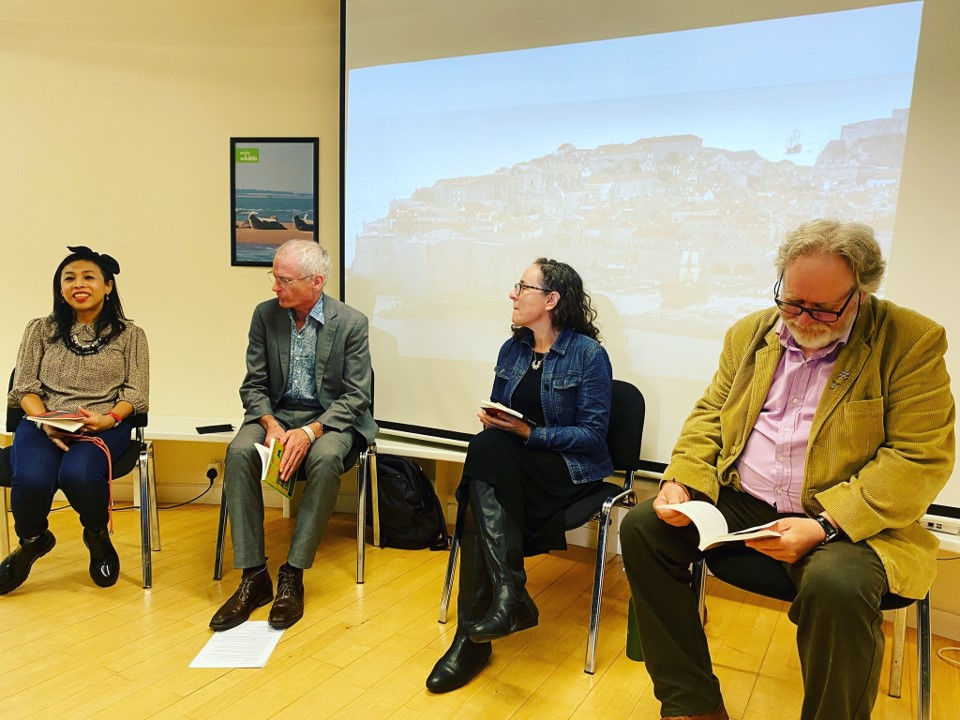



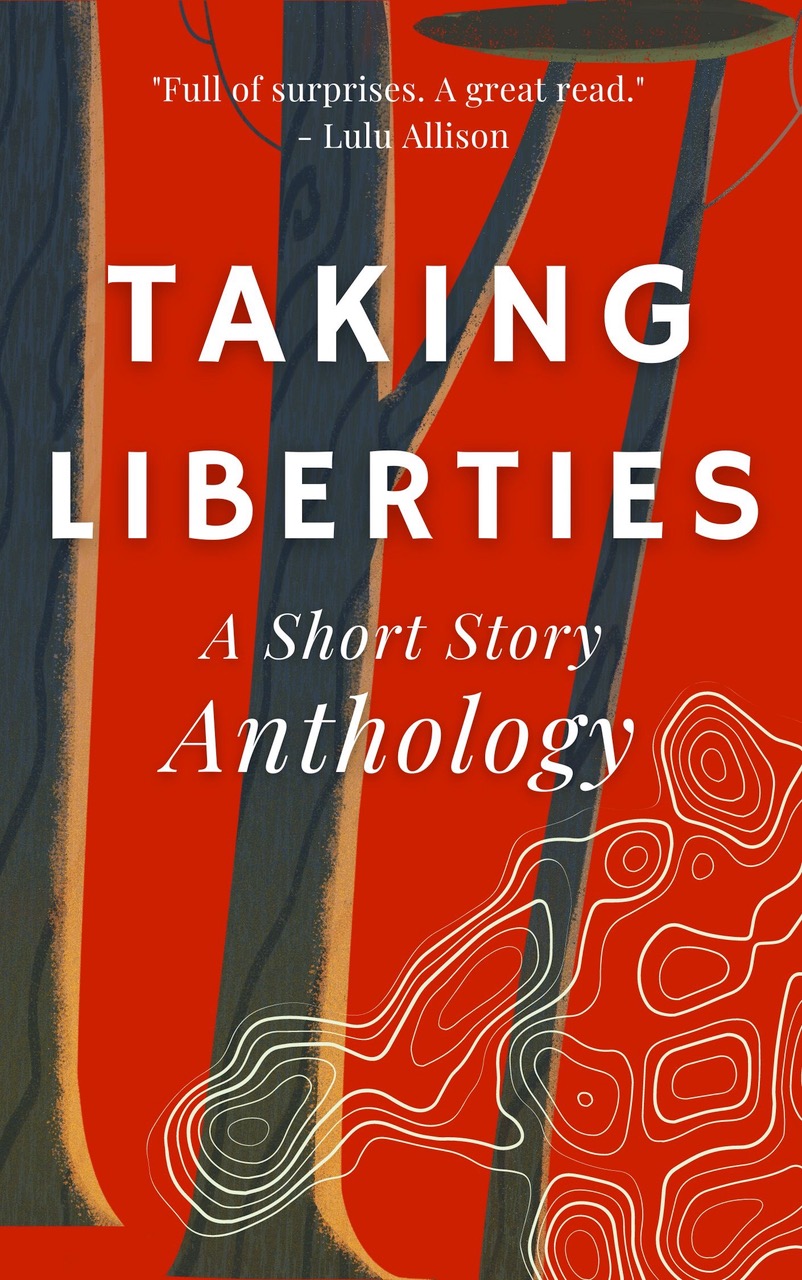
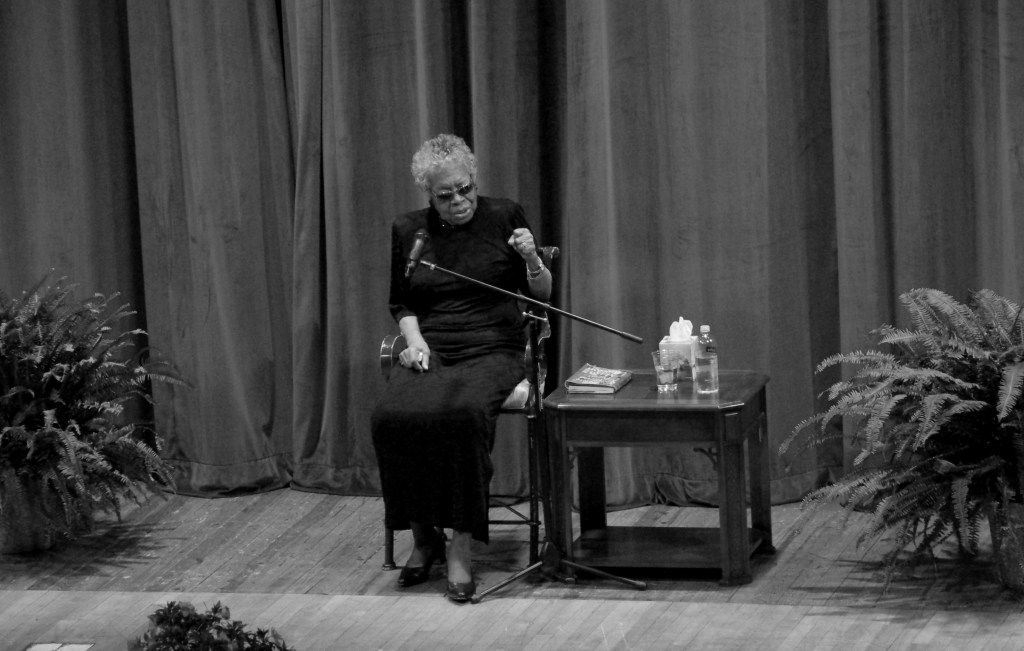





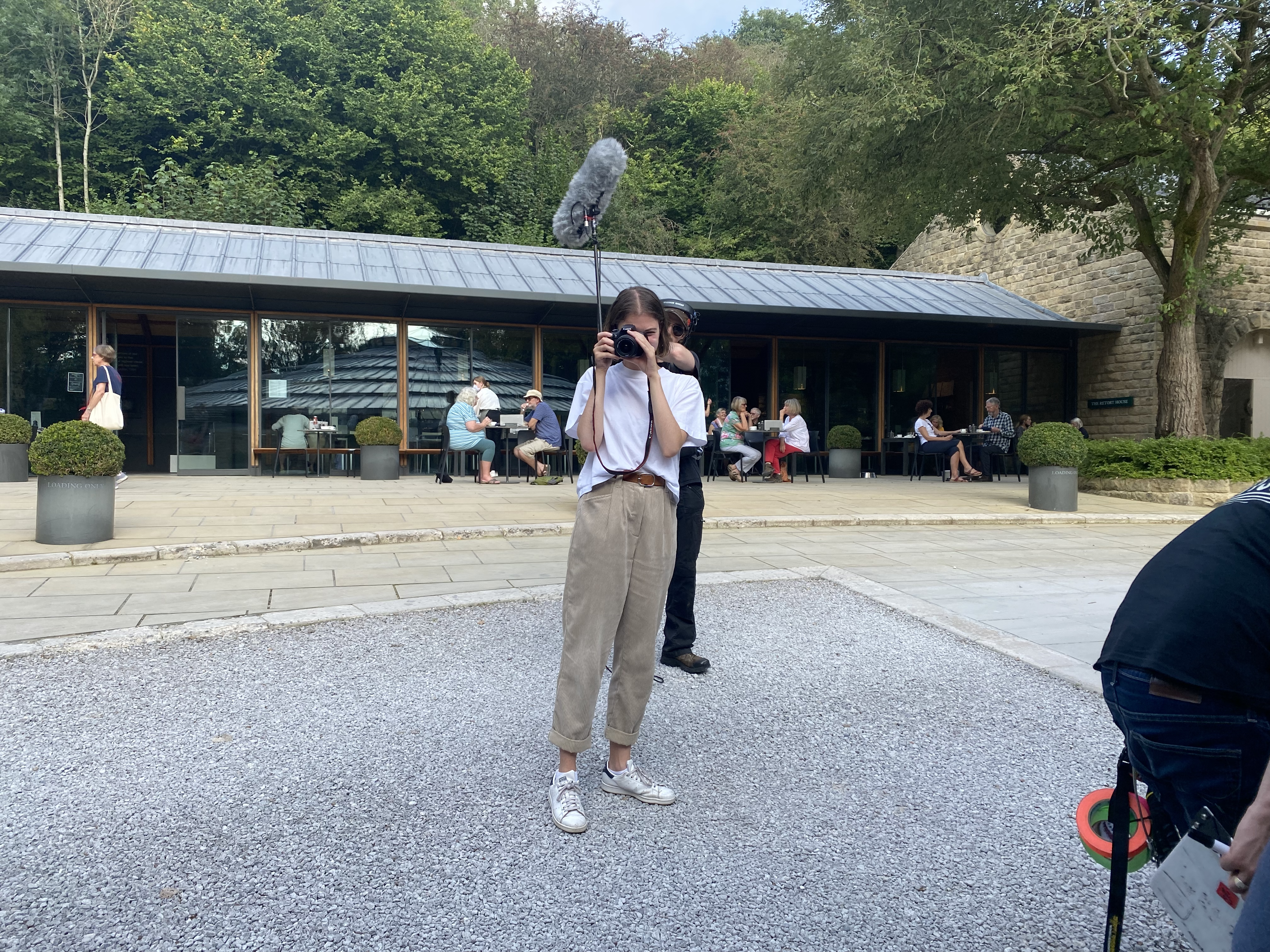
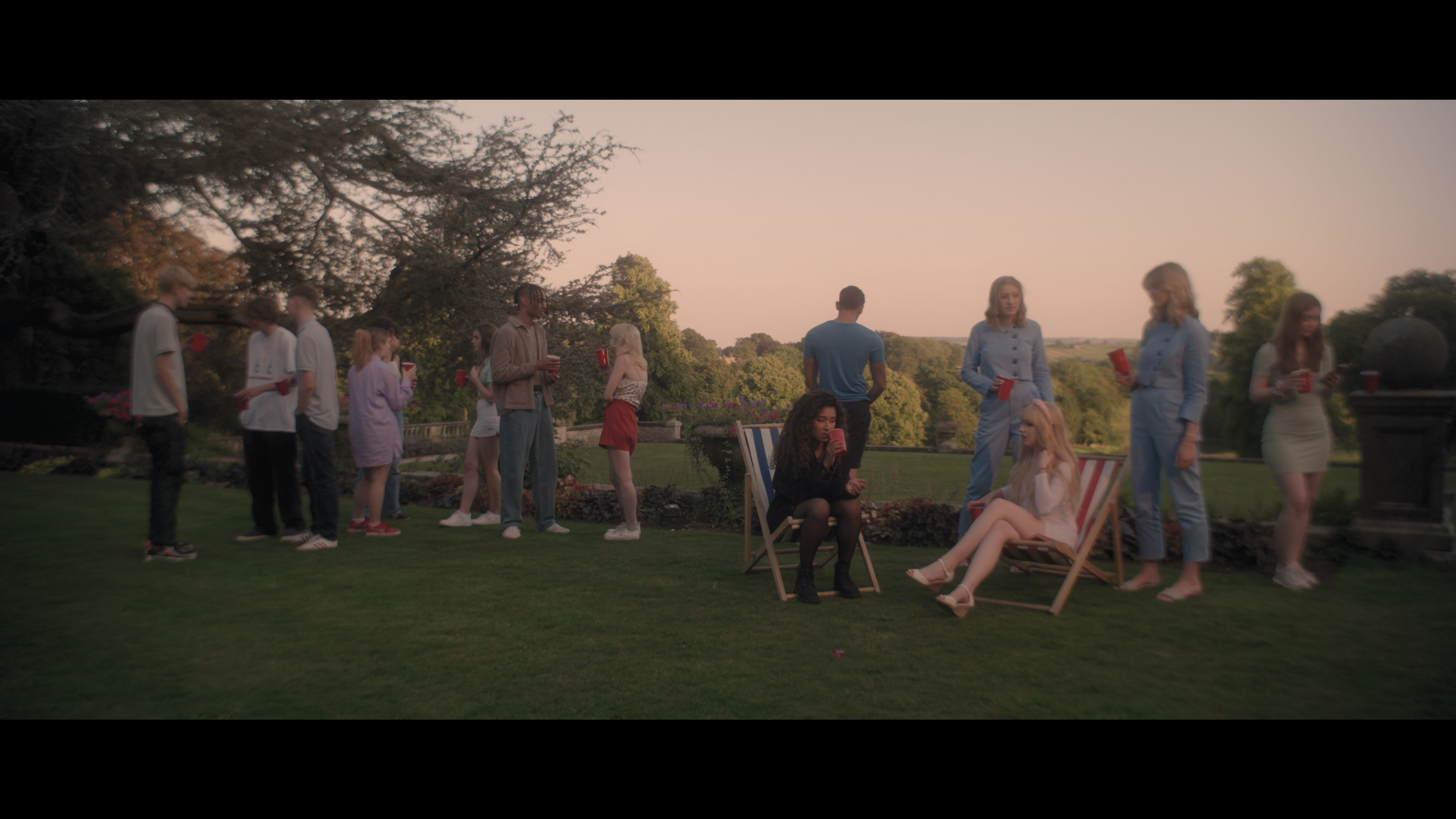
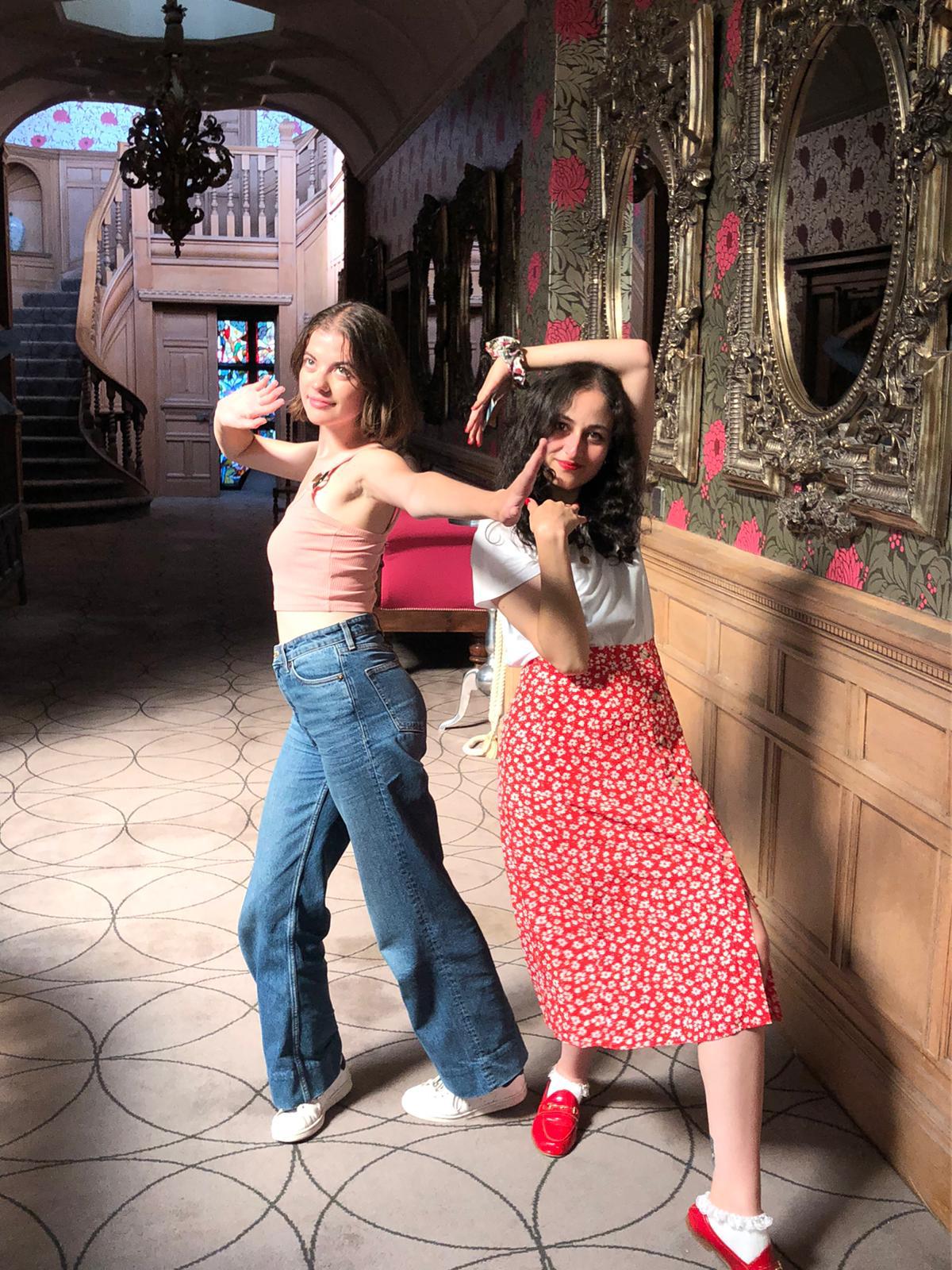

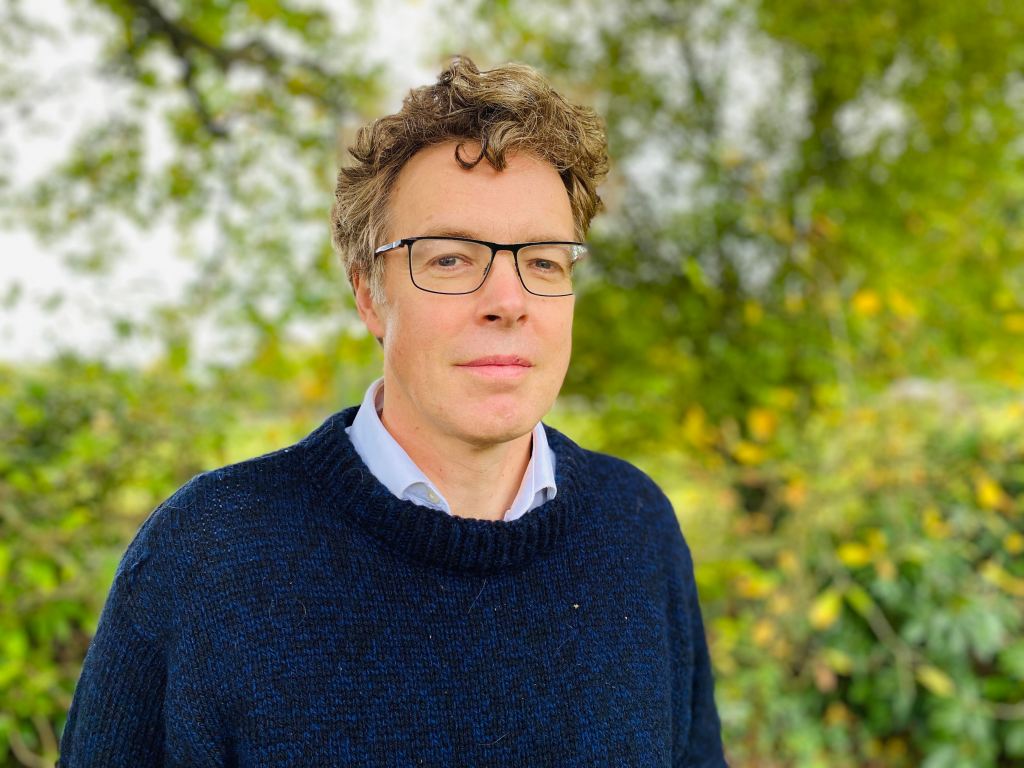

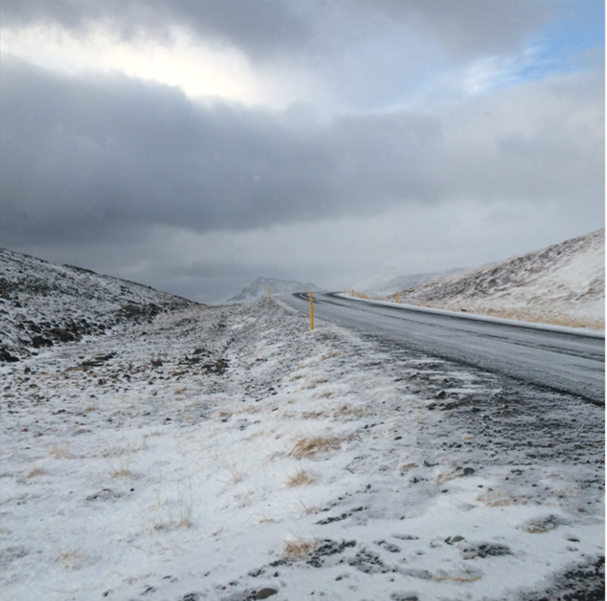
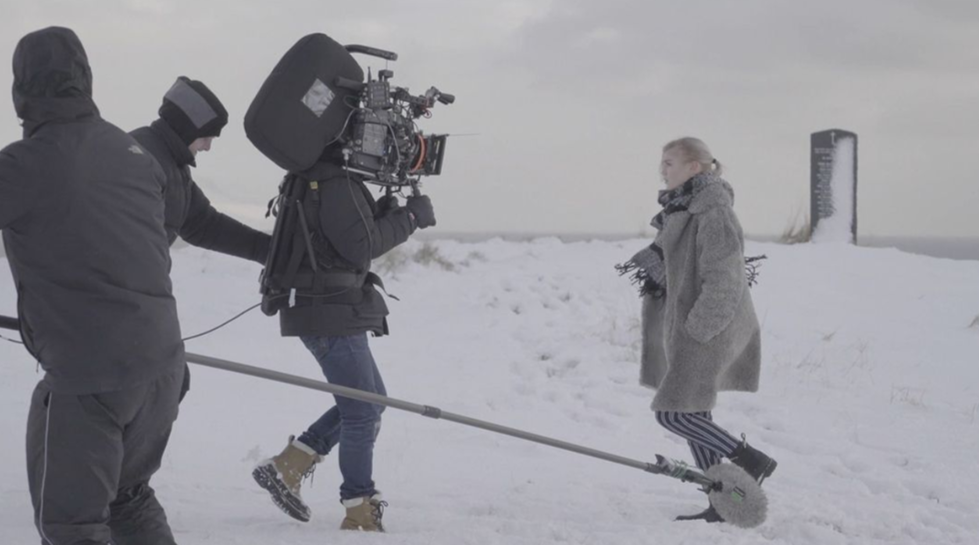
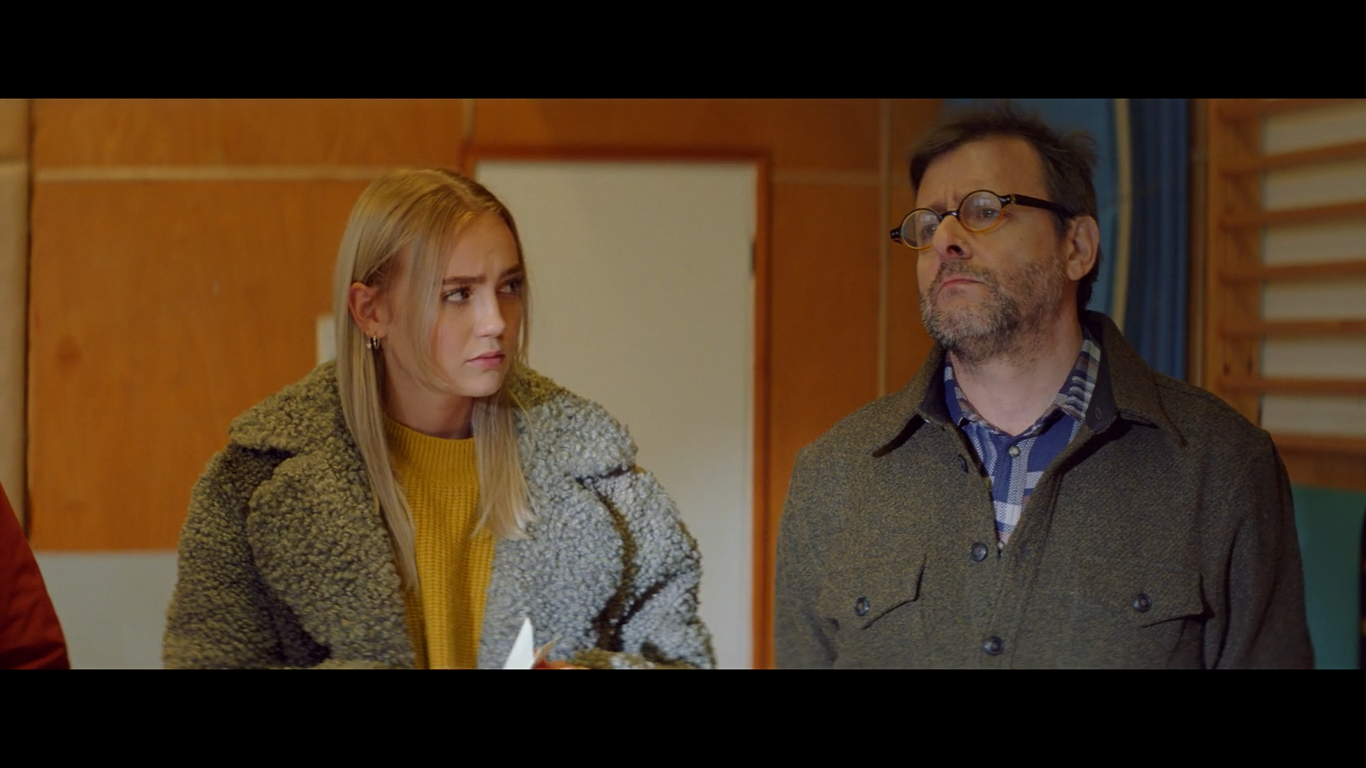


 nothing in the rulebook