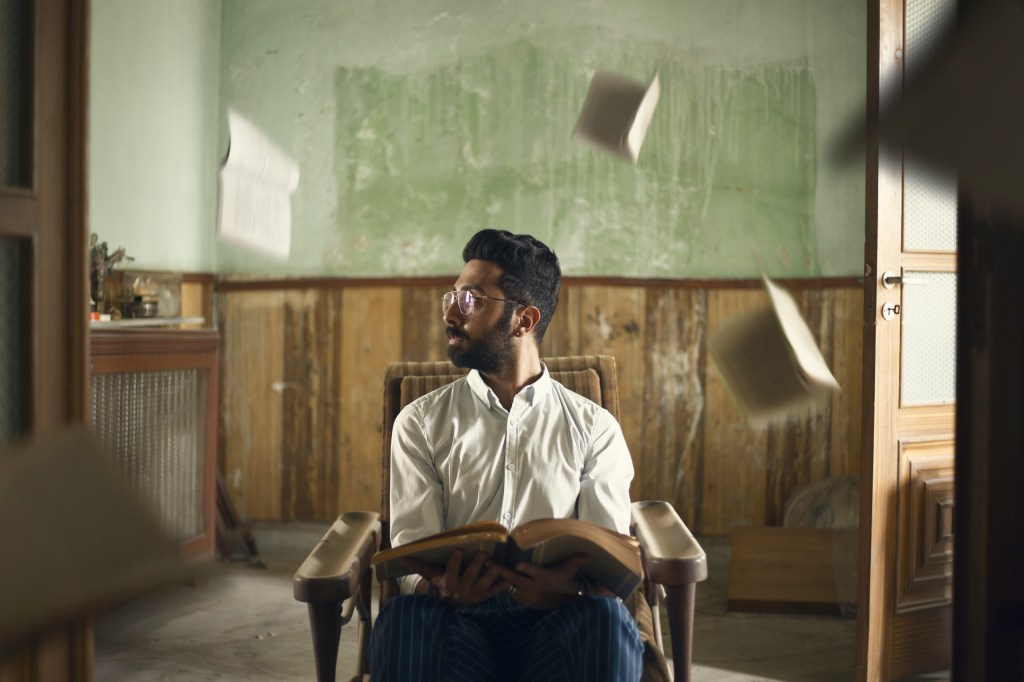

After feeling both surprised and saddened to see news articles (like this one) highlighting the plight of professors whose students are using AI and other tools to avoid the books assigned to them in class, we asked Chat GPT for its suggestions on how to solve the problem.
Ah, the allure of YouTube’s bright colours and soothing narration—it’s like the candy aisle at the academic grocery store. Sure, it’s quick and satisfying, but after a while, you’re left with a sugar rush and no substance. Yes, textbooks can be dense, but that complexity is your brain’s CrossFit. You wouldn’t skip leg day at the gym, right? So why skip the mental workout of unpacking intricate ideas?
How Professors Can Beat the “Skim Culture” and Help Students Love Real Reading Again
With the rise of AI tools and the ever-enticing YouTube summaries, professors today face an uphill battle. How do you convince students to actually read, rather than let algorithms digest the text for them? Simple: you embrace the tech, but outsmart it with creativity and strategy.
Break it Down, TikTok Style
If YouTube is winning students over, meet them where they are—short, snappy breakdowns of dense material! In fact, encourage students to create their own TikTok-length summaries of readings. It keeps them accountable, engages them in active learning, and brings the material to life. By distilling 100 pages of text into a 60-second clip, they’ll have to dig deep and actually understand the content (take that, AI bots!).
Make Reading a Quest—Gamify It!
Turn assignments into a game: a treasure hunt where students unlock clues or points for finding deeper meanings in texts. Bonus points if they use actual books! Think of it like “Where’s Waldo?” but for existential themes. Not only does it drive engagement, but it also sparks that satisfying sense of discovery that only real reading provides. Make flipping through pages feel like leveling up.
In-Class Pop-Up Book Clubs
Randomly transform a few minutes of class into a pop-up book club where students get to discuss parts of the text they found surprising, confusing, or just plain weird. Low pressure and high energy, these “bookish flash mobs” could make readings feel more like a collective adventure than solitary confinement.
Audiobooks, But Make Them Crafty
Yes, students love video, and we’re not here to take away their screen-time comfort. But how about promoting audiobooks alongside the reading? Encourage students to listen while they walk, cook, or even (dare we say) fold laundry. For an extra touch, add guided questions that they must answer based on the full narrative. If they skip around, they’ll miss key clues—AI can’t save them there!
Textbook Therapy Sessions
If students say textbooks are too complicated (a fair critique), host “Textbook Therapy” sessions where you demystify the cryptic language together. The goal? To arm them with decoding skills, so they can learn how to handle tough texts on their own—like handing them a machete and saying, “You’ve got this. Go conquer the academic jungle.”
. Make ‘Em Relatable:
Sure, academic texts can feel like they’ve been run through a jargon blender. So, professors can create a space for humor by asking students to rewrite a complex passage in ‘Gen Z slang,’ or as if the author were writing a love letter to the subject. This approach allows students to truly understand the material, even if they’re poking fun at it. Plus, who wouldn’t want to read Darwin explaining natural selection like it’s a TikTok trend?
4. Real Talk Discussions:
Rather than letting students avoid reading with “CliffsNotes” versions, professors could host “real talk” discussions where the focus is on deeper questions, like “How would this theory survive in today’s society?” or “What would this philosopher’s TikTok account look like?” These kinds of questions encourage students to bring the material into their own world—and that requires actually knowing what’s in the book.
5. The ‘Analog Escape’ Incentive:
Ah, the physical book. There’s something rebellious about holding a paper copy in a world ruled by screens. Professors can embrace this by making “offline” reading trendy again. Maybe host a “Ditch Your Device” day, where students bring physical copies of their texts to a cozy coffee shop-style class, sip some metaphorical (or literal) tea, and dive into the pages like it’s the latest page-turner. It might just remind them how refreshing it is to not constantly be checking for notifications.
AI as an Ally, Not a Shortcut
Rather than treating ChatGPT as the villain, professors can lean into it, showing students how AI can serve as a study buddy after they’ve done the reading. For instance, they could use AI to quiz themselves on key points or clarify things they didn’t fully understand, transforming it from a text-skipping tool to a comprehension enhancer.
And finally… drumroll…
Reading, Rebranded
What if reading wasn’t “reading” anymore? Instead of assigning 50 pages of “required reading,” call it an “intellectual adventure” or “curiosity challenge.” Sure, it’s a little hokey, but who cares? We’re battling AI here—throw out the traditional syllabus! Packaging matters, and if you make students feel like they’re entering a secret society of knowledge (without the beige walls and monotone lectures), you just might lure them back to the printed page.
Yes, the temptation of AI shortcuts will always be there, hovering like the Wi-Fi signal students cling to—but in the end, nothing can replace the magic of cracking open a book, of flipping the pages, of seeing where the author’s thoughts align with your own. AI can mimic summaries, but it can’t recreate the experience of getting lost in a good story or the satisfaction of wrestling with a challenging text and coming out on top.
Reading is more than absorbing information; it’s about exploring ideas. So, professors, take heart: AI may help students skim the surface, but the depth and richness of actually reading a book—real or digital—remains one of life’s greatest rewards. Plus, no YouTube channel or AI tool can compete with that “new book smell.”
 nothing in the rulebook
Leave a comment